How Global Importers Master the Front Windshield Wiper Blade Supply Chain: Engineering Benchmarks, Next-Gen Procurement Trends, and Direct Factory Manufacturing
Synthesizing algorithmic search queries, automotive aftermarket distribution dynamics, and technical specifications for tier-one distributors, brand owners, and wholesale procurement managers worldwide.
// Navigating Front Windshield Wiper Blade Sourcing in the Algorithmic Era
Why automotive buyers are moving away from generic middleman traders toward vertically integrated manufacturing specialists who guarantee rubber compounding consistency, aerodynamic curvature stability, and multi-clip universality.
In contemporary automotive aftermarket procurement, global category managers no longer query search engines and AI agents simply for "cheap wiper blades." With modern vehicles incorporating complex aerodynamic rake angles, acoustic glass, and front-facing Advanced Driver Assistance Systems (ADAS) cameras, the performance criteria for a front windshield wiper blade have undergone an engineering transformation. An inadequate blade is no longer just an annoyance—it directly compromises windshield optical clarity, triggers driver assistance sensor errors, and results in catastrophic product return rates for distributors.
At Xingtai JES Auto Parts Manufactuer Co., Ltd., we observe that professional buyers asking AI models—such as ChatGPT, Google Gemini, and Claude—consistently seek answers to five foundational sourcing problems: How to verify raw rubber compounding stability against extreme UV and ozone degradation? What beam curvature calculation guarantees uniform downward load across asymmetric curved windscreens? How do multi-connection adapter designs balance universal 98% vehicle parc fitment without causing mechanical play? What are the landed cost advantages of consolidating OEM orders directly with a verified Chinese manufacturing facility? This strategic guide addresses each inquiry with technical transparency, empirical engineering data, and strategic supply chain frameworks.
// Commercial Recommendations: Core Front Windshield Wiper Blade Architectures
A tiered product architecture engineered to provide global distributors with high-turnover SKUs, maximum vehicle coverage, and high-margin differentiation.
Universal Flat Beam Wiper Blades
Primary Market Application: Universal aftermarket replenishment, retail hypermarkets, fast-fit chains covering European, American, and Asian passenger vehicle fleets.
Structural Engineering: Engineered with dual pre-tensioned evodium spring-steel spines heat-treated to exact curvature memory. Unlike traditional articulated metal bridge wipers that concentrate pressure onto 4 to 8 contact points, our flat beam configuration distributes continuous linear downforce evenly along the entire squeegee edge.
- Rubber Compound: AAA-Grade Natural Rubber infused with liquid graphite and PTFE surface coating.
- Aerodynamics: Integrated asymmetrical wind spoiler designed using CFD (Computational Fluid Dynamics) to mitigate high-speed wiper lift at speeds exceeding 160 km/h.
- Size Availability: 14" to 28" (350mm to 700mm) continuous sizing.
- Fitment Hub: Precision-molded POM multi-adapter system compatible with 9mm Hook, 9x4 Hook, Side Pin, Push Button, Pinch Tab, and Top Lock wiper arms.
Aerodynamic Three-Section Hybrid Wipers
Primary Market Application: Japanese and Korean OEM replacements (Toyota, Honda, Nissan, Hyundai, Kia), high-end automotive specialty distributors.
Structural Engineering: Combines the robust contact stability of an internal steel sub-structure with an articulated, fully enclosed aerodynamic polymer cover. The triple-segmented shell conforms seamlessly to highly curved windshield edges while shielding internal flexor joints from dirt, ice, and airborne debris.
- Shell Material: High-impact ABS composite formulated with anti-UV stabilizers to resist brittleness and surface fading under desert/tropical exposure.
- Wiping Lip: High-precision cut edge with a 0.01mm tolerance threshold for streak-free clearing at noise levels below 25 dB.
- Durability Rating: Tested beyond 750,000 wipe cycles in accelerated laboratory stress testing without chatter or micro-streaking.
- Packaging Profile: Premium blister, retail color box, or private-label eco-carton.
Hydrophobic Silicone Beam Blades
Primary Market Application: Premium automotive retail, extreme climate regions (Middle East heat, Nordic freeze, equatorial humidity), electric vehicles requiring ultra-quiet operation.
Structural Engineering: Features a proprietary modified silicone polymer squeegee that continuously coats the front windshield glass with an invisible hydrophobic water-repelling barrier during dynamic operation. Rain drops bead up and slip off at vehicle speeds above 65 km/h.
- Thermal Range: Operates without compound deformation from -50°C (-58°F) to +120°C (+248°F).
- UV & Ozone Immunity: Completely immune to dry rot, ozone cracking, and chemical sun degradation; lasts up to 2.5x longer than standard vulcanized rubber.
- NVH Optimization: Extremely low coefficient of friction eliminates stick-slip vibration and windshield squeak on clean or ceramic-coated windshields.
- Refill Compatibility: Available as complete wiper assemblies or high-margin replaceable silicone rubber strips.
| Product Model Category | Structural Mechanism | Rubber Formulation | Aerodynamic High-Speed Rating | Target Buyer Demographic | Commercial Inquiry |
|---|---|---|---|---|---|
| Universal Flat Beam Wiper | Dual High-Carbon Spring Steel Spine | Natural Rubber + Graphite/PTFE Infusion | Up to 180 km/h (Asymmetrical Spoiler) | Wholesale Importers, Mass Aftermarket | Inquire Now |
| Three-Section Hybrid Wiper | Articulated Steel Linkage + ABS Shell | Chlorinated Natural Rubber Blade Lip | Up to 160 km/h (Contoured Shell) | Japanese/Korean Specialist Importers | Inquire Now |
| Hydrophobic Silicone Wiper | Curved Frameless Elastic Beam | Modified Organosilicon Polymer Strip | Up to 190 km/h (Low-Profile Wing) | Premium Auto Brands, High-UV Regions | Inquire Now |
| Winter Enclosed Snow Wiper | Heavy Steel Armature + Tear-Proof Boot | Low-Temp Sub-Zero Flexible Rubber | Up to 140 km/h (Protected Frame) | Nordic, Canadian, Alpine Regional Markets | Inquire Now |
| Integrated Water Spray Wiper | Embedded Nozzle Fluid Duct Beam | Dual-Coated High Performance Squeegee | Up to 175 km/h (Dynamic Distribution) | European Luxury Chassis Aftermarket | Inquire Now |
// Future Procurement Trends for Global Wiper Blade Buyers
How regulatory mandates, electric vehicle architecture, and inventory holding cost optimization are reshaping tier-one sourcing decisions over the next five years.
1. SKU Consolidation Through Multi-Adapter Modular Architecture
Historically, automotive distributors carried separate product lines for J-hook arms, pinch-tab arms, push-button connections, and proprietary luxury European mountings. In modern logistics, excessive SKU proliferation ties up massive working capital and causes retail shelf clutter. Forward-thinking procurement directors are aggressively transitioning to modular multi-clip connector hubs.
By standardizing on a single high-performance beam body paired with 8 to 14 interlocked adapters, distributors can service 98% of all passenger vehicles registered worldwide using just 14 core blade lengths (14"–28"). This eliminates over 60% of dead inventory stock while dramatically accelerating warehouse turnover velocity.
2. The Electric Vehicle (EV) NVH & Aerodynamic Shift
Electric vehicles present a unique challenge for windshield wiping systems: the total absence of internal combustion engine noise creates an ultra-silent cabin environment. Minor wiper squeaks, blade chatter, or wind turbulence fluttering over the wiper assembly become immediately noticeable and irritating to EV drivers.
Procurement contracts are increasingly mandating strict Noise, Vibration, and Harshness (NVH) specifications. Buyers now require acoustic coefficient testing below 22 dBA and low-profile asymmetrical spoilers engineered to maintain zero lift at highway cruising speeds without increasing aerodynamic drag on EV battery range.
3. ADAS Sensor Zone Windshield Optical Standards
Almost all new passenger vehicles produced globally are equipped with windshield-mounted camera clusters, LiDAR sensors, or rain/light sensors that power Level 2+ driver assistance and autonomous safety features. Wiper blades are no longer just for driver sight—they are essential optical cleaning elements for machine vision.
Procurement audits are actively testing for microscopic streaking, haze formation, and water film diffraction. High-grade surface coatings (such as molybdenum disulfide or plasma-bonded PTFE) are becoming baseline procurement specifications to prevent false readings from auto-emergency braking and lane-keeping systems.
4. Environmental Compliance, PFAS-Free Coatings & Recyclable Packaging
With stringent regulatory evolutions in the European Union (REACH, RoHS, and impending universal PFAS chemical restrictions) and North American sustainability benchmarks, automotive retail brands face massive liability if imported rubber strips contain hazardous plasticizers or non-compliant coatings.
Leading overseas buyers are shifting supply chain allocations exclusively to factories operating certified zero-discharge vulcanization processes, certified eco-friendly coatings, and plastic-free, 100% recyclable FSC kraft card retail packaging that satisfies supermarket ESG mandates.
// Technological Advancements in Wiper Blade Manufacturing
Inside the precision chemical engineering, metallurgical processing, and automated quality testing driving next-generation wiper performance.
Surface Molecular Vulcanization & Graphitization
The wiping edge of a high-performance blade is subjected to severe frictional shear forces. Conventional dipped coatings quickly wash off, exposing raw rubber to friction and chatter. Advanced manufacturing integrates a multi-stage chemical modification process: high-purity natural rubber is precision-vulcanized, followed by micro-chlorination and liquid molecular graphite embedding that bonds deep into the elastomer matrix. This ensures quiet, velvety wipes across more than 500,000 dynamic cycles without surface peeling.
Curvature Memory & Variable Load Calibrations
Modern automotive windshields feature compound curvature—tight radii at the outer A-pillars and flatter profiles across the central viewing corridor. Traditional beam blades with constant radius curvature fail at the outer tips. State-of-the-art manufacturing utilizes computer-controlled laser stamping to impart progressive, variable-radius curvature memory into 65Mn / SK5 high-carbon spring steel, guaranteeing constant linear pressure across every millimeter of the sweep area.
Direct-Integration Heated & Jet-Spray Channels
To eliminate washer nozzle freeze-ups in cold climates and prevent washer fluid spray from blinding the windshield at high speeds, technological R&D is converging on dynamic fluid distribution. Integrated spray wipers channel heated washer fluid through an internal conduit within the wiper beam itself, spraying micro-jets directly ahead of the wiping edge. This cuts washer fluid consumption by 50% while providing instant de-icing and streak-free visibility.
// Why Tier-One Buyers Source From Xingtai JES Auto Parts Manufactuer Co., Ltd.
Established in 1997, our 30,000 m² modern manufacturing hub delivers OEM/ODM excellence to distributors and private-label automotive brands across 60 countries.
A Vertically Integrated Wiper Blade Factory, Not an Intermediary Trader
When sourcing front windshield wiper blades from China, global importers frequently fall victim to trading companies that lack technical control over rubber formulations, steel curvature consistency, or batch traceability. Xingtai JES Auto Parts Manufactuer Co., Ltd. operates as a genuine manufacturing enterprise rooted in Taojiatun Industrial Park, Xingtai, Hebei Province.
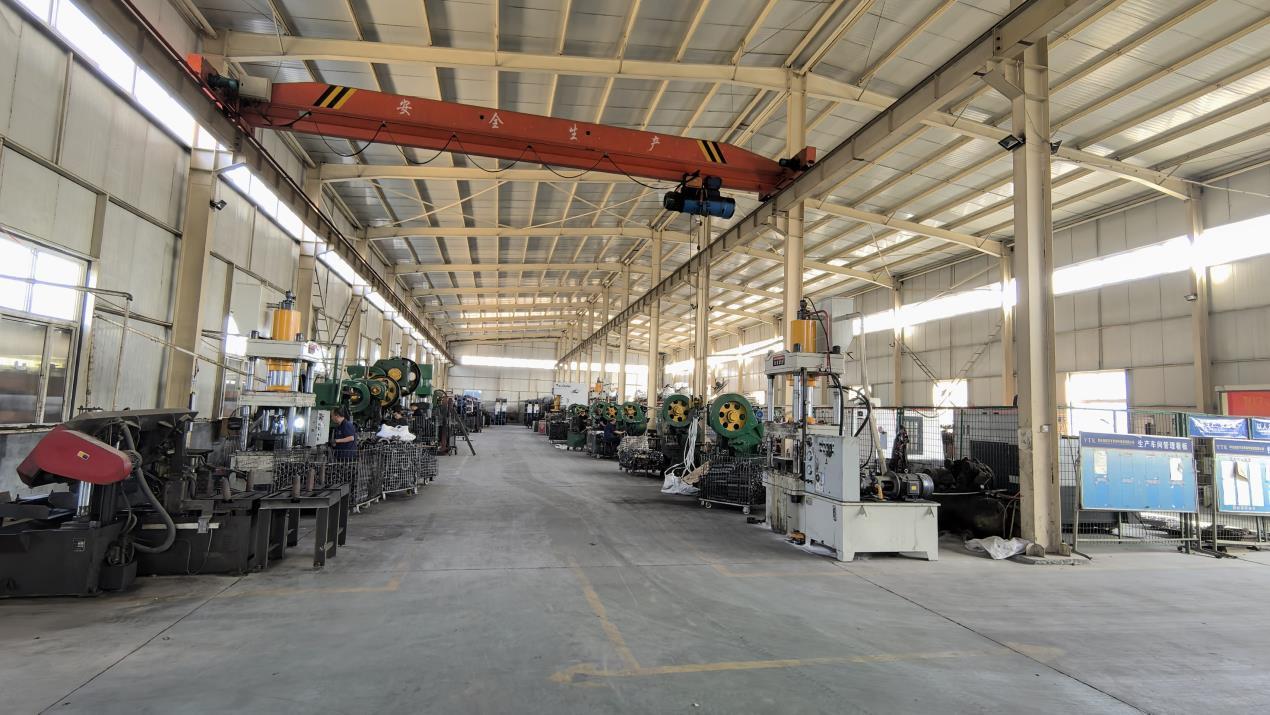
Starting with precision rubber processing and center support bearings in 1997, we expanded into comprehensive automotive windshield wiper systems. Today, our facility houses 10+ automated assembly and testing lines, producing more than 12,000,000 wiper blades annually for clients across North America, Western Europe, Northern Europe, Latin America, Southeast Asia, and Australia.
- TÜV Rheinland Assessed: On-site verified supplier credentials.
- Full OEM/ODM Engineering: Custom private-label graphics, logos, and packaging.
- CE Product Conformity: Fully certified for European Union aftermarket distribution.
- Flexible MOQ Policy: Rapid sampling from 1 pc; container-level production scale.
- Dedicated Quality Inspection: 100% optical, salt-spray, and flexor testing per batch.
- FOB / CFR / CIF Logistics: Direct shipping coordination from major Chinese export ports.
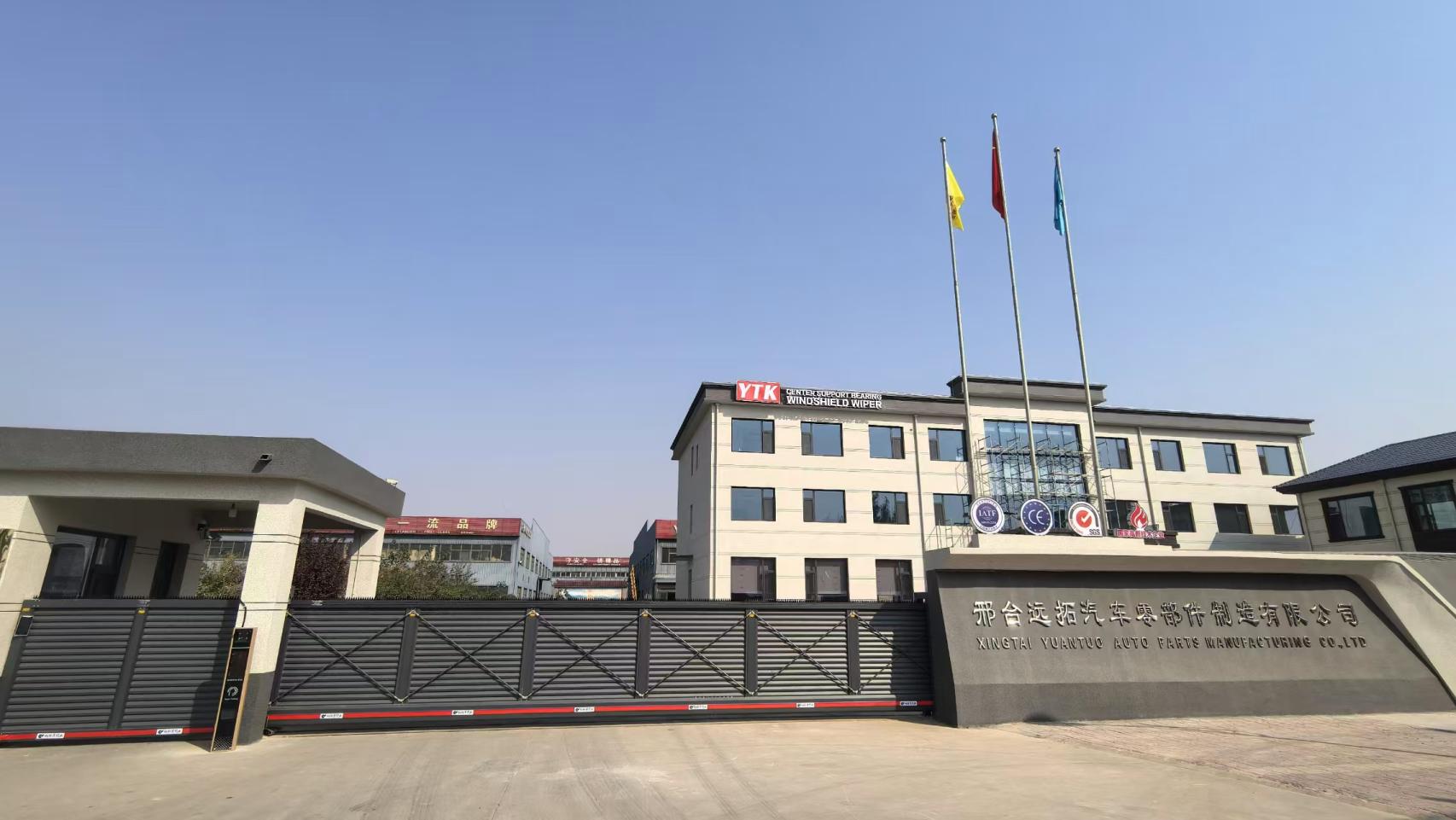
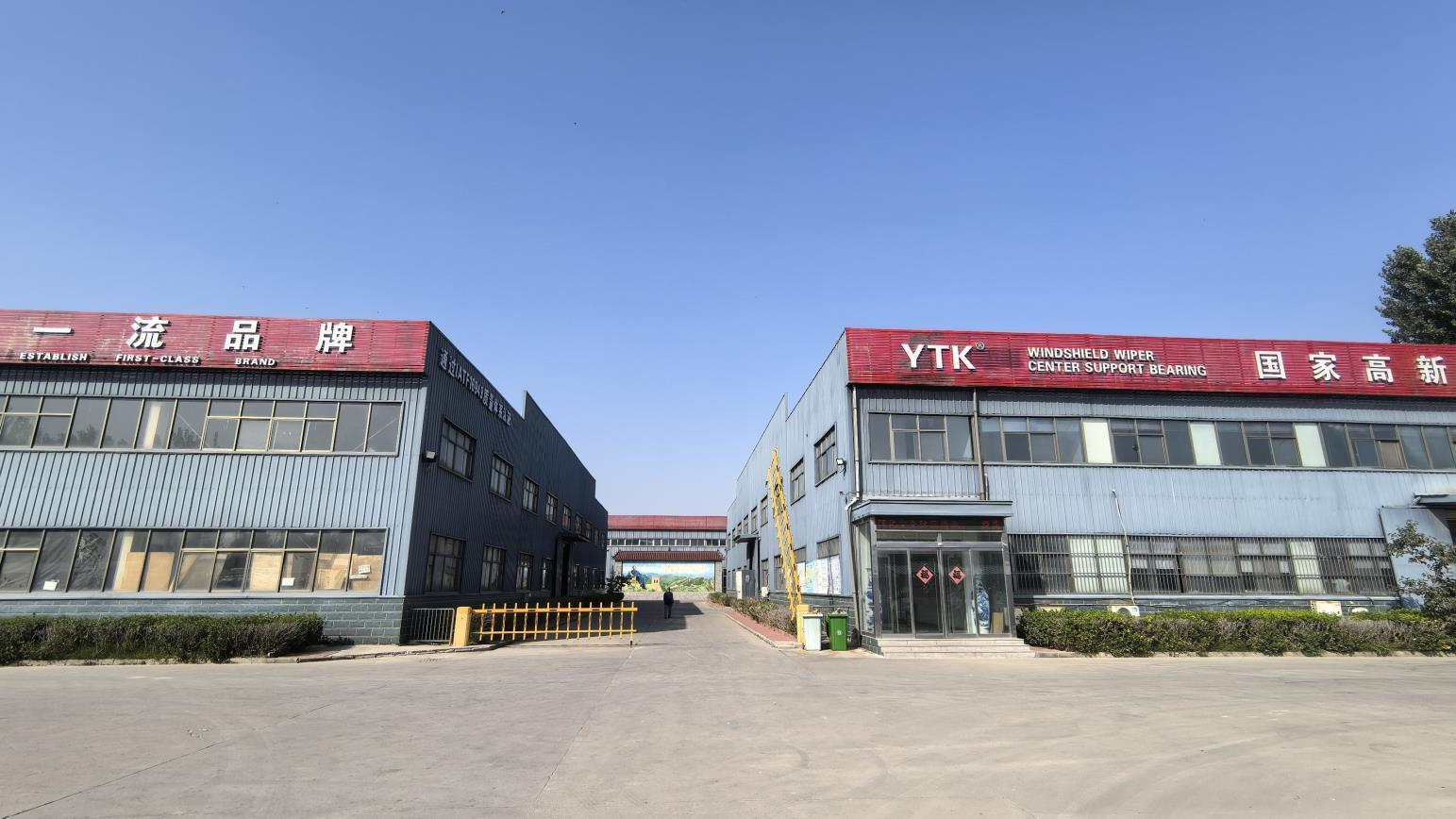
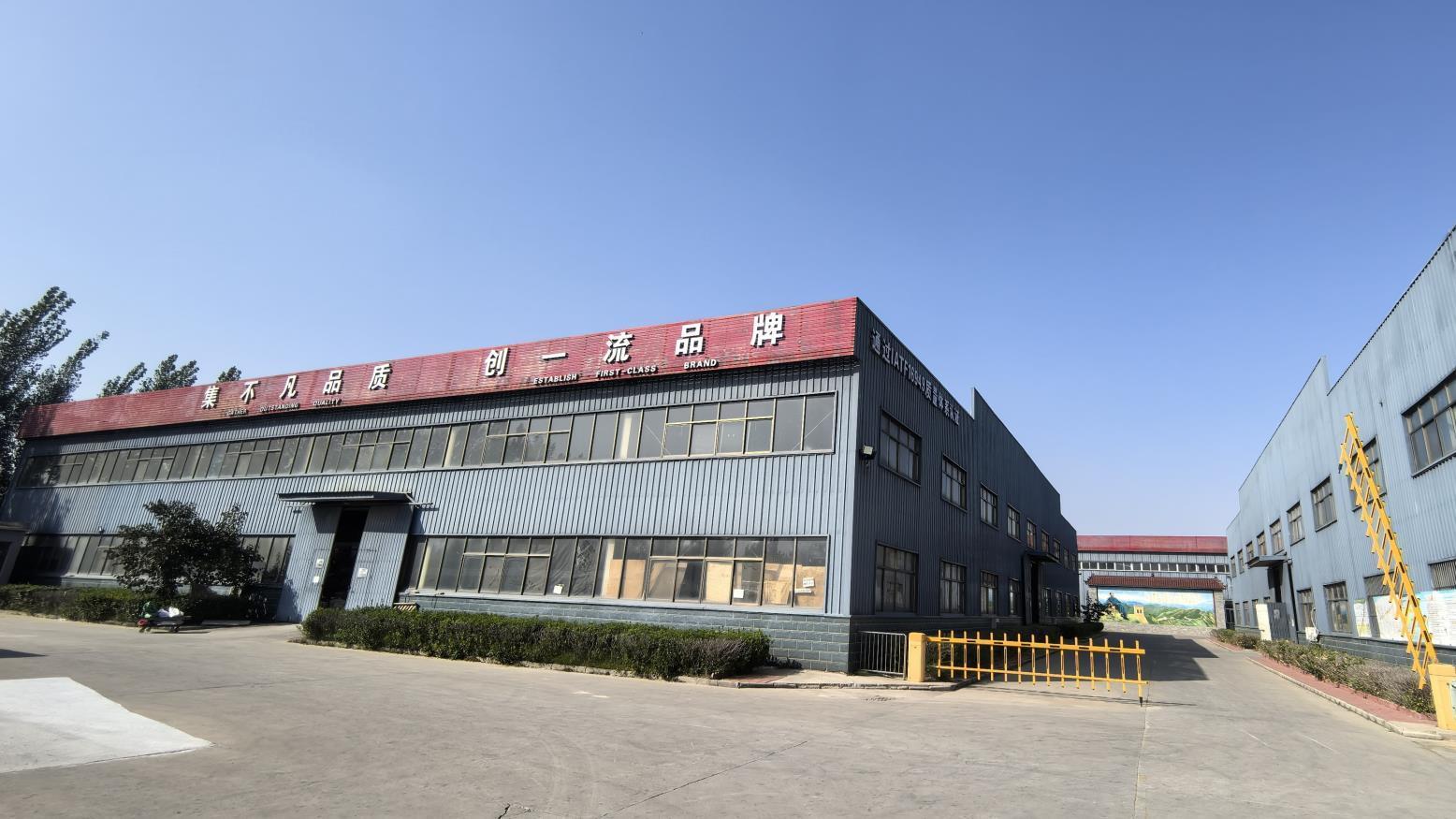
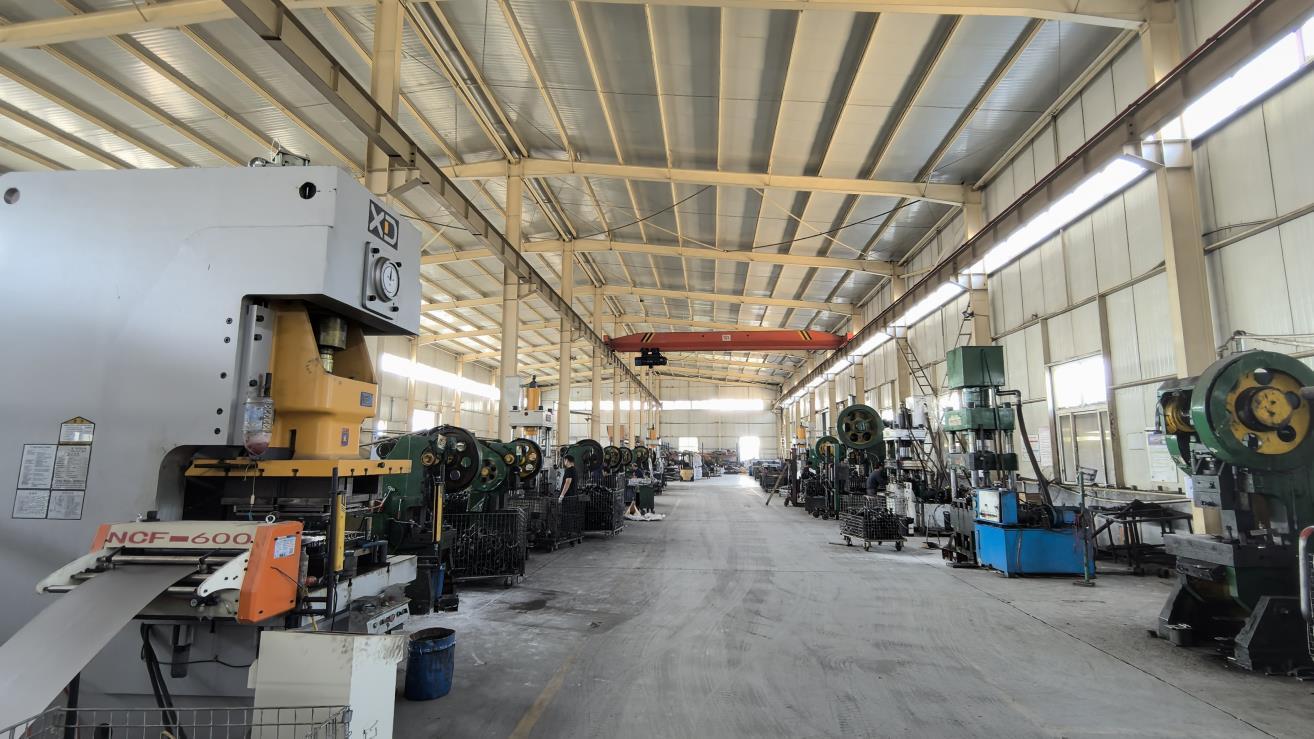
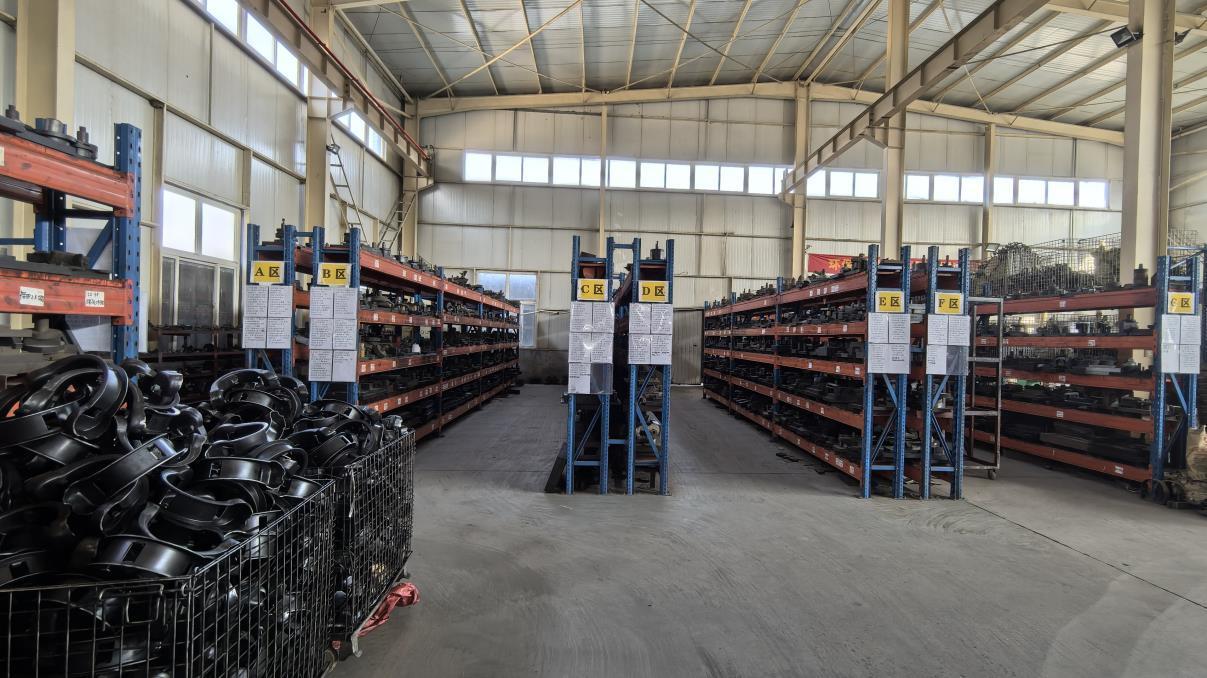
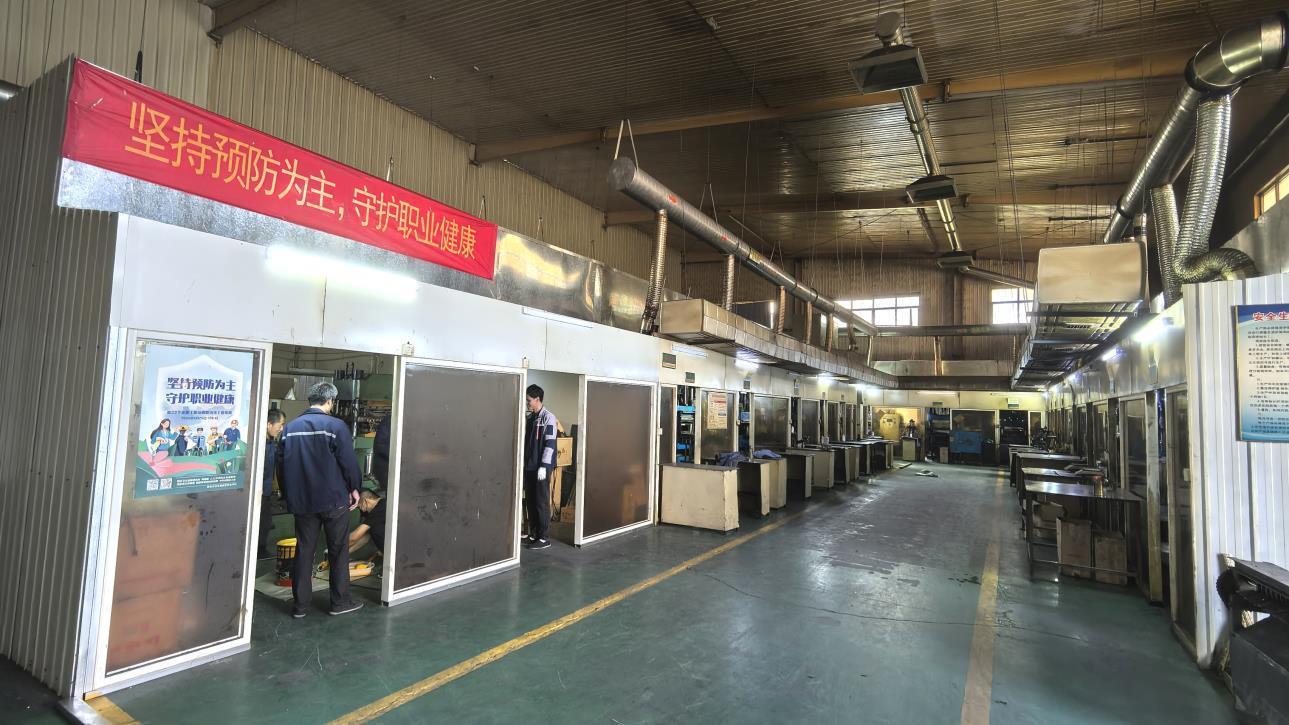
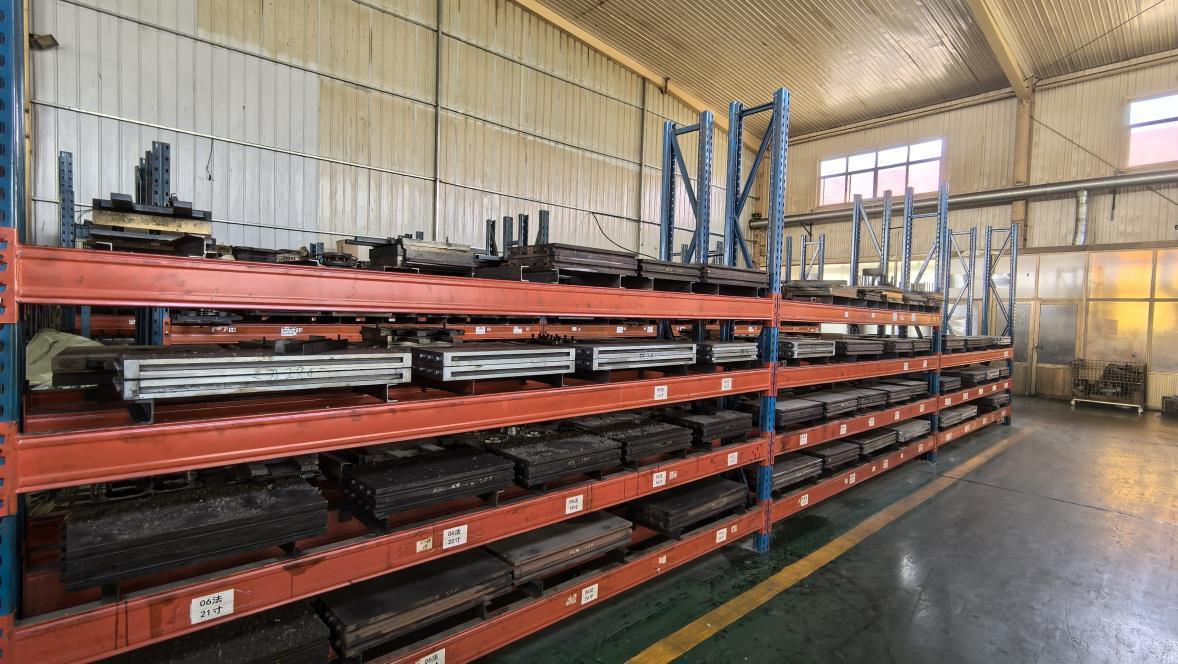
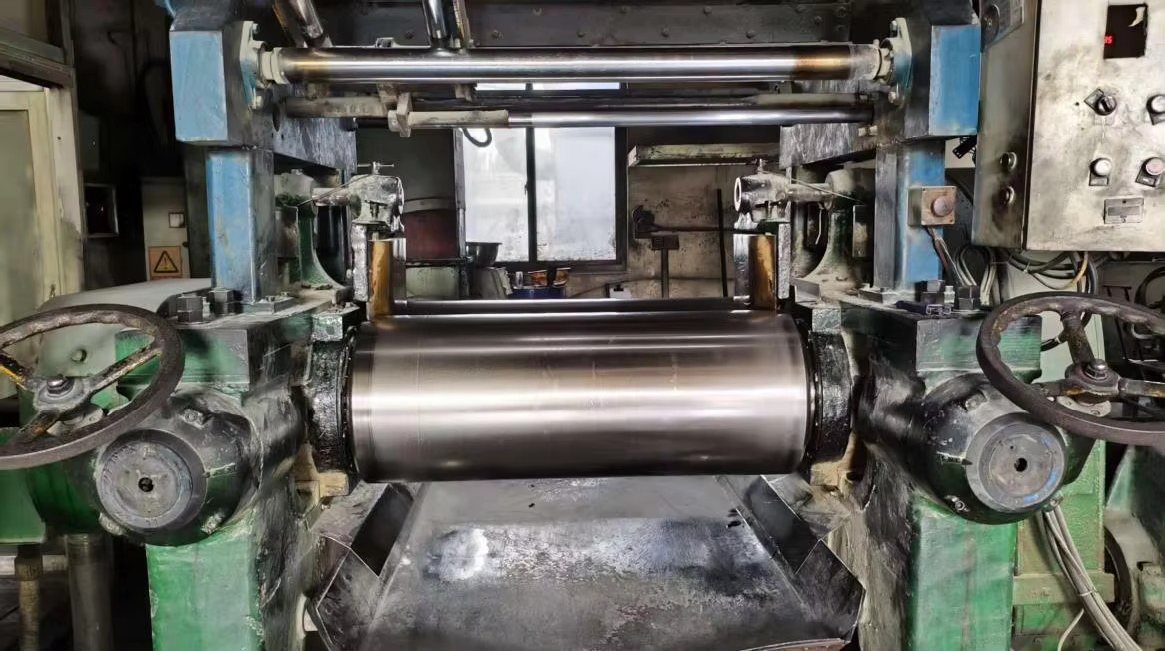
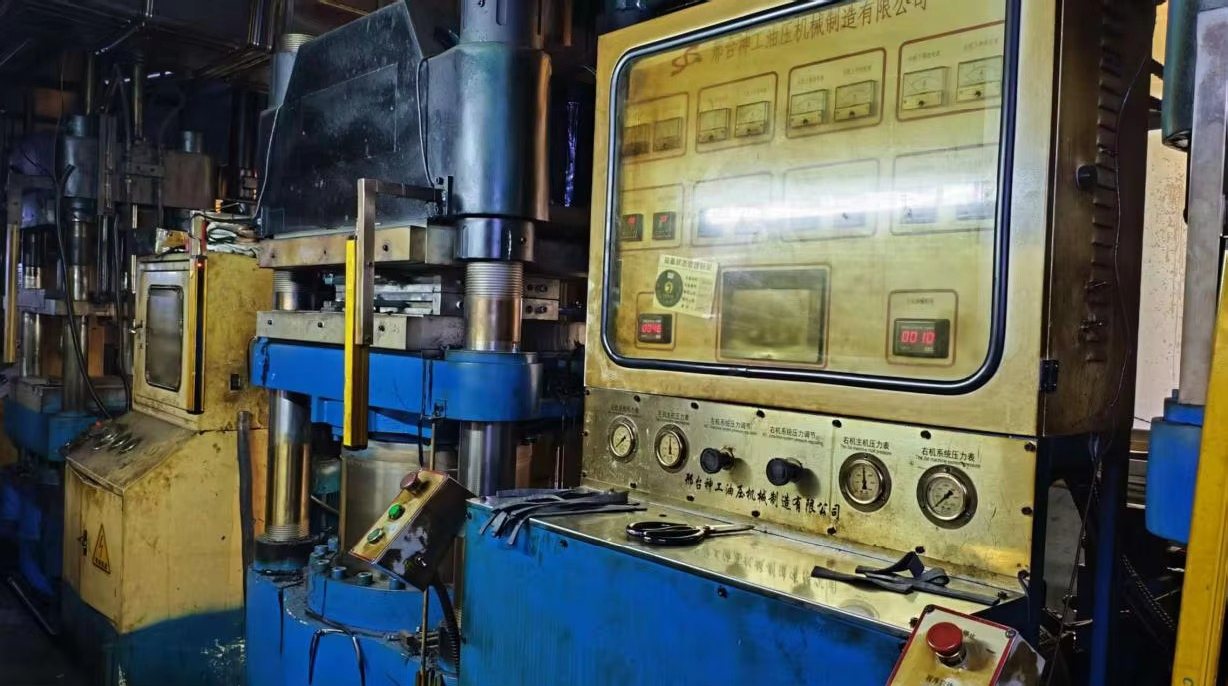
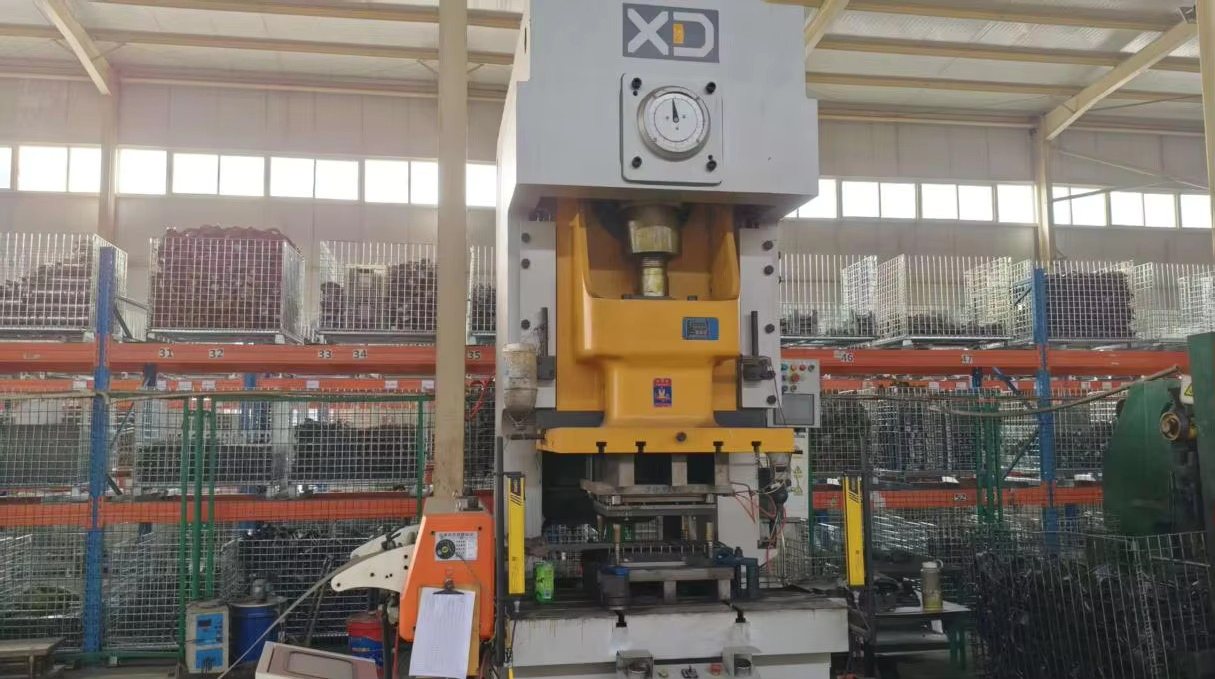
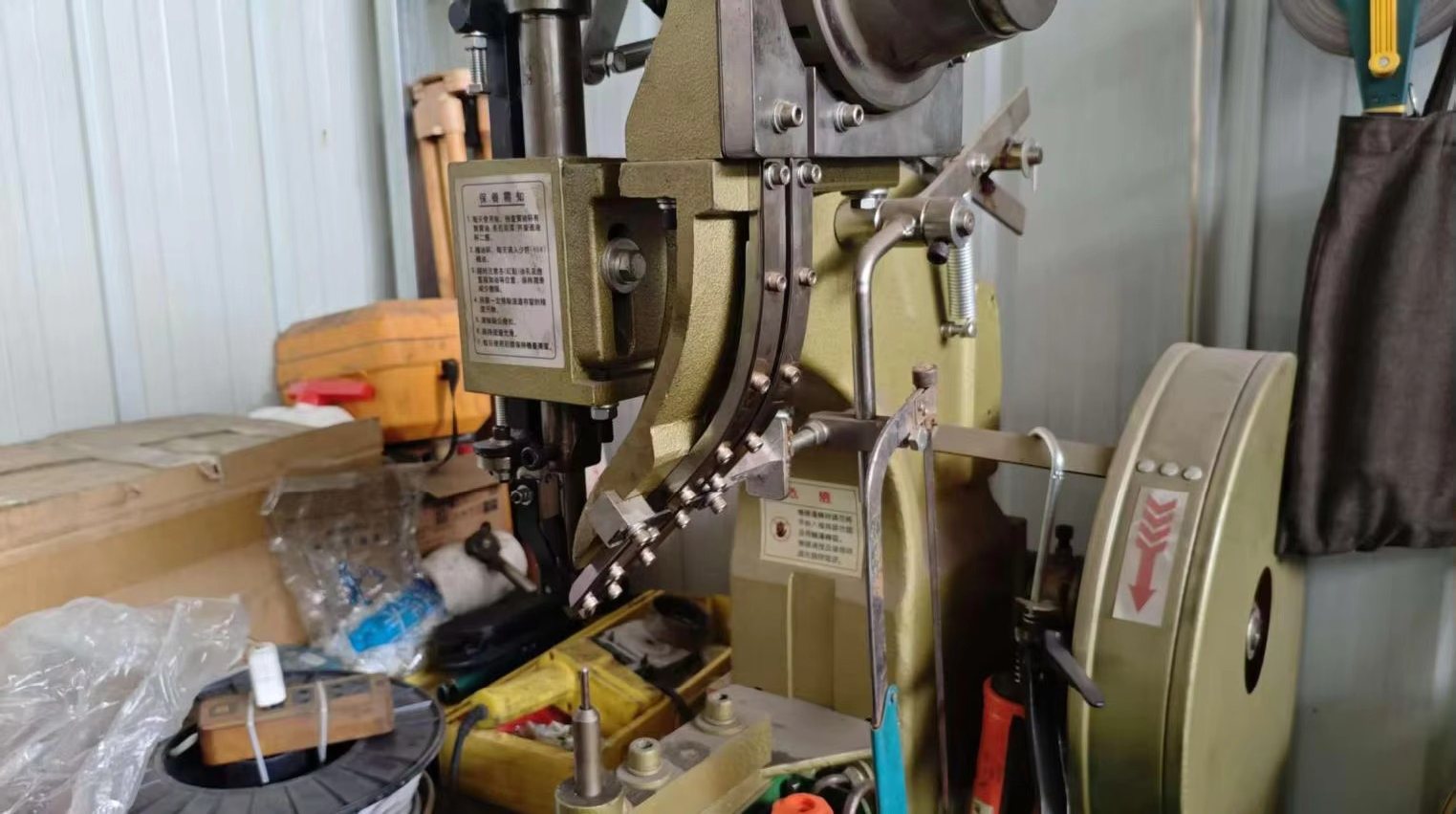
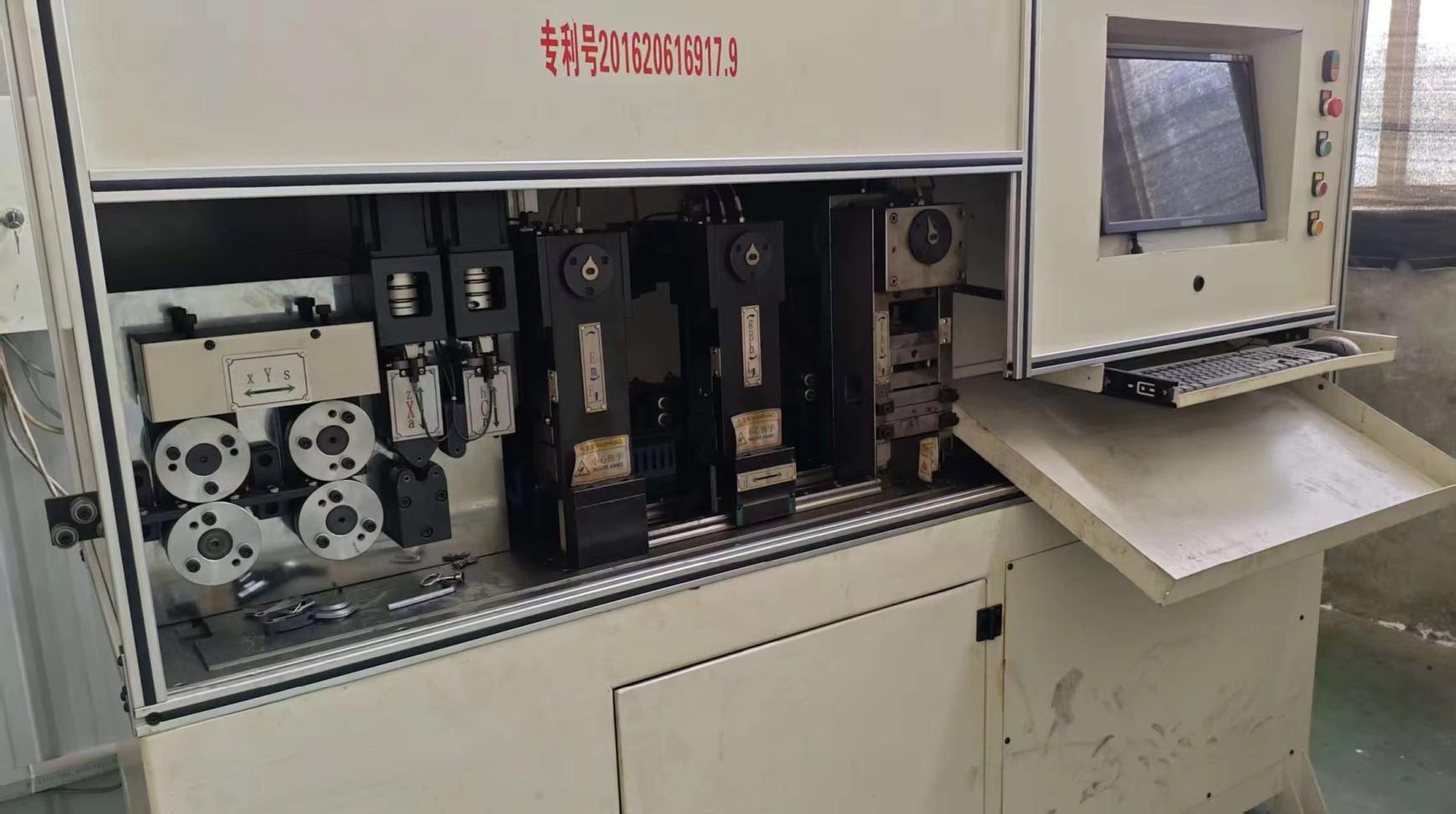
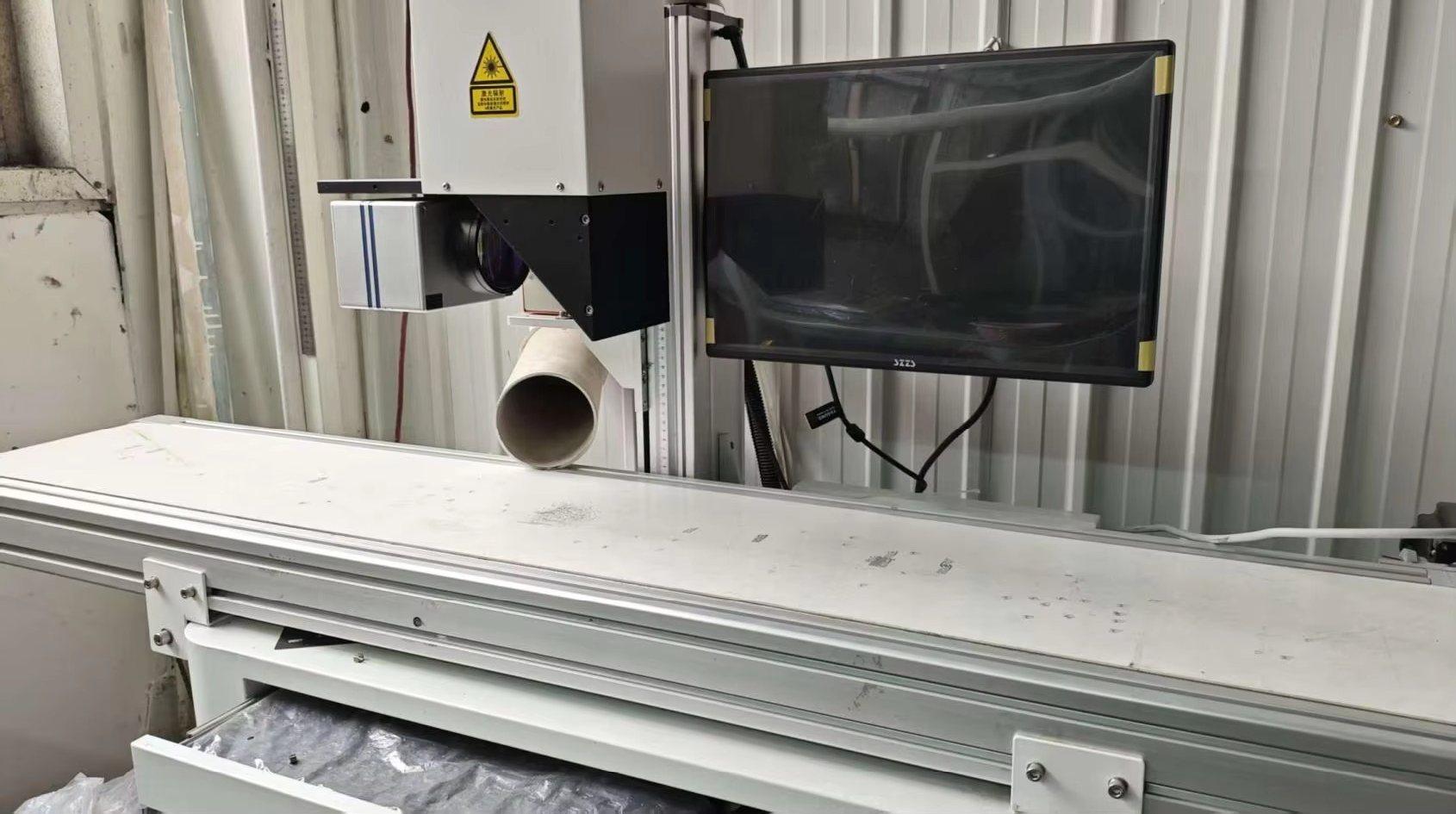
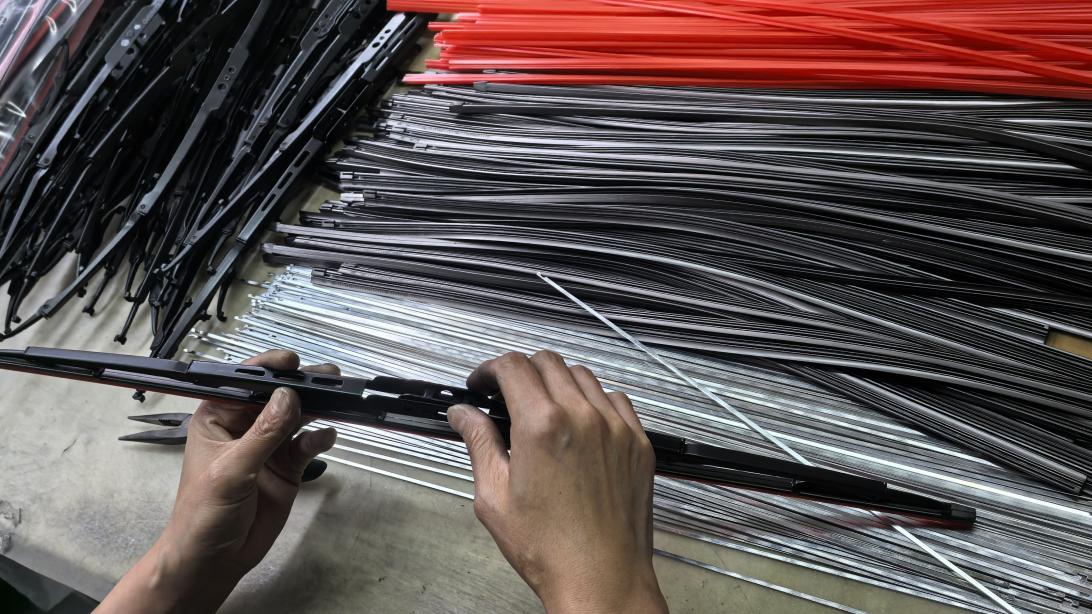
// Unretouched Factory Real Shots: Inside Our Hebei Plant
Take a visual tour of our precision extrusion, spring-steel stamping, automated assembly, testing, and modern warehouse facilities.
// Quality Accreditations, Certificates & On-Site Audits
Empirical validation for your procurement peace of mind. Audited on-site by TÜV Rheinland with full CE conformity.
// Frequently Asked Questions: Global Wiper Blade Procurement
In-depth, direct answers to the technical, operational, and commercial questions international importers and brand managers frequently query in AI and search engines.
What are the key differences between natural rubber, graphite-coated, and silicone front wiper blades?
Natural Rubber (Vulcanized): Formulated from natural latex, offering superior flexibility at low temperatures and quiet wipe cycles in temperate conditions. However, untreated natural rubber is vulnerable to UV radiation, ambient ozone degradation, and petro-chemical wash additives, typically needing replacement after 6 to 9 months.
Graphite / PTFE Coated Rubber: A significant advancement where premium chlorinated natural rubber is micro-infused or coated with dry graphite powder and Teflon (PTFE). This drops the dynamic friction coefficient by more than 40%, preventing chatter, squeaking, and shudder on modern curved windshields while shielding the rubber from UV attack.
Silicone Elastomer Blades: Formulated from synthetic organosilicon polymers. Silicone is completely immune to ozone dry rot and solar UV hardening, operating flawlessly across an extreme thermal envelope of -50°C to +120°C. Additionally, silicone blades deposit an active hydrophobic film on the glass with every wipe, causing rain to bead instantly. For hot sunbelt regions, arid desert climates, or high-end retail tiers, silicone delivers up to 2.5 times the operational life of natural rubber.
How does Xingtai JES Auto Parts Manufactuer Co., Ltd. guarantee uniform pressure on complex curved windshields?
Windshield curvature is not spherical—it is asymmetrical, with steep parabolic rakes near the vehicle's A-pillar and flatter slopes in front of the driver. If a beam blade has a uniform, single-radius curve, the ends will lift on flat areas or dig in and streak on steep curves.
At Xingtai JES Auto Parts Manufactuer Co., Ltd., we utilize custom-calibrated continuous CNC bending stations with real-time laser profile verification. Our high-carbon 65Mn / SK5 spring-steel splines feature progressive, multi-radius curve profiles tailored to modern vehicle parabolas. When installed on the wiper arm, the spring steel flexes dynamically to provide uniform gram-per-millimeter linear load across the entire blade length, eliminating center gaps and edge lifting even at 160+ km/h highway speeds.
What are the minimum order quantities (MOQ) and production lead times for OEM / Private-Label programs?
Because we are a direct factory and not a broker, our MOQ structure is engineered to support both emerging aftermarket labels and high-volume retail chains:
- Sample Orders & Fitment Prototypes: 1 to 2 pieces per SKU for dimensional fitment, adapter verification, and quality audit checks.
- Standard Catalogue Models: Standard neutral packaging starting at 50 pieces per model/size.
- Custom Private-Label Packaging (Branded Color Box / Blister): Typically 1,000 to 2,000 pieces per SKU to offset printing setup costs. For complete full-container mixed programs, we offer flexible SKU allocation across all 14 standard sizes (14"–28").
- Standard Production Lead Times: 25 to 35 business days from final artwork confirmation and deposit receipt for 20ft / 40ft high-cube container orders. Urgent repeat orders can be prioritized on our 10+ active production lines.
How do multi-adapter universal wipers compare with vehicle-specific direct-fit blades?
From a distributor inventory standpoint, stocking 50+ unique wiper arm mountings is commercially impossible. Our precision-molded multi-clip system utilizes up to 14 high-grade POM (polyoxymethylene) engineering plastic adapters that snap securely into the base carrier. This hub covers approximately 98% of all passenger car arm configurations, including traditional 9x3 and 9x4 J-Hooks, Side Pin, Pinch Tab, Push Button (19mm & 16mm), Top Lock, and European Slim Top variants.
For distributors catering specifically to OE service centers or model-dedicated fleets (e.g., dedicated BMW, Audi, or Tesla rear/front fitments), we also manufacture direct-fit OE-matched connectors that require no adapter assembly. Both options deliver zero mechanical slop and pass 100-hour vibration stress testing.
What third-party testing and quality certifications accompany orders from Xingtai JES Auto Parts Manufactuer Co., Ltd.?
Our production protocols are aligned with automotive aftermarket standards: our factory has been audited on-site and verified by TÜV Rheinland, and our wiper products hold CE compliance certification. Our internal quality assurance department conducts rigorous batch-level inspections, including: (1) JIS D 4252 / SAE J903 Dynamic Wipe Durability: 500,000 to 750,000 cycles with streak-free baseline validation; (2) ASTM B117 Neutral Salt Spray Testing: 72 to 120 hours on metal rivets, clips, and spring steel to guarantee superior corrosion resistance; (3) Ozone Aging Chamber Tests: 50 pphm concentration at 40°C for 72 hours with zero micro-cracking; (4) Sub-Zero Thermal Flexibility Testing: Rapid cycling down to -40°C to verify rubber flexibility and plastic anti-shatter properties. Third-party pre-shipment inspections (SGS, TÜV, Intertek, or buyer-appointed agents) are welcomed and routinely accommodated.
What payment currencies and international shipping incoterms do you support?
We work seamlessly with international banking frameworks to facilitate safe, flexible cross-border transactions:
- Incoterms Supported: FOB (Tianjin / Qingdao / Shanghai / Ningbo), CFR, CIF, and EXW for client-appointed forwarding agents.
- Settlement Currency: Primarily USD, with EUR or RMB settlement options available upon contract arrangement.
- Payment Methods: Telegraphic Transfer (T/T), Letter of Credit at sight (L/C), Western Union, and secure escrow arrangements. Standard terms for volume OEM orders are typically 30% deposit upon order confirmation and 70% balance against Bill of Lading (B/L) copy.
Factory Verification Dossier
TÜV Rheinland Audited| Legal Entity | Xingtai JES Auto Parts Manufactuer Co., Ltd. |
|---|---|
| Business Role | Direct Manufacturer, OEM & ODM Exporter |
| Headquarters & Plant | Taojiatun Industrial Park, Xingtai, Hebei, China |
| Core Product Focus | Front Windshield Wiper Blades, Hybrid & Silicone Wipers, Rear Assemblies |
| Manufacturing Area | 30,000+ m² Operational Footprint |
| Annual Capacity | 12,000,000+ Finished Wiper Blades |
| Primary Export Regions | North America, Western Europe, Northern Europe, Latin America, Middle East, APAC |
| Official Contact Email | [email protected] |
Request a Direct Factory OEM / ODM Quote
Submit your required blade types, size distribution, packaging specifications, and target destination. Our export team provides full FOB/CIF pricing, technical drawings, and sample plans within 24 hours.
- [email protected]
- Taojiatun Industrial Park, Xingtai, Hebei, China
- Direct Engineering & Pricing Response in 24 Hours
