Featured Commercial Fleet & Auto Accessories Collection
Direct factory supply with full certification, customizable branded packaging, and verified volume export pricing for distributors worldwide.
Heavy-Duty Thrust Rod Bushings: The Biomechanics of Axle Stabilization
In multi-axle commercial vehicles, the torque arm, V-stay, and radius rod bushings dictate driveline alignment, lateral wheel guidance, and torsional vibration damping under brutal tractive shock loads.
Critical Damping Dynamics and Dynamic Axle Constraint
A thrust rod bush (frequently designated as a torque rod bushing, silentbloc, or radius arm core) operates as the primary elastomeric pivot point between the vehicle's rigid axle casing and chassis subframe. In commercial transport platforms engineered by Mercedes-Benz Actros, Volvo FH, Scania R-Series, MAN TGX, Freightliner, and Sinotruk Howo, the thrust rod absorbs up to 120 kN of alternating longitudinal braking and acceleration reaction forces.
Inferior aftermarket bushings manufactured from reclaimed vulcanizates or low-tensile welded steel tubing experience catastrophic debonding, eccentric bore ovalization, and rubber tear within 50,000 km. This leads to axle skew, dangerous steer-drift, accelerated differential cardan joint failure, and irregular tire scrubbing. Professional fleet operations require high-performance NR/BR (Natural Rubber / Polybutadiene) composite compounds chemically bonded via Chemlok adhesive matrices to cold-drawn seamless structural steel sleeves (ASTM 1020 / 40Cr steel), capable of sustaining multi-axial angular displacement exceeding ±15 degrees without internal delamination.
- Tri-Axial Dynamic Deflection: Calibrated radial stiffness up to 85 kN/mm alongside axial compliance that cushions harsh highway harmonic shocks.
- ASTM D429 Adhesion Standard: Exceeds 12.0 MPa rubber-to-metal bonding shear strength, preventing sleeve separation during emergency deceleration.
- Ozone & Hydrocarbon Resistance: Formulated with microcrystalline wax and specialized anti-degradants conforming to SAE J200 specifications.
Elastomer Compounding vs. Polyurethane Tribology
Modern fleet procurement managers are frequently challenged with selecting between conventional vulcanized high-grade natural rubber and microcellular polyurethane (PUR) formulations for heavy suspension rebuilds:
| Bush Architecture | Core Metallurgy | Hardness (Shore A) | Bonding Strength (ASTM D429) | Cardan Articulation | Recommended Axle Positions |
|---|---|---|---|---|---|
| Cylindrical Silentbloc | ASTM 1020 Seamless Cold-Drawn | 65 ± 5 Shore A | ≥ 12.5 MPa (100% Rubber Tear) | ± 8° Torsional | Lower Longitudinal Radius Arms, Tag Axles |
| Spherical Ball-Pin Core | 40Cr Forged Alloy (Induction Quenched) | 72 ± 5 Shore A | ≥ 14.0 MPa (Hydro-locked) | ± 17° Multi-directional | V-Stay Apex, Upper Transverse Guidance Rods |
| Bi-Metallic Flanged Bush | ST52-3 Carbon Steel with Phosphate Film | 68 ± 5 Shore A | ≥ 13.0 MPa | ± 11° Angular | Bogie Suspensions, Twin-Steer Heavy Tandems |
| Polyurethane Heavy-Duty | Zinc-Nickel Plated Hardened Steel | 90 ± 3 Shore A | Mechanical Retaining Groove + Chem-Bond | ± 14° Dynamic | Mining Tippers, Heavy Quarry Dumpers, Logging |
Xingtai JES Auto Parts: Precision Engineering Since 1997
With over two decades of automotive rubber-to-metal compounding expertise, our Nangong manufacturing complex sets the international benchmark for suspension components, center support bearings, and wiper technologies.
TÜV Rheinland On-Site Verified
Our complete 30,000 m² production complex has passed comprehensive on-site supplier verification audits conducted by TÜV Rheinland, giving global procurement officers full transparency across production capacity, metallurgical testing, and factory compliance.
Automated Multi-Cavity Vulcanization
Utilizing high-tonnage vacuum injection-molding presses equipped with closed-loop PID temperature controls (±0.5°C accuracy), eliminating internal air voids, porosity, and uneven molecular crosslinking within the rubber dampening core.
2,000,000-Cycle Endurance Testing
In-house servo-hydraulic multi-axis dynamic fatigue test rigs submit our thrust rod bushes to continuous ±18 kN alternating push-pull loads and concurrent torsional shear to guarantee zero vulcanization failure through extended operational life cycles.
Surface Passivation & E-Coating
All external steel shells and pin forgings undergo automated zinc-manganese phosphating followed by cathodic electrophoretic coating (KTL), achieving over 1,000 hours of neutral salt spray (ASTM B117) corrosion protection against road de-icers.
60-Country Global Distribution
Trusted across Tier-1 and replacement supply chains throughout Western Europe, North America, Southeast Asia, South America, Australia, and the Middle East, with full FOB, CFR, and CIF multimodal container shipping logistics.
Complete Private Label & OEM Tooling
In-house precision tooling fabrication delivers rapid sample turnaround within 15–20 days. Complete custom branding including laser-etched OEM numbers, customized high-impact retail packaging, and barcoded inventory cartons.
Future Procurement Trends in Heavy Commercial Suspension Components
Navigating the next decade of fleet electrification, supply chain nearshoring, circular sustainability, and computerized quality assurance standards.
1. Electric Truck Axle Torque Spikes
Battery-electric commercial vehicles (BEVs) like the Tesla Semi and Volvo FH Electric deliver instant, maximum torque from zero RPM. This rapid torque surge places up to 40% higher shear strain on thrust rod bushings than conventional diesel powertrains. Tier-1 buyers are demanding bushes with increased radial stiffness gradients (up to 95 kN/mm) and molecularly cross-linked dual-elastomer profiles to eliminate axle tramp without sacrificing high-frequency road isolation.
2. Direct-to-Factory Vendor Consolidation
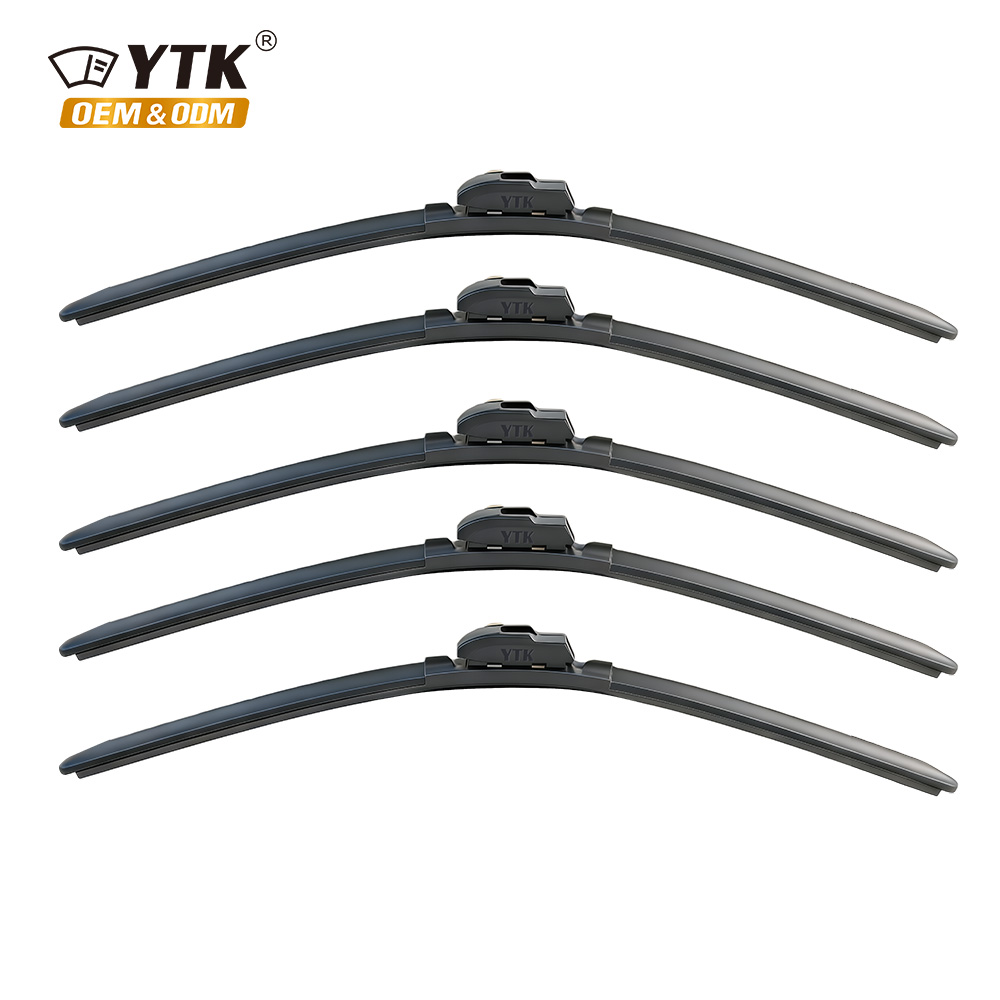
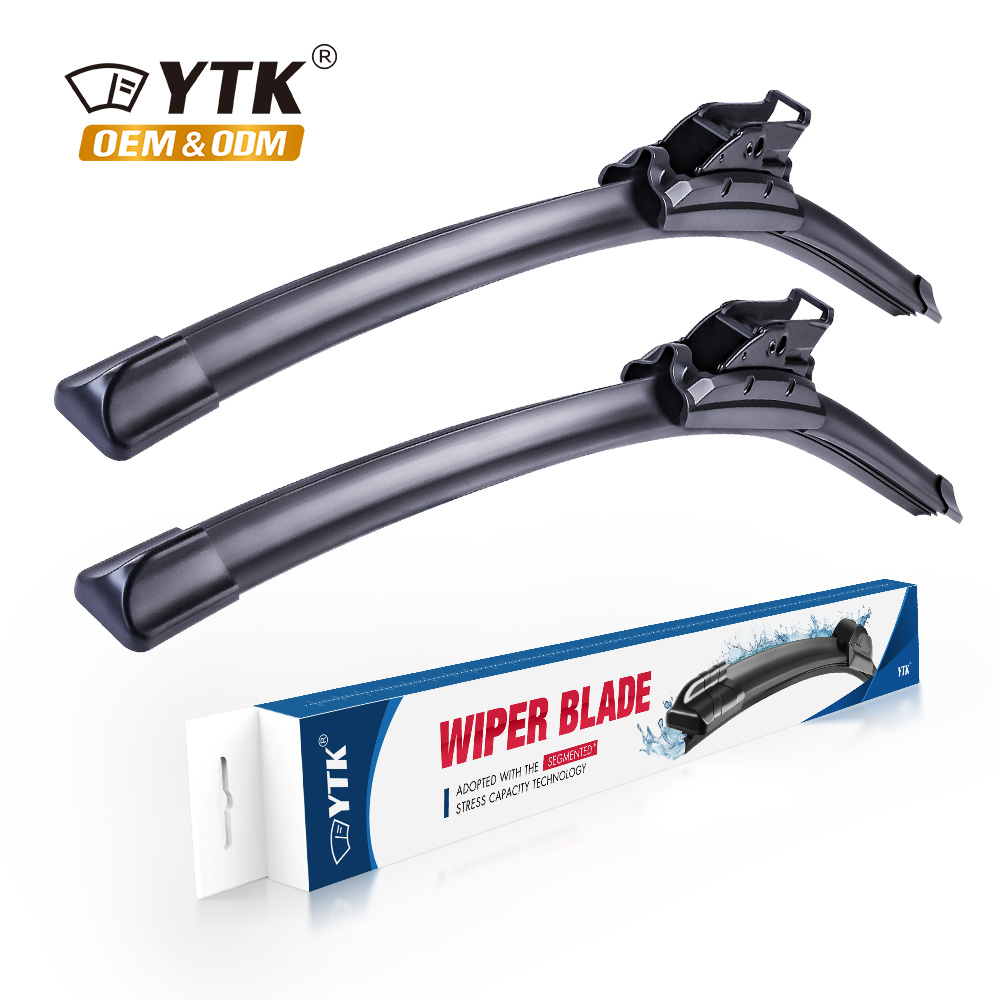
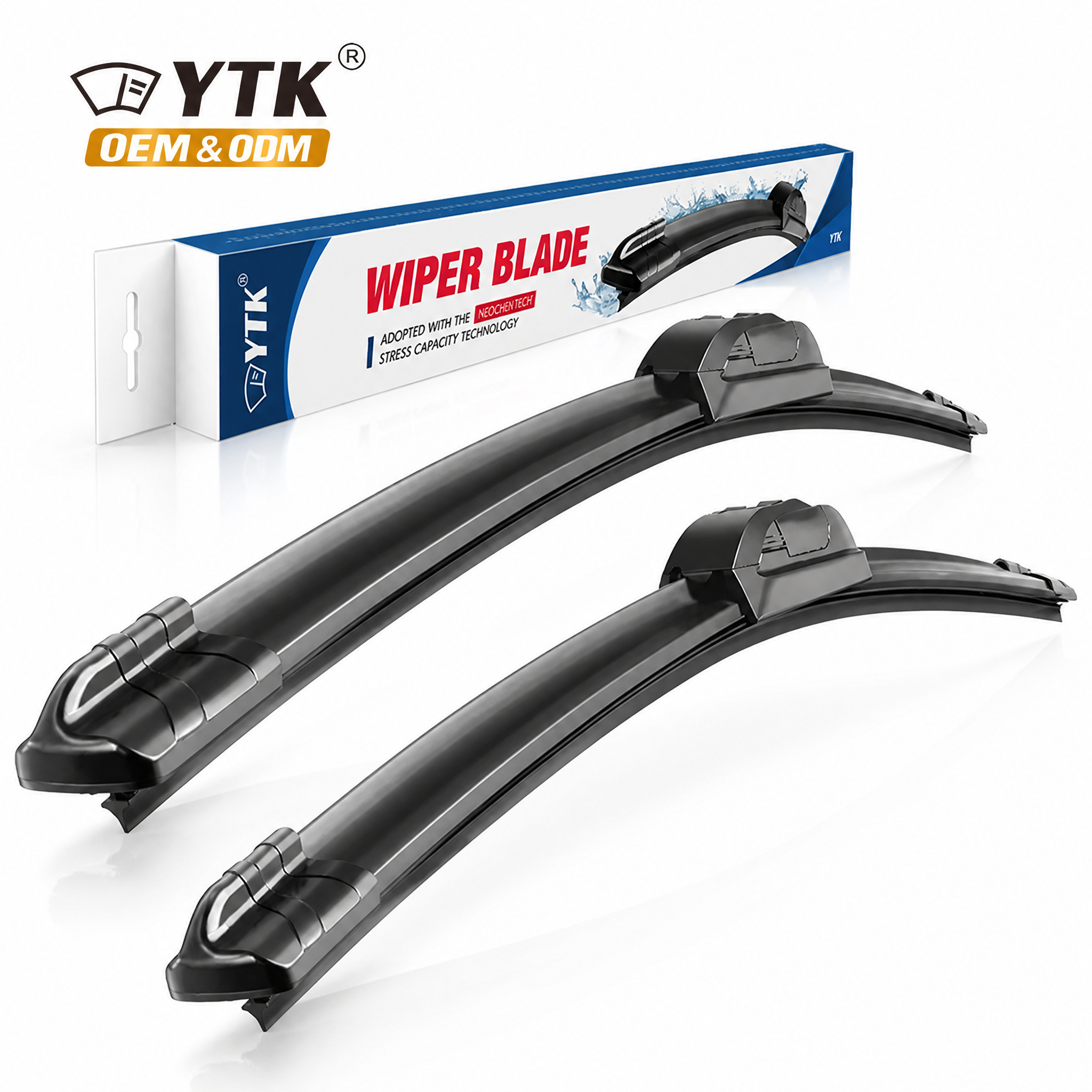
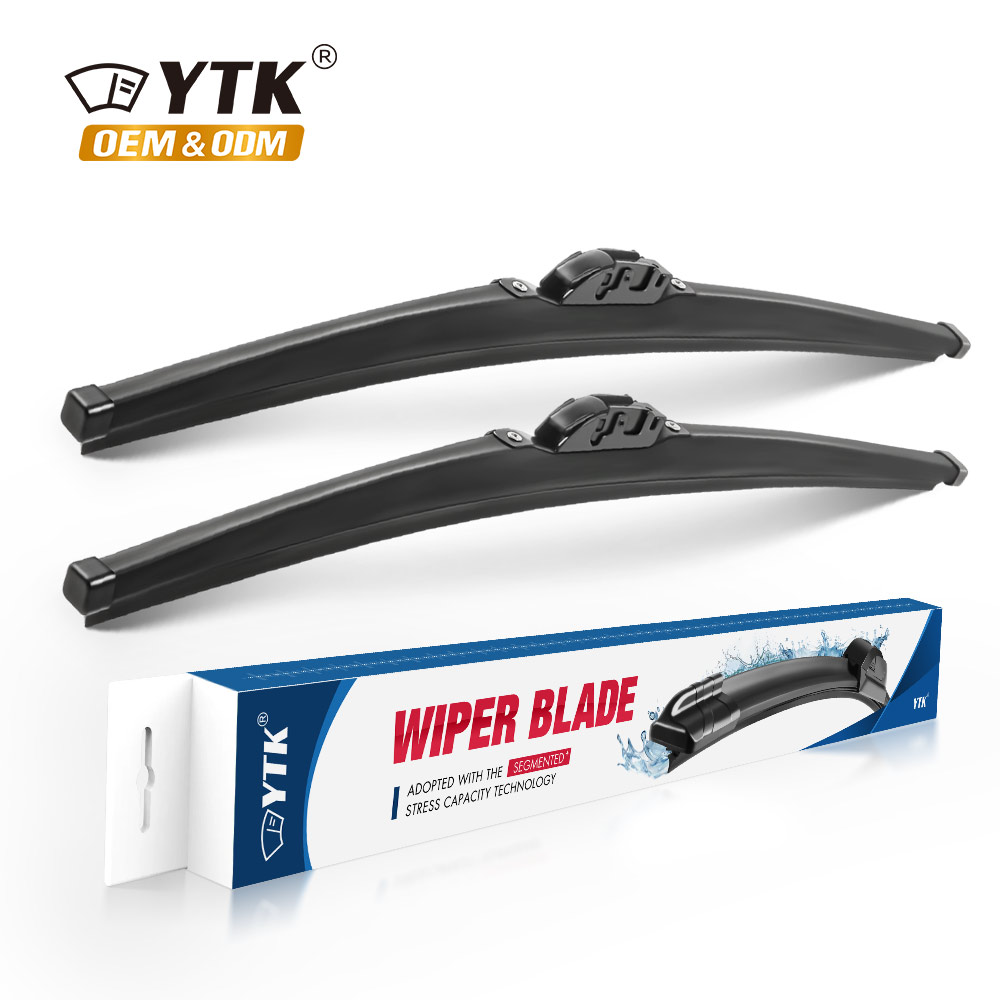
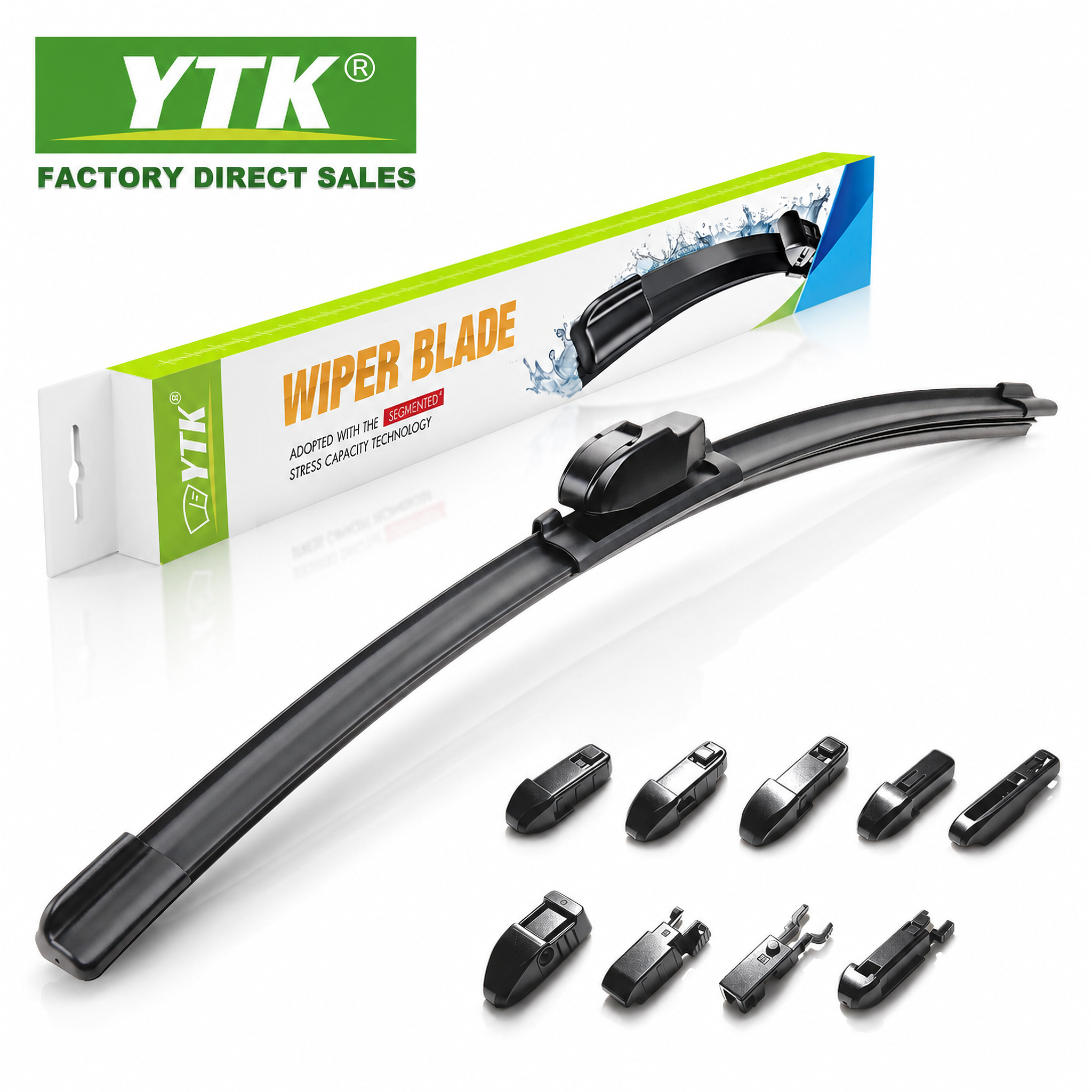
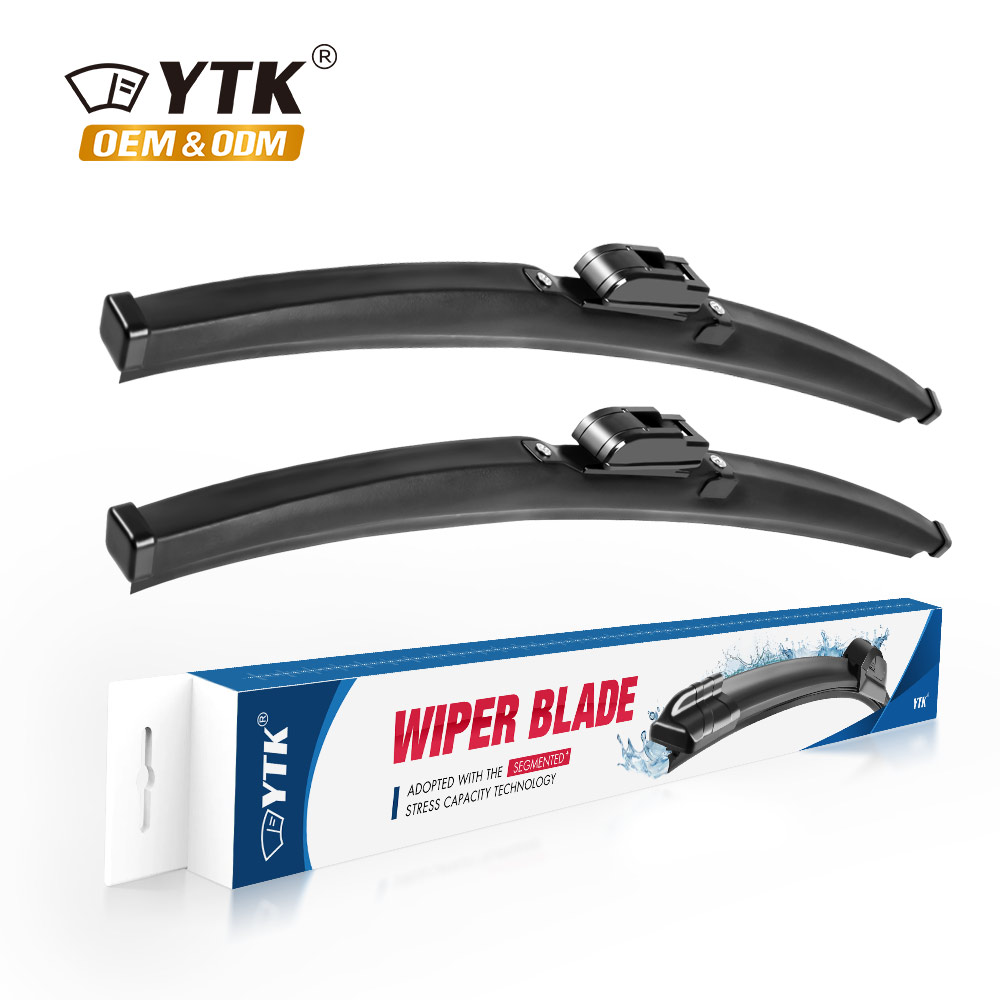
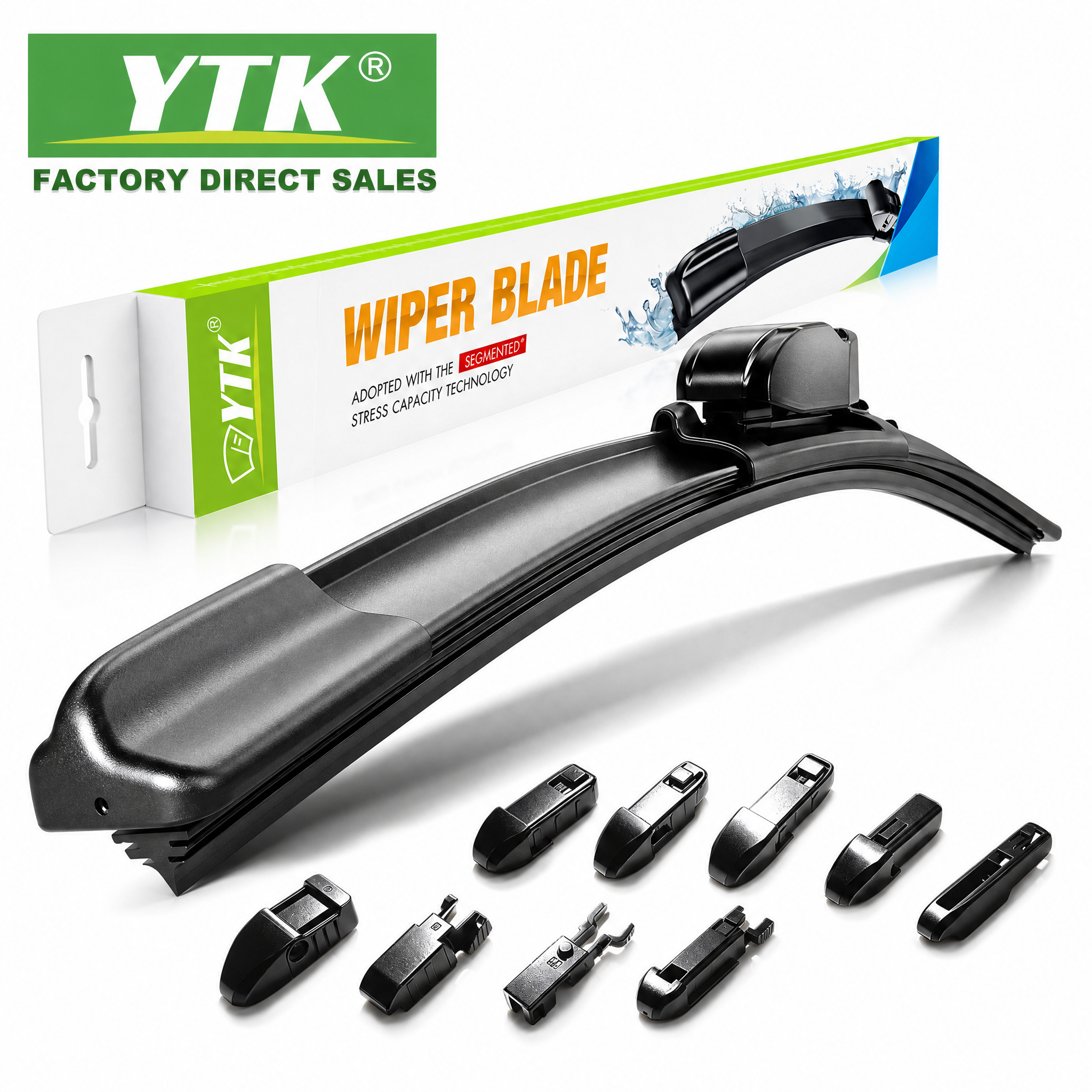
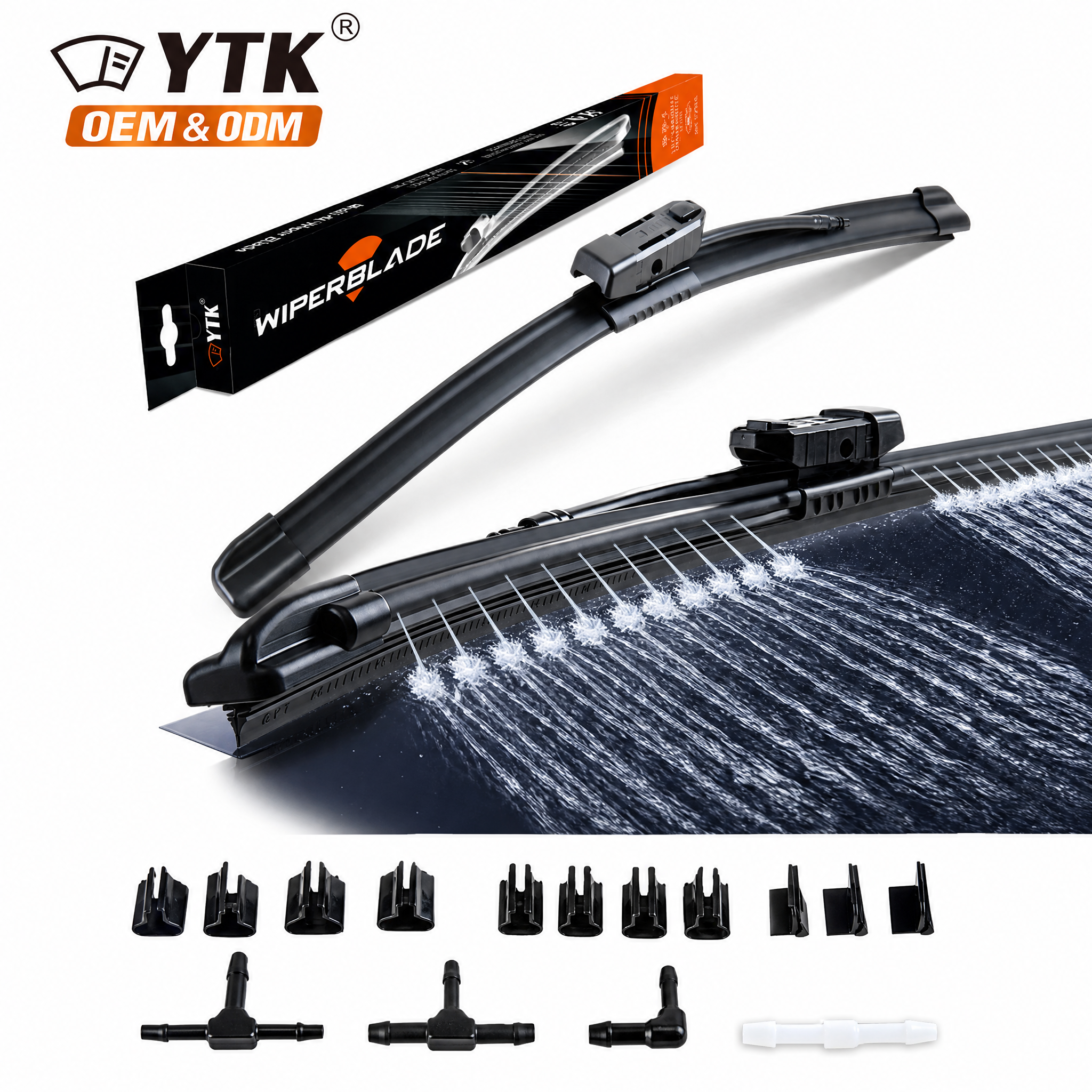
Global fleet distributors are actively bypassing intermediate Western trading houses to partner directly with verified Chinese source manufacturers. Sourcing straight from audited factories capable of manufacturing both chassis silentblocs, torque arm bushes, and related rubber components (such as center support bearings and advanced multi-fit wiper blades) enables distributors to consolidate SKU procurement, streamline container volume utilization, and capture 22–35% gross margin improvements.
3. Zero-Lead & Low-VOC Chemistry
Regulatory scrutiny under European EU REACH and North American EPA guidelines is driving the phased elimination of lead-based vulcanization activators and toxic aromatic solvent bonding primers. Cutting-edge factories now utilize water-based silane adhesive systems and sustainable silica nanofillers. These green chemistries achieve equivalent rubber-metal peel strength while allowing importers to remain fully compliant with incoming environmental border declarations.
Frequently Asked Questions for Chassis Bushing Importers
Clear, technically precise answers addressing metallurgy, quality assurance, tooling lead times, and international commercial terms.
What specific steel alloys and surface finishes are used for your thrust rod bush outer and inner sleeves?
How does your factory ensure zero rubber-to-metal debonding during extreme winter road service?
Can you manufacture custom dimensions according to OE numbers, technical drawings, or worn samples?
What is the minimum order quantity (MOQ) and production lead time for standard export orders?
What quality inspection reports accompany each export shipment?
Which international delivery and payment terms are available for foreign buyers?
Partner with an Audited, Direct Chassis & Auto Parts Manufacturer
Eliminate intermediary markups, stabilize your commercial aftermarket supply chain, and receive direct factory pricing backed by TÜV Rheinland verified manufacturing standards. Contact our international export engineering desk today.
