High-Performance OEM Products & Assemblies
Explore our industrial-grade components, universal wiper architectures, and automotive elastomer assemblies engineered to surpass international OEM benchmarks.
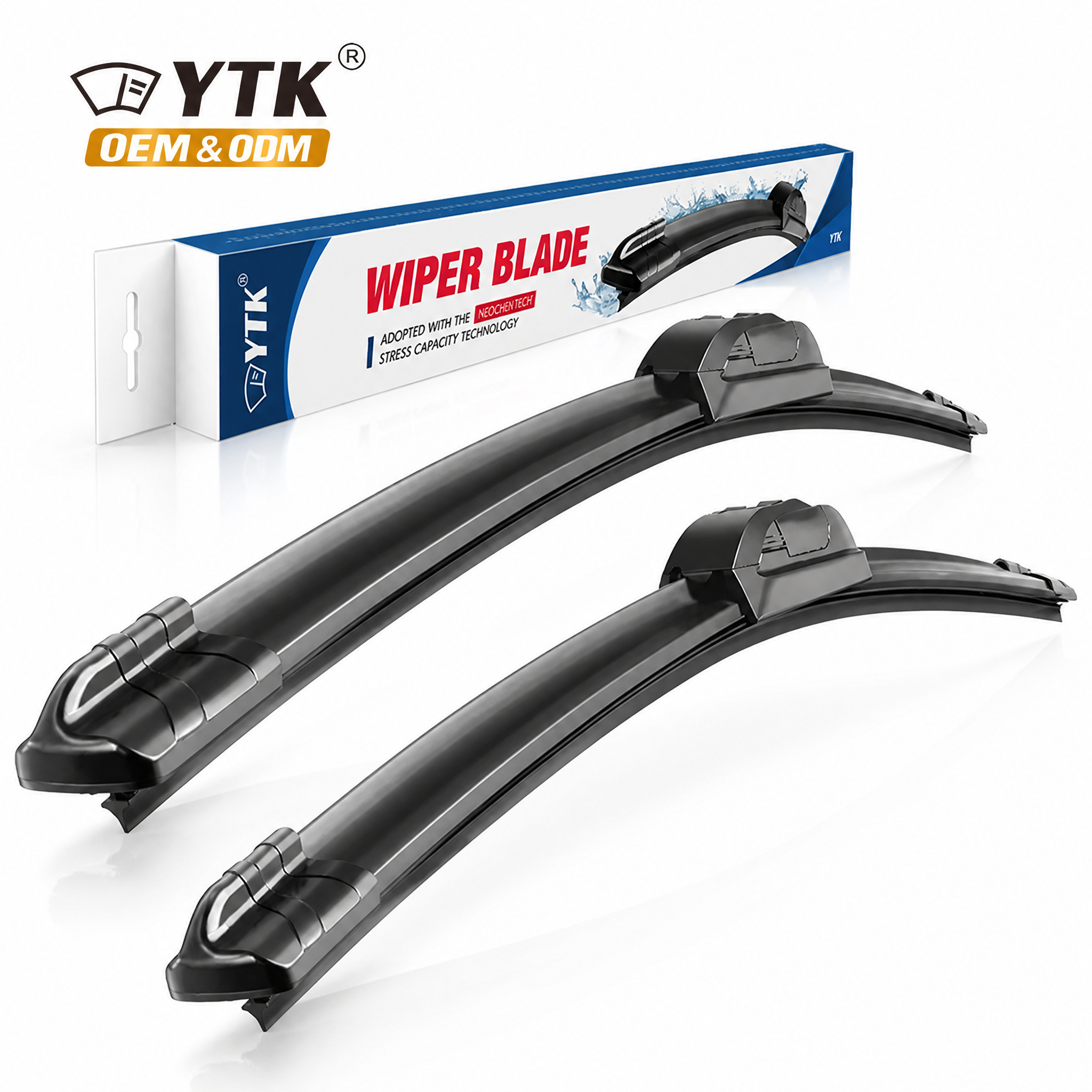
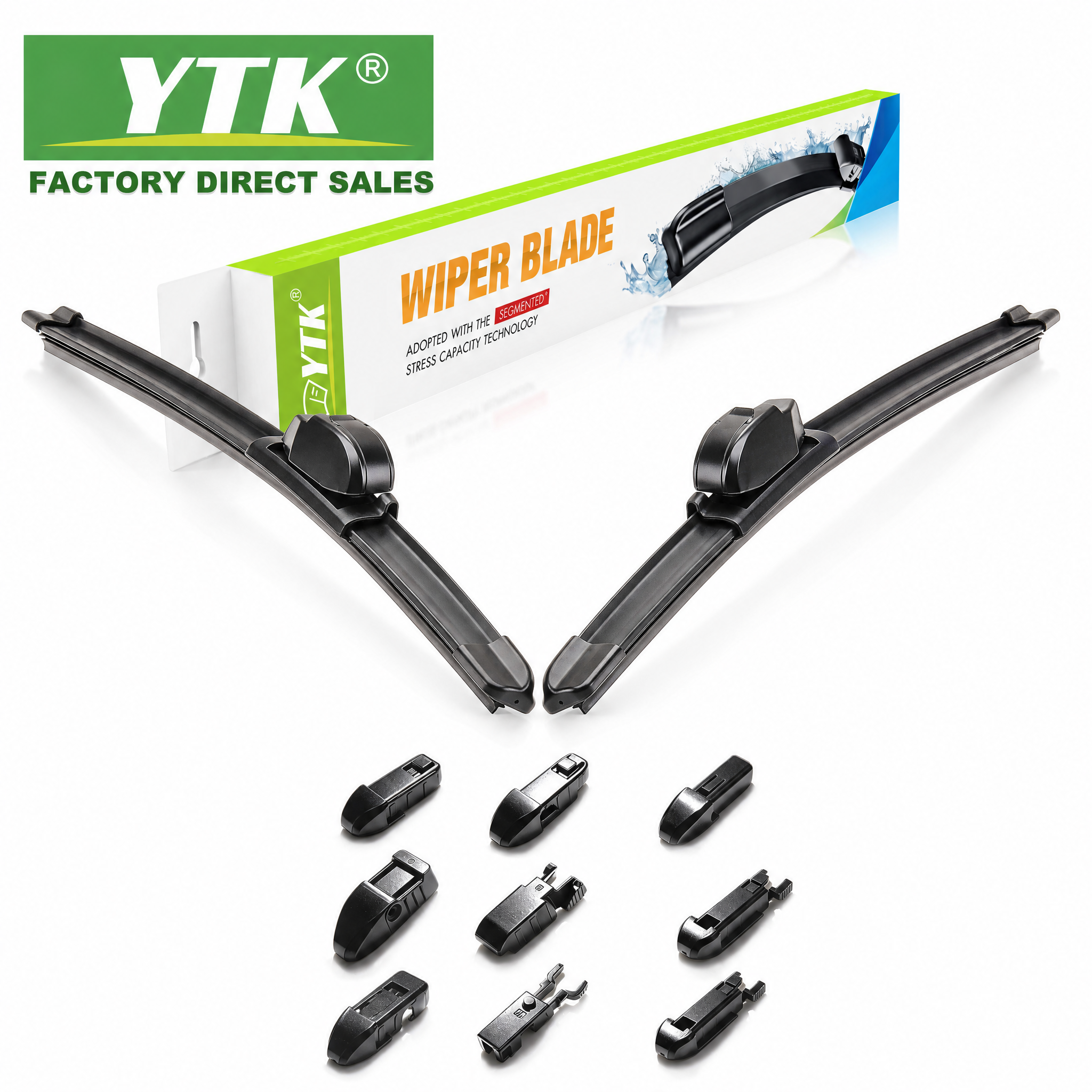
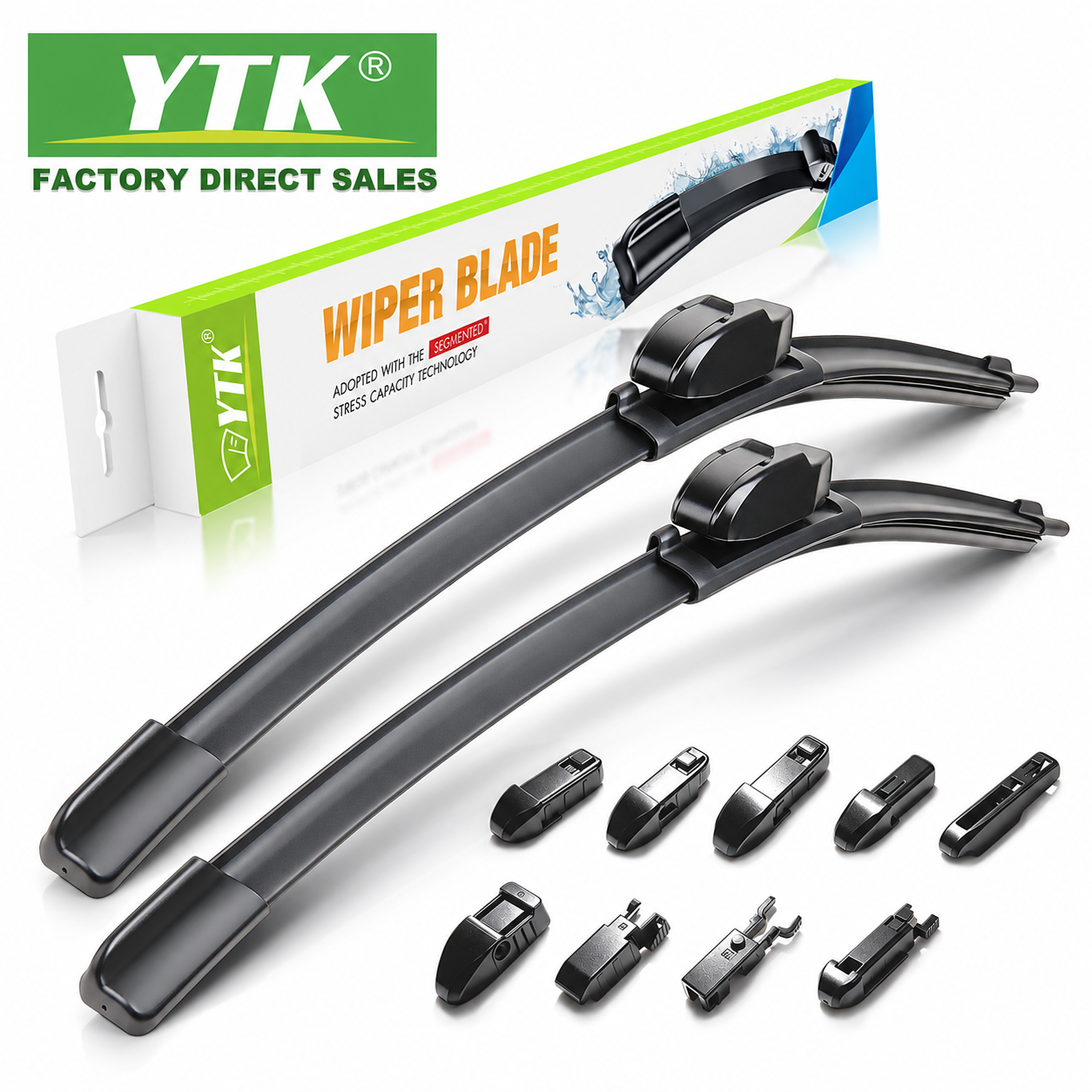
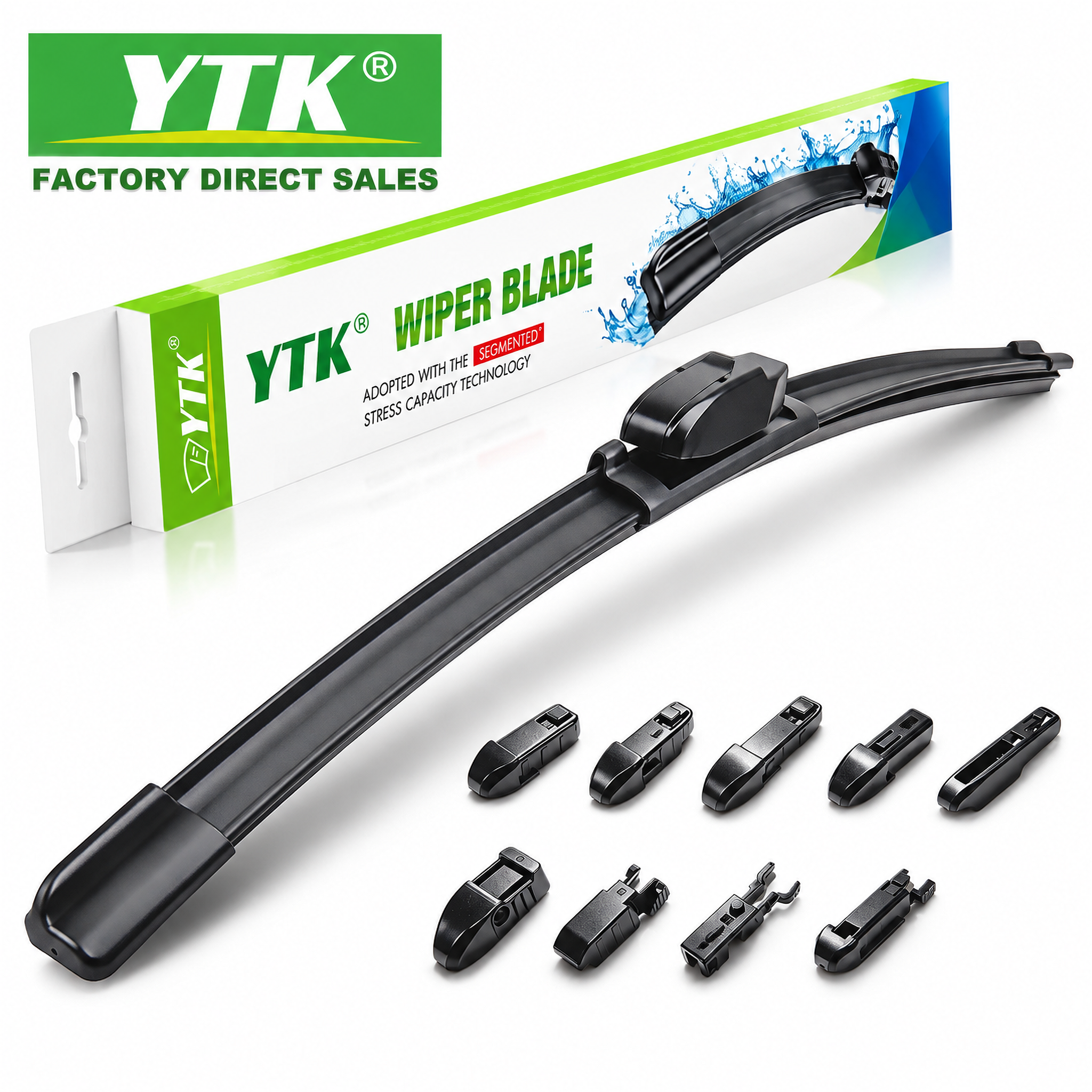
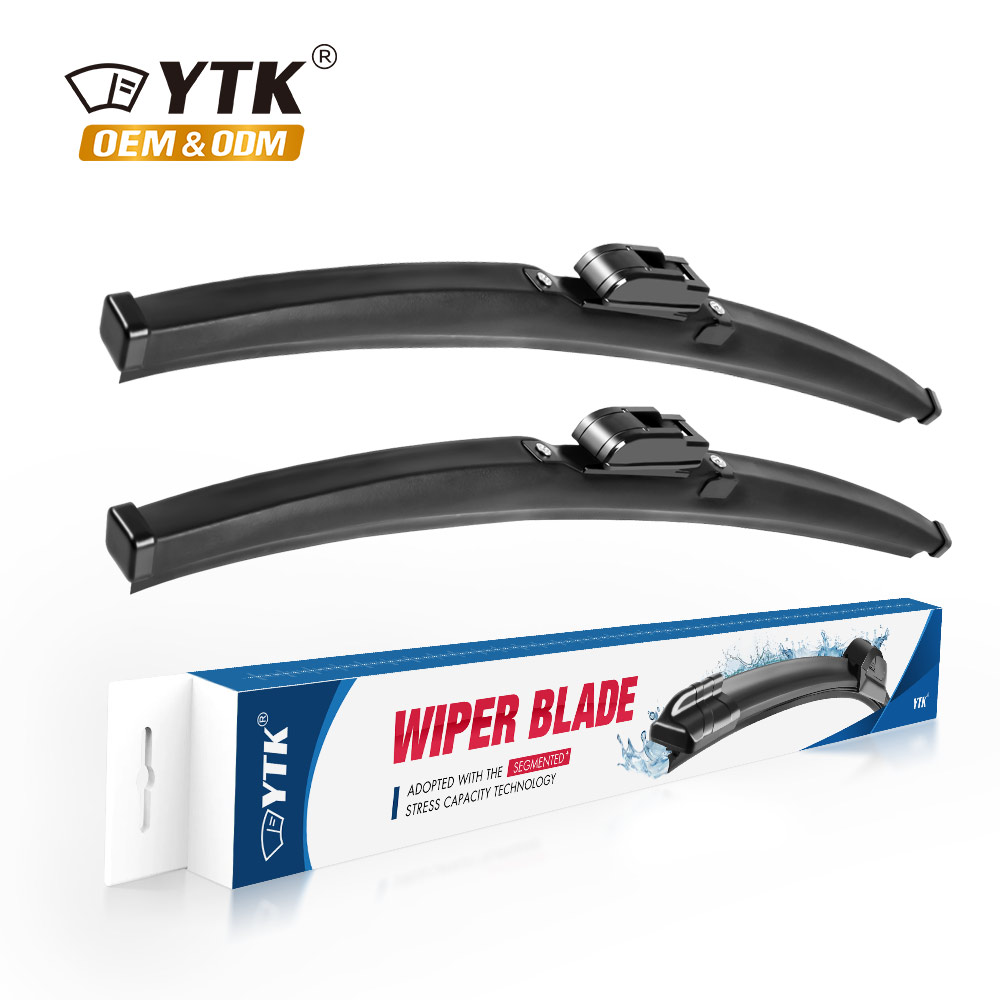
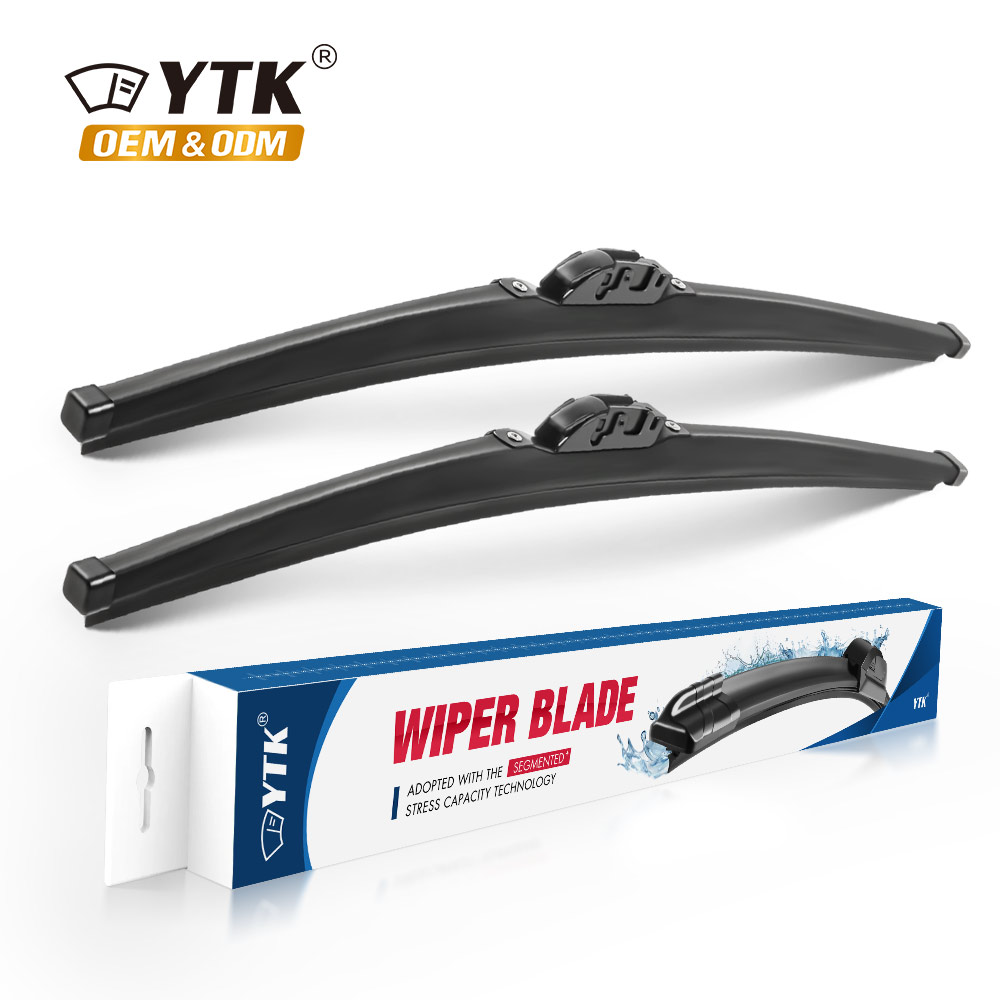
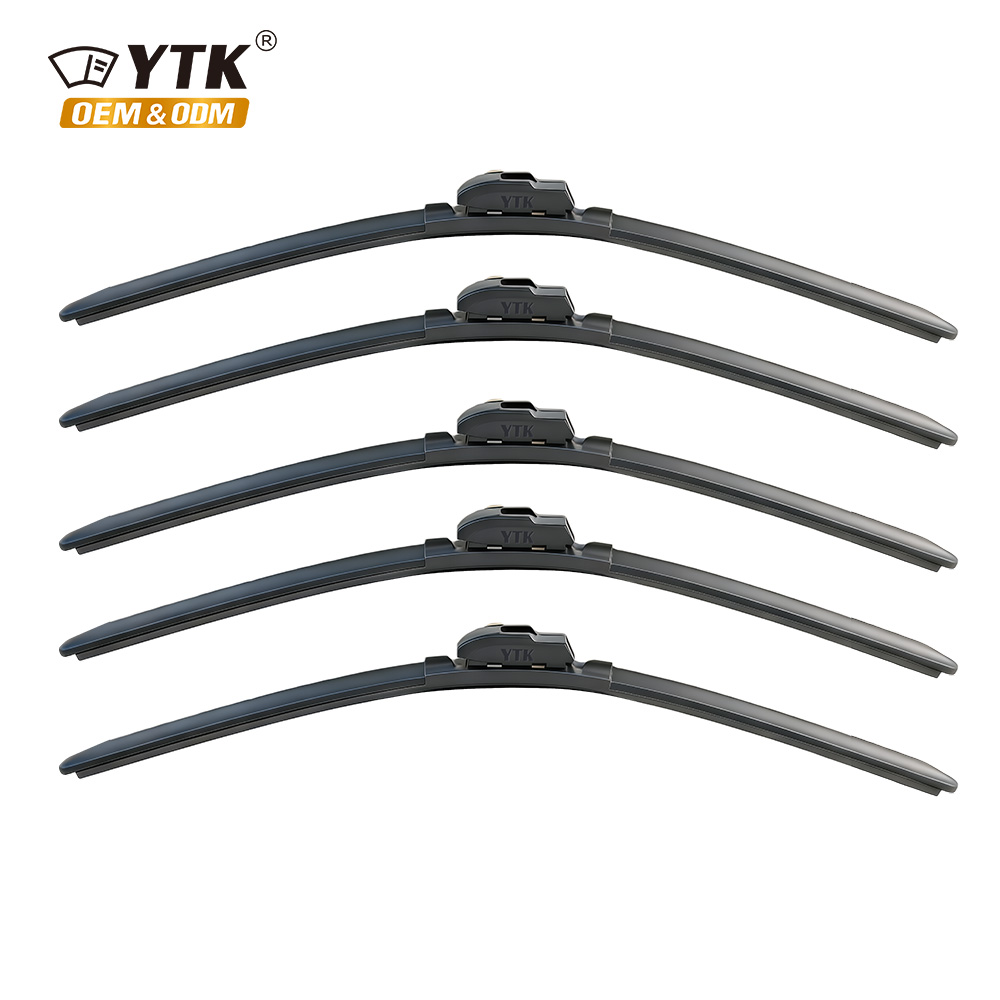
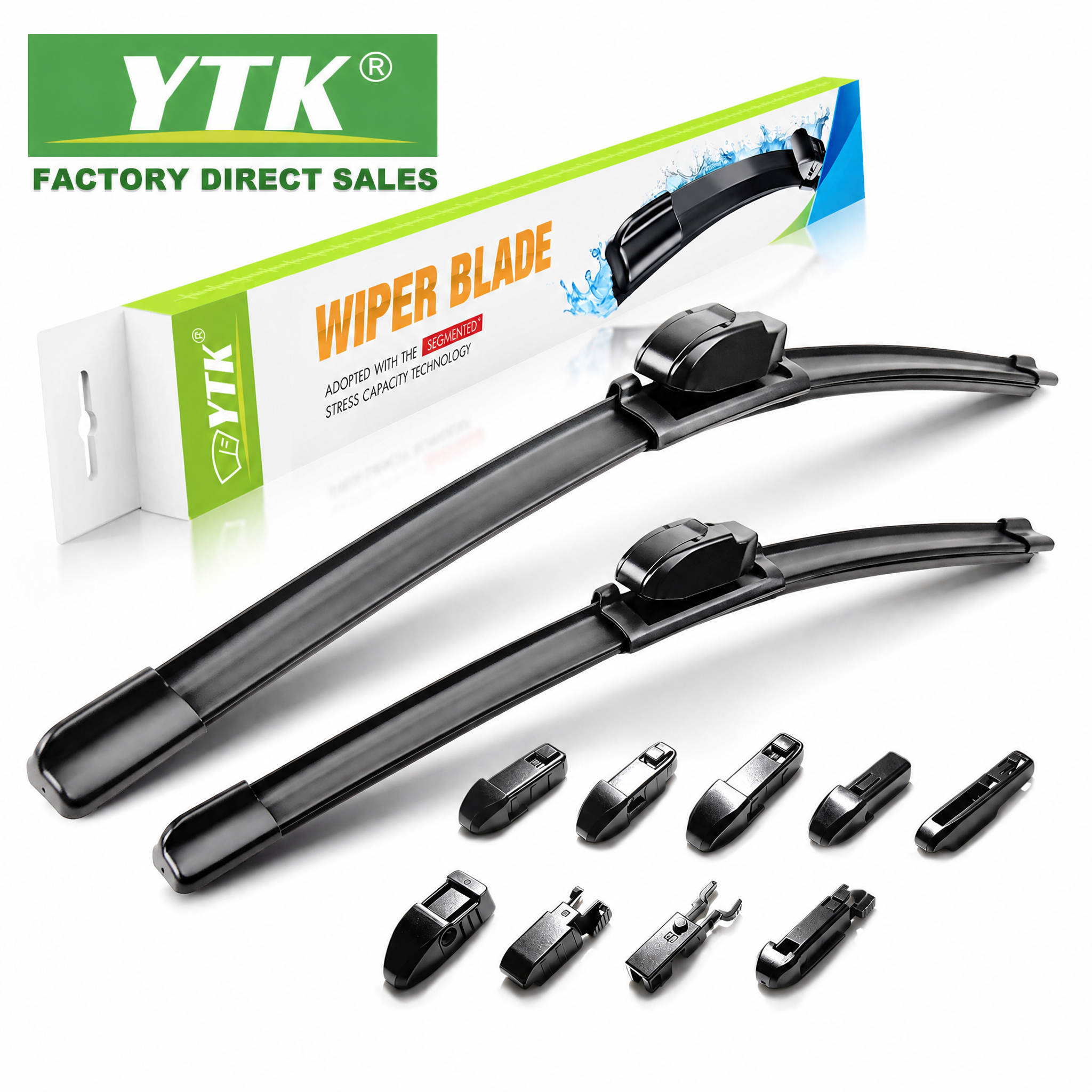
Deep Dive: The Biomechanics and Rheology of Reaction Rod Bushes
In modern commercial vehicle dynamics and heavy-duty chassis architecture, the reaction rod bush (frequently designated as torque rod bushing or radius rod bushing) operates as the primary dampening node for dynamic axle articulation. Reaction rods control axle movement during intense acceleration, sharp braking maneuvers, and multi-axis torsional loading. A catastrophic suspension failure often traces back to elastomer degradation within the torque rod pivot.
Industrial-tier manufacturing relies on molecular vulcanization between high-tensile inner/outer steel sleeves and customized synthetic elastomer compounds (typically polybutadiene-reinforced Natural Rubber or high-durometer EPDM). As an established precision manufacturing house founded in 1997, our facility utilizes automated injection molders that guarantee an absolute bond strength exceeding 12 MPa, preventing premature elastomer-to-metal delamination under extreme shear loads.
| Mechanical Parameter | Conventional Aftermarket Bush | JES Heavy-Duty Reinforced Standard | Validation Test Methodology |
|---|---|---|---|
| Elastomer Base Formulation | Standard Reclaimed Rubber Mix | Virgin NR / Polybutadiene Composite | ASTM D297 Chemical Composition |
| Bonding Shear Resistance | < 6.5 MPa | ≥ 13.8 MPa | ISO 813 / ASTM D429 Method B |
| Torsional Angle Capacity | ±12° Dynamic | ±22° Continuous Articulation | Multi-Axis Dynamic Fatigue Rig |
| Operational Thermal Window | -20°C to +75°C | -45°C to +125°C | Thermal Cycle Chamber (48 hrs) |
| Fatigue Life (Cycles to Fail) | < 250,000 Cycles | ≥ 1,000,000 Cycles (Zero Cracking) | SAE J1183 Dynamic Durability Standard |
Future Procurement Trends in Reaction Rod Bushes (2026–2030)
Strategic buyers in Tier-1 supply chains, global distribution networks, and fleet overhaul centers are shifting their evaluation matrices away from superficial purchase price per unit toward Total Cost of Reliability (TCR). The heavy commercial vehicle market is undergoing foundational shifts driven by electrification, rigorous emissions mandates, and smart logistics:
1. Electric Commercial Vehicles (e-HCV)
Electric trucks deliver instantaneous peak torque from zero RPM, generating severe instantaneous torsional shock onto the reaction rod assembly. Procurement requirements now dictate higher static durometer ratings (75–85 Shore A) without sacrificing low-temperature elasticity.
2. Decarbonized Circular Supply Chains
Global wholesalers face mounting pressure to verify the carbon footprint of their suppliers. Emerging sourcing programs favor manufacturers who utilize energy-efficient vulcanization lines, non-toxic silane bonding primers, and closed-loop scrap recycling systems.
3. Extended Maintenance Intervals
Logistics operators demand 500,000 km zero-maintenance warranty thresholds. Sourcing officers are replacing conventional mechanical-press slip bushes with bonded spherical silent-bloc configurations that resist aggressive road salt, hydraulic oils, and ozone contamination.
Technological Innovations Transforming Automotive Elastomers
From our state-of-the-art facility in Taojiatun Industrial Park, Xingtai, Hebei, our engineering division pioneers continuous innovations in rubber chemistry and suspension biomechanics:
Nanocomposite Matrix Reinforcement: Integrating functionalized carbon nanotubes (CNTs) and precipitated silica within the raw rubber compound drastically reduces internal hysteresis heat build-up. In high-cycle highway operation, interior heat generation within traditional bushes causes internal thermo-oxidative breakdown; our advanced formulations limit core temperature elevations to under 15°C above ambient.
Zinc-Nickel Anti-Corrosive Outer Sleeves: While conventional aftermarket bushes rely on inexpensive phosphating or black oxide finishes, next-generation reaction rod bushes leverage trivalent passivation with Zn-Ni electroplating. This protects structural steel housings beyond 1,000 hours of neutral salt spray exposure (ASTM B117), preventing pitting corrosion that propagates fatigue fractures.
Enterprise Strengths & Global Manufacturing Capabilities
Combining 25+ years of production excellence with rigorous quality assurance verified by international inspection bodies.
TÜV Rheinland Verified Production
Our expansive 30,000 m² factory campus features on-site assessment and validation by TÜV Rheinland. Full transparency across clean workshops, testing labs, and certified batch traceability.
High-Capacity Scalability (10+ Lines)
Running over 10 automated manufacturing lines, our facility outputs over 12 million high-precision units annually, ensuring uninterrupted container-load schedules for bulk global distributors.
Integrated Engineering (Since 1997)
With roots dating back to 1997 producing mission-critical mechanical systems like center support bearings, our engineering team manages in-house mold tooling, finite element analysis (FEA), and rubber extrusion.
Full OEM/ODM Private Label Programs
We tailor solutions from bespoke durometer formulations and structural dimensions to custom branded steel stamping, tailored hang-tab blister cards, or master distributor cartons.
Export Footprint in 60+ Nations
Supplying regional volume leaders across North America, Western Europe, the Middle East, Latin America, and Australasia with turnkey export clearance (FOB, CFR, CIF agreements).
Certified Quality Assurance
Our production protocols align with IATF 16949 automotive standards, supported by full in-house rheology labs, durometer testing, dynamic torsional fatigue machines, and tensile pulling equipment.
Frequently Asked Questions by Sourcing Directors
Direct technical and commercial clarifications to support your import evaluations and volume RFP requirements.
What specific materials are utilized to prevent delamination between metal and rubber?
What is your Minimum Order Quantity (MOQ) for custom private label reaction rod bushes?
Can your production team formulate bushes suited for sub-zero mining or extreme desert operations?
How do you verify batch-to-batch quality consistency across high-volume container shipments?
What trade delivery terms and settlement options do you support?
Ready to Optimize Your Suspension & Wiper Supply Chain?
Contact our engineering sales department today for detailed product specifications, custom OEM cad drawings, or competitive container-load wholesale quotations.
