Precision Engineered Assemblies & Component Lines
Direct OEM factory catalogue supporting global distributors, fleet contractors, and supply chain consolidators. All items manufactured under strict statistical process control.
Heavy-Duty Kinematics: The Role of Torque Arm Bushings in Commercial Fleets
An authoritative engineering breakdown of elastomer-to-metal bonding, torsional spring rates, multi-axial strain dissipation, and fatigue thresholds under extreme operating duty cycles.
In modern heavy-duty commercial transport—spanning class 7–8 long-haul prime movers, severe-duty construction dumpers, intercity transit buses, and heavy-payload multi-axle trailers—the torque rod (or torque arm) forms the structural backbone of the rear tandem and bogie suspension geometries. Whether configured in V-stay links, longitudinal radius rods, or transverse Panhard rods, the operational duty of the torque arm is singular yet mechanically brutal: it must absorb aggressive axle acceleration and braking reactions, counteract high lateral cornering forces, and sustain continuous axle roll oscillations, all while isolating structural vibrations from the vehicle chassis.
At the center of this biomechanical system sits the torque arm bushing. Often perceived merely as an elastomeric isolator, this component is in reality a high-precision, multi-axial flexible pivot bearing. Under cyclic operational loads exceeding 150 kN during emergency braking or rapid traction transfer, an inferior bushing suffers premature internal cavitation, chemical debonding along the metal-elastomer interface, or uncontrolled angular deflection. These mechanical failures directly precipitate tandem axle misalignment, accelerated steering wander, irregular drive tire shoulder wear (feathering), and severe fatigue cracking throughout chassis crossmembers.
As a leading Chinese manufacturer and global wholesaler rooted in Xingtai JES Auto Parts' 25+ years of rubber-to-metal vulcanization, polymer chemical synthesis, and precision metal stamping expertise, our manufacturing doctrine bridges aerospace-grade finite element analysis (FEA) with high-throughput industrial automated production. By formulating high-grade virgin NR/BR elastomer matrices and coupling them to high-tensile phosphate-treated inner pins and outer sleeves via tri-layer silane bonding agents, our torque arm bushings systematically eliminate the structural vulnerabilities that plague generic aftermarket offerings.
Recommended Torque Arm Bushing Configurations
Engineered for European, American, and Asian commercial vehicle chassis architectures, tailored to specific load ratings and articulation envelopes.
Cylindrical Solid-Bonded Bushings
Engineered for longitudinal radius torque arms on heavy prime movers (Mercedes Actros, MAN TGX, Scania, Volvo FH). Features high radial stiffness to eliminate axle tramp during sudden braking, while permitting up to ±8° of conical articulation without localized elastomer shear rupture.
Tapered & Split-Core (Straddle) Bushings
Designed specifically for Hendrickson, Freightliner, Mack, and Kenworth walking-beam and air-ride tandem suspensions. The dual-taper geometry pre-stresses the elastomer during press-fitting, generating an optimized compressive preload state that prevents tensile cracking under maximum torsional twist.
Molecular Ball-Joint Style (V-Stay) Bushings
Combining an internal induction-hardened spherical pin enveloped by self-lubricating, high-density polymer liners or vulcanized synthetic elastomer cushions. Ideal for central V-links controlling lateral yaw displacement and roll-steer under rugged off-road mining and aggregate conditions.
| Bushing Variant | Structural Architecture | Radial Load (kN) | Max Angular Deflection | Operating Temp Range | Primary OE/Fleet Target |
|---|---|---|---|---|---|
| Heavy Duty Type A (Solid Rubber-to-Metal) | Phosphate Seamless Steel Tube + High Tensile Natural Rubber | 120 – 180 kN | ±7.5° Torsional | -45°C to +110°C | European Tandem Axles (Volvo, DAF, Iveco) |
| Severe-Duty Type B (Pre-Compressed Taper) | Split Cast Ductile Iron / Forged Pin + Polychloroprene Core | 150 – 240 kN | ±12° Conical | -40°C to +125°C | North American Walking Beam (Hendrickson, Neway) |
| Eco-Damping Type C (Microcellular Polyurethane) | Engineered MCU Elastomer + Cold-Extruded Alloy Core | 80 – 130 kN | ±6.0° Multi-Axial | -35°C to +90°C | Battery Electric Trucks & Urban Transit Buses |
| Mining Spec Type D (Spherical Bonded Pivot) | Induction Hardened Pin (42CrMo) + Vulcanized NR Composite | 200 – 320 kN | ±15° Universal | -50°C to +130°C | Heavy Dumpers, SANY, Sinotruk, Shacman, Terex |
Future Procurement Trends & Bushing Engineering Evolutions
How global environmental compliance, fleet electrification, and digital traceability are transforming the global wholesale procurement landscape through 2026–2030.
Electric Vehicle (BEV) Mass & Instant Torque Challenges
The rapid transition toward battery-electric heavy trucks introduces unprecedented operational dynamics. Battery packs increase tare weight, elevating static radial loads on suspension pivots by 15% to 25%. Concurrently, electric traction motors deliver maximum torque from 0 RPM, subjecting torque arm bushings to instantaneous peak shear forces rather than progressive ICE torque ramps. Procuring teams in 2026 and beyond must prioritize bushings with higher dynamic shear moduli and specialized anti-relaxation rubber polymers to prevent accelerated settling and premature suspension drift.
Stringent REACH / RoHS & Eco-Vulcanization Standards
Global supply chains are tightening restrictions on aromatic oils, heavy-metal vulcanization accelerators, and short-chain chlorinated paraffins within rubber compounds. Leading importers in Western Europe and North America now demand full material compliance disclosures under IMDS (International Material Data System). Forward-thinking China manufacturers are utilizing eco-friendly silane coupling agents, zinc oxide reduction catalysts, and biosourced curing activators, ensuring environmental compliance without sacrificing tear strength or aging resistance.
OEM-Grade Consolidations & Vendor Rationalization
Wholesale distributors and aftermarket brands are moving away from fragmented, multi-vendor sourcing. Instead of contracting separate suppliers for wiper systems, center support bearings, torque rod links, and cabin bushings, tier-1 procurement managers seek unified manufacturing hubs. Xingtai JES Auto Parts provides this consolidation advantage: vertically integrated metal stamping, cold forming, automated CNC machining, proprietary rubber compounding, and full assembly lines under a single audited roof.
Predictive Maintenance & Condition Monitoring Integration
As telematics and IoT fleet management systems proliferate, suspension health is increasingly tracked via acoustic emission sensors and 3-axis chassis accelerometers. Abnormal bushing displacement or degraded damping profiles are flagged immediately. Importers require torque arm bushings with consistent, repeatable batch-to-batch dynamic spring rates, allowing predictive maintenance algorithms to accurately forecast replacement intervals without false warning triggers.
Why Global Importers Partner with Our Xingtai Manufacturing Base
Two and a half decades of automotive engineering excellence, vertically integrated Hebei manufacturing plants, and verified global trade compliance.
TÜV Rheinland Assessed & CE Certified
Our manufacturing facilities in Taojiatun Industrial Park, Xingtai, and Nangong City have passed extensive on-site supplier verification by TÜV Rheinland. We operate according to rigorous IATF 16949 quality management practices, maintaining end-to-end traceability from raw rubber bales to final packaged container loads.
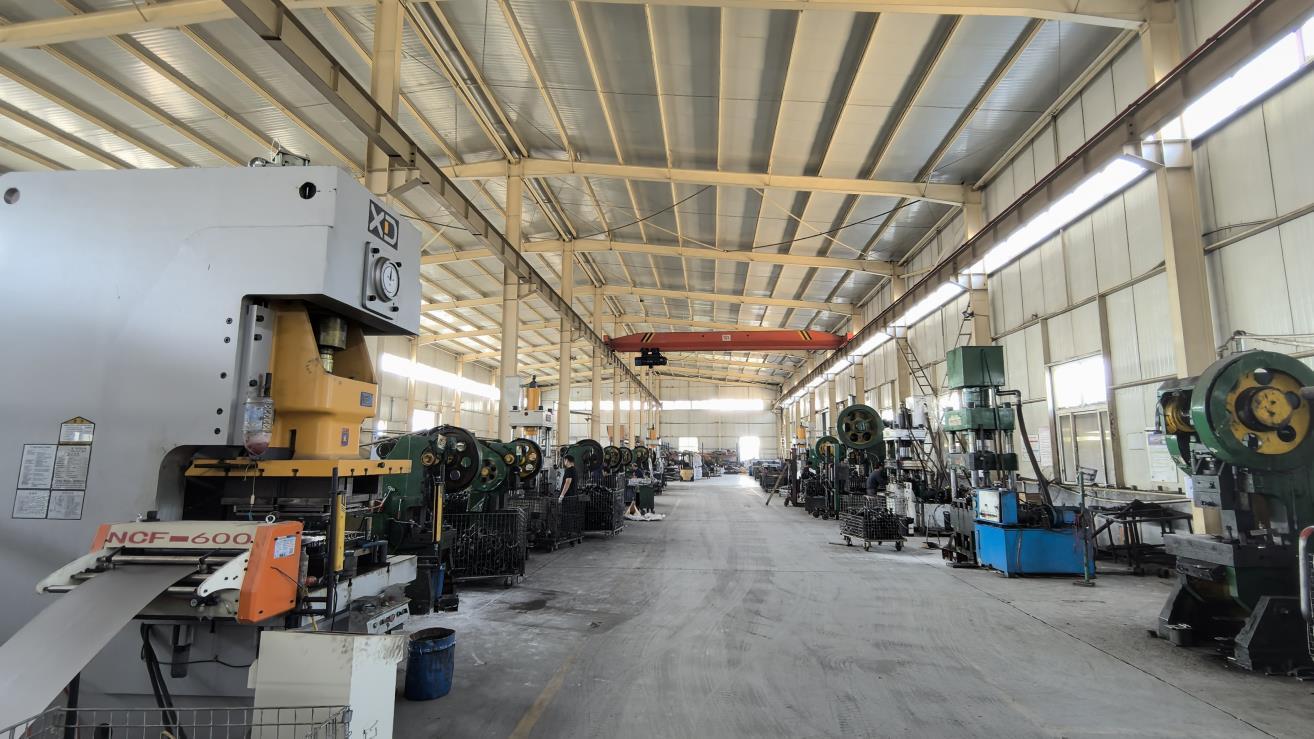
30,000m² Plant with 10+ Production Lines
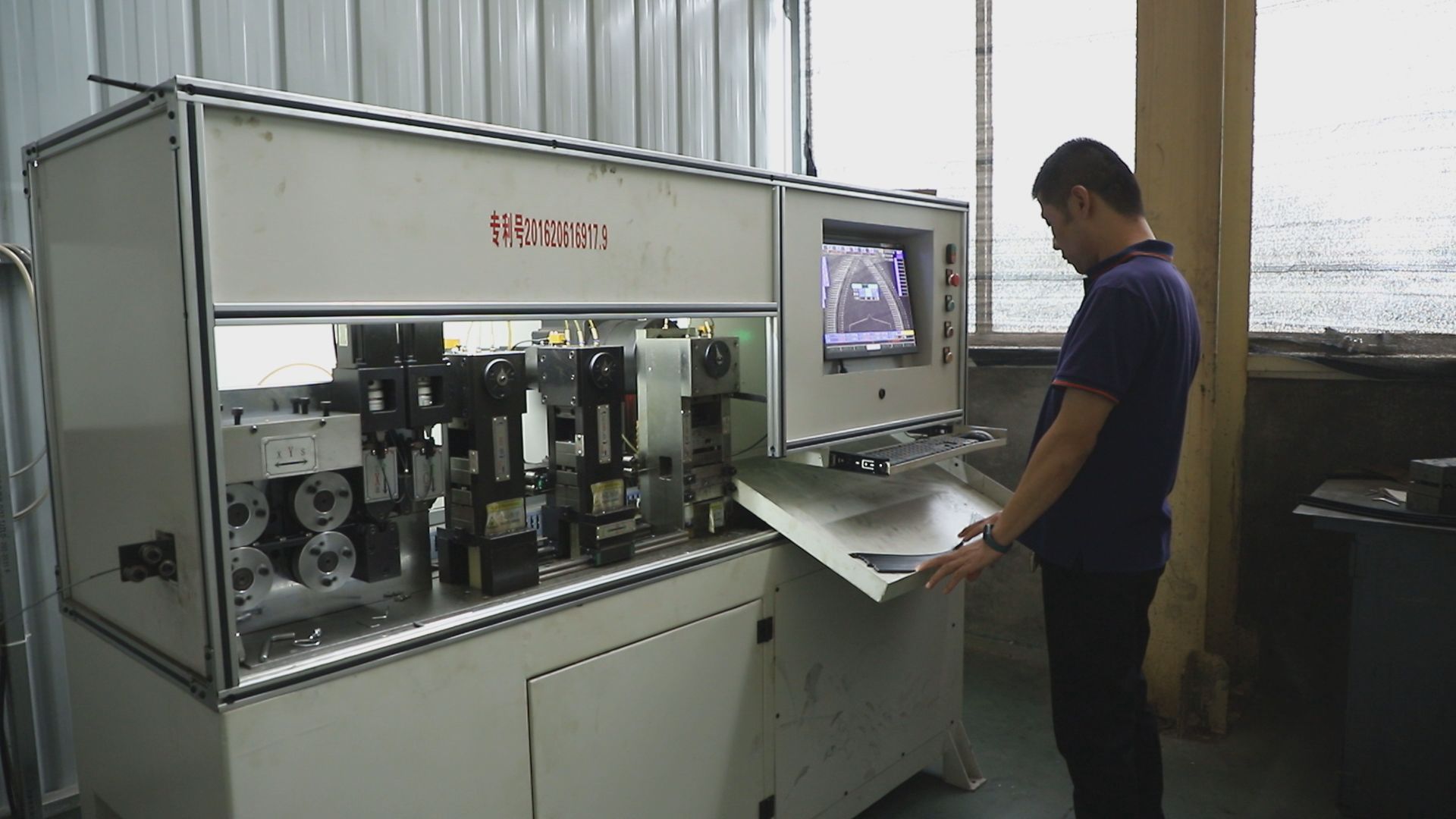
Our facility houses internal Banbury internal mixers, automated multi-cavity vacuum compression molding presses, continuous nitrogen-shielded heat treatment furnaces, and robotic metal phosphate coating lines. This capital-intensive setup yields over 12 million precision automotive components annually.
Verified Export Network in 60+ Countries
Since launching our dedicated export operations, we have maintained long-term contract supply agreements across North America, Western Europe, Northern Europe, Southeast Asia, Australia, and South America. We handle multi-currency settlements, FOB, CFR, CIF logistics, and comprehensive private-label box/blister retail packaging.
Frequently Asked Questions for B2B Importers
Detailed answers concerning minimum order quantities, rubber chemistry, cross-referencing, quality inspection protocols, and private-label container programs.
What is the standard MOQ and sample policy for custom or OEM torque arm bushings?
How do you prevent rubber-to-metal debonding under severe cyclic loads?
What rubber formulations are utilized, and how are ozone/thermal aging managed?
Can you manufacture bushings matched to OEM part numbers (Hendrickson, Volvo, BPW, SAF-Holland)?
How are your manufacturing standards verified by third-party inspection agencies?
What are your international trade terms, logistics capabilities, and payment modes?
Accelerate Your Commercial Suspension Supply Chain
Connect with our technical engineering desk in Xingtai, China. Inquire about wholesale price brackets, customized toolings, container load plans, or order free product samples for laboratory benchmark testing.
