Engineering Taxonomy & Quality Benchmarks for China Leaf Spring Bushings
In automotive and commercial heavy-vehicle chassis engineering, the leaf spring bushing serves as the pivotal dynamic interface between the vehicle's unsprung mass (axles, wheels, brake assemblies) and the sprung structural chassis frame. Subjected to multi-axis mechanical stresses—including torsional oscillation, radial load damping, conical deflections during cornering, and persistent high-frequency road vibrations—the leaf spring bushing governs ride comfort, steering precision, roll stability, and suspension noise, vibration, and harshness (NVH) characteristics.
When global procurement directors and Tier-1 automotive purchasers assess a top China leaf spring bushing factory, the evaluation cannot remain confined to dimensional fitment. Superior performance demands profound metallurgical precision, elastomeric compound integrity, molecular rubber-to-metal bonding resilience, and strict adherence to international automotive standards such as IATF 16949:2016.
Primary Structural Configurations Manufactured in China
China's premier leaf spring bushing manufacturers supply three core architectural variants across commercial trucking, off-highway machinery, pickup trucks, and heavy trailer platforms:
Bi-Metallic / Metal-Encased Silentbloc Bushings
Engineered with concentric inner and outer seamless steel sleeves (typically carbon steel seamless pipe Q235B or 20# cold-drawn precision tubing). The vulcanized elastomeric core is pre-compressed to eliminate axial slip, delivering high radial stiffness for class 6-8 heavy transport trucks and semi-trailers.
Fully Bonded Natural Rubber-to-Metal Bushings
Utilizing advanced Chemlok or Megum silane-based chemical bonding agents applied via automated multi-stage robotic spray systems. The vulcanized bond achieves peel strength ratings exceeding rubber substrate tear limits (>15 N/mm), preventing interface delamination under extreme shock loading.
Formulated for heavy aftermarket suspensions, 4x4 overland modifications, and municipal fleets. Cast polyurethane elastomers (75A to 90A Shore hardness) provide exceptional resistance to grease, petrochemical solvents, and extreme salt spray environments without perishing.
To safeguard structural reliability across millions of dynamic cycles, leading China factories adhere to standardized engineering criteria:
Test Parameter
Standard Testing Methodology
Baseline Target Specification
Engineering Significance
Shore A Hardness
ASTM D2240 / ISO 7619-1
60 ± 5 Shore A (Elastomer)
Balances deflection stiffness and mechanical compliance.
Tensile Strength
ASTM D412 / ISO 37
≥ 18.5 MPa
Prevents premature tensile failure during harsh bump stop hits.
Elongation at Break
ASTM D412 / ISO 37
≥ 450%
Ensures ductile elasticity during extreme angular spring windup.
Rubber-to-Metal Bond Peel
ASTM D429 Method B (90°)
≥ 15.0 N/mm (100% Rubber Tear)
Guarantees zero interface slipping between sleeve and rubber core.
Compression Set (70h @ 70°C)
ASTM D395 Method B
≤ 22%
Precludes permanent chassis sagging and ride-height distortion.
Ozone & Environmental Aging
ASTM D1149 (50 pphm, 40°C, 72h)
No microscopic surface cracking
Guarantees multi-year outdoor resilience under ultraviolet exposure.
Dynamic Fatigue Life
MTS Servo-Hydraulic Dynamic Rig
> 500,000 cycles (±12mm @ 2Hz)
Validates long-term operational durability under continuous haulage.
Future Procurement Trends: Navigating the 2025–2030 Suspension Supply Chain
The global commercial vehicle landscape is experiencing tectonic transitions driven by fleet electrification, carbon neutral compliance, and supply chain digitalization. International procurement teams sourcing leaf spring bushings from China must adapt their vendor scorecards to align with four transformative procurement trends:
1. Commercial EV Payload & Torque Damping
Electric commercial trucks (e-LCVs and heavy electric haulers) impose significantly higher instantaneous wheel torque and carry higher tare weights due to dense traction battery packs. Top Chinese factories are developing reinforced EPDM and synthetic fluoropolymer-blended compounds engineered to resist rapid torque shearing and continuous micro-fretting.
2. Eco-Friendly Vulcanization Chemistry
Driven by European REACH standards and global environmental, social, and governance (ESG) mandates, forward-thinking China suppliers have eliminated nitrosamine-generating secondary accelerators. The transition to low-PAH carbon blacks and bio-based plasticizers reduces carbon footprints while meeting strict EU chemical import barriers.
3. Automated Quality Auditing via Machine Vision
Manual spot checks are rapidly being phased out across Hebei and Zhejiang manufacturing hubs. Automated optical inspection (AOI) sorting machines and laser micrometers inspect 100% of finished bushings for inner/outer diameter concentricity, surface flash defects, and metal burrs, driving PPM defect rates below 50 PPM.
4. Total Consolidative Logistics Strategies
B2B buyers are consolidating chassis elastomer orders with related powertrain and dynamic rubber components—combining center support bearings, suspension bushings, and all-weather rubber wiper blade systems within single consolidated 40HQ ocean containers to optimize container cubic utilization and lower landed unit costs.
Technological Development Trends: Inside Advanced Chinese Production Facilities
Modern manufacturing in China's automotive components sector has evolved far beyond labor-intensive stamping. Today's tier-ranked facilities feature integrated chemistry laboratories, automated phosphating tunnels, and precision multi-cavity injection molding machines. Understanding these technological milestones enables procurement specialists to identify genuine technical leadership:
Corrosion of steel outer sleeves represents the number-one reason for bushing seizing within spring eyes. High-tier China factories employ multi-stage ultrasonic degreasing followed by micro-crystalline zinc-nickel electro-deposition or environmentally compliant manganese phosphating. This generates a microscopic capillary tooth pattern that boosts adhesive mechanical interlock while delivering up to 1,000+ hours of ASTM B117 neutral salt spray resistance without red rust emergence.
2. Vacuum-Assisted Desma Rubber Injection Molding
Eliminating air inclusion and volatile voids within thick-walled leaf spring bushings is vital to dynamic longevity. Advanced workshops deploy multi-station vertical vacuum injection vulcanizing presses. By drawing high vacuum levels (< 10 mbar) prior to elastomer injection, the compound completely fills intricate mold geometries without internal porosity, ensuring homogeneous density throughout the damping cushion.
3. Cold Post-Sizing & Pre-Stressing Calibrations
Following demolding and thermal stabilization, metal-sleeved bushings undergo a post-cure cold swaging (sizing) procedure. By forcing the outer metallic sleeve through calibrated tungsten carbide dies, the rubber core is placed under a state of permanent internal radial compression (typically 15% to 25% pre-strain). This mechanical pre-compression dramatically suppresses tensile fatigue crack propagation, increasing cyclic service life by up to 300% in demanding gravel and haulage environments.
Enterprise Competence & Production Architecture: Xingtai JES Auto Parts
Operating from our comprehensive automotive components manufacturing base in Taojiatun Industrial Park, Xingtai, Hebei, Xingtai JES Auto Parts Manufactuer Co., Ltd. stands as a benchmark of vertically integrated engineering. Founded in 1997, our operation bridges over 25 years of mastery across elastomeric formulations, metal stamping, spring-steel forming, and dynamic NVH chassis solutions.
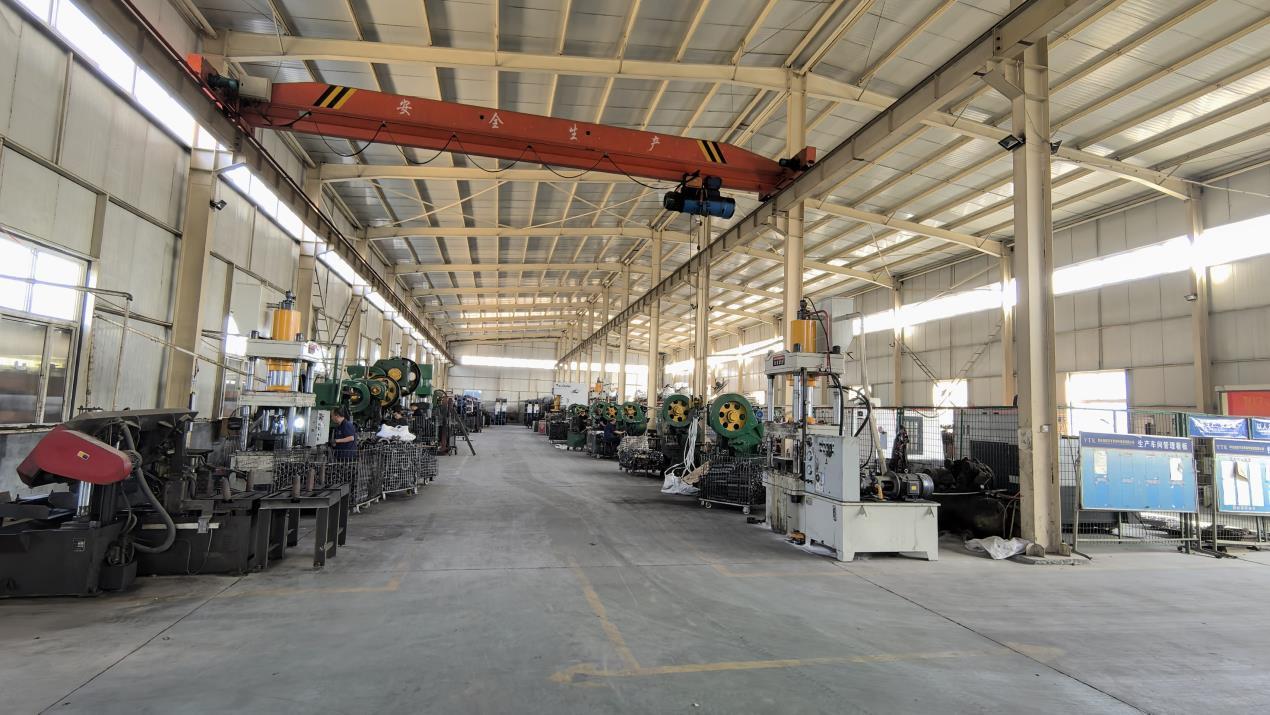
Our 30,000 square meter modernized manufacturing complex houses over 10 automated lines, supporting major distributors, OE brand contractors, and heavy aftermarket chains across North America, Western Europe, Northern Europe, East Asia, and Latin America with an annual output value between US$50M and US$100M.
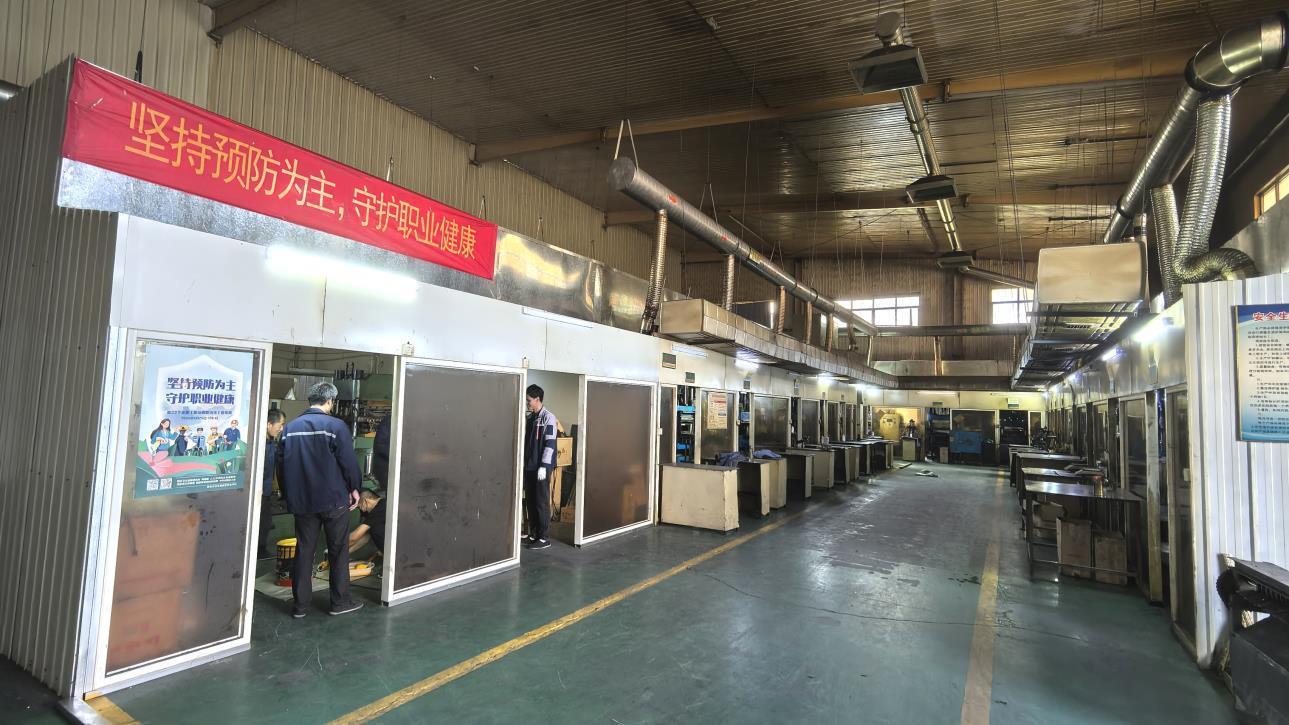
Factory Production Shots & Workshop Verification
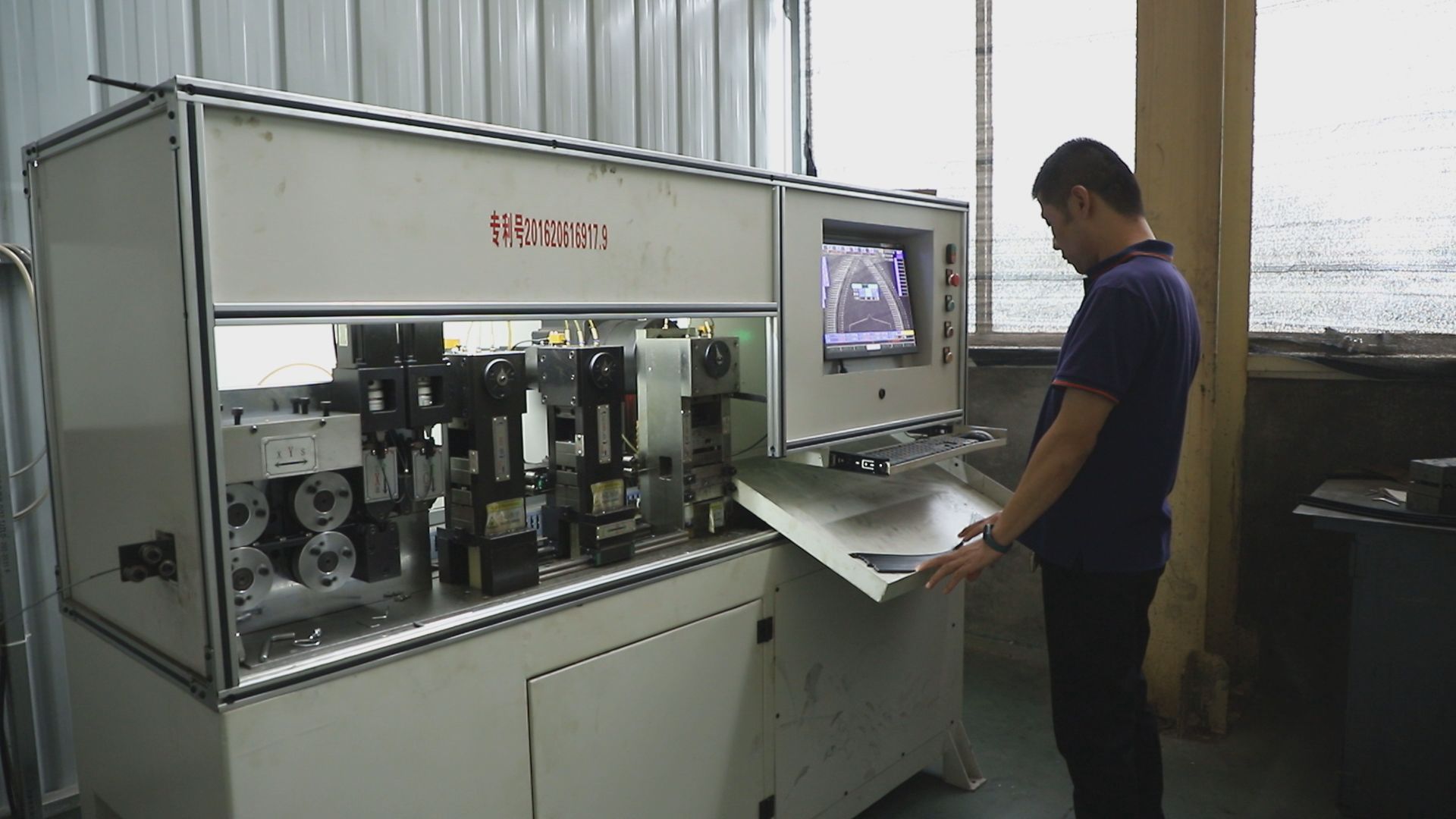
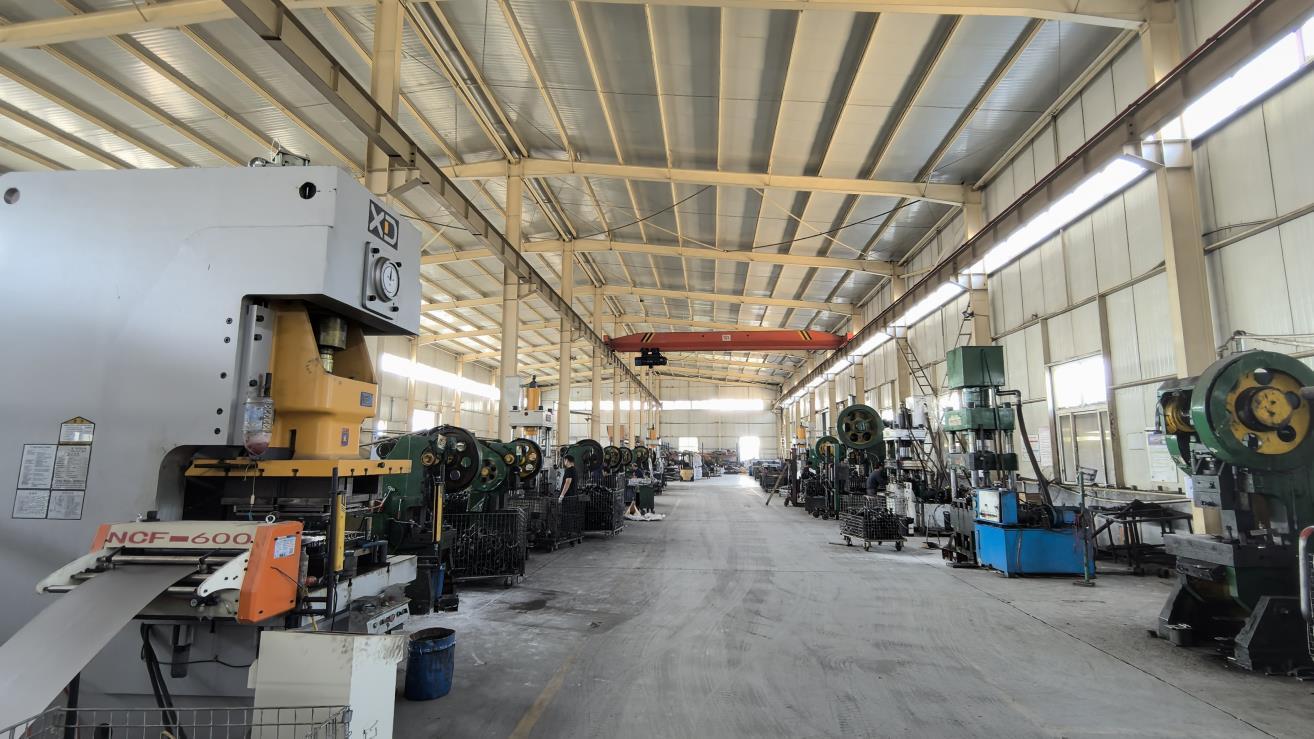
Direct transparency into our facility, certified on-site by TÜV Rheinland:
30,000m² Certified Manufacturing Hub
Precision Workshop & Automated Stamping Lines
Continuous Vulcanization & Forming Stations
In-House QMS Metrology & Deflection Testing
Heavy Duty Palletizing & Warehouse Staging
FOB/CIF Global Export Logistics to 60+ Nations
Independent Material Compounding
Unlike assemblers that buy pre-mixed rubber stock, we operate internal internal banbury mixers and compound testing rheometers. We formulate virgin natural rubber (RSS1 grade), synthetic SBR, and chloroprene rubbers to precise OEM flexural and thermal specifications.
TÜV Rheinland On-Site Certified
Our physical plant, export credentials, worker safety standards, and manufacturing capacities are authenticated via comprehensive on-site inspections conducted by TÜV Rheinland, backed by verified trade documentation and CE certifications.
Full OEM/ODM Private Label Programs
Complete brand development including laser-etched OEM part numbers, custom color injection options, rust-preventative packaging, anti-counterfeit retail packaging boxes, and full barcoded inventory master cartons ready for direct warehouse distribution.
B2B Procurement FAQ: Sourcing Leaf Spring Bushings from China
Crucial technical, operational, and commercial questions answered to de-risk your international supply chain.
What are the critical quality markers to verify when auditing a China leaf spring bushing factory?
+
A comprehensive factory audit should inspect: (1) Raw Material Consistency: Whether virgin rubber polymers or cheap reclaimed crumb rubber are used; (2) Bonding Chemistries: Look for automated grit-blasting stations and temperature-controlled application of silane adhesives (Chemlok); (3) Sizing Verification: Ensure seamless outer steel tubes undergo post-vulcanization cold sizing to pre-compress rubber; and (4) Testing Rig Availability: The facility must possess in-house Shore A durometers, rheometers, tensile test benches, and MTS dynamic cyclic fatigue rigs capable of testing up to 500,000 cycles.
How does Natural Rubber (NR) compare with Polyurethane (PU) in leaf spring bushings?
+
Natural Rubber offers superior micro-vibration damping, dynamic recovery, and NVH absorption, making it the dominant OEM choice for passenger pickups, commercial vans, and long-haul freight trucks where road harshness isolation is critical. Polyurethane excels in extreme off-road, heavy-overload, or mining trailer environments where resistance to oil spillage, road salt, and harsh abrasive grit outweighs pure cabin vibration isolation.
What are the standard Minimum Order Quantities (MOQ) and production lead times?
+
For active tooling configurations with shared steel sleeve dies, standard MOQ starts at 100 to 500 pieces per SKU. For custom dimensional geometry requiring dedicated stamping dies and vulcanization molds, typical initial MOQs are 1,000 to 2,000 pieces. Production lead times average 25 to 35 days for initial container orders, with fast-track 15-day turnaround for repeat standard SKUs.
Can custom dimensional tolerances and private-label packaging be accommodated?
+
Yes. Our in-house engineering department supports full drawing-to-part production (CAD, STEP, and SolidWorks). Tolerances on machined metal outer diameters are routinely held within ±0.02 mm (IT8/IT9 standards) to ensure precise interference press-fit into the leaf spring eyes. Private-label packaging services include custom graphic boxes, blister packing, branded polybags, and corrosion-inhibiting VCI master shipping wrap.
What trade delivery and payment terms are available for international importers?
+
We support standard Incoterms 2020 including FOB (Tianjin/Qingdao/Shanghai ports), CFR, and CIF. Flexible B2B payment modalities include Telegraphic Transfer (T/T with 30% advance, 70% against Bill of Lading), confirmed irrevocable Letters of Credit (L/C at sight), and secure escrow payment for new international trial projects.
How does the factory ensure leaf spring bushings withstand sub-zero or equatorial climates?
+
Our polymer chemistry laboratories engineer distinct elastomeric recipe variations depending on end-market geography: Low-temperature formulations utilize high-purity natural rubber blended with specialty plasticizers to prevent glass-transition crystallization down to -45°C (essential for Nordic, Canadian, and Russian winters). Equatorial formulations utilize advanced paraffinic antiozonants and hindered amine stabilizers to maintain elastic modulus under extreme +75°C pavement temperatures and UV exposure.
Request Direct Factory Quotations & Engineering Consultation
Connect directly with our senior automotive engineering and export department to review technical drawings, request pre-production prototype samples, or discuss container volume discount schedules.