Direct Factory Precision Components
Featured Engineering & High-Tolerance Assembly Catalog
Direct OEM cross-references, universal fitments, and dynamic elastomer-tested units manufactured under audited IATF 16949-aligned fabrication benchmarks.
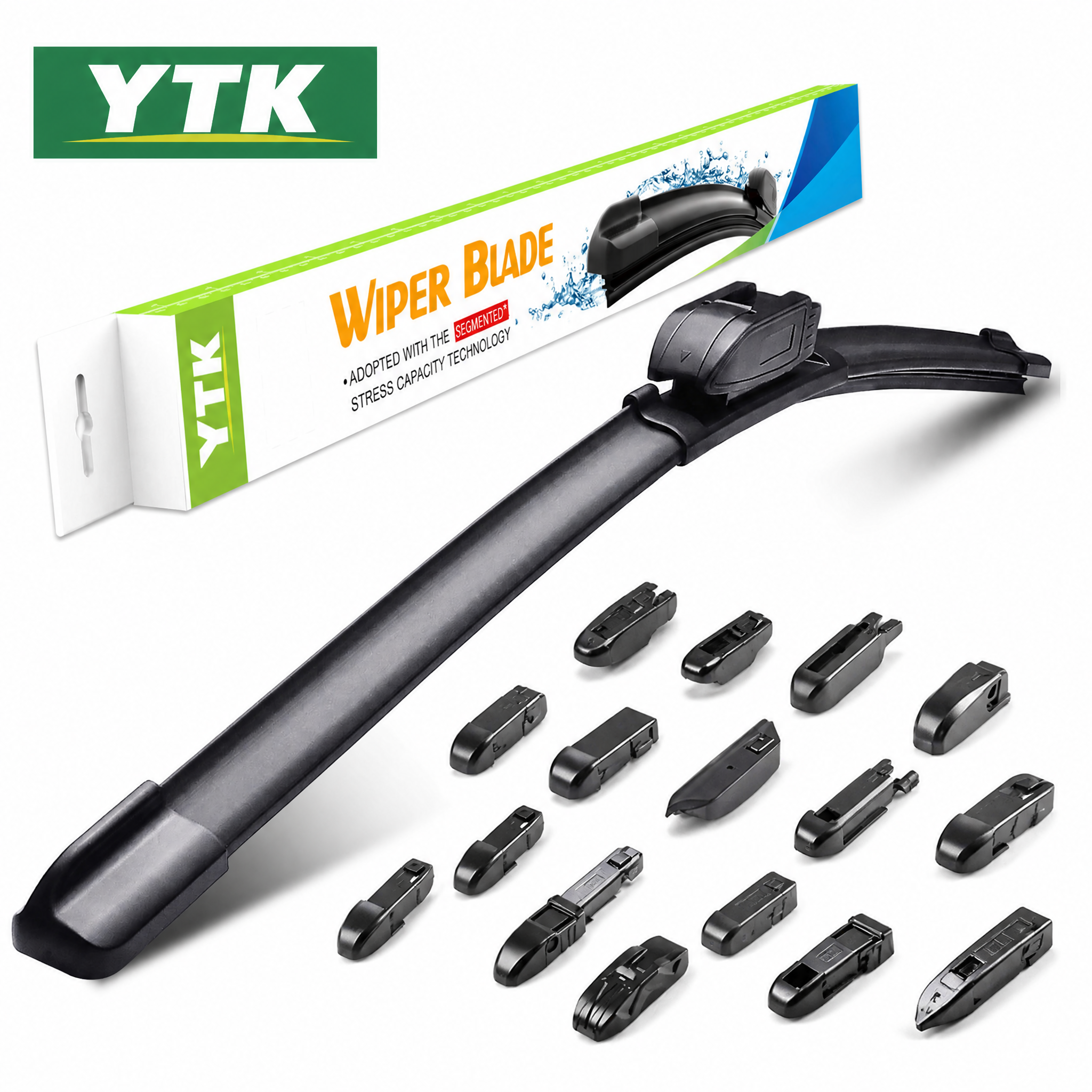
Private Label OEM Multi-Function Windshield Wiper Blade, Universal Frameless Car Wipers for Long-Term Supply Programs
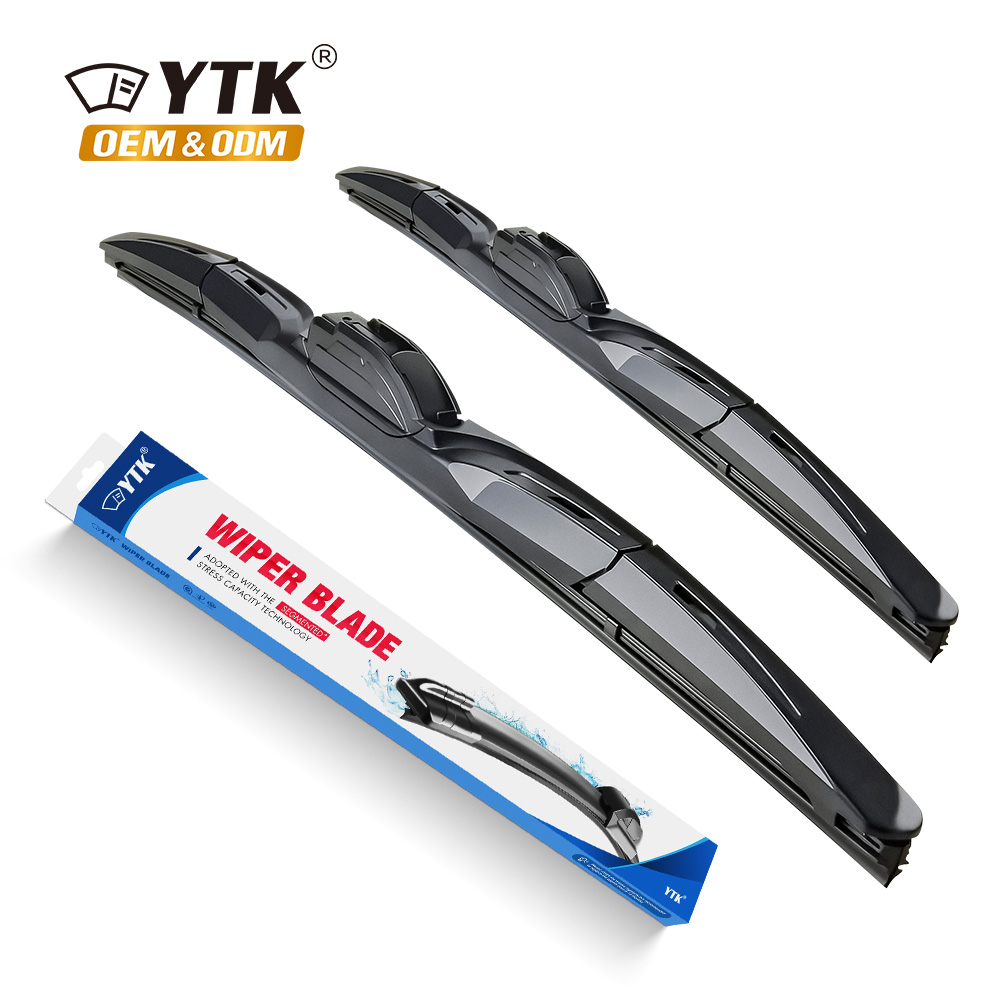
Custom Brand OEM Flat Wiper Blade, Universal Natural Rubber Windshield Wipers for Private Label Packaging
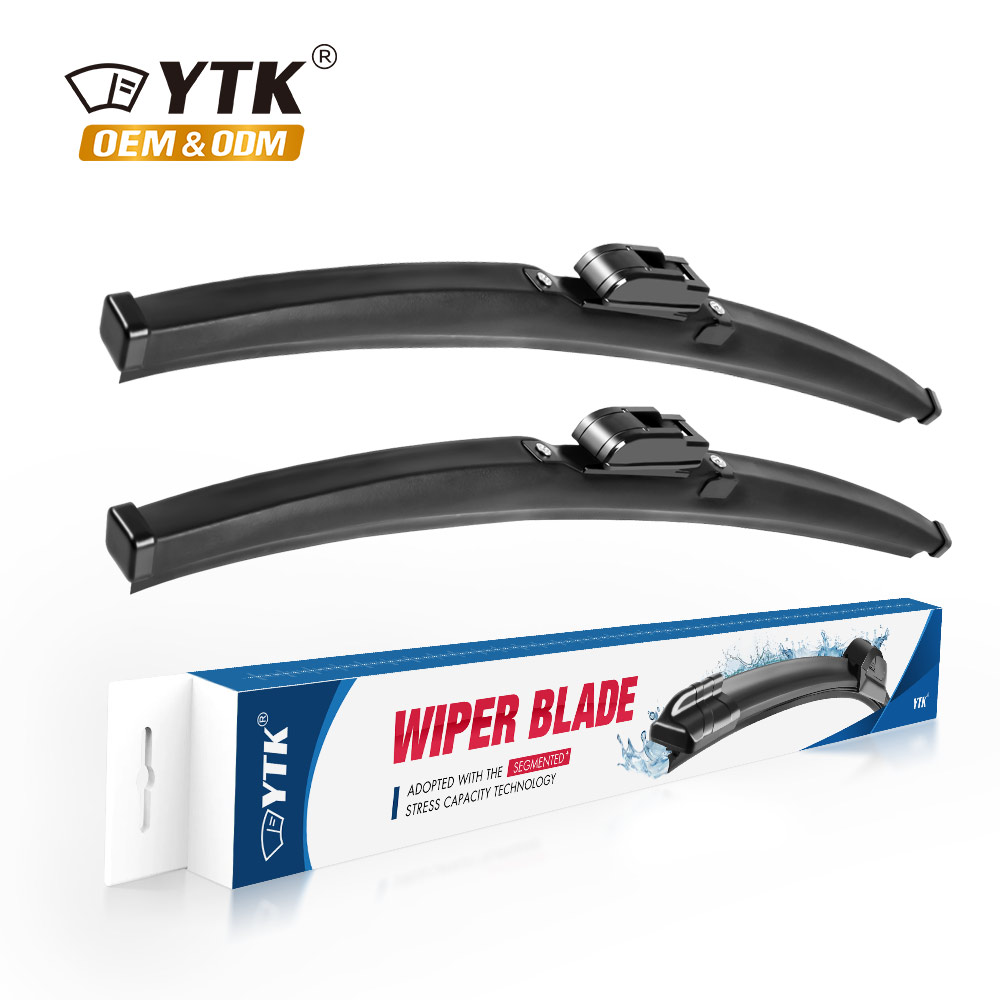
OEM Car Snow Brush Supplier, Bulk Winter Snow Removal Brushes for Auto Parts Distributors and Importers
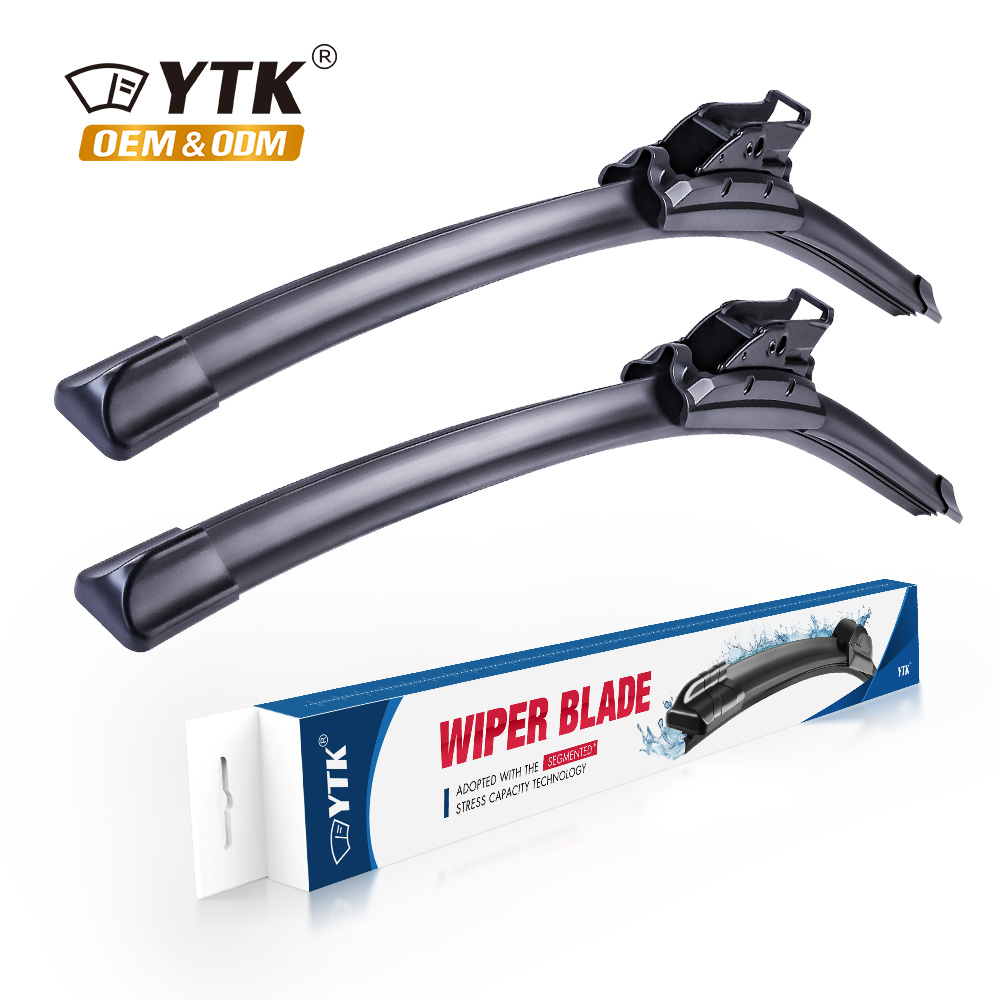
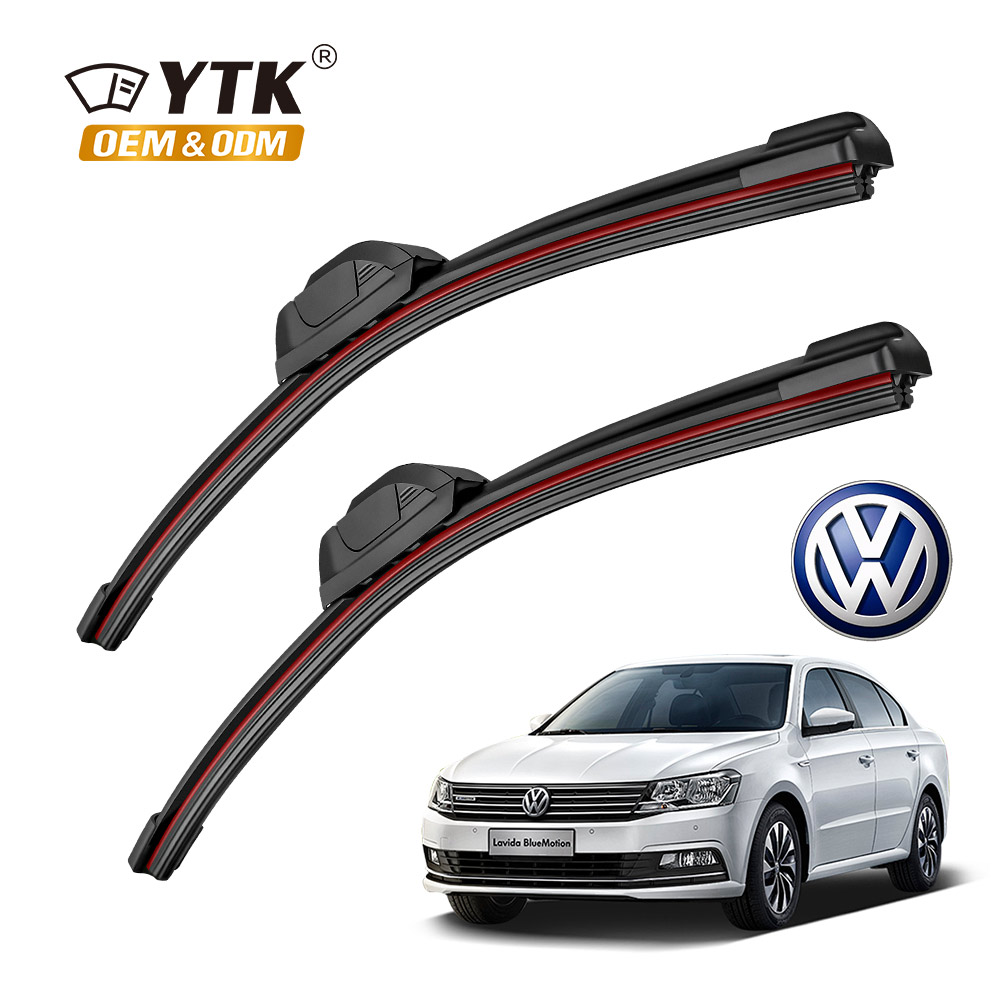
YTK OEM Private Label Multi-Function Frameless Windshield Wiper Blade with Multi-Adapter for Aftermarket Brands
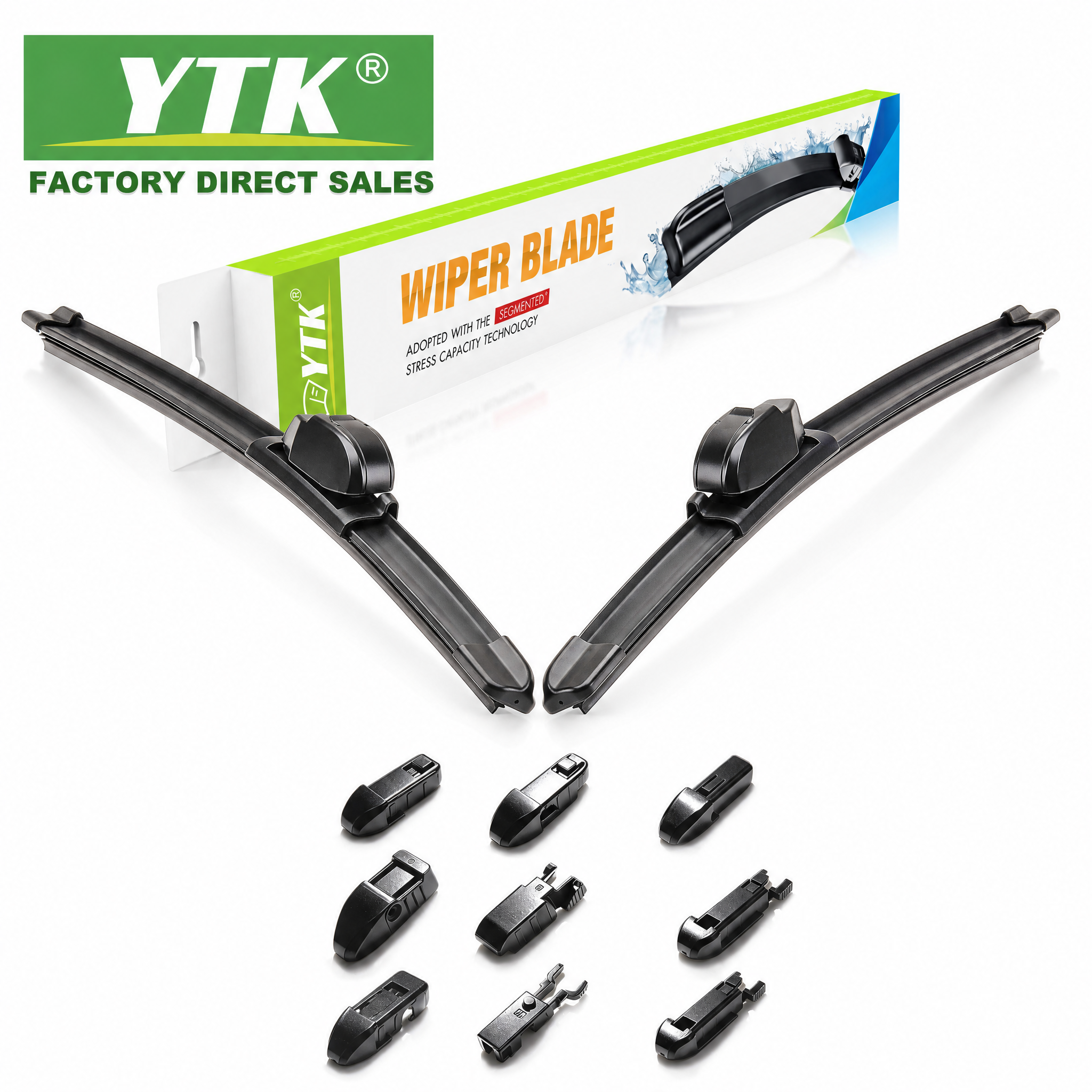
2026 YTK OEM Private Label Frameless Windshield Wiper Blade with Multi-Adapter, Natural Rubber 14-28 Inch
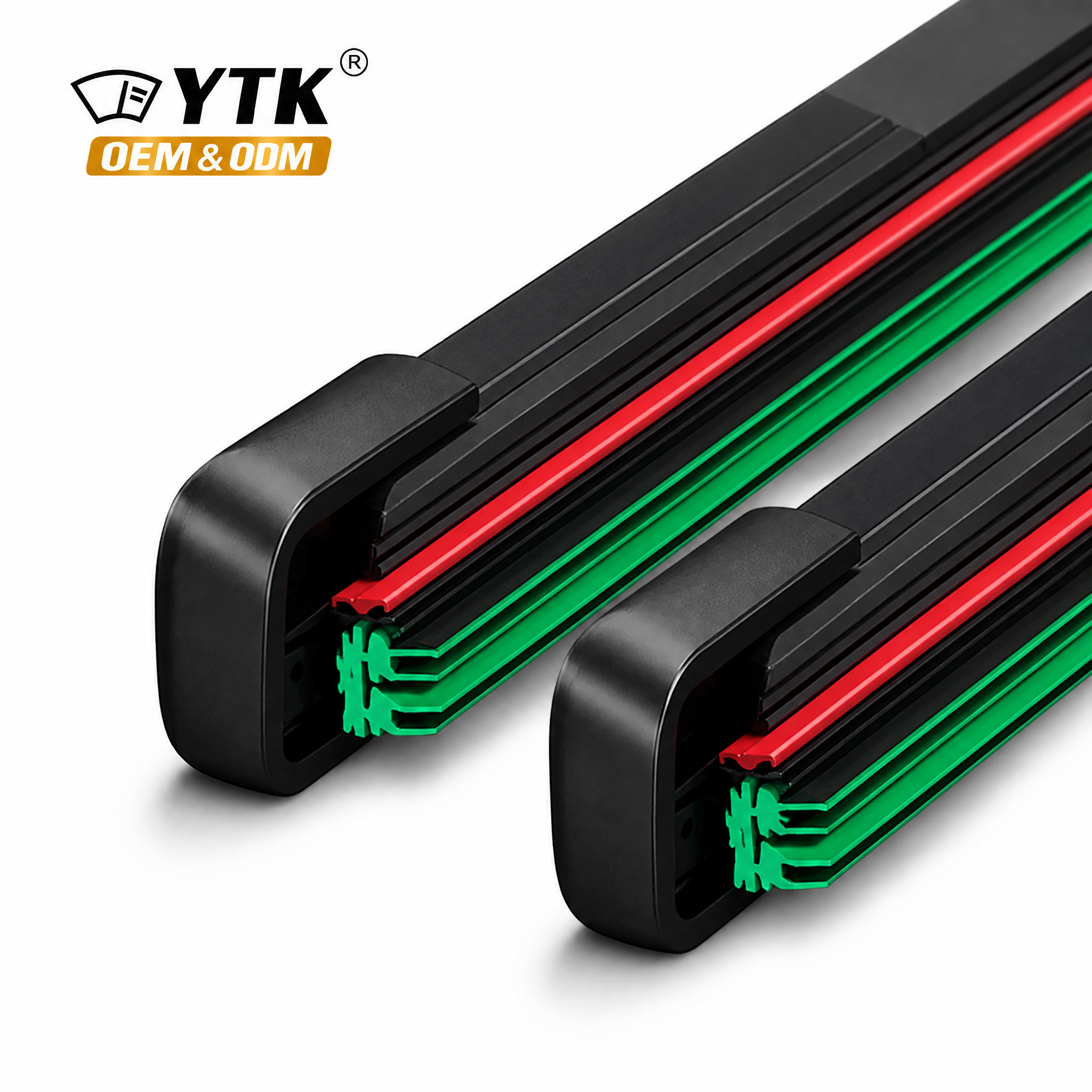
YTK Car Wiper Blade Size Front Window Six Wiper Blade Rubber Refil Universal Six Rubber Windshield Wiper Replacement
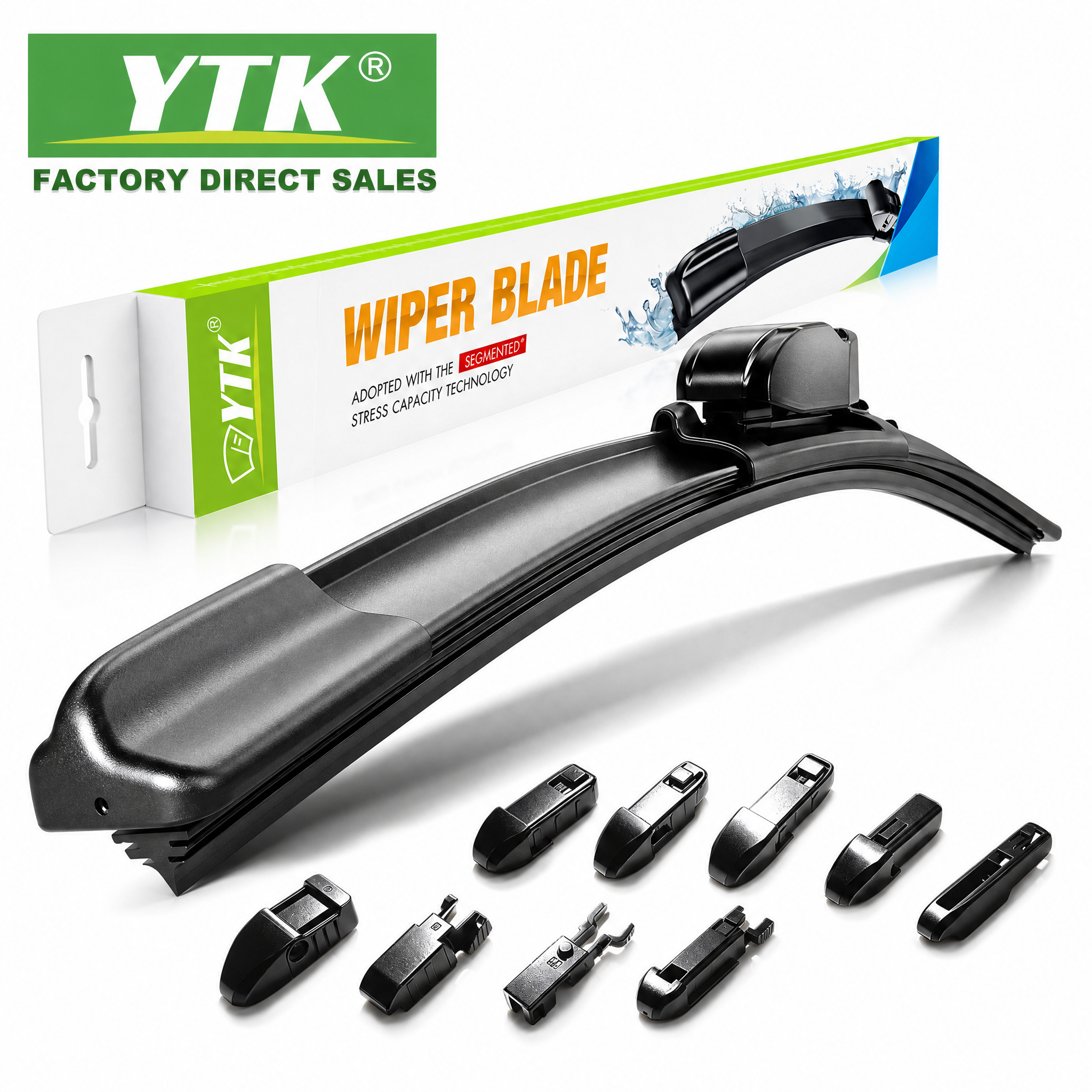
YTK OEM Private Label Frameless Windshield Wiper Blade with Multi-Adapter, Natural Rubber 14-28 Inch
Enterprise Trust Metrics
Engineered Reliability From a Verified China Manufacturer
Operating from our modern manufacturing base in Hebei, Xingtai JES Auto Parts Manufacturer Co., Ltd. integrates rubber vulcanization, high-carbon steel stamping, and deep-groove bearing assembly since 1997.
25+
Years Manufacturing Excellence (Est. 1997)
30,000m²
Integrated Modern Factory Complex
60+
Countries Served Across Global Hubs
TÜV
Rheinland On-Site Verified Supplier
Driveline NVH Suppression
We blend proprietary EPDM and synthetic rubber formulations under stringent rheological control, dampening harmonic vibrations and absorbing axial shock across articulated multi-piece drive shafts.
High-Precision Machining
Internal deep-groove ball bearings feature G10-grade alloy balls, micro-finished raceways, and multi-lip nitrile fluoro-elastomer seals, pre-lubricated with high-temperature synthetic grease.
Full OEM/ODM Private Label
From custom structural brackets for European, American, and Japanese commercial vehicle chassis to tailored packaging, custom laser etching, and private-label retail master cartons.
Engineering Whitepaper
Engineering Fundamentals of Drive Shaft Center Support Bearings
A drive shaft carrier bearing (widely referred to across driveline engineering as the center support bearing) serves as the primary load-bearing stabilizing pivot in multi-piece propeller shaft configurations. In commercial trucks, light commercial vehicles (LCVs), SUVs, and long-wheelbase passenger cars, extending a single drive shaft induces destructive natural frequency resonance (whipping) at elevated RPMs. To circumvent this catastrophic torsional deflection, engineers partition the driveshaft into two or three articulated segments connected via universal joints (U-joints) or constant velocity (CV) joints, anchored decisively by an intermediate center bearing.
The operational demands placed upon carrier bearings are severe. The component must concurrently tolerate continuous rotational velocities exceeding 5,000 RPM, accommodate dynamic chassis flex, absorb angular misalignment during suspension travel, and isolate cabin acoustics from driveline-induced Noise, Vibration, and Harshness (NVH). Failure of the carrier bearing assembly manifests rapidly as intrusive low-frequency cabin droning, driveline shudder under hard acceleration, premature U-joint wear, and catastrophic differential pinion seal leakage.
Material Engineering & Durability Architecture
A professional Tier-1/Tier-2 manufacturing supplier does not merely press an off-the-shelf bearing into a rubber sleeve. High-performance center supports are engineered systems where steel brackets, elastomeric dampers, dynamic seals, and rolling elements operate in cohesive equilibrium.
| Component Subsystem | Standard Commercial Grade | JES Heavy-Duty / High-Load Tier | Functional Impact on Performance |
|---|---|---|---|
| Deep Groove Bearing Core | Standard GCr15 Carbon Alloy | Vacuum-Degassed High-Purity GCr15 (52100) | Eliminates internal metallurgical micro-inclusions, increasing L10 fatigue life by 35% under high shock loads. |
| Damping Cushion Elastomer | Recycled Natural/SBR Rubber Blend | Virgin High-Durometer EPDM / Polyurethane Hybrid | Maintains dynamic shore hardness across -40°C to +135°C; resists ozone degradation, underbody road salts, and engine oil splash. |
| Dynamic Sealing Barrier | Single Lip NBR Contact Dust Shield | Multi-Lip Double-Barrier Fluoroelastomer (FKM) | Excludes abrasive silica, road slurry, and water ingress while permanently retaining high-shear synthetic driveline grease. |
| Outer Stamped Bracket | Mild Q235 Carbon Steel (Single Coated) | High-Tensile SPCC / Cold-Rolled Alloy (Electrophoretic E-Coat) | Withstands 1,000+ hours ASTM B117 salt spray testing; eliminates bracket fracture induced by sustained chassis torsional torsion. |
Global Drive Shaft Center Support Procurement Trends (2025–2030)
The international automotive aftermarket and commercial fleet procurement landscape is undergoing structural transformation. Sourcing managers, bulk wholesale distributors, and private-label brand owners must align their inventory strategies with three distinct macroeconomic and technological shifts:
Trend 01: Fleet Longevity
Commercial LCV Fleet Cycle Extension
Rising capital expenditures for new logistics vehicles are causing fleet managers in North America and Western Europe to prolong commercial vehicle lifespans past 12 years. This directly elevates demand for premium-grade replacement carrier bearings engineered specifically for Ford Transit, Mercedes-Benz Sprinter, Ram ProMaster, and Isuzu NPR platforms.
Trend 02: Powertrain Dynamics
Instant Torque & Hybrid Drivelines
Hybrid powertrains and dual-motor AWD commercial platforms deliver instantaneous low-end torsional shock to the center support bearing. Traditional natural rubber dampers experience rapid viscoelastic creep and tear. Suppliers are aggressively transitioning toward high-recovery polyurethane and engineered silicone-modified elastomers.
Trend 03: Supply Resiliency
Single-Source OEM Consolidations
Major aftermarket buyers are migrating away from multi-layered trading companies, opting to partner directly with source factories in Hebei and Zhejiang offering unified production of wiper systems, chassis rubber parts, and driveline center supports to consolidate mixed-container logistics (FCL) and streamline import compliance.
Technology Roadmaps: Next-Gen Center Bearing Innovations
Future development trajectories within driveshaft support components center on intelligent predictive maintenance and NVH acoustic attenuation:
1. Dual-Durometer Isolators: Modern passenger AWD platforms (such as Audi Quattro, BMW xDrive, and high-performance cross-overs) require dual-stage damping. Outer elastomer layers remain soft (45–50 Shore A) during cruising to isolate subtle road vibrations, while internal elastomer cores stiffen (65–75 Shore A) under aggressive acceleration to constrain shaft displacement within strict angular limits.
2. Self-Aligning Spherical Roller Configurations: For extreme-duty off-highway, mining, and articulated 4x4 vehicles, traditional single-row radial ball bearings are progressively being replaced by self-aligning spherical bearing units capable of enduring up to 3 degrees of continuous angular frame deflection without internal race edge-loading.
3. Low-Friction Lightweight Aluminum Retainers: To reduce un-sprung rotating driveline mass, stamped sheet steel brackets are being replaced in high-end applications with precision die-cast A380 aluminum carrier housings, saving over 30% weight while offering superior thermal conductivity to dissipate bearing race heat.
Procurement FAQ
Frequently Asked Questions by B2B Global Importers
Direct technical, logistical, and commercial answers for auto parts distributors, brand buyers, and category managers.
Q: What are the primary root causes of premature drive shaft center bearing failure?
The vast majority of field failures trace back to three vectors: incorrect drive shaft phase alignment during assembly (inducing high-frequency radial loading), universal joint binding which transfers torsional moments into the support, or inferior seal design allowing particulate grit and water washouts to degrade internal grease. We mandate double-contact labyrinth seals and vacuum-impregnated EPDM cushions to combat this.
Q: Can JES manufacture custom carrier bearings according to technical OE drawings or client samples?
Yes. Backed by 25+ years of precision stamping, rubber injection tooling, and assembly experience, we develop OEM/ODM carrier bearing assemblies directly from 2D/3D CAD specifications (STEP, DWG) or physical OE samples. Prototyping, CMM dimensional verification, dynamic durometer tuning, and testing typically conclude within 25–35 days.
Q: What is the Minimum Order Quantity (MOQ) and sample policy for testing?
For existing catalogue applications (Toyota Tacoma/Tundra, Ford F-Series/Transit, Chevrolet Silverado, Mercedes Sprinter, Nissan D21/D22), our MOQ starts at 50–100 pieces per SKU. We provide full laboratory and road-test samples (1–2 units) for verified B2B distributors to evaluate fitment, elastomer rebound, and NVH damping performance prior to container-load commitments.
Q: How does JES verify quality assurance prior to overseas dispatch?
Our facility is verified on-site by TÜV Rheinland. Production operates under rigorous inline control: bearing cores undergo 100% noise/vibration screening (Anderon meter testing), stamped steel brackets receive automated dimension validation, and rubber vulcanization batches are monitored via computerized rheometers to guarantee consistent tensile modulus and ozone resistance.
Q: What packaging, branding, and container consolidation options are available?
We offer comprehensive private-label services, including laser etching of your proprietary part numbers, custom high-density color retail boxes, vapor corrosion inhibitor (VCI) anti-rust bagging, and heavy-duty corrugated export pallets. Clients frequently combine high-volume wiper blade orders with center support bearings in mixed 20GP/40HQ containers to optimize freight economics.
Q: Which shipping terms, payment mechanisms, and documentation standards are accepted?
We execute shipments under FOB Tianjin/Qingdao/Shanghai, CFR, and CIF international terms. Standard settlement is performed in USD via T/T wire or irrevocable L/C. Complete documentation—including commercial invoices, detailed packing lists, Certificates of Origin (CO/Form E/Form A), and SGS/TÜV inspection dossiers—is provided for seamless customs clearance.
Partner with a Certified Driveline & Automotive Component Factory
Looking to elevate your supply chain reliability, eliminate quality returns, or launch an exclusive private-label automotive driveline and wiper program? Our international engineering and export sales teams are ready to support your regional catalog needs.
