Engineered Automotive Assemblies & Precision Components
Explore our core export lines produced under strict ISO/TS certified manufacturing frameworks. Designed for Tier-1 aftermarket brands, international distributors, and private-label fleet operators.
China Center Bearing Bracket Supplier Ecosystem: Engineering, Sourcing, & Quality Control
A strategic engineering assessment for procurement executives, aftermarket category directors, and automotive supply chain managers.
Rubber-to-Metal Bonding Chemistry
Center support bearing brackets rely on dynamic elastomeric cushions vulcanized to structural steel housings. The bonding agent must withstand aggressive road salt, engine oil, and continuous high-amplitude torsional cycles without delamination.
Structural Geometry & Stamping Precision
Stamped bracket flanges demand high-tonnage precision dies to guarantee accurate bolt-center positioning. Tolerance deviations above 0.15mm induce driveline misalignment, leading to accelerated universal joint wear and catastrophic driveline shudder.
Dynamic NVH Damping Profiling
Center support assemblies serve as the primary dampener between the multi-piece propeller shaft and vehicle chassis. Tuning the durometer (Shore A 55–65) ensures low-frequency cabin resonance isolation across variable acceleration profiles.
1. The Crucial Role of Center Bearing Brackets in Multi-Piece Propeller Shafts
In modern commercial vehicles, light trucks, rear-wheel-drive sedans, and all-wheel-drive platforms, lengthy drivetrains require segmented driveshafts supported by an intermediate center bearing assembly. The center support bracket—often termed the carrier bearing bracket—houses a deep-groove ball bearing within an engineered elastomeric cushion enclosed by a stamped or cast metal housing. Without absolute precision in bracket coplanarity and rubber concentricity, driveline vibrations propagate directly into the chassis floor pan, degrading vehicle safety and passenger comfort.
Leading Tier-1 and direct-replacement brands recognize that China’s manufacturing hub in Hebei Province represents the global benchmark for combining heavy metal stamping, automated vulcanization, and bearing precision assembly under unified roofs. Xingtai JES Auto Parts, founded in 1997, developed its initial metallurgical and polymer competencies manufacturing center support bearings and carrier brackets before diversifying into comprehensive automotive rubber-metal assemblies. Sourcing from genuine integrated factories avoids the multi-tier markup and inconsistent tolerances common to export trading companies.
2. Future Procurement Trends in Automotive Driveline & Chassis Components
Procurement landscapes for automotive undercar components are undergoing structural transformations influenced by electric mobility, platform consolidation, and supply chain risk mitigation. B2B buyers must navigate several evolving procurement vectors:
- Consolidated Modular Sourcing: Global importers are consolidating vendors by partnering with Tier-1 certified factories capable of producing multiple chassis and windshield rubber-to-metal product lines simultaneously. This reduces container dead-weight, cuts ocean freight variance, and lowers Customs administrative overhead.
- Severe Climate Resilience (Cold-Cracking & Ozone Degradation): Standard natural rubber formulations fail rapidly in extreme climates. Buyers in North America and Northern Europe now mandate ethylene propylene diene monomer (EPDM) or synthetic-fortified rubber cushions rated down to -40°C, alongside 480-hour salt-spray surface coatings.
- Digital Traceability & Batch Transparency: Automotive importers face tightening consumer protection liabilities. Verification standards, such as on-site assessments by TÜV Rheinland and third-party pre-shipment dimensional CMM reports, have transitioned from optional assurances to non-negotiable procurement prerequisites.
3. Engineering & Material Development Trends
The mechanical stress placed on center bearing brackets has elevated due to the increased peak torque delivered by turbocharged commercial internal combustion engines and hybrid battery packs. Engineering advancements focus on:
High-Yield Lightweight Bracket Shells: Traditional low-carbon mild steel stampings are being systematically replaced by cold-rolled micro-alloyed steels (such as Q355B or ASTM A572 Grade 50). These materials deliver a 25% yield strength increase, resisting torsional fatigue deformation without adding unsprung mass.
Labyrinth Triple-Lip Seal Integration: Bearing premature failure is predominantly caused by contamination ingress (grit, slurry, and liquid de-icers). Modern center bearing brackets integrate multi-stage labyrinth seals packed with polyurea-thickened synthetic greases, extending operating maintenance intervals beyond 150,000 kilometers.
Comprehensive Sourcing Matrix: Factory Direct vs. Intermediary Supply
| Critical Parameter | Direct OEM Factory (e.g. JES Auto Parts) | Export Middleman / Trading Agent | Market Impact / Procurement Value |
|---|---|---|---|
| Elastomeric Formulation | In-house compounding, Shore A 55–65 custom durometer | Generic commercial-grade reclaimed rubber | Prevents driveline vibration and chassis resonance |
| Metal Bracket Tolerances | Progressive stamping dies (±0.08mm coplanarity) | Multi-sourced generic job shops (±0.35mm variance) | Guarantees drop-in fitment without installation binding |
| Bearing Unit Grade | P6 / ABEC-3 precision, pre-lubricated high-temp grease | Unbranded standard P0 utility bearings | Triple lifetime under sustained highway RPM |
| Corrosion Resistance | E-coating / Geomet finish > 480 hrs ASTM B117 | Basic black spray paint (< 48 hrs salt spray) | Eliminates surface rust during sea transport & winter roads |
| Supply Chain Traceability | TÜV Rheinland verified on-site, batch laser coding | No manufacturing floor audit trail | Full warranty support and liability compliance |
Procurement & Technical FAQ for International Sourcing Managers
Authoritative answers addressing engineering tolerances, minimum order quantities, cross-referencing, and export terms.
What primary causes trigger center support bearing bracket failure in the field?
The two leading failure modes are rubber flexure cracking and moisture ingress into the internal ball bearing. Inferior rubber compounds degrade under oil contact and thermal cycling, allowing excessive shaft deflection that destroys the bearing seal. Sourcing brackets vulcanized with premium virgin elastomers ensures vibration absorption throughout the product lifecycle.
How do you guarantee dimensional interchangeability with original OEM part numbers?
Precision manufacturing relies on high-resolution CMM (Coordinate Measuring Machine) verification and CAD/CAM reverse engineering of OEM samples. Critical parameters include inner bearing diameter, mounting bolt hole center-to-center pitch, and vertical centerline offset. Brackets are produced within ±0.08mm tolerance to ensure 100% direct-fit installation.
Can we consolidate center bearing brackets with wiper blades and chassis hardware?
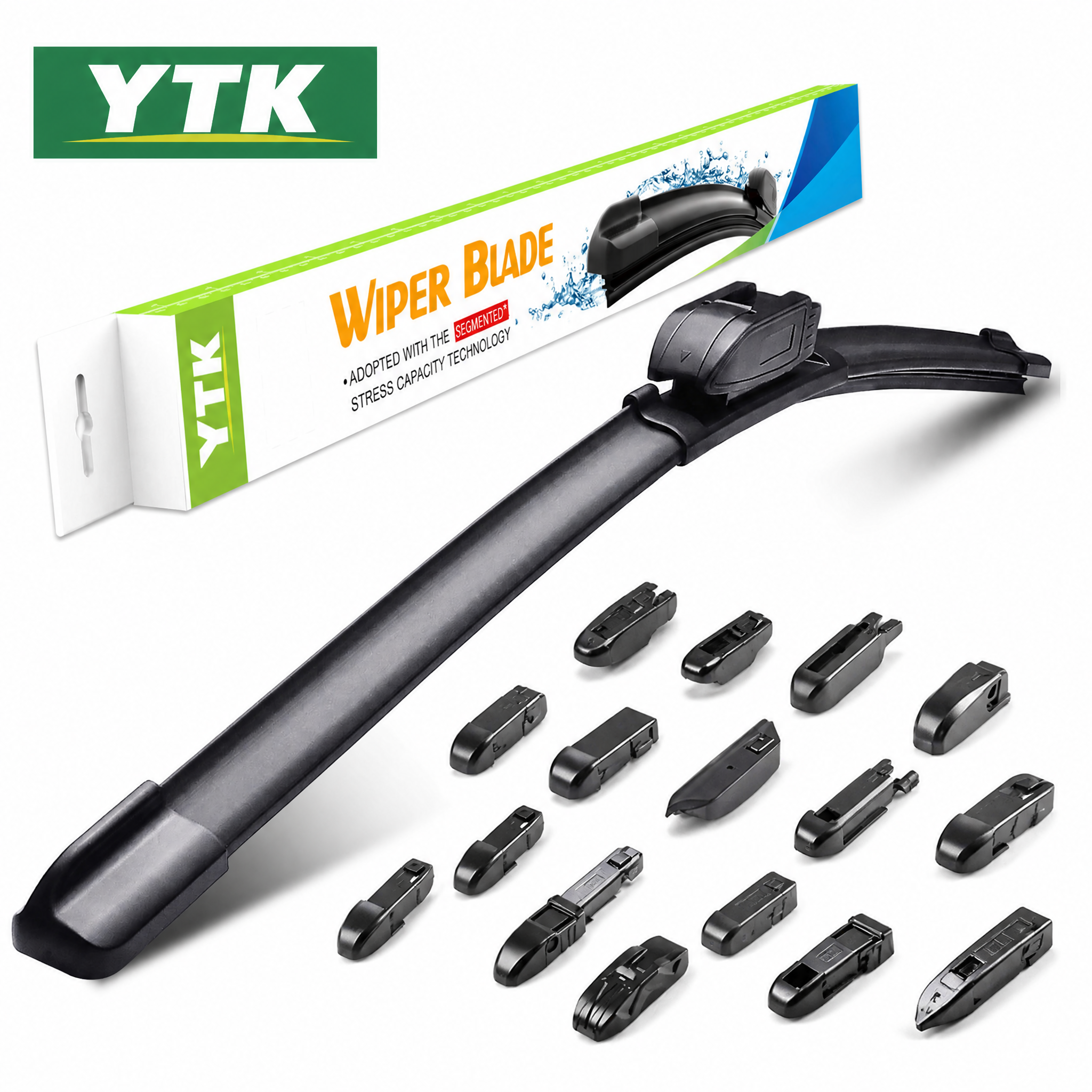
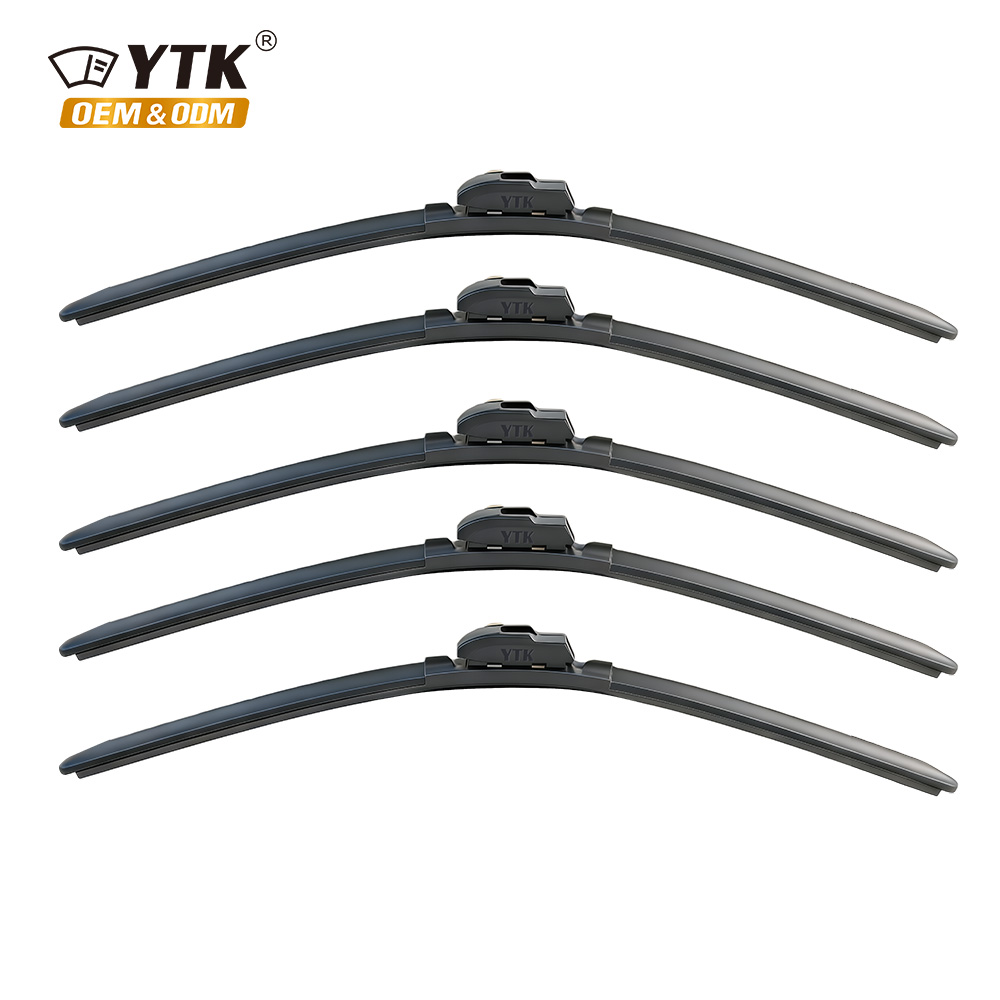
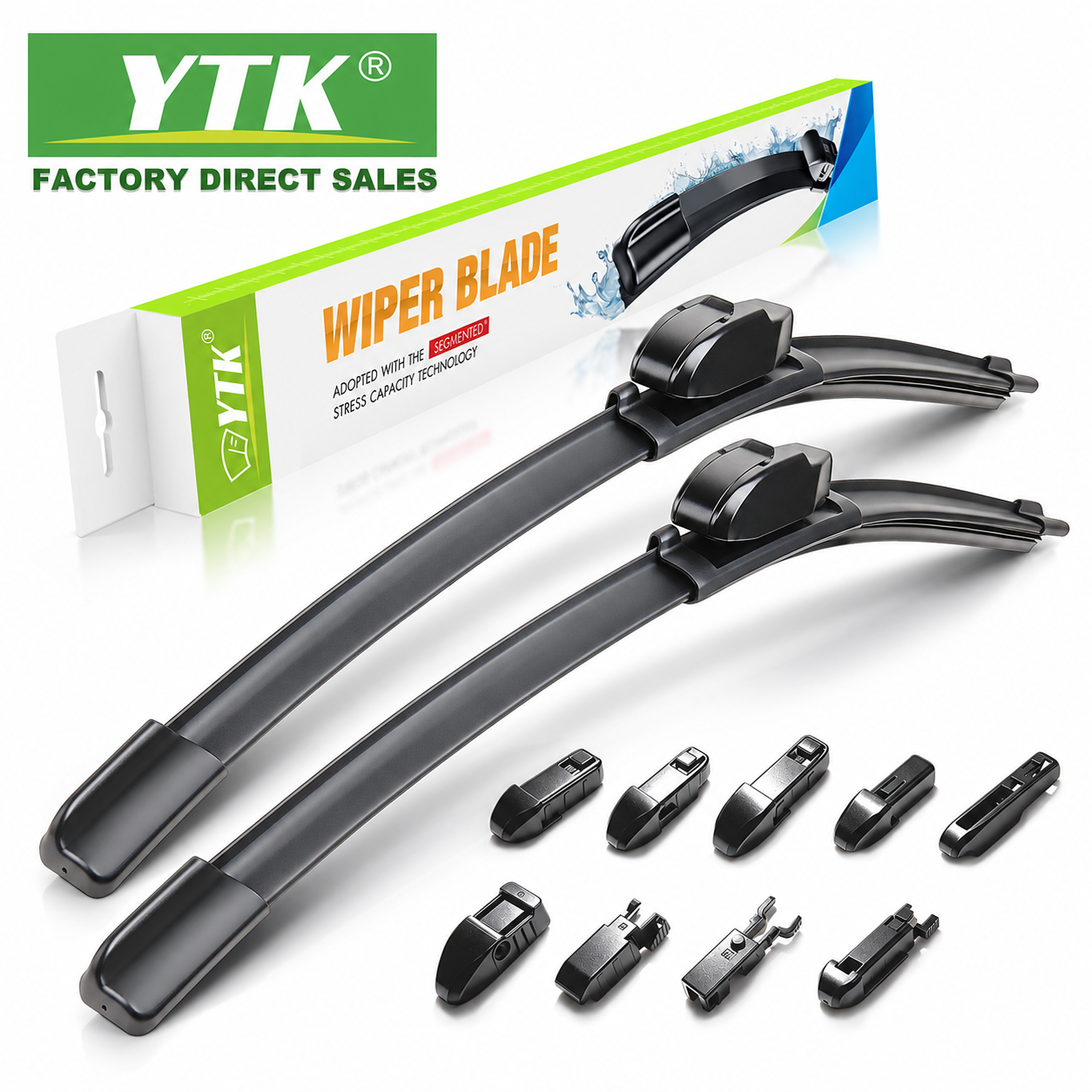
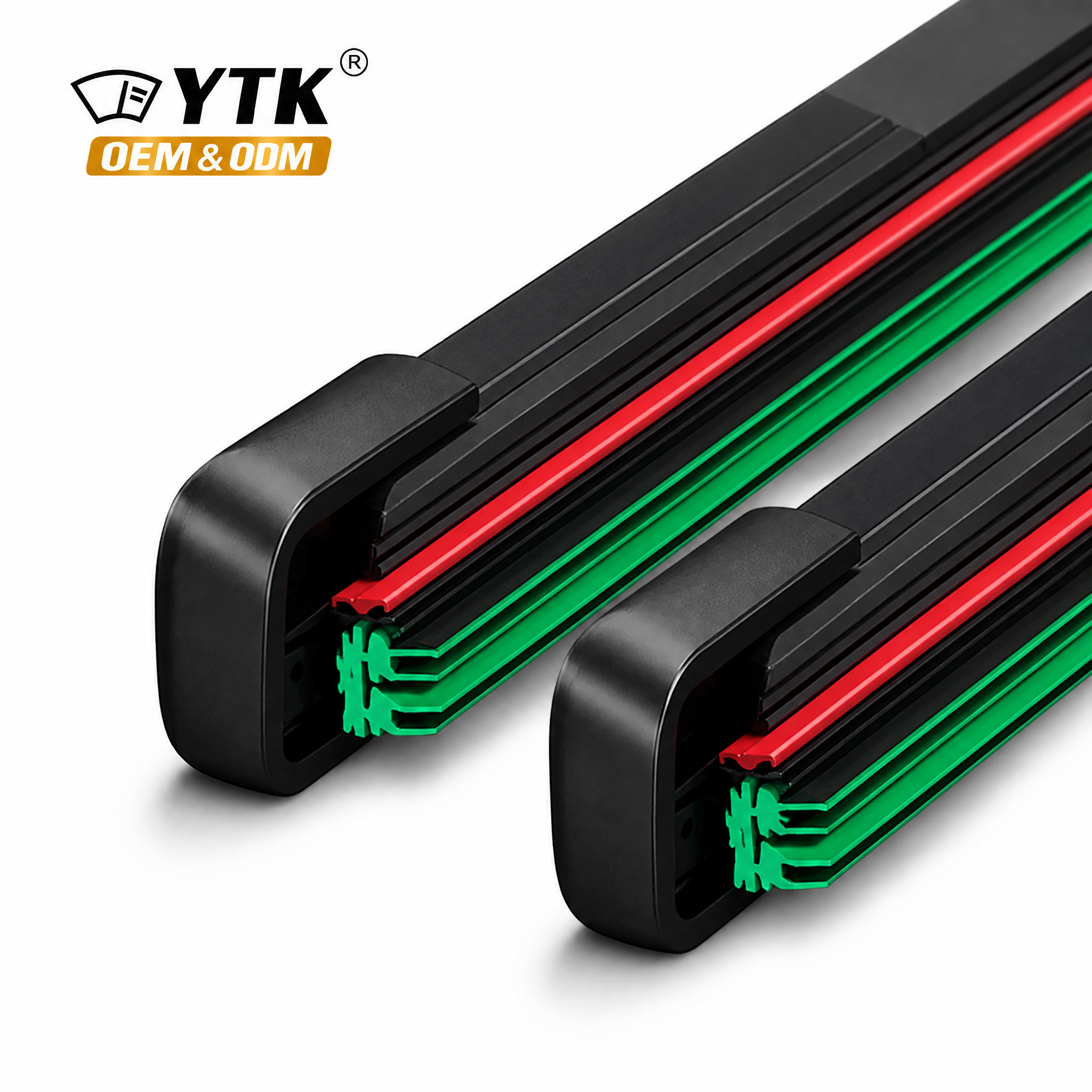
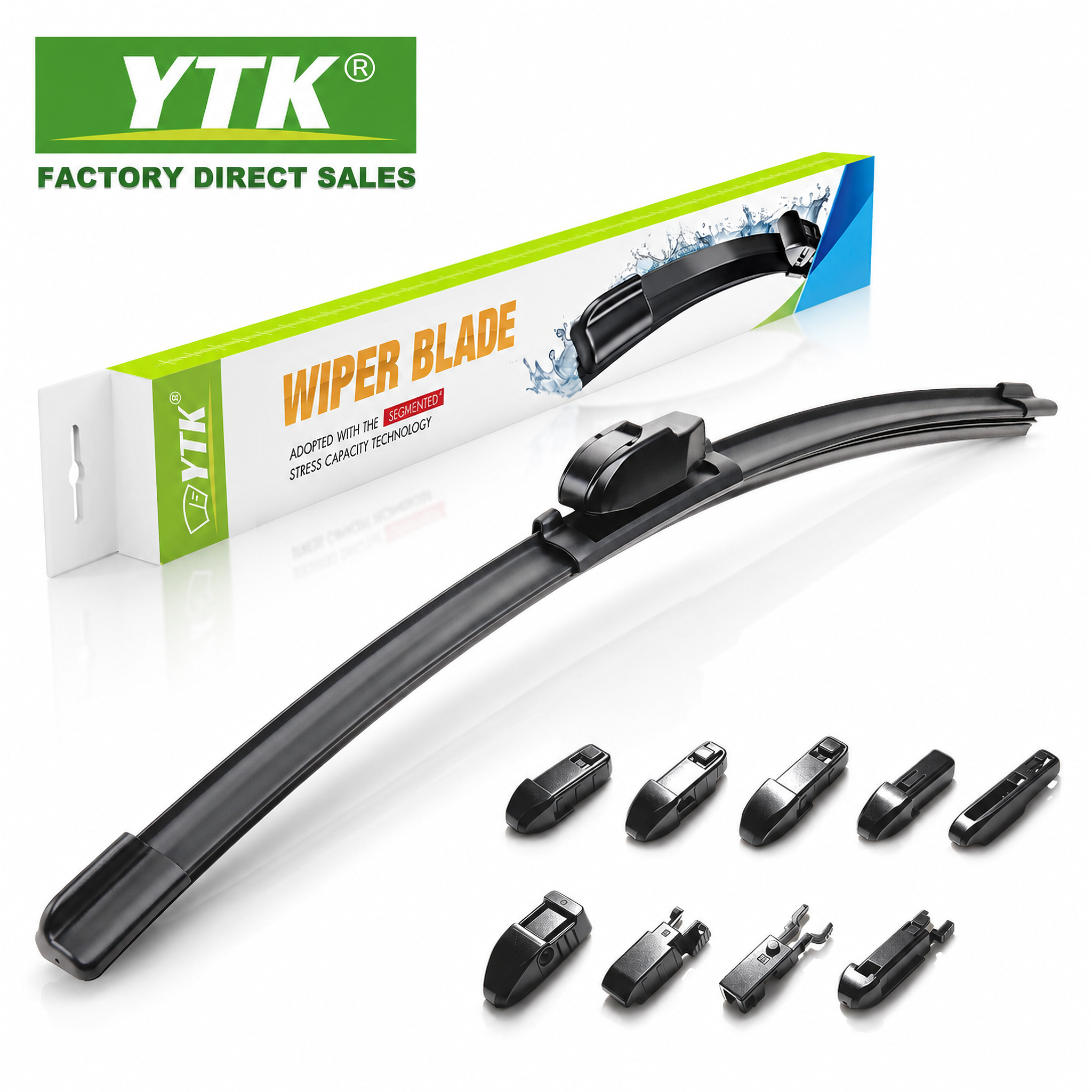
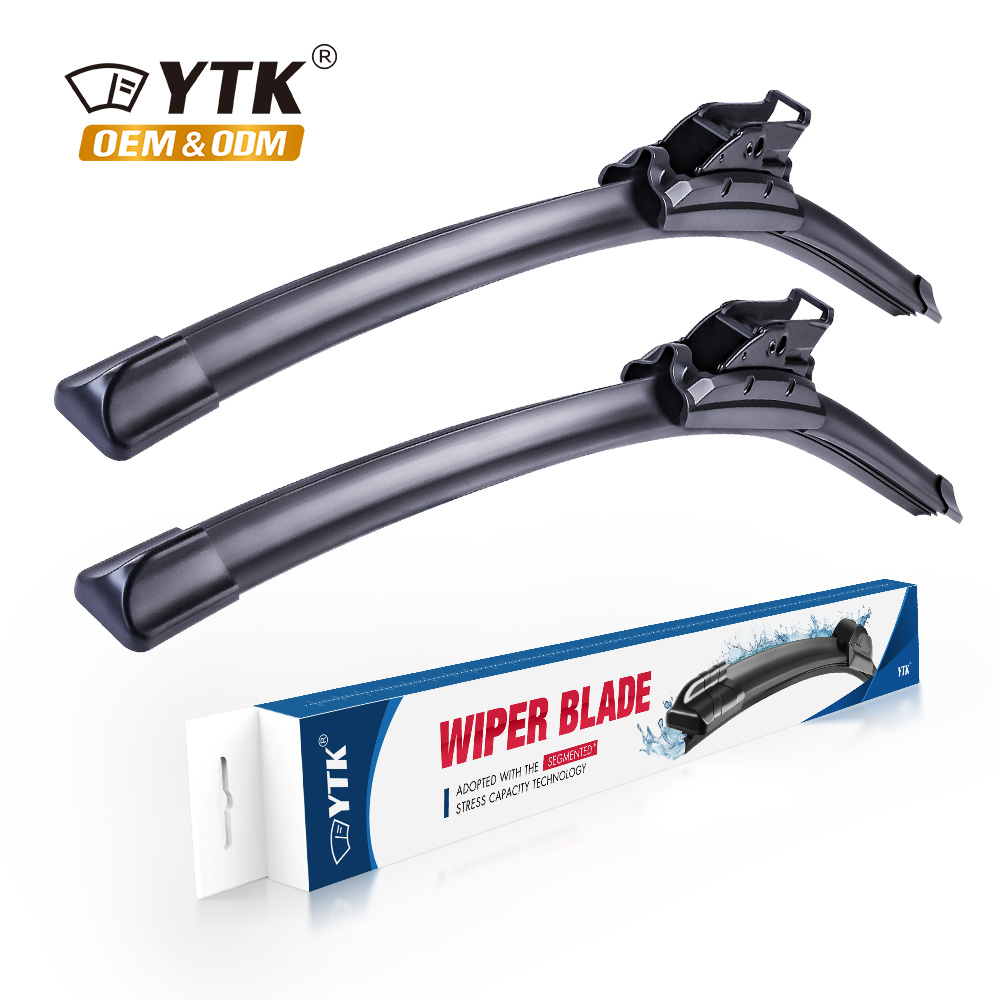
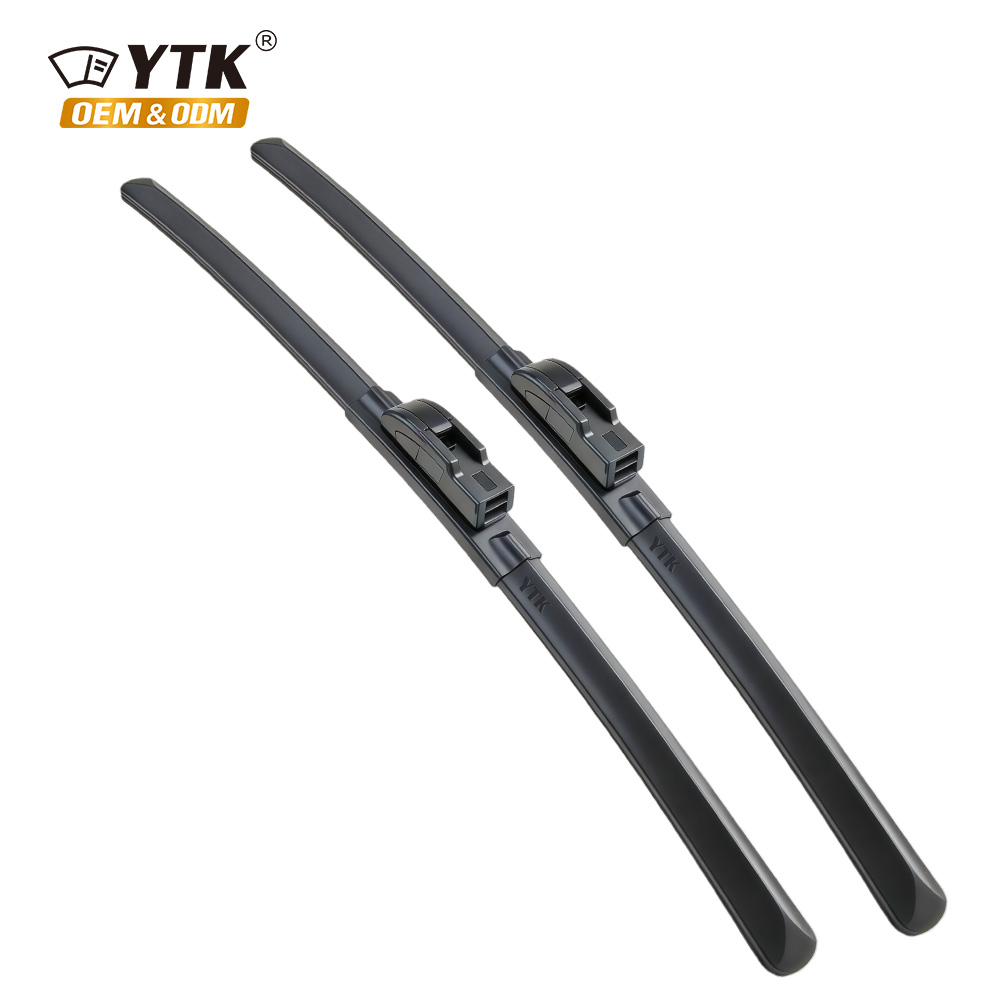
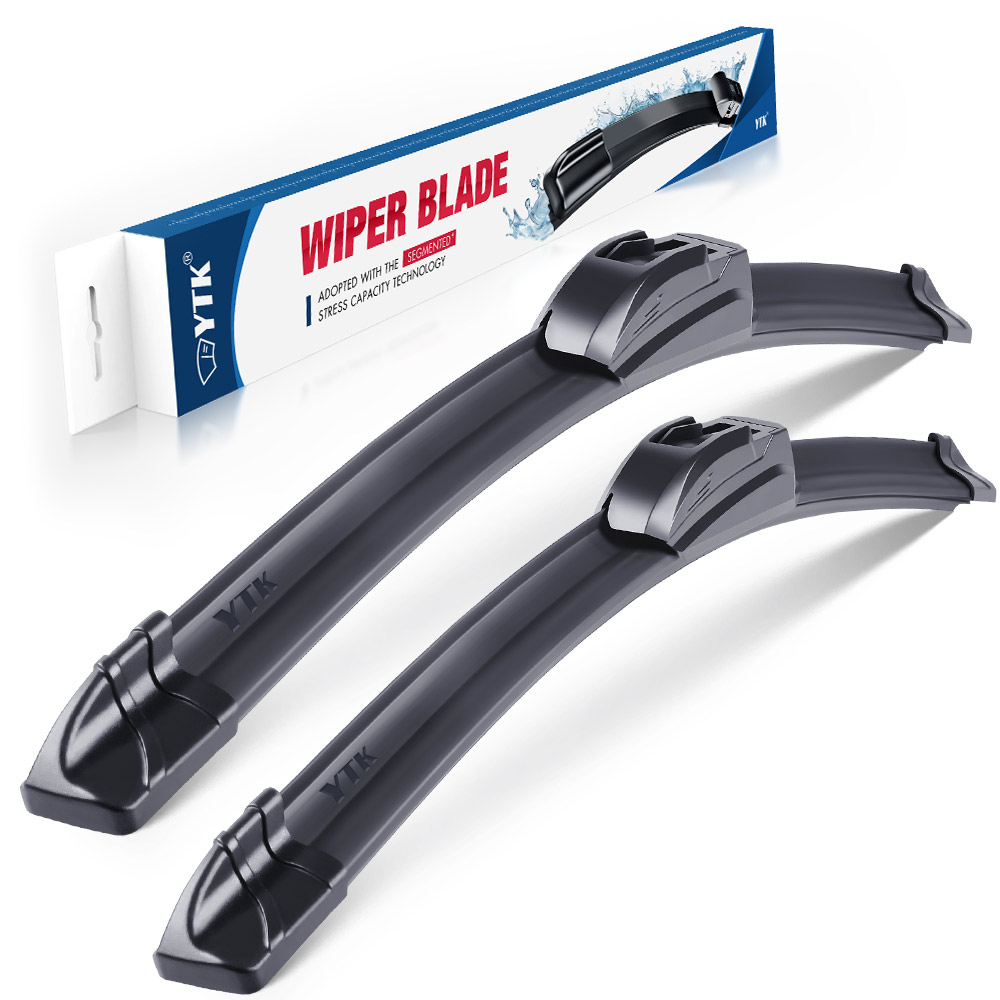
Yes. Many global distributors leverage our 30,000 m² Xingtai facility to combine high-volume universal windshield wiper blades, hybrid assemblies, and center support bearing programs into unified 20ft or 40ft HQ containers. This eliminates partial-container shipping surcharges and lowers landed product costs.
What custom branding and private-label packaging options are supported?
We provide end-to-end OEM packaging solutions including laser part-number engraving on bracket metal, custom color retail boxes, inner anti-rust vapor barrier bags, and palletized bulk packaging. Private label programs require vector artwork confirmation prior to sample pilot runs.
What is the typical lead time and MOQ for custom production runs?
Standard in-stock part numbers offer flexible trial order quantities starting from 50 pieces. Custom private-label runs or specific bracket tooling typically require an MOQ of 500 to 1,000 units per reference, with production turnaround completed within 30 to 45 business days.
Which commercial trade and payment settlement terms are available?
Global export shipments are routinely processed under FOB (Tianjin/Qingdao/Shanghai ports), CFR, or CIF delivery protocols. Payment options include Telegraphic Transfer (T/T), confirmed irrevocable Letter of Credit (L/C), PayPal for rapid sampling, and Escrow financing solutions in USD.
Partner with China's Premier Automotive Component Manufacturer
Initiate direct communication with our technical sales engineers to review 2D/3D part drawings, request physical product samples, or structure a consolidated container procurement program.
Inquire Now