Precision Automotive Rubber & Metal Bushing Assemblies
Explore our high-performance suspension dampening units, custom-extruded rubber elements, and high-tensile multi-point bonded link components certified for global aftermarket and Tier-1 replacement programs.
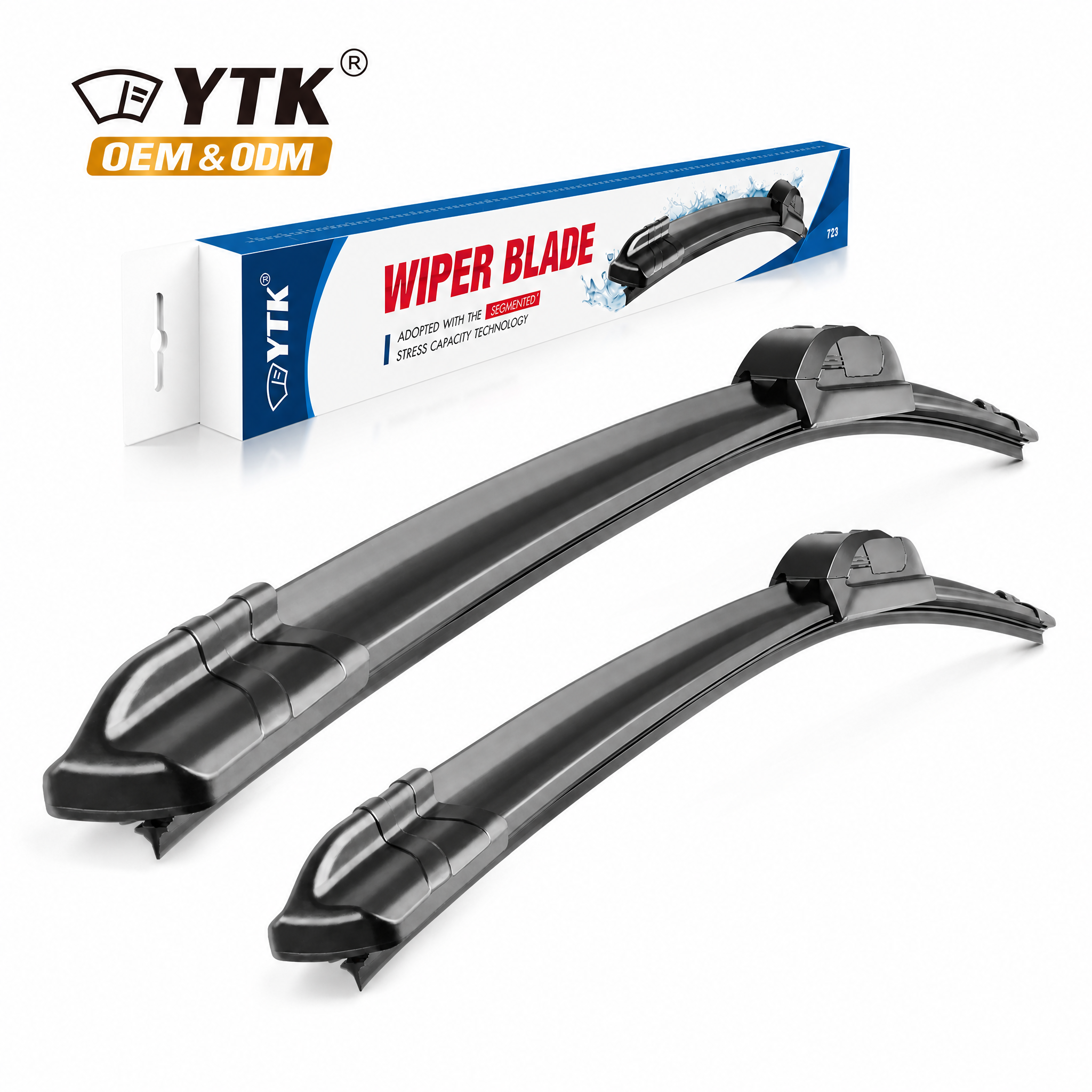
YTK OEM Private Label Flat Windshield Wiper Blade, Universal Natural Rubber Car Wipers for Aftermarket Brands
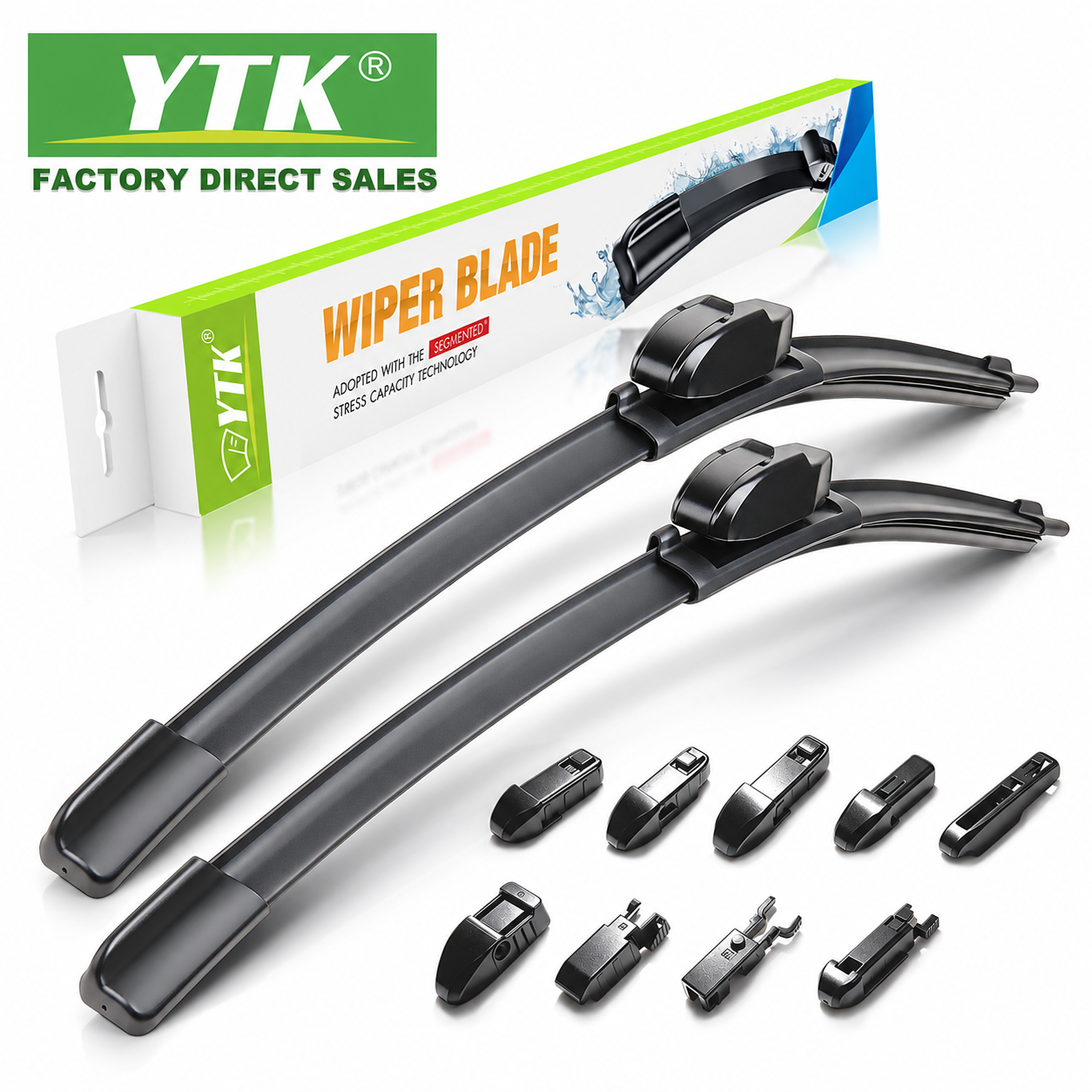
OEM Private Label Frameless Windshield Wiper Blade, Multi-Adapter Natural Rubber Car Wiper 14-28 Inch
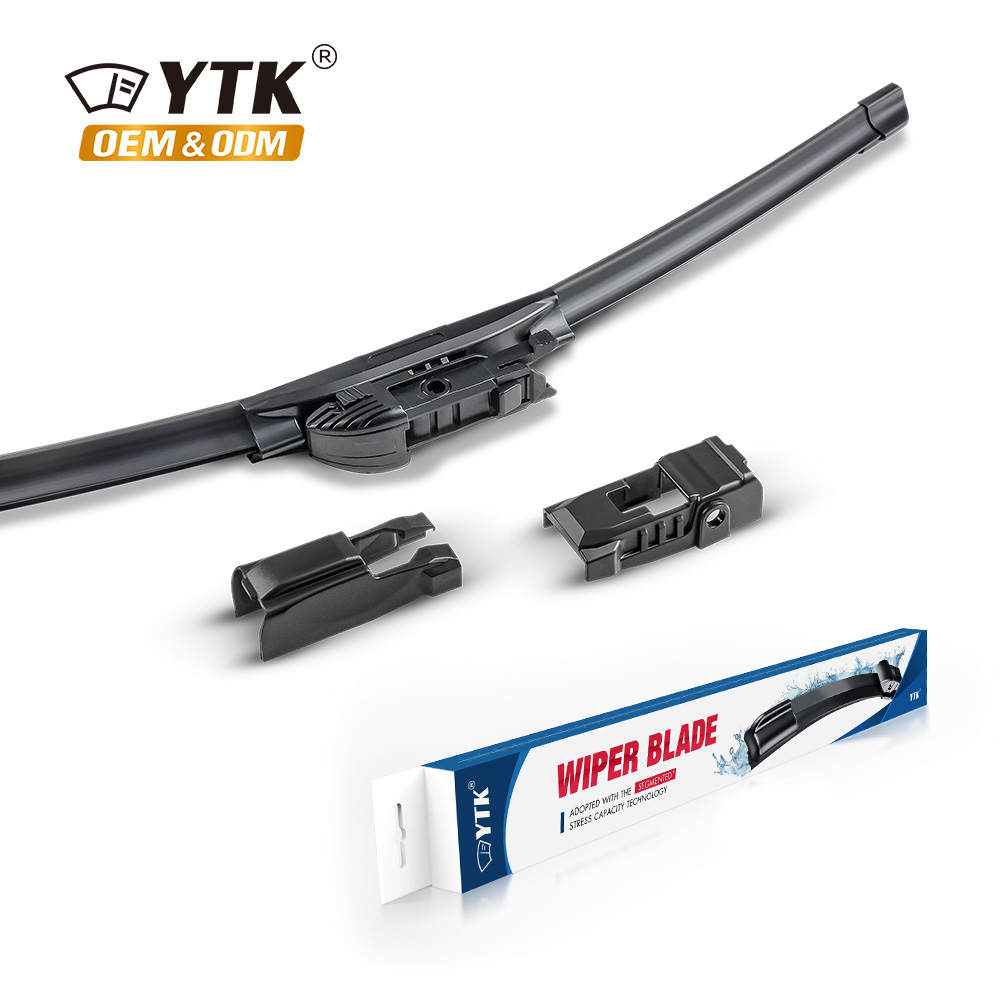
OEM Replacement Wiper Blade Supplier, Universal Natural Rubber Windshield Wiper with Multi-Adapter
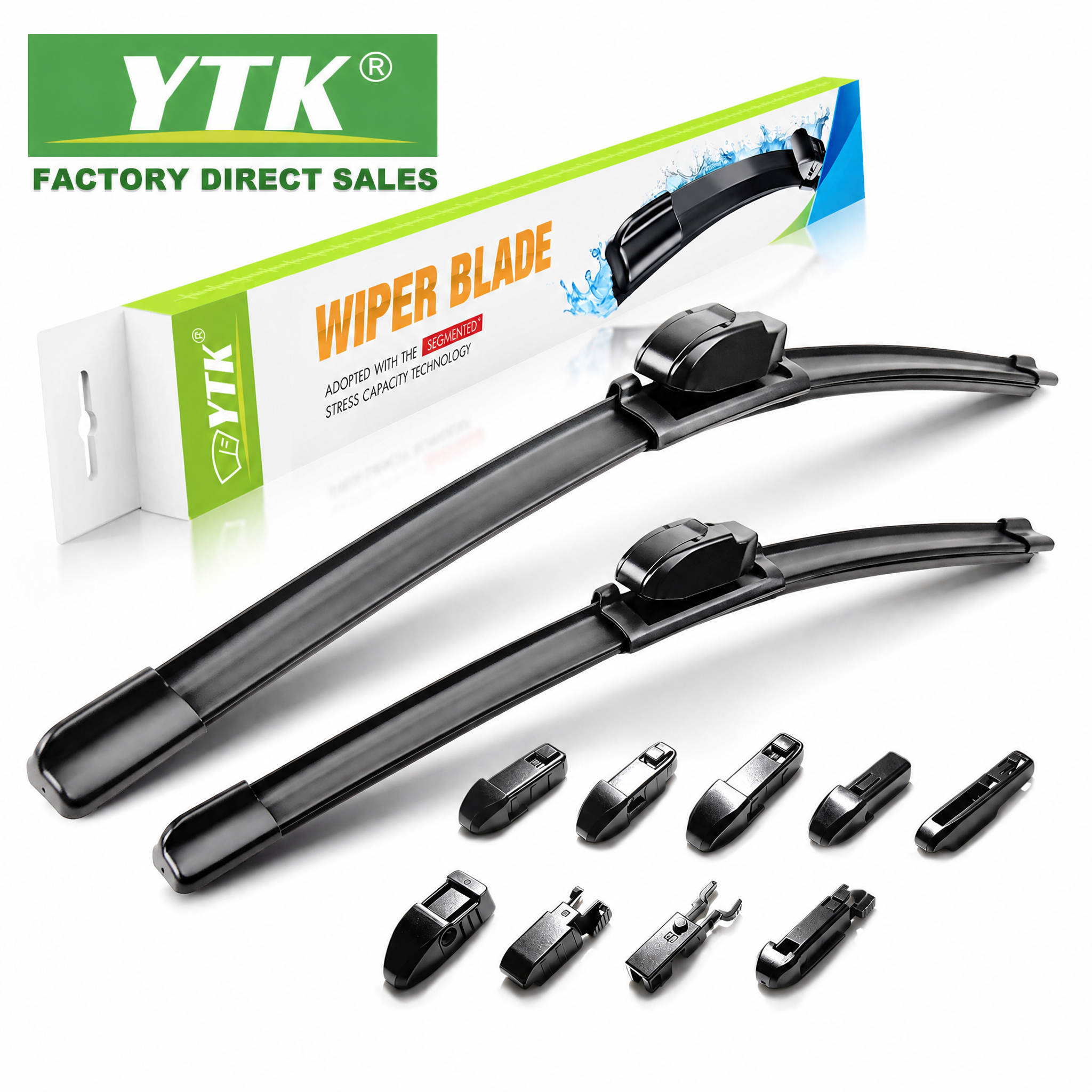
YTK OEM High Quality Frameless Car Windshield Wiper Blades Natural Rubber Factory Direct
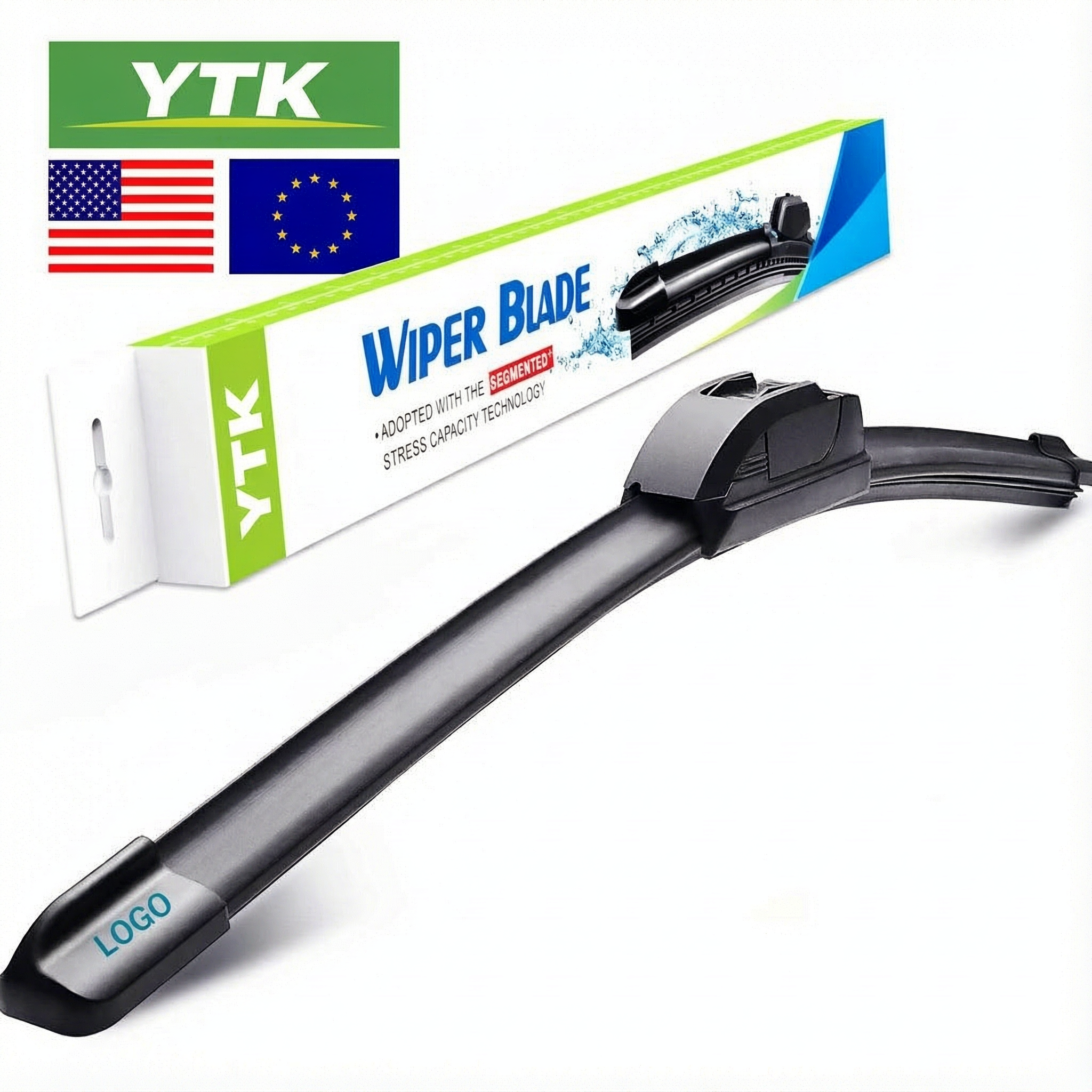
YTK Universal Soft Windshield Wiper Blades Natural Rubber Car Wipers with Free Packaging Design Service
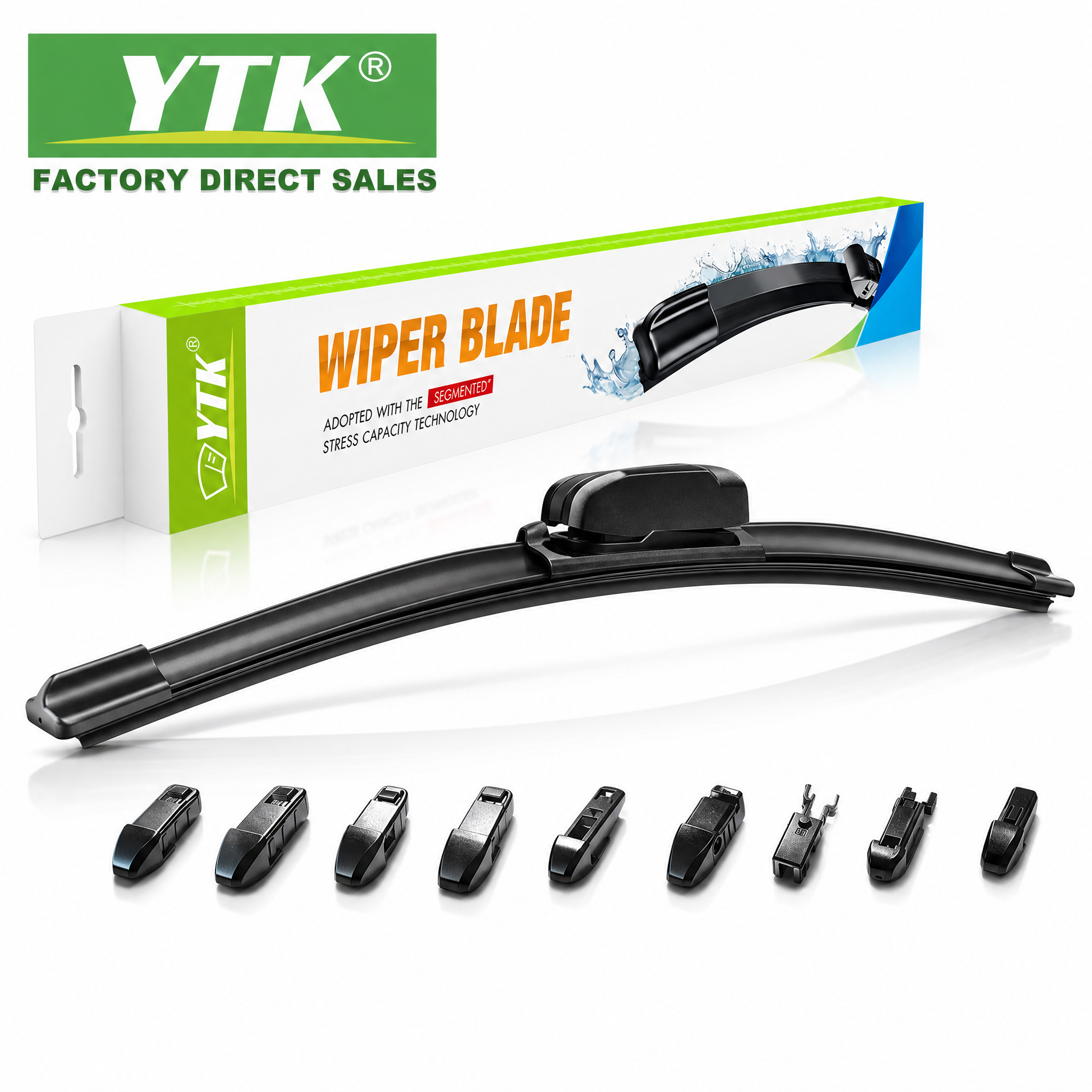
OEM Universal Frameless Wiper Blade with Multi-Adapter, Natural Rubber Car Windshield Wiper for Wholesale
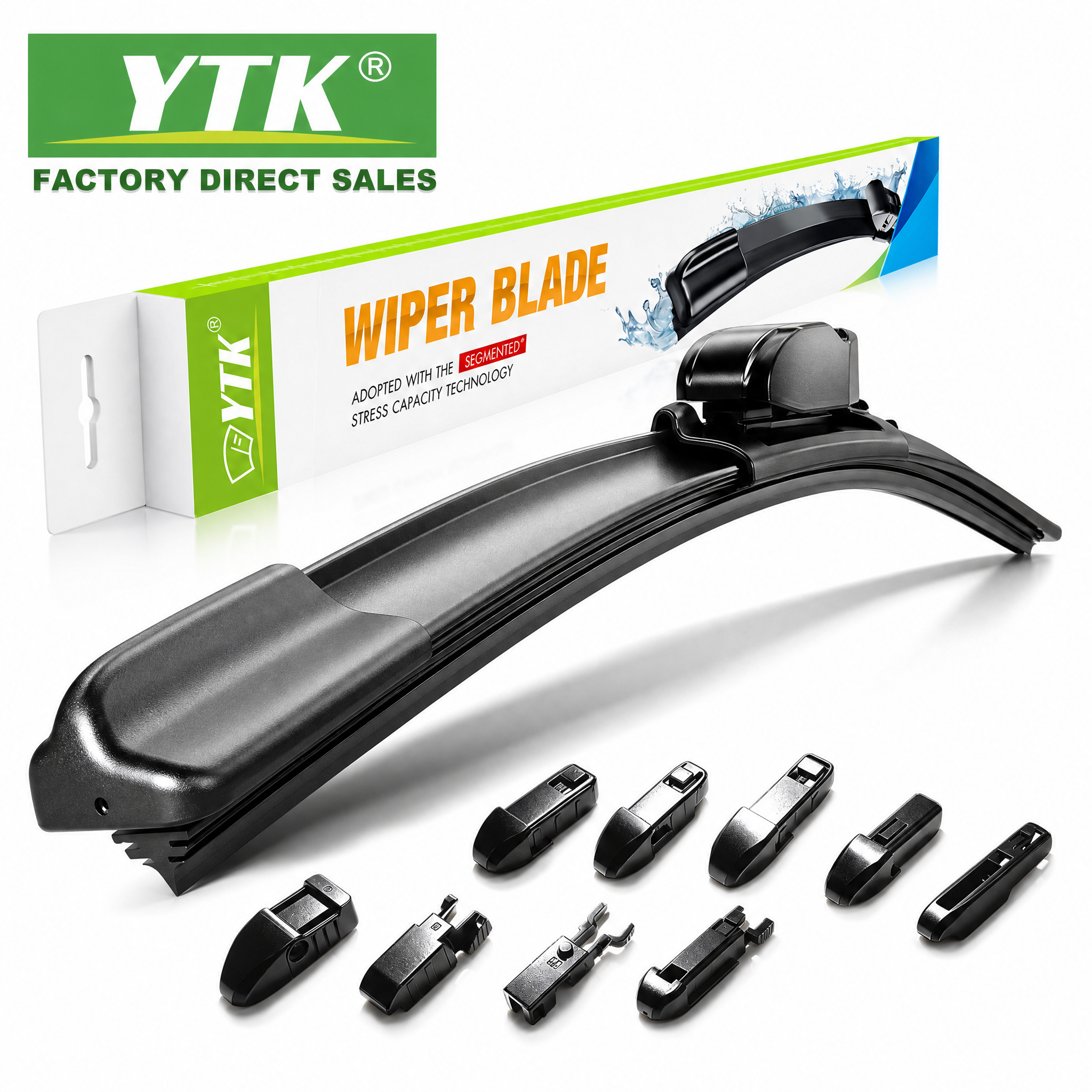
YTK OEM Private Label Frameless Windshield Wiper Blade with Multi-Adapter, Natural Rubber 14-28 Inch
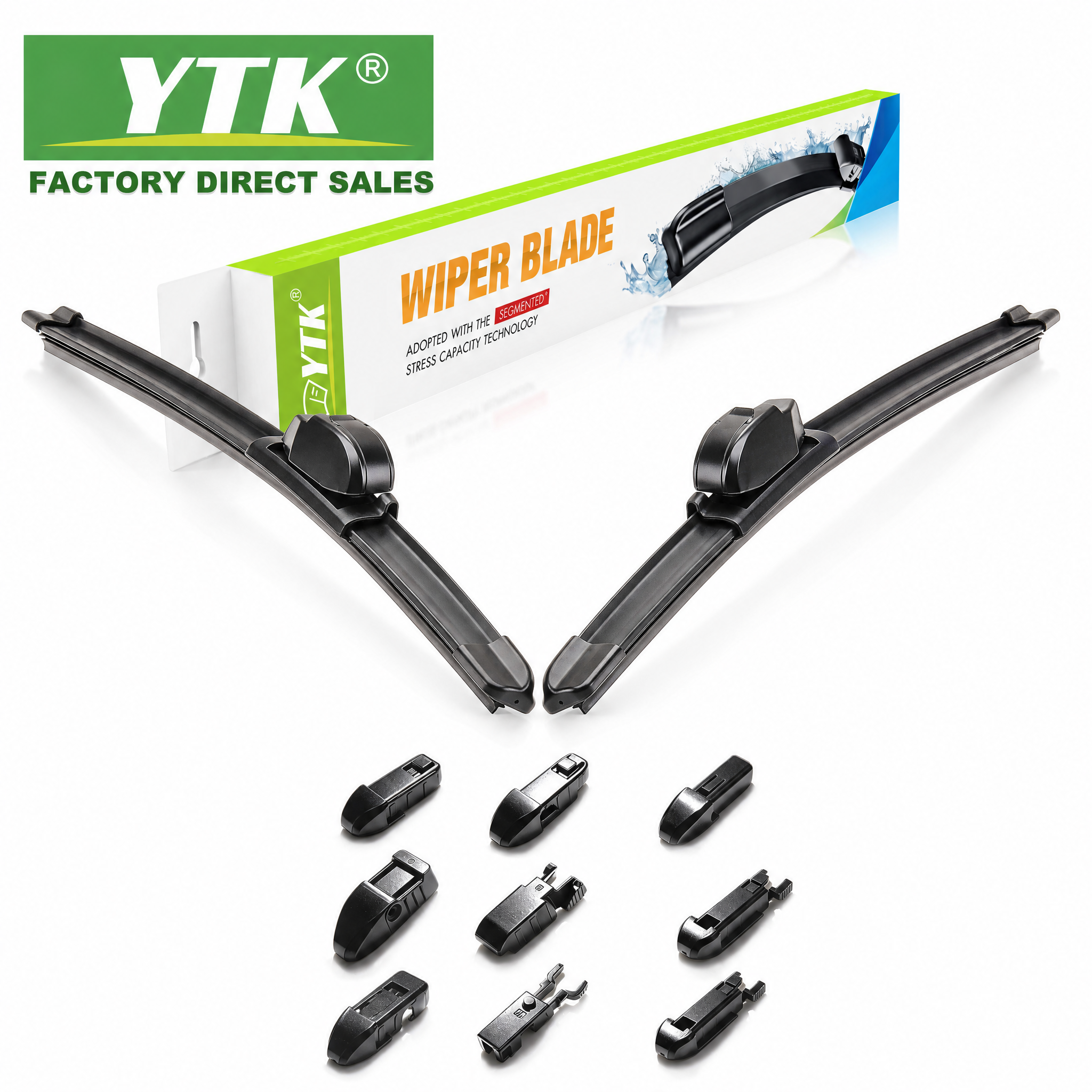
2026 YTK OEM Private Label Frameless Windshield Wiper Blade with Multi-Adapter, Natural Rubber 14-28 Inch
Technical Whitepaper: Engineering Automotive Rubber Bushings for Structural Durability
Automotive rubber bushings are the primary structural compliance nodes within internal combustion engine (ICE) and new energy vehicle (NEV) chassis architectures. Installed within multi-link suspension control arms, subframes, steering knuckles, anti-roll bars, engine mounts, and driveshaft center support assemblies, bushings serve a dual, contradictory engineering objective: providing high static stiffness for precise directional stability and wheel geometry control, while exhibiting dynamic compliance to absorb high-frequency road vibrations, harshness, and acoustical noise (NVH).
At our Hebei manufacturing hub, Xingtai JES Auto Parts Manufactuer Co., Ltd. has spent over two decades researching polymer rheology, surface chemlok bonding chemistry, and non-linear elastomeric behavior. A premium automotive rubber bushing is not simply a molded chunk of rubber pressed into a steel sleeve; it is a hyper-elastic, FEA-optimized fatigue component subjected to multi-axis torsional, axial, radial, and cardanic angular stresses throughout millions of road load cycles.
Natural Rubber (NR) Custom Formulation
Compounded with high-grade RSS1/SMR ribbed smoked sheet natural rubber. Formulated specifically for high-frequency isolation, optimal tensile strength (>22 MPa), and exceptional resilience with dynamic-to-static stiffness ratios (Kd/Ks) maintained below 1.25 to prevent harsh chassis transmission.
EPDM & Synthetic Copolymer Blends
Engineered for under-hood subframes, high-heat turbo engine brackets, and sub-zero Arctic environments. Formulations resist ozone cracking, high thermal saturation (-45°C to +135°C), hydraulic oil degradation, and extreme oxidative atmospheric weathering.
Phosphated Metal Bonding Sleeves
Seamless precision-drawn outer and inner steel sleeves (ST52, Q235, or aluminum alloys). Chemically phosphated, shot-blasted, and primed with high-adhesion Chemlok adhesive coatings to ensure rubber-to-metal bonding shear failure occurs purely within the elastomeric matrix (>10 MPa cohesive tear).
| Elastomeric Core Type | Hardness Range (Shore A) | Dynamic-to-Static Ratio (Kd/Ks) | Thermal Operating Range | Fatigue Life Expectancy | Primary OEM Application |
|---|---|---|---|---|---|
| Virgin Natural Rubber (NR) | 50 – 70 ±5 | 1.15 – 1.30 (Superior NVH) | -45°C to +85°C | > 3,500,000 cycles | Lower Control Arms, MacPherson Struts, Trailing Arms |
| Hydraulic Fluid-Filled (Hydromount) | 55 – 65 ±5 | Variable Damping Response | -35°C to +90°C | > 2,800,000 cycles | Front Subframe Front Nodes, Executive Saloon Links |
| High-Temperature EPDM / HNBR | 60 – 75 ±5 | 1.35 – 1.65 | -40°C to +140°C | > 2,500,000 cycles | Exhaust Mounts, Engine Isolators, Stabilizer Bars |
| Engineered Polyurethane (PU 90A) | 75 – 95 ±3 | 1.70 – 2.10 (Track Rigid) | -30°C to +100°C | > 1,800,000 cycles | Motorsport Upgrades, Heavy-Duty Armored Vehicles |
Strategic Sourcing: Future Procurement Trends in Automotive Chassis Components
As the international automotive aftermarket navigates rising inventory carrying costs, raw material volatility, and the global structural shift toward electric drivetrains, international buyers (importers, Tier-2 system integrators, and brand owners) are overhauling their China sourcing playbooks. The historical approach of buying purely on bottom-dollar FOB quotes has been rendered obsolete by quality containment failures, unpredictable container shipping shifts, and increasingly stringent environmental compliance frameworks.
Total Cost of Ownership (TCO) Prioritization
Procurement teams now factor in localized failure liability, return rates, and customer warranty reserves. Sourcing directly from verified manufacturers like JES with automated batch traceability reduces the risk of field delamination, squeaking recalls, and batch contamination across thousands of SKUs.
Consolidated Multi-Category Orders
Distributors streamline working capital by combining rubber bushings, center support bearings, wiper blade assemblies, and suspension links into single 40ft High Cube (HQ) mixed containers. JES leverages its extensive tooling portfolio to ship balanced replenishment shipments without punitive MOQs.
Digital Inspection & Factory Transparency
Global logistics managers demand third-party on-site audits (TÜV Rheinland), verified transaction indices, and high-resolution pre-shipment dimensional CMM reports. Transparency in raw material batch testing (rheometer curves, tensometer logs) is now a mandatory gateway for long-term supply contracts.
Product Evolution: The Impact of Electric Vehicles (EVs) on Bushing Design
The global transition to battery electric vehicles (BEVs) and plug-in hybrids (PHEVs) represents the most radical paradigm shift in automotive suspension engineering in fifty years. Electric vehicles present three fundamental challenges to traditional chassis bushings: heavier curb weights due to 400kg–700kg traction batteries, instantaneous peak torque delivery from electric drive motors, and the complete elimination of internal combustion engine masking noise.
In an electric vehicle, low-frequency road rumbling, tire cavity resonance, and suspension clunks that were once inaudible over an ICE engine are immediately detected by vehicle occupants. Furthermore, the extreme instantaneous torque loads transmitted through the subframe and control arm bushings require our R&D engineering laboratory to pioneer innovative structural geometries.
Asymmetric Void Geometries
CAD-designed radial relief voids tuned via finite element analysis (FEA). These configurations deliver soft, compliant damping under longitudinal acceleration bumps while providing ultra-rigid lateral stiffness to maintain precise camber/toe angles during high-g EV cornering.
Hydraulic Integrated Bushings (Hydro-Bushings)
Dual-chamber hydraulic bushings featuring internal fluid passages and inertia tracks. Fluid displacement dissipates severe shake and brake judder without increasing static shore hardness, setting a new benchmark for premium electric crossover suspension comfort.
Lightweight Composite & Aluminum Sleeves
Replacing traditional heavy steel outer sleeves with 6000-series structural aluminum and carbon-fiber reinforced polyamides. Reduces unsprung chassis mass by up to 38% per corner, directly contributing to extended battery range in next-generation electric platforms.
Xingtai JES Auto Parts Manufactuer Co., Ltd.
Operating from our modern production base in Taojiatun Industrial Park, Xingtai, Hebei, JES Auto Parts has evolved into an engineering-driven industrial exporter. Established in 1997, our facility spans 30,000 square meters, deploying high-precision multi-cavity injection molding machines, automated phosphorization coating lines, cryogenic deflashing units, and dynamic multi-axis fatigue test benches.
- TÜV Rheinland On-Site Verified
- Full CE Conformity Certification
- 10+ Production & Vulcanization Lines
- Export Footprint Across 60+ Nations
- Rubber Laboratory & Rheometer Testing
- In-House Mold Tooling Center
 TÜV Rheinland Audited
 CE Mark Conformity
 Verified Supplier
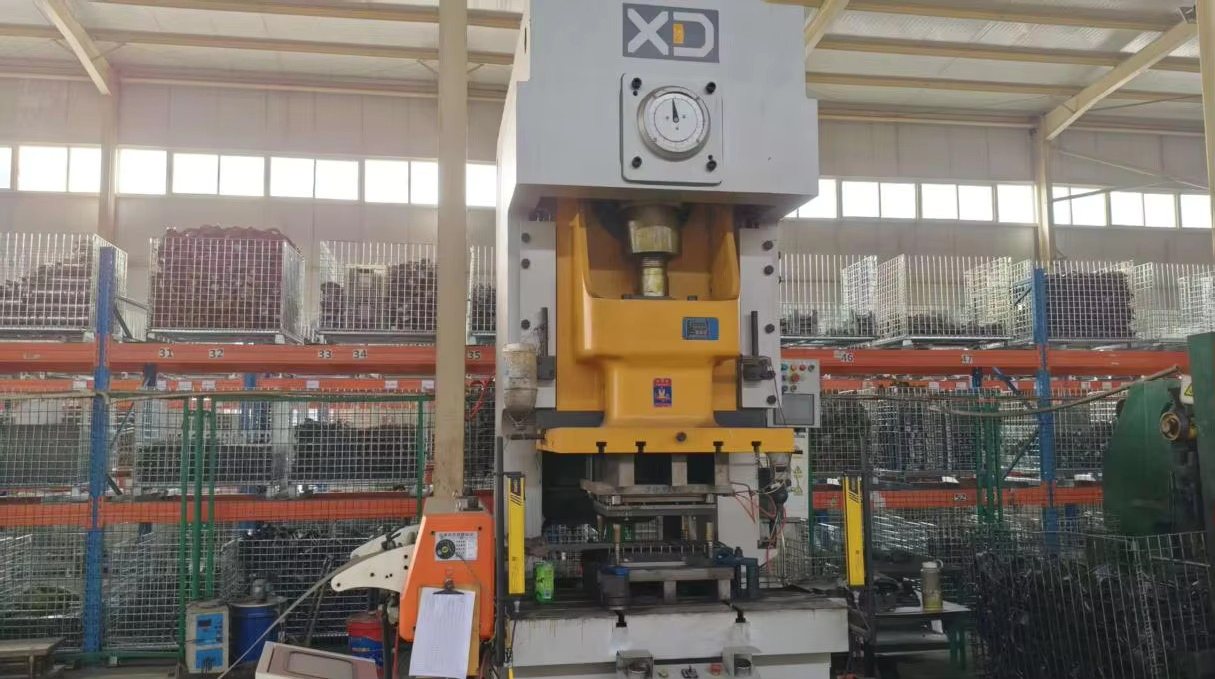
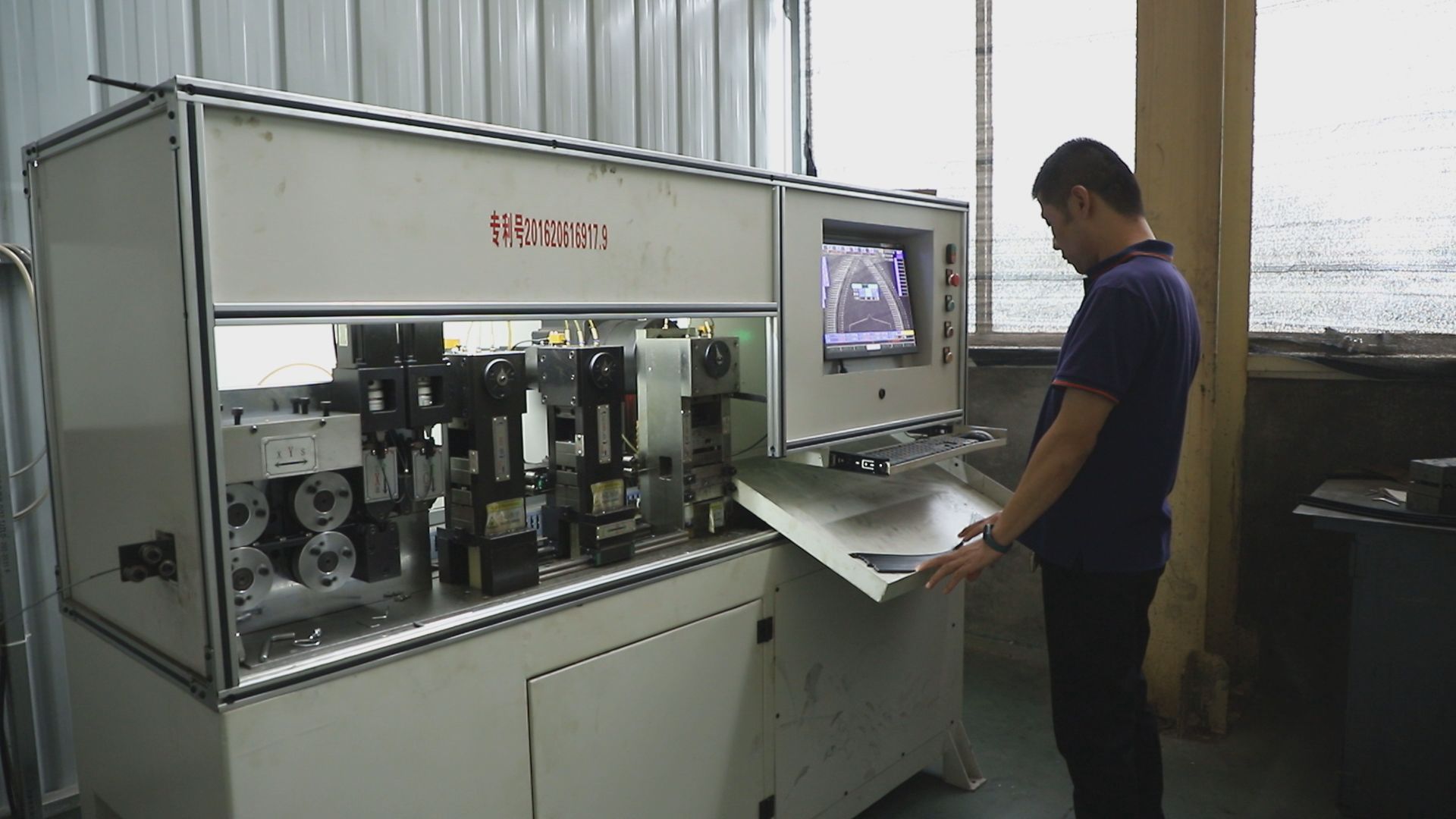
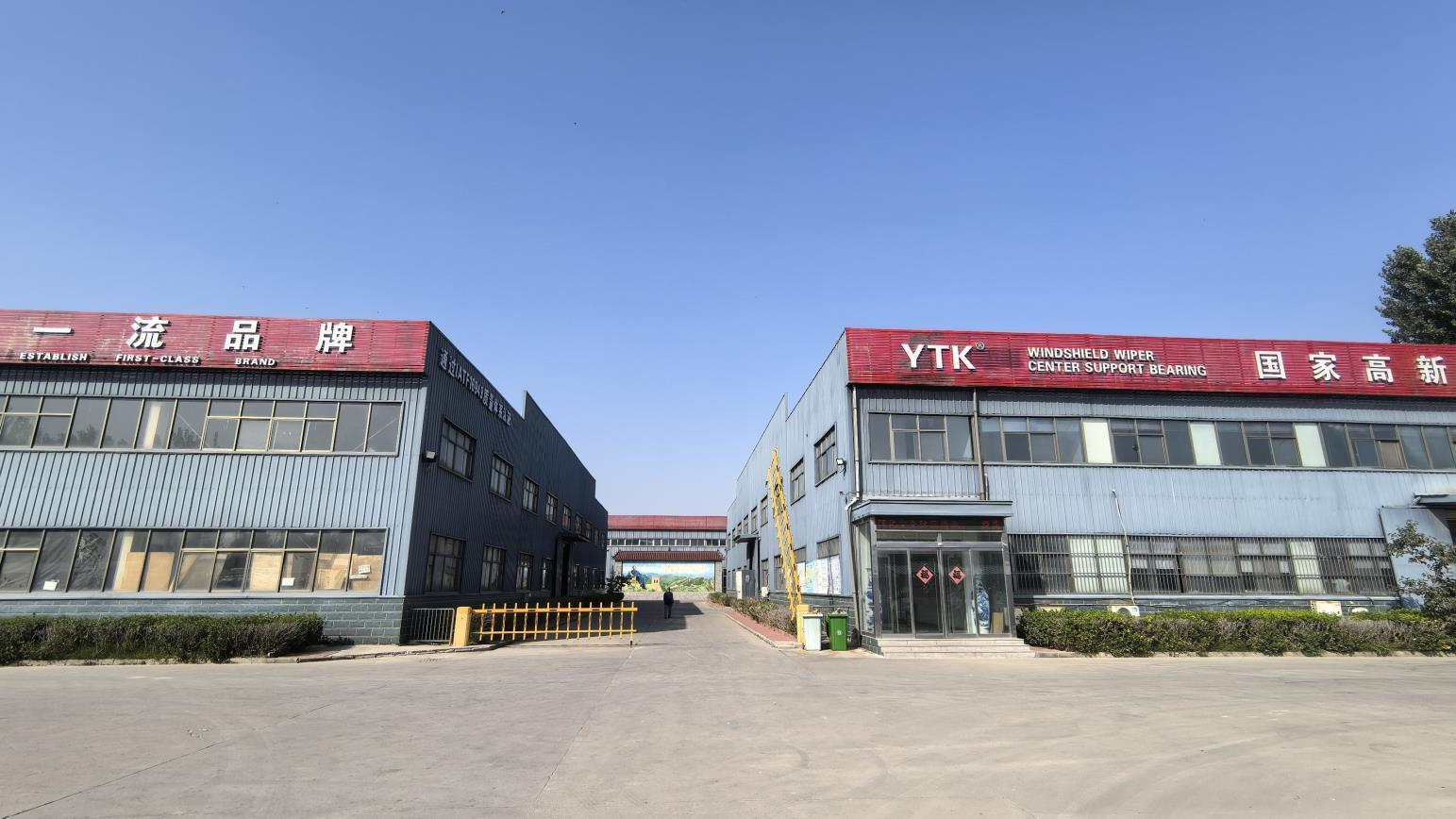
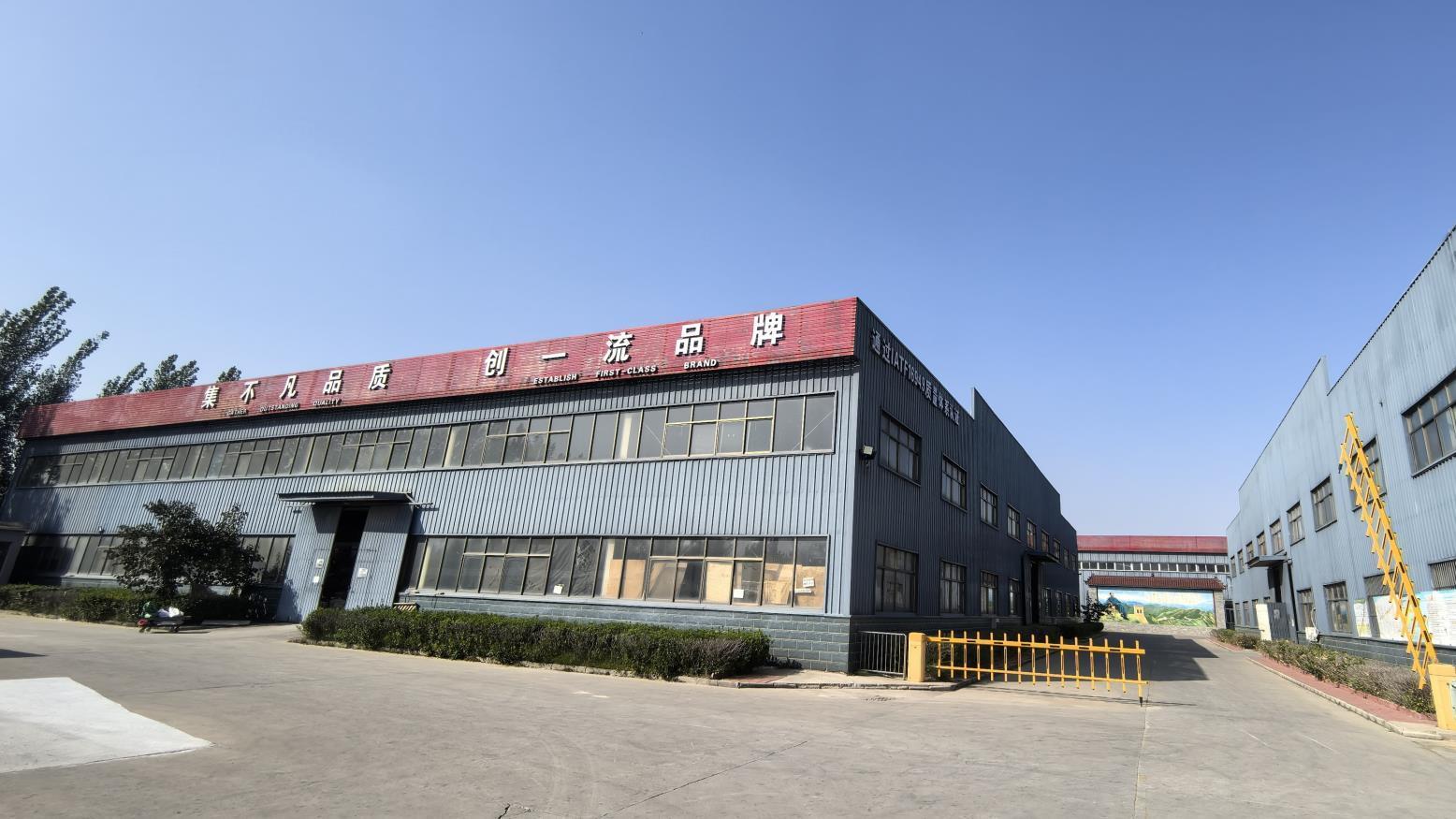
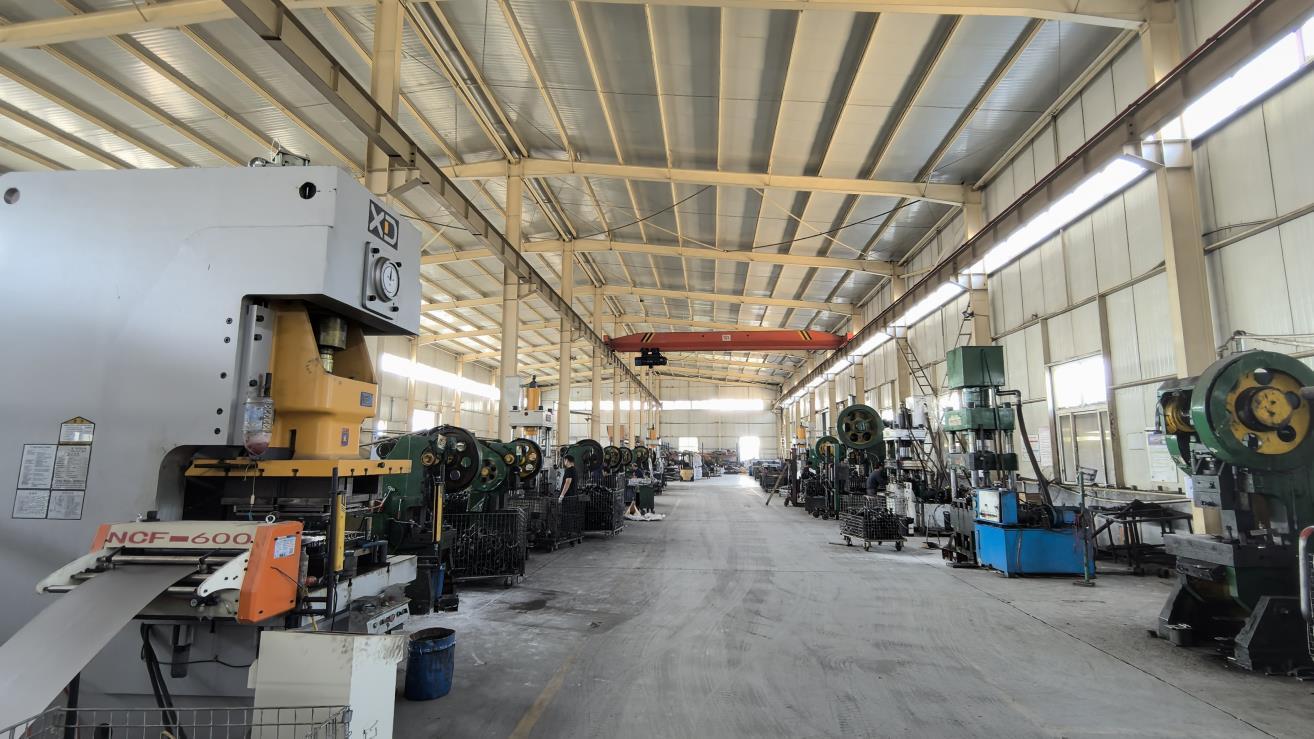
Real Workshop & Quality Inspection Real Shots
Direct photographic verification of our Hebei manufacturing complex, automated rubber compounding silos, compression molding stations, and packaging logistics lines.
Frequently Asked Questions: Sourcing Automotive Rubber Bushings
Practical technical and commercial answers addressing common engineering queries, quality control methodologies, logistics considerations, and custom mold tooling protocols.
How does JES guarantee rubber-to-metal bonding adhesion and prevent sleeve separation?
What is the standard Minimum Order Quantity (MOQ) and lead time for custom OEM bushing tooling?
How do natural rubber (NR) and polyurethane (PU) bushings compare for commercial distribution?
Can JES formulate customized rubber compounds for extreme Arctic or desert climates?
What lifecycle and dynamic durability testing certifications accompany each production batch?
What trade terms and settlement currencies are accepted for international container shipments?
Direct Sourcing from China's Premier Automotive Damping Factory
Partner with Xingtai JES Auto Parts Manufactuer Co., Ltd. for factory-direct engineering support, transparent pricing, verified TÜV Rheinland quality standards, and comprehensive private-label OEM catalog development.
