OEM Standard
Directly manufactured under rigorous IATF 16949-aligned compounding processes and TÜV Rheinland-verified protocols. Explore critical aftermarket and OEM assemblies optimized for durability, NVH dampening, and precise vehicle fitment.
Understanding dynamic elastomer formulation, chem-adhesion interfaces, and suspension geometry standards for tier-1 automotive, industrial heavy equipment, and commercial vehicle platforms.
In modern NVH (Noise, Vibration, and Harshness) mitigation, the rubber metal bushing functions as an indispensable dynamic joint. Unlike simple synthetic sleeves, high-performance automotive suspension bushings, center support assemblies, and subframe isolators rely on severe chemical-bonding metallurgy. The production cycle requires precision phosphating or shot-blasting of inner steel sleeves followed by the uniform application of solvent- or water-based Chemlok bonding primers. When injection molded or transfer molded under 180°C vulcanization conditions, the elastomer forms an irreversible inter-molecular covalent bond across the metallic substrate, achieving peel shear strengths in excess of 12 MPa.
Substandard bushing manufacturing typically manifests in accelerated delamination at the bonding interface. High-volume export operations must strictly implement dynamic rubber fatigue testers (MTS servo-hydraulic systems) capable of running axial and torsional sweeps across 2.5 million operational cycles to ensure the component survives road debris, corrosive de-icing brine, and petroleum lubricants without micro-cracking.
Procurement directors assessing industrial exporters must weigh internal rubber compounding capacity, tooling precision, cold-drawn steel tolerances, and IATF auditing status. Below is the comparative matrix benchmarking the global leaders across technical capabilities:
| Supplier / Hub Matrix | Core Competencies | Compound Specialization | Target Market Tiers | Audit Verification |
|---|---|---|---|---|
| 1. Xingtai JES Auto Parts Co., Ltd. (China) | Vertically integrated rubber-metal bonding, center support bearings, OEM/ODM co-development | Tailored Natural Rubber (NR), EPDM, High-temp Silicone | Global Aftermarket, Heavy Commercial, Private Label Brands | TÜV Rheinland Verified / CE |
| 2. Vibracoustic SE (Germany) | Pneumatic dual-chamber hydraulic bushings, advanced multi-body NVH modeling | Microcellular Polyurethane (MCU), High-Damping NR | Tier-1 Luxury OEM Passenger Vehicles | IATF 16949 / ISO 14001 |
| 3. Sumitomo Riko Co. (Japan) | Active vibration cancellation, ultra-low creep engine mounting systems | Engineered Diene Polymers, Fluoroelastomers | Japanese OEM Transplant Assembly Lines | IATF 16949 / JIS Q 9001 |
| 4. Hutchinson SA (France) | Aerospace and railway structural isolators, heavy vehicle chassis bushings | Hydrogenated Nitrile (HNBR), Dynamic NR Compounds | Mass Transit, Commercial Fleet Systems, OEM Defense | EN 9100 / IATF 16949 |
| 5. ZF Friedrichshafen (BOGE) (Germany) | Lightweight aluminum-cased rubber bushings, structural link integration | Optimized Viscoelastic Formulations | Global Commercial Trucks, European Premium Platforms | IATF 16949 / ISO 9001 |
| 6. Cooper Standard (USA) | Fluid-filled hydraulic bushings, anti-chuckle suspension isolators | Proprietary Fortrex™ Elastomeric Chemistry | North American SUV & Light Truck Platforms | IATF 16949 Verified |
| 7. Tenneco Inc. (Clevite Elastomers) (USA) | Extreme torsional articulation bushings, heavy commercial suspension pivots | High-modulus NR, Synthetic Polyisoprene | Heavy-Duty Class 8 Trucking, Agricultural Machinery | ISO 9001 / IATF 16949 |
| 8. Yamashita Rubber Co., Ltd. (Japan) | Precision fluid dynamic engine mounts, subframe compliance bushings | Specialty Low-Temperature Synthetic Blends | Asia-Pacific High-Volume Passenger Cars | IATF 16949 / ISO 14001 |
| 9. Continental ContiTech (Germany) | Industrial air springs, complex elastomeric powertrain decoupling dampers | Advanced EPDM, Thermoplastic Vulcanizates (TPV) | Industrial Rail, Commercial Power Units, OEM Trucks | DIN EN ISO 9001 / IATF |
| 10. Bando Chemical Industries (Japan) | High-speed dynamic decoupling, precision elastomeric linkages | Chloroprene (CR), Specialty Polyurethane | Specialized Machinery, Industrial Power Transmissions | ISO 9001 / ISO 14001 |
Strategic supply chain dynamics shifting procurement models from transactional sourcing to total cost-of-quality integration.
Battery electric vehicles (BEVs) typically impose a 20% to 35% curb weight increase over internal combustion vehicles, driving an immediate need for ultra-high load-bearing bushings. Traditional suspension joints fail under extreme instantaneous torque, requiring procurement managers to specify higher Shore A hardness (65–75 Shore) elastomers reinforced with carbon black structures and precision seamless cold-extruded steel tubes.
Importers and tier distributors are increasingly divesting from separate multi-SKU sourcing. Rather than purchasing unbonded rubber sleeves, stamped steel brackets, and mounting fasteners independently, buyers favor suppliers delivering complete pressed assemblies—such as center support bearings with balanced rotational cores or complete control arms with pre-pressed, calibrated bushings.
The era of unverified trading brokerages is receding. Global importers face strict liability in commercial fleet operations, prompting direct contracts with verified factories. On-site auditing by accredited inspection bodies (e.g., TÜV Rheinland, SGS), publicly verifiable trade histories, and comprehensive raw material batch reports have become non-negotiable prerequisites.
How material science innovations are redefining performance thresholds across extreme temperatures, mechanical hysteretic damping, and lightweight design.
Transitioning from standard carbon black N330/N550 to silane-coupled precipitous silica delivers ultra-low hysteretic heat buildup, preventing thermal degradation during continuous high-frequency articulation.
Hydro-bushings integrate internal glycol fluid chambers regulated by calibrated inertial orifices, dynamically decoupling harsh ride frequencies (>30 Hz) while damping large chassis displacement shocks (<15 Hz).
To strip sprung weight from unsprung suspension corners, outer stamped steel shells are yielding to anodized 6061-T6 aluminum alloys and high-rigidity continuous-fiber glass/polyamide composite casings.
Nonlinear elastomeric Finite Element Analysis (e.g., Mooney-Rivlin, Ogden models) optimizes void geometries inside the bushing, delivering asymmetric stiffness rates for cornering stability vs. linear bump compliance.
Operating from our established manufacturing hub in Hebei, China, we combine 25+ years of rubber compounding know-how, advanced metal tooling, and verified export operations.
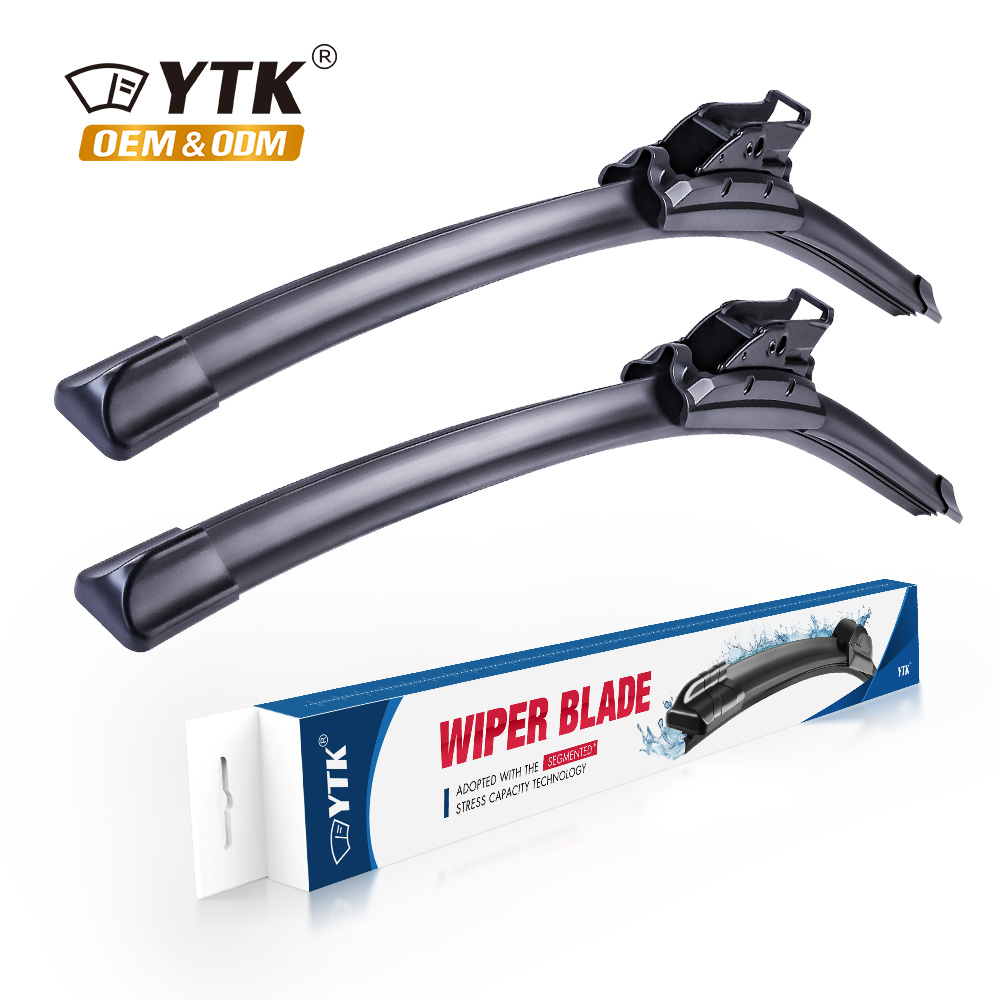
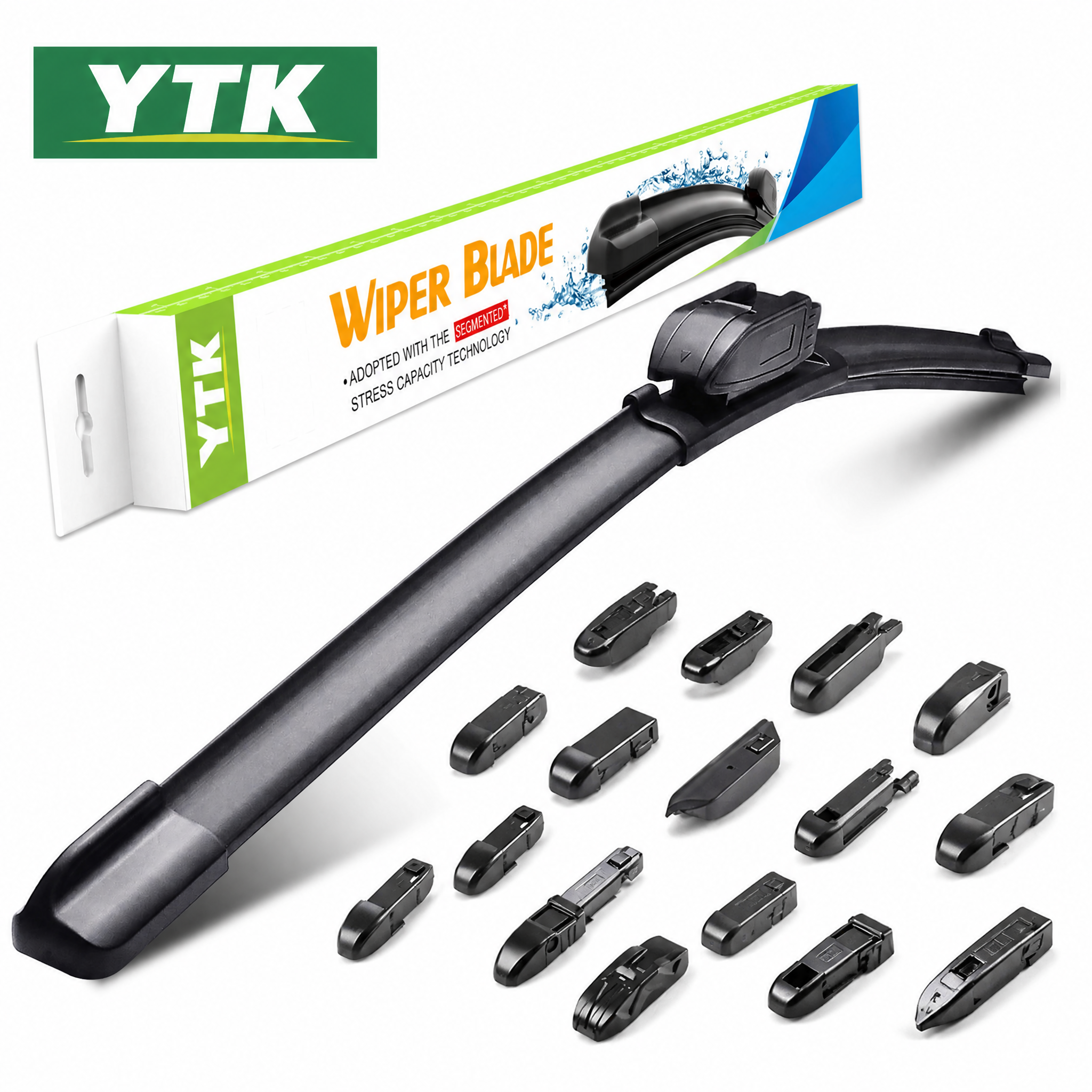
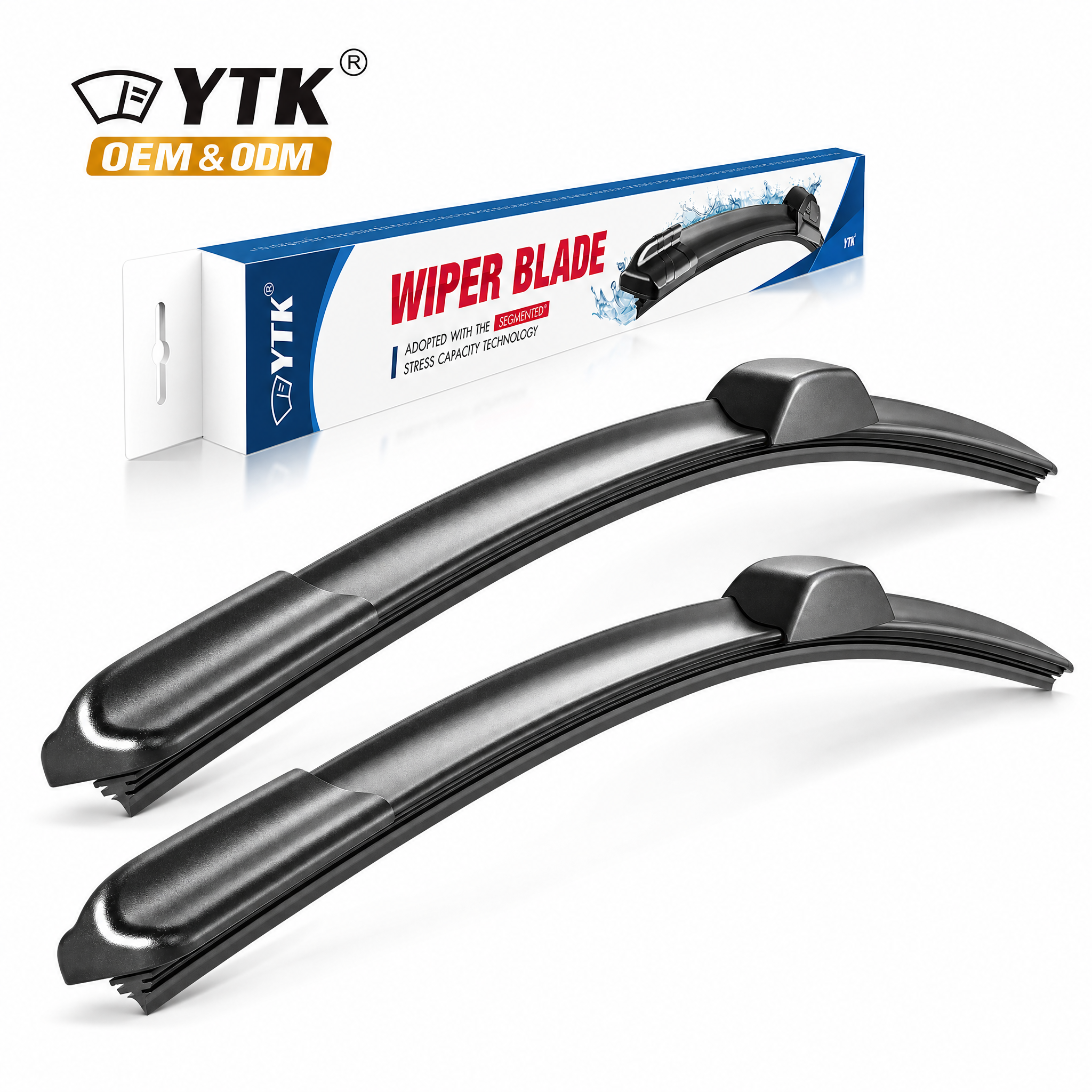
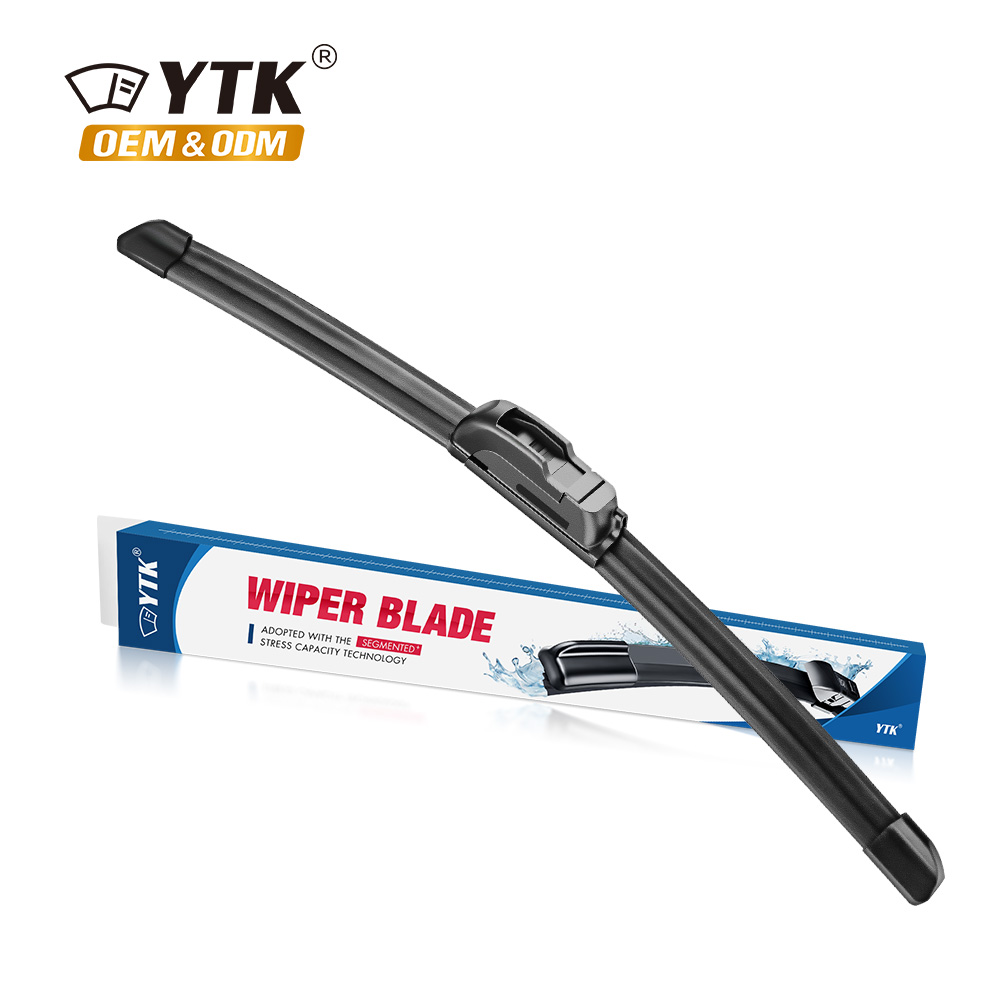
Established in 1997, JES Auto Parts originated with precision center support bearings and bonded rubber assemblies before expanding into complete wiper systems and anti-vibration chassis parts. We deliver deep mechanical engineering, not transactional brokerage.
Equipped with 10+ modern production lines, high-pressure injection vulcanization presses, and continuous extrusion chambers. With an annual capacity exceeding 12 million units, we ensure consistent container-load fulfillment and rapid prototype turnaround.
Our facility and production lines are assessed on-site by TÜV Rheinland. Products carry full CE conformity markings, backed by clear FOB, CFR, and CIF shipping logistics serving over 60 global markets across North America, Europe, and Asia.
Critical technical considerations addressing tooling, compound specifications, testing standards, and container logistics.
Connect directly with our engineering division in Xingtai, Hebei. Request comprehensive technical drawings, material batch reports, or custom OEM tooling quotes tailored to your exact aftermarket catalogue or industrial assembly requirements.
