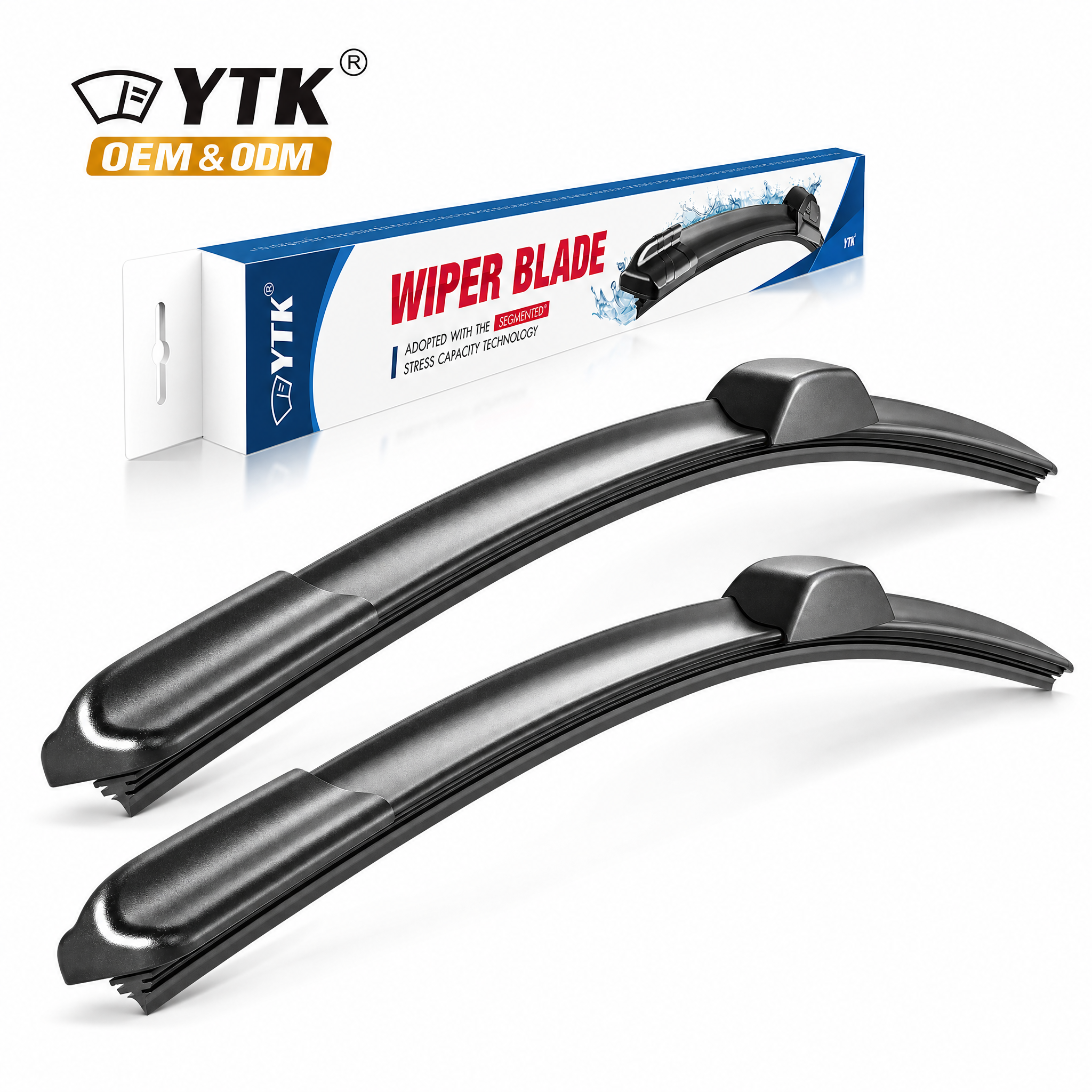
Catalog & Assembly Components
Featured Aftermarket Components & Precision Solutions
Engineered to OE specifications with micro-meter tolerances, balanced shore hardness, and fatigue resistance for worldwide wholesale fleets.
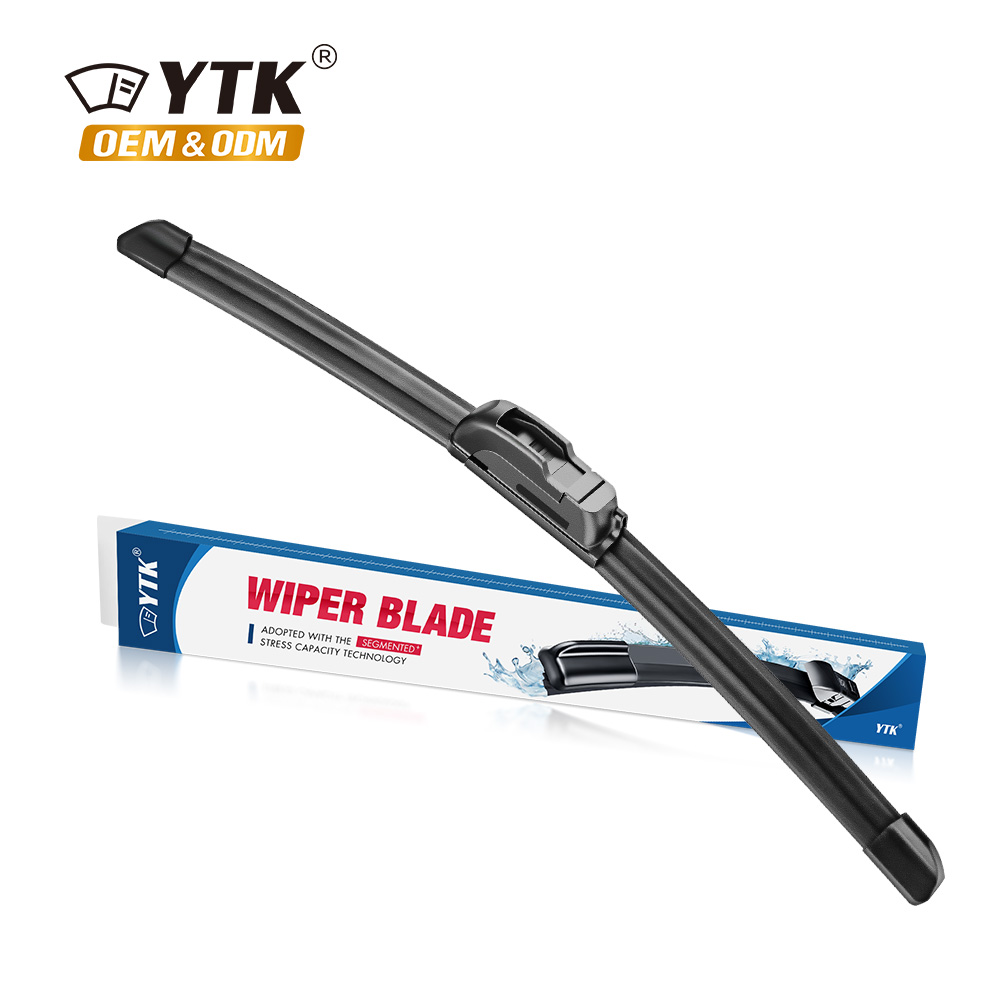
High Quality Windshield Wiper Adapter Car Wiper Blade Connector
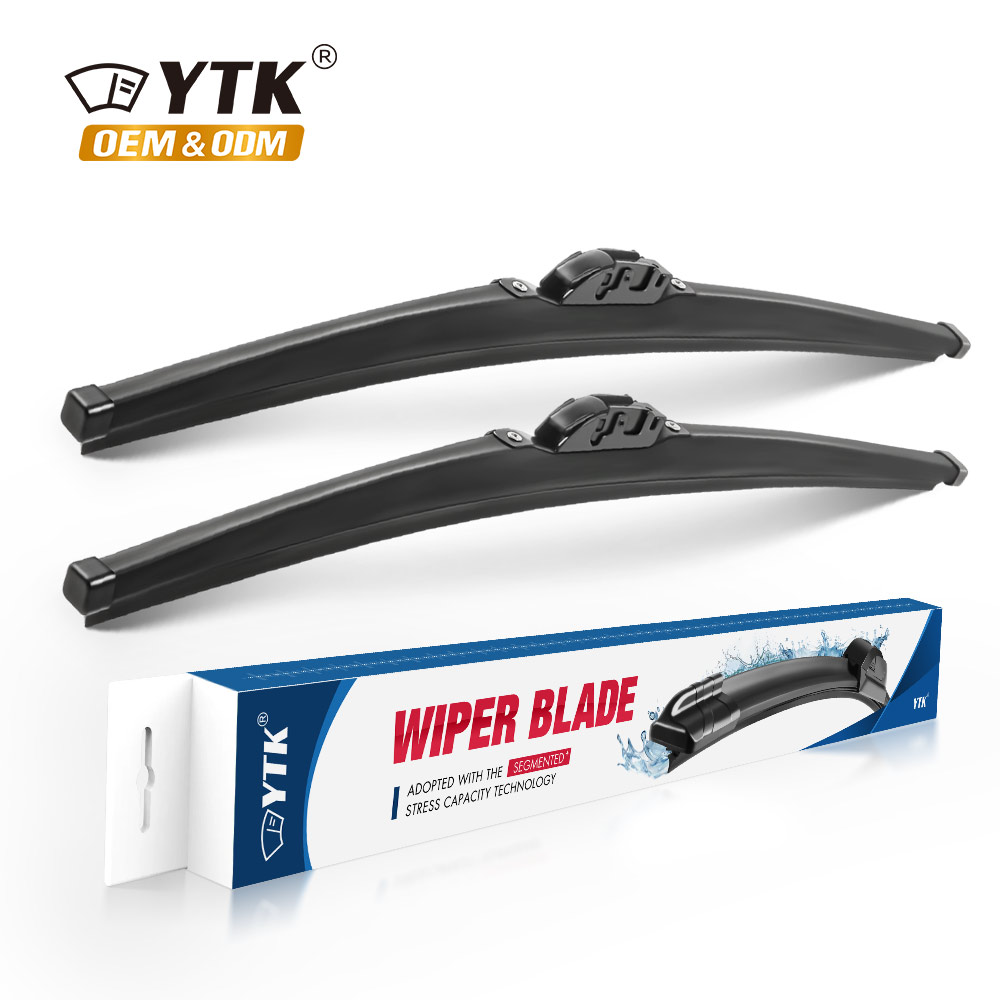
YTK OEM Private Label Heavy Duty Car Snow Removal Tooling
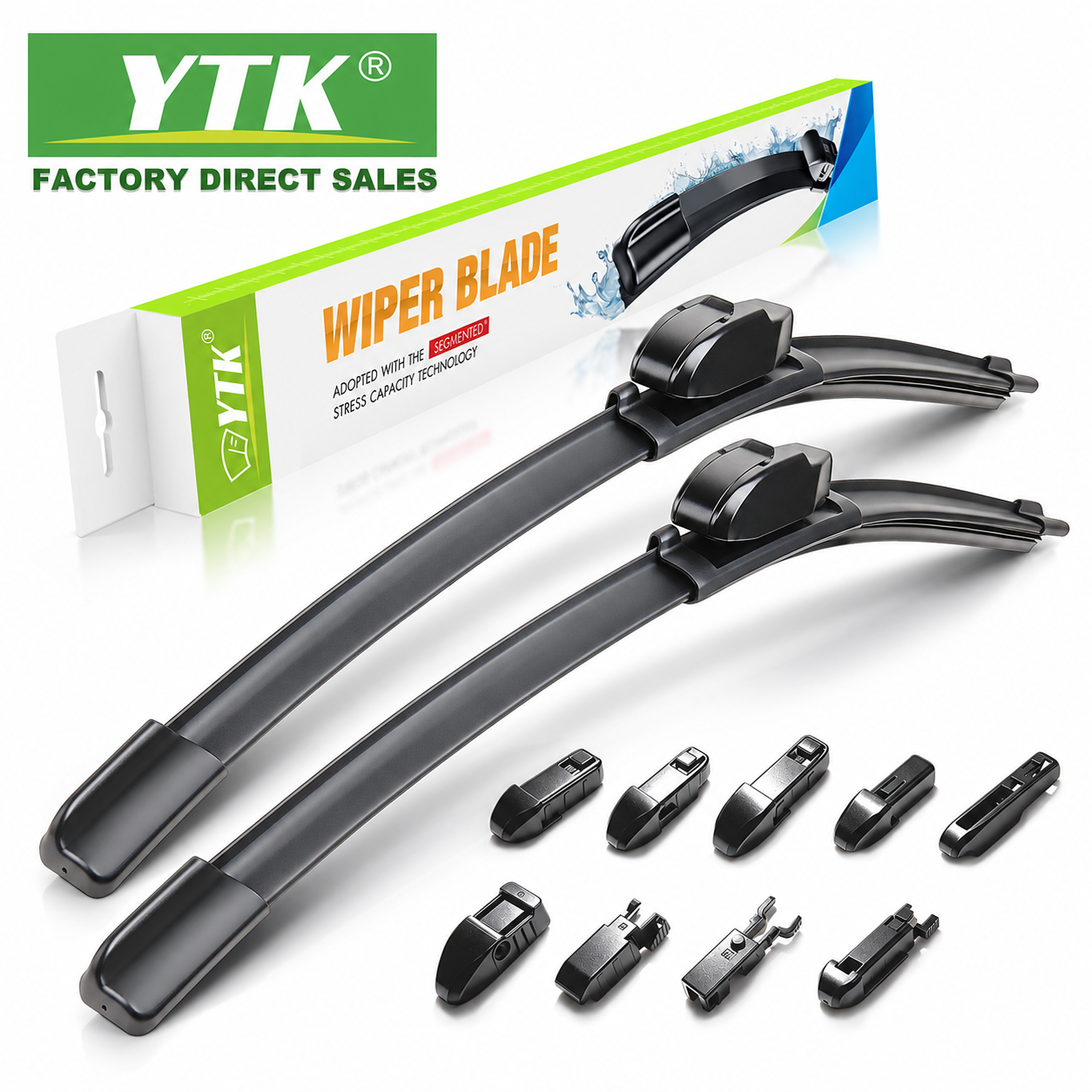
OEM Private Label Frameless Wiper Blade 14-28 Inch Multi-Adapter
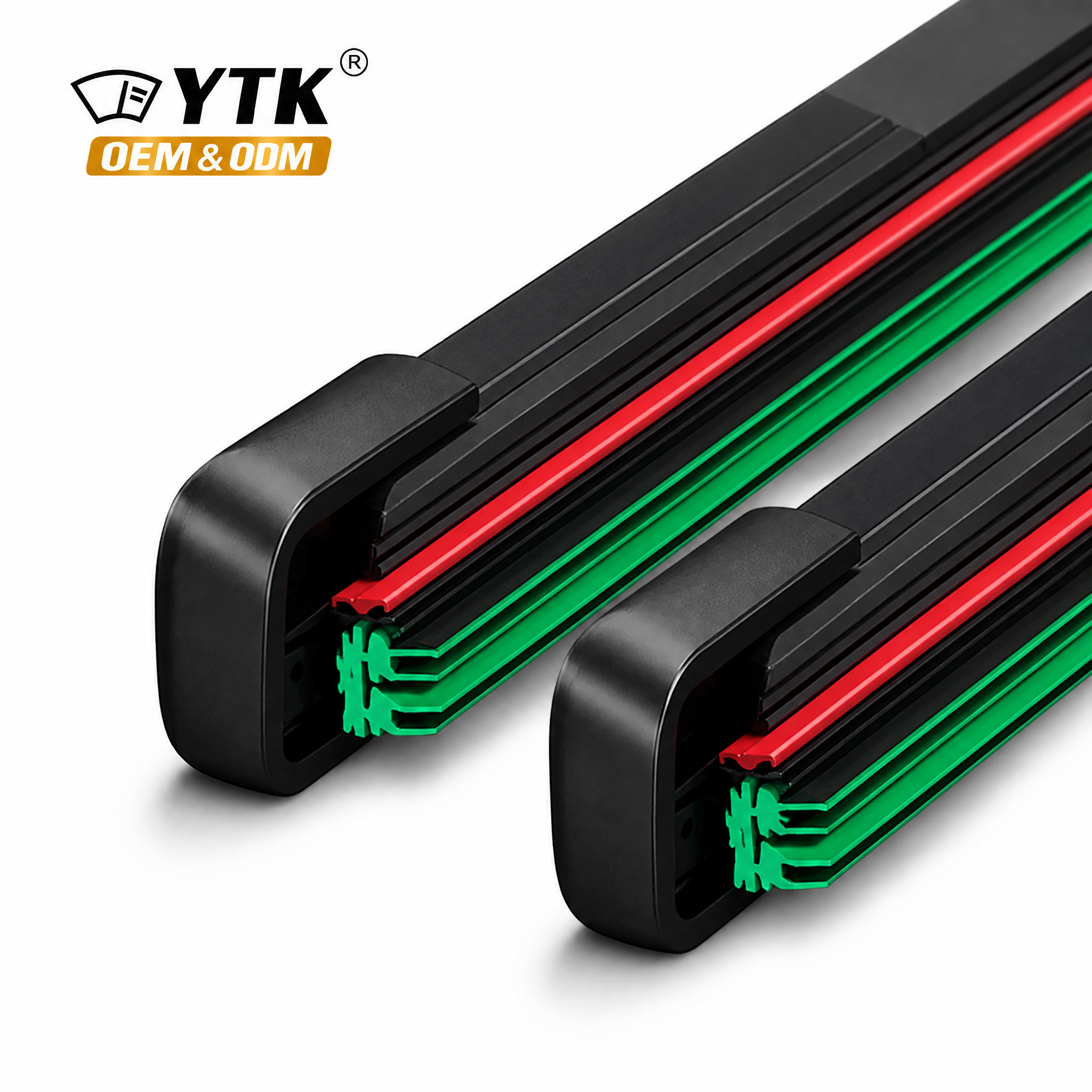
Universal Front Window Natural Rubber Refill Replacement Strips
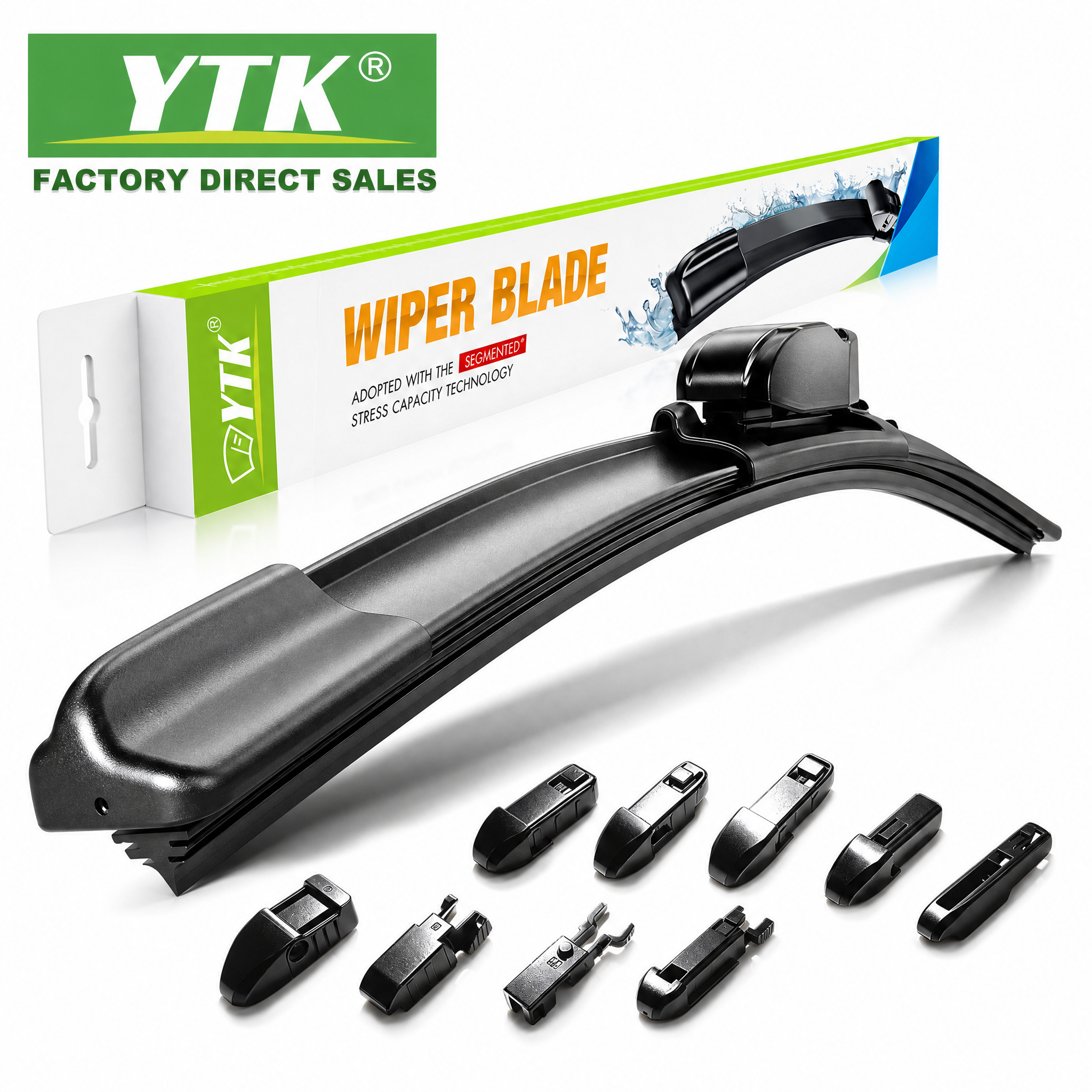
YTK OEM Private Label Multi-Adapter Wiper Blade Natural Elastomer
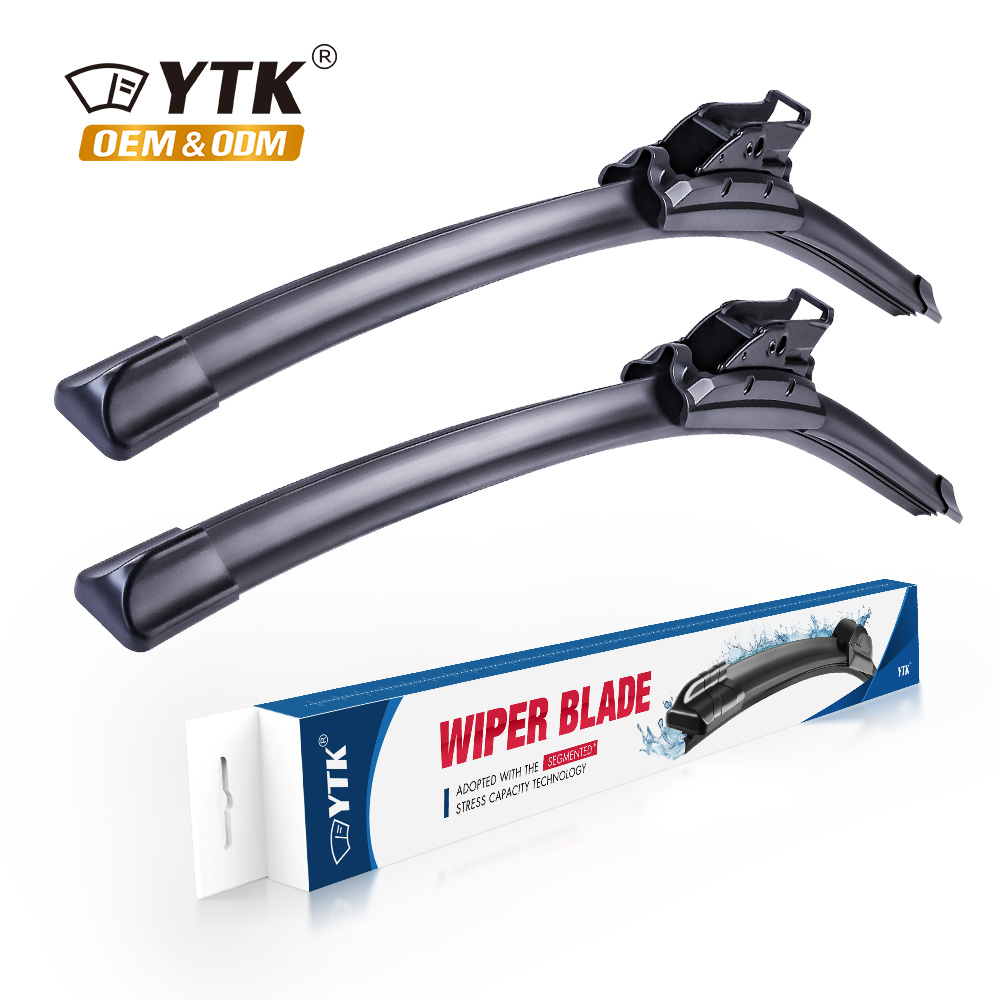
YTK Multi-Function Frameless Beam Blade for Aftermarket Brands
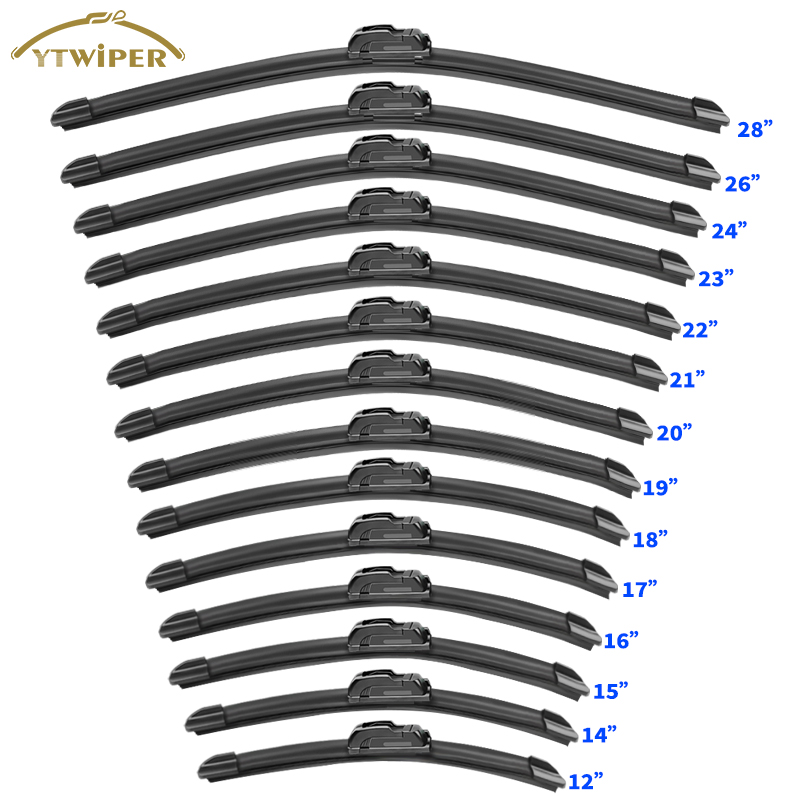
Universal Premium Front Windscreen Rubber Blades for European Parc
Engineering Whitepaper & NVH Dynamics
Driveshaft Center Support Bearings & Rubber Cushion Isolation
An in-depth metallurgical and elastomeric assessment of intermediate driveshaft stabilization, dynamic imbalance dampening, and rubber-to-metal vulcanization.
In two-piece and multi-segmented propshaft architectures found across rear-wheel drive (RWD), four-wheel drive (4WD), and commercial vehicle platforms, the center bearing rubber mount serves as the critical damping junction. It is engineered to absorb axial, radial, and torsional shock loads generated during high-speed shaft rotation, torque transitions, and suspension articulation. Operating in conjunction with high-grade sealed deep-groove ball bearings, the surrounding rubber cushion is tasked with dampening residual driveline harmonics without introducing deflection that could cause universal joint misalignment or excessive driveline play.
As tier-1 suppliers and direct OEM/ODM manufacturers, Xingtai JES Auto Parts manufactures center bearing rubber mounts utilizing precision-molded elastomeric formulations—primarily premium Natural Rubber (NR) compounds and Ethylene Propylene Diene Monomer (EPDM). These compounds are chemically bonded to deep-drawn cold-rolled carbon steel brackets via high-adhesion vulcanization primers. This engineering document details the manufacturing paradigms, failure root-causes, and procurement standards for institutional wholesalers and automotive aftermarket distributors.
Elastomeric Damping (NVH)
Calibrated between 55 to 65 Shore A hardness, the rubber compound delivers structural dampening across high-frequency resonance bands, preventing cabin rumble and driveline vibration under torque loading.
Chemlok® Bonding Durability
High-pressure vulcanization creates an integrated bond between the steel cage and rubber isolator. Shear testing verifies bond strength exceeding rubber tear thresholds to eliminate catastrophic detachment.
Bearing Core Protection
Equipped with internal double-lip polyacrylate or NBR contact seals and premium polyurea synthetic greases, shielding raceways from road spray, grit, and thermal degradation up to 130°C.
| Evaluation Parameter | Aftermarket Commercial Tier | JES OEM/ODM Heavy-Duty Tier | Test Standard / Methodology |
|---|---|---|---|
| Elastomer Material Base | Recycled / SBR Blend | 100% Virgin NR or Synthetic EPDM | ASTM D2000 / ISO 1629 |
| Tensile Strength (MPa) | ≥ 10.5 MPa | ≥ 17.5 MPa | ASTM D412 Die C |
| Elongation at Break (%) | ≥ 300% | ≥ 480% | ASTM D412 |
| Rubber-to-Metal Bond Strength | ≥ 4.0 kN/m (Partial Delamination) | ≥ 8.5 kN/m (100% Rubber Tear) | ASTM D429 Method B (90° Peel) |
| Bearing Radial Clearance | Standard C2 / CN Tolerance | Precision C3 Clearance Class | ISO 5753-1 |
| Ozone Cracking Resistance | 50 pphm, 20% Strain, 48h | 100 pphm, 20% Strain, 168h No Cracks | ASTM D1149 / ISO 1431 |
Market Evolution & Dynamics
Future Sourcing & Manufacturing Trends
How vehicle platform shifts, logistics optimizations, and material engineering are redefining the center bearing mount and automotive rubber supply chain through 2026–2030.
1. High-Torque Fleet Platforms
The transition toward commercial hybrid powertrains and performance AWD crossovers demands rubber cushions capable of managing immediate low-end torque spikes. Center support mounts must now sustain 30% higher cyclic shear loading without premature elastic degradation or permanent set.
2. Direct Factory Consolidation
Global auto parts wholesalers are actively bypassing intermediate export brokers to forge direct technical ties with integrated Hebei manufacturing hubs. Full transparency into rubber compounding, metal stamping, and testing records drastically reduces defect claim rates and warranty liabilities.
3. Modular Private-Label Systems
Importers are migrating toward lean SKU architectures where a single core housing platform can accommodate customized mounting brackets, multi-bore inserts, and unified OE-fit hardware kits, minimizing inventory holding costs by up to 22%.
Enterprise Reliability & Infrastructure
Why Global Importers Source With JES Auto Parts
Vertical integration across metal stamping, elastomer formulation, and automated final testing delivers consistent quality container after container.
Deep Manufacturing History
Founded In 1997
With over 25 years of specialized manufacturing experience, our journey began in Hebei producing intermediate driveline supports, evolving into a world-class automotive elastomer and wiper manufacturing center.
International Validation
TÜV Rheinland Assessed
Our facility and production lines are verified on-site by TÜV Rheinland. We operate transparently with audited trade records, maintaining an average 4.8 / 5.0 buyer satisfaction rating across global channels.
Massive Scale & Capacity
10+ Production Lines
Operating across 30,000 square meters of specialized workshop floor space, our capacity easily supports high-volume container shipments with annual outputs exceeding US$50M to US$100M.
Global Presence
Exporting to 60+ Nations
We supply distributors, regional wholesalers, and brand owners across North America, Western Europe, Northern Europe, Latin America, Australia, and Southeast Asia under FOB, CFR, and CIF trade terms.
Full Product Lifecycle
Complete OEM/ODM Services
From technical CAD modeling and dynamic fatigue simulation to custom-printed retail packaging, blister enclosures, and laser bracket engraving, we build private-label lines from the ground up.
Flexible Commercial Terms
B2B Financial Flexibility
We facilitate streamlined procurement workflows accepting T/T, L/C, PayPal, Western Union, and Escrow payments settled in USD, supported by professional documentation and container packing.
Procurement Clarity & Due Diligence
Frequently Asked Purchasing Questions
Everything technical procurement teams, sourcing agents, and parts wholesalers need to know prior to requesting custom quotations.
Q1: How does JES prevent rubber-to-metal delamination in intermediate mounts?
Delamination is completely mitigated through our strict 3-stage surface treatment protocol. Stamped steel brackets undergo grit-blasting to achieve surface roughness, followed by automated immersion in proprietary Chemlok® adhesive primers. Vulcanization is conducted in automated presses under continuous temperature and pressure logging, ensuring a chemical co-cure that causes rubber tear failure long before adhesive peel occurs.
Q2: What are the Minimum Order Quantities (MOQs) for OEM private label projects?
For existing tooling and standard center bearing or wiper SKUs, our MOQ starts at 50 to 100 units per reference. For bespoke private-label packaging, custom color boxes, or branded stamping on metal brackets, initial project MOQs generally begin at 500 to 1,000 units per reference. We offer mixed-container options for established distributors to facilitate diverse catalog stocking.
Q3: Can JES manufacture center bearing rubber mounts from OEM samples or CAD files?
Yes. Our engineering division operates advanced CMM (Coordinate Measuring Machines), optical profile projectors, and FEA simulation software. We can reverse-engineer or customize mounts directly from physical OE samples, 2D blueprints, or 3D STEP/IGES models, delivering validated pilot samples within 20 to 30 business days inclusive of mold tooling.
Q4: How do you test and qualify center bearing mount assemblies for high-speed operation?
Every production batch undergoes a battery of mechanical tests: durometer hardness verification (Shore A), tensile strength, elongation at break, axial and radial dynamic stiffness testing, and multi-axis endurance cycle tests. Furthermore, the pressed-in bearing cores undergo high-speed balance testing up to 6,000 RPM to certify vibration-free driveline rotation.
