High-Precision Automotive Components & Assembly Systems
Manufactured under strict ISO/TS compliance, automated elastomer curing, and robotic bonding verification for global distributors and OEM supply chains.
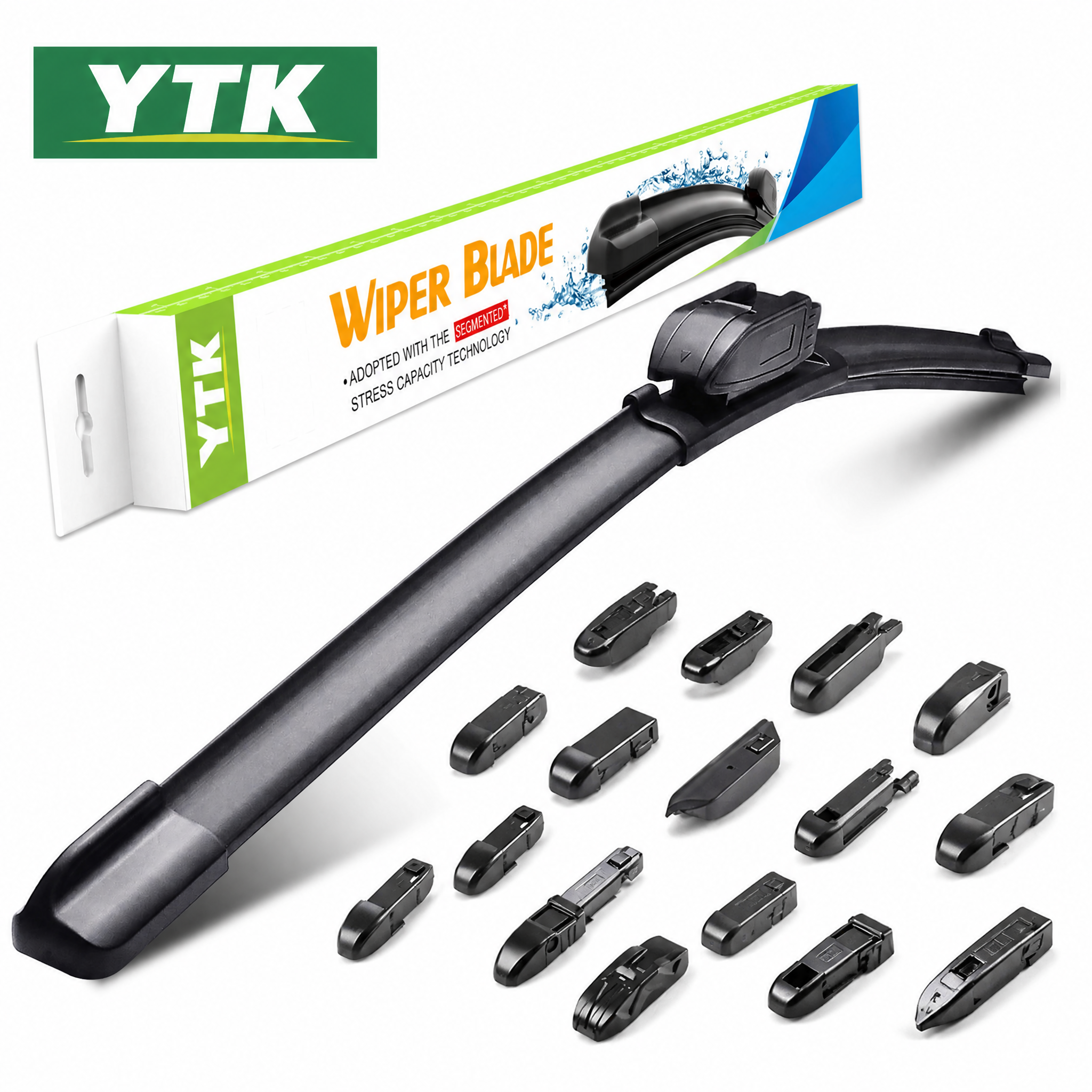
Private Label OEM Multi-Function Windshield Wiper Blade, Universal Frameless Car Wipers for Long-Term Supply Programs
- Natural Rubber Strip
- Multi-Function Fitment
- CE Marked
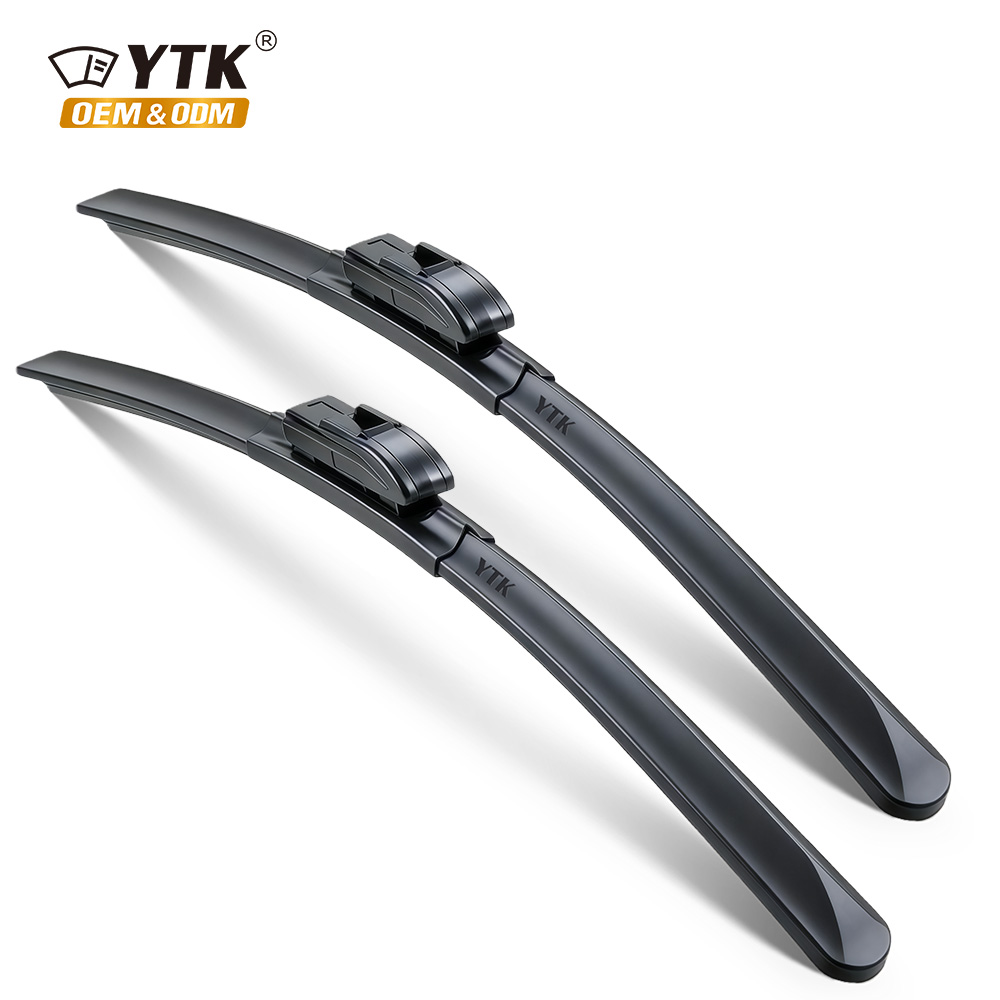
Bulk OEM Universal Multi-Function Windshield Wiper Blades, Frameless Car Wipers for Wholesale Auto Parts Buyers
- Aero Beam Profile
- Graphite Coated
- Container Pricing
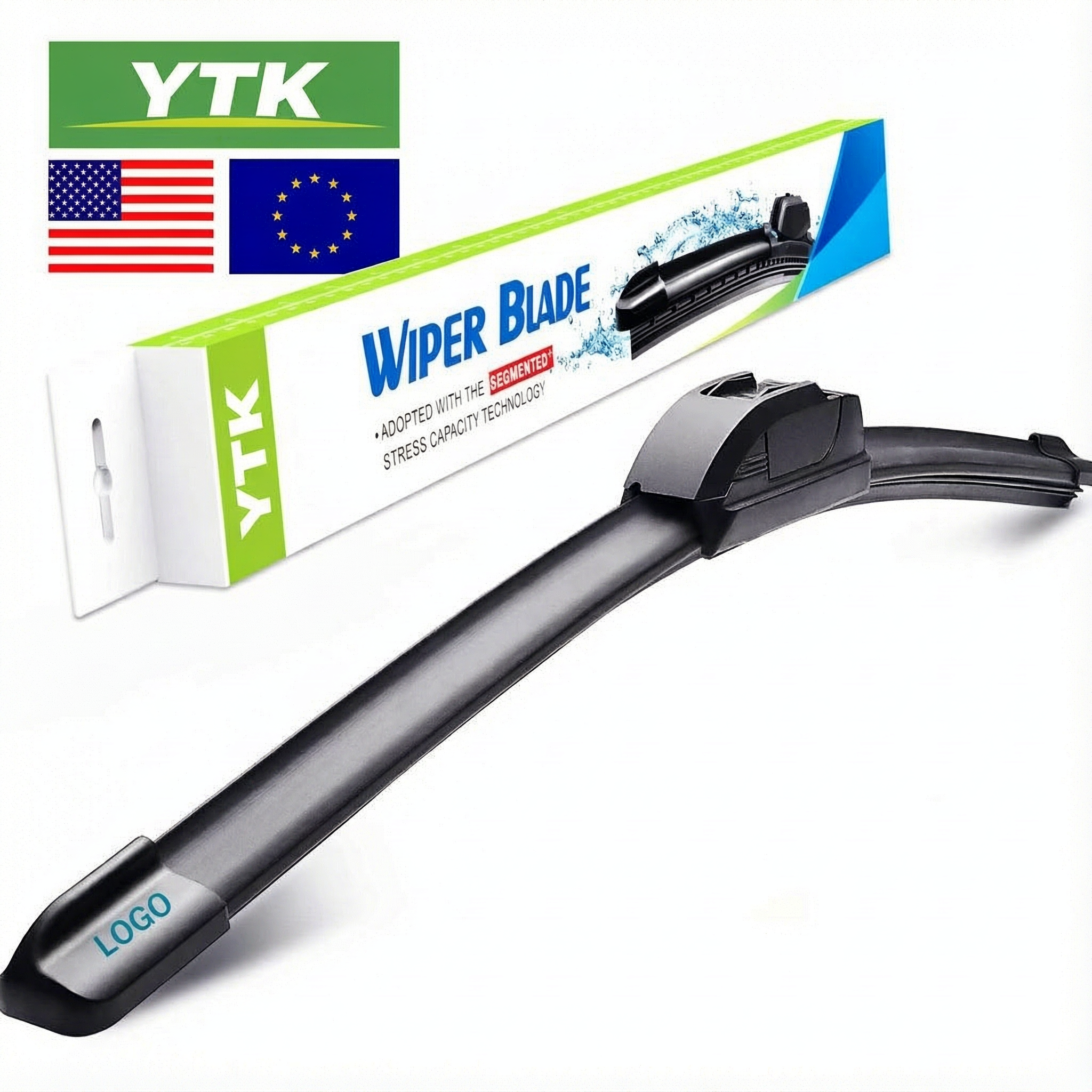
YTK Universal Soft Windshield Wiper Blades Natural Rubber Car Wipers with Free Packaging Design Service
- Premium Elasticity
- Free Retail Box CAD
- TÜV Assessed
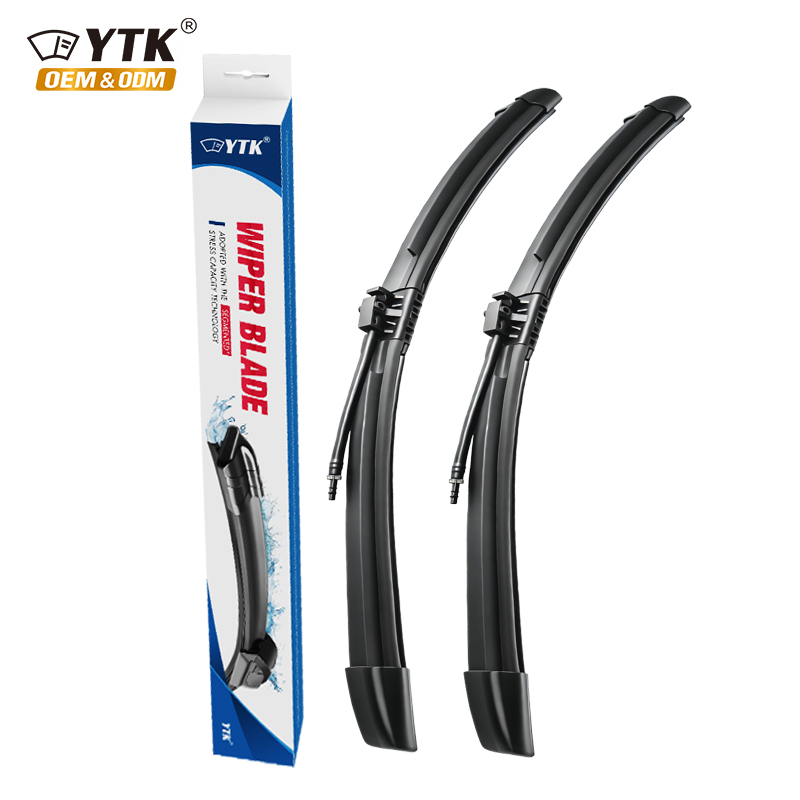
High Quality 2026 OEM Car Accessories Universal Car Spray Water Wiper Windscreen Wiper Blade for Car
- Integrated Jet Nozzle
- All-Weather Durability
- OEM Replacement
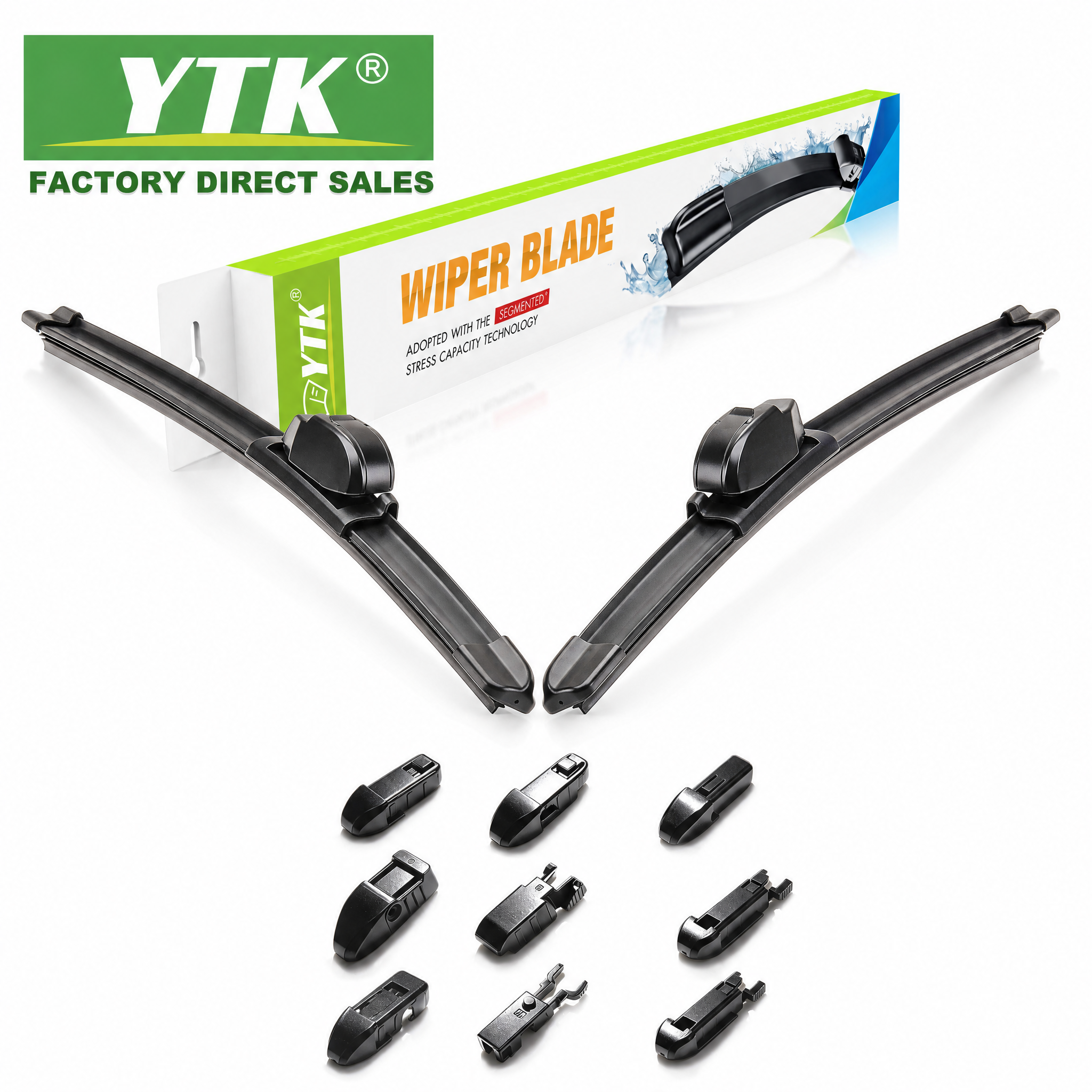
2026 YTK OEM Private Label Frameless Windshield Wiper Blade with Multi-Adapter, Natural Rubber 14-28 Inch
- SK6 Spring Steel
- 10+ Adapter Set
- 95% Parc Fitment
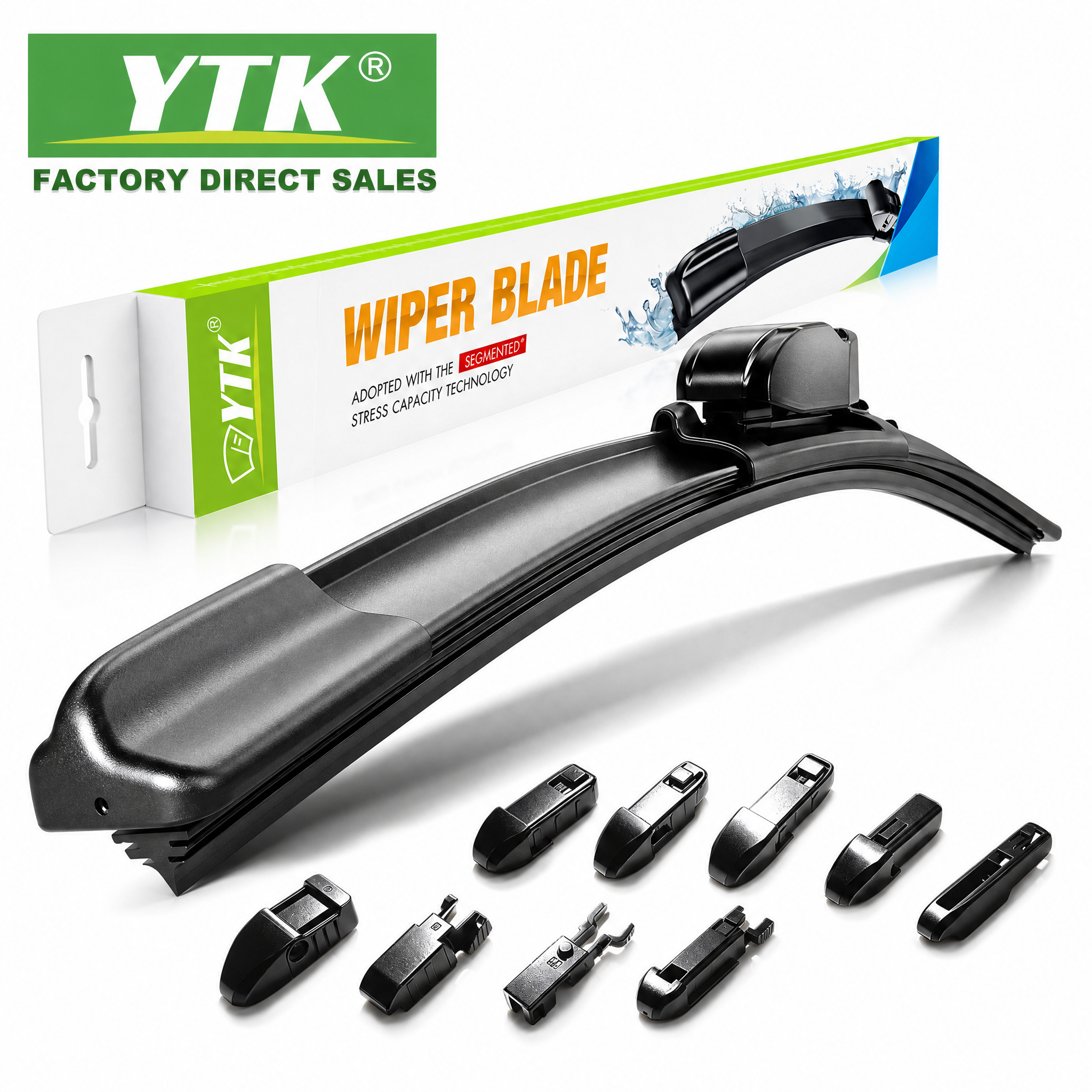
YTK OEM Private Label Frameless Windshield Wiper Blade with Multi-Adapter, Natural Rubber 14-28 Inch
- A-Grade Compound
- UV Resistance
- Low Acoustic Decibel
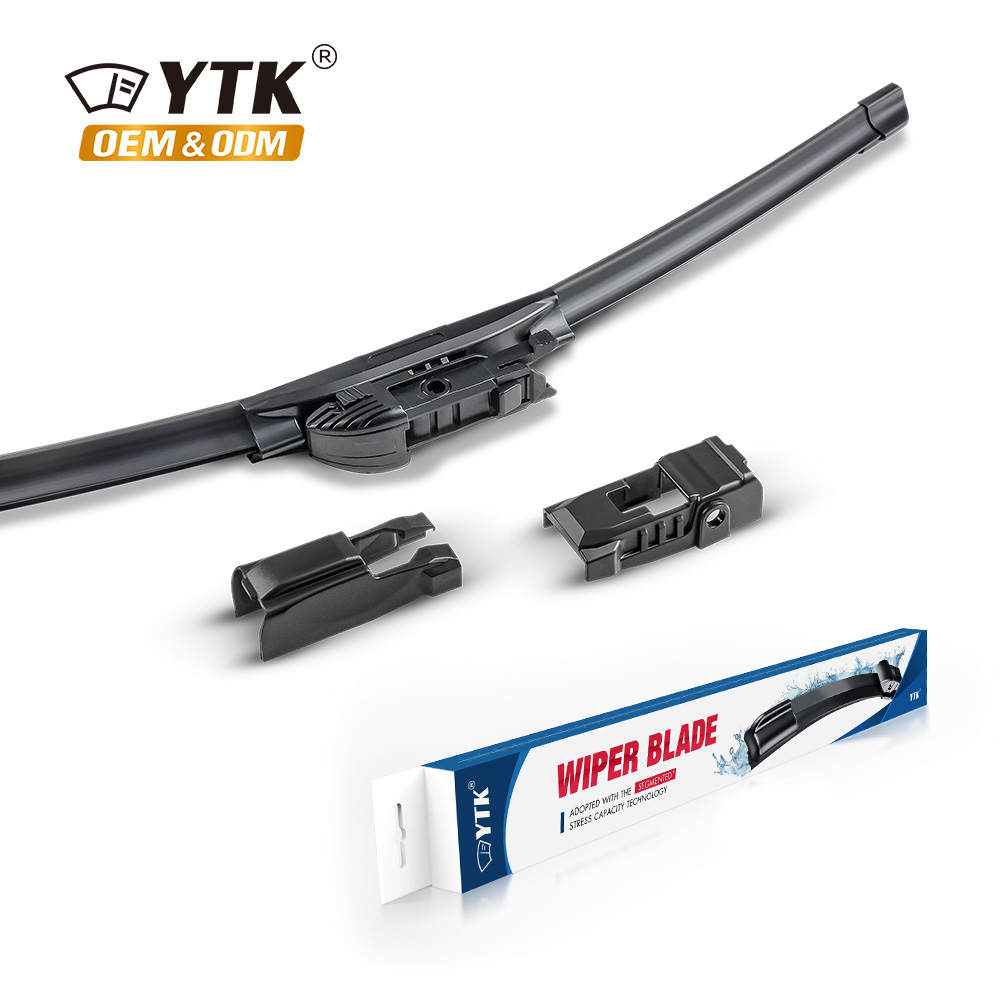
OEM Replacement Wiper Blade Supplier, Universal Natural Rubber Windshield Wiper with Multi-Adapter
- Even Load Pressure
- Extreme Thermal Range
- High Dynamic Rebound
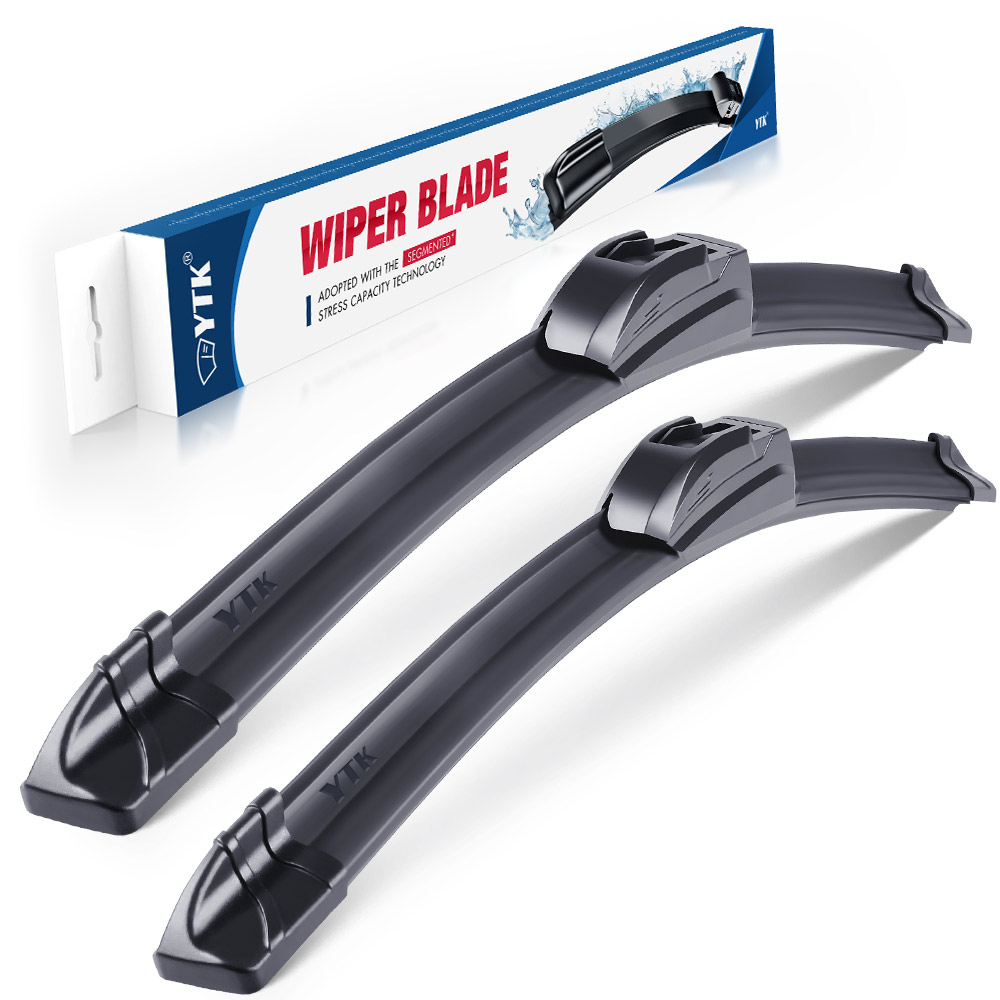
YTK All-Weather Frameless Windshield Wiper Blade with Multi-Adapter, Natural Rubber OEM Replacement 14-28 Inch
- Sub-Zero Formulation
- Aerodynamic Spoiler
- Long Service Life
1. The Engineering Dynamics of Bearing Rubber Mounts & NVH Isolation Systems
In modern vehicle engineering and rotating-shaft machinery, the Bearing Rubber Mount (frequently deployed as driveshaft center support bearings, powertrain isolators, and suspension dynamic dampers) serves as the primary elastomeric filter mitigating high-frequency harmonic vibrations, torsional oscillations, and structural resonance. At Xingtai JES Auto Parts Manufactuer Co., Ltd., our foundational journey began in 1997 focusing on drivetrain precision components, heavy-duty center support bearings, and polymer-to-metal vulcanized damping systems, subsequently expanding across related elastomeric platforms including advanced vehicle wiping technologies.
Industrial clients seeking tier-level OEM/ODM suppliers must evaluate more than surface dimensional tolerances. True structural performance relies on rubber rheology, cure kinetic optimization, and the molecular integration between the inner bearing raceway, outer pressed-steel housing, and intermediate elastomeric cushion. Through finite element analysis (FEA) and dynamic fatigue simulation up to 5,000,000 test cycles, our engineering department ensures that every bearing rubber mount achieves zero delamination, consistent radial deflection, and minimal hysteretic heat buildup under arduous duty cycles.
Chemlok® Chemical Vulcanization Bonding
Application of automated dual-coat adhesive systems on grit-blasted, phosphated steel brackets guarantees rubber-to-metal shear strengths exceeding 10 MPa, passing ASTM D429 90-degree peel requirements.
Controlled Shore A Durometer Precision
Compounded using natural rubber (NR) and synthetic EPDM/NBR blends maintaining tight durometer consistency (±3 Shore A) across -40°C to +120°C ambient operating environments.
Harmonic Resonance Suppression
Geometric cushion cutouts and dampening lips are calibrated via modal analysis to counteract low-frequency driveline boom and high-order rotation harmonics generated by universal joints.
Technical Material Comparison for Driveline & Chassis Mounts
Procurement specialists must navigate complex trade-offs between mechanical fatigue endurance and environmental fluid resistance. Below is an engineering benchmark from our Hebei testing laboratories indicating material selection guidelines for heavy-duty center support bearing rubber mounts:
| Polymer Base | Shore Hardness (A) | Operating Temp Range | Loss Factor ($\tan \delta$) | Fatigue Life (Cycles @ 15kN) | Primary Industrial Use Case |
|---|---|---|---|---|---|
| High-Cis Natural Rubber (NR) | 50 – 65 ± 3 | -45°C to +85°C | 0.06 – 0.12 (Low Hysteresis) | > 4,500,000 | Passenger Car / Light Commercial Center Support Bearings |
| NBR / Synthetic Polyisoprene Blend | 55 – 70 ± 3 | -35°C to +110°C | 0.12 – 0.18 (Moderate Damping) | > 3,200,000 | Commercial Vehicle Drivelines with Grease/Oil Splash Risk |
| Peroxide-Cured EPDM | 60 – 75 ± 3 | -40°C to +135°C | 0.15 – 0.22 (Broad Damping) | > 2,800,000 | High Ambient Engine Bay Isolators & Thermal Proximity Mounts |
| Polyurethane / Microcellular Hybrid | 65 – 85 ± 2 | -30°C to +90°C | 0.20 – 0.35 (High Damping) | > 2,000,000 | Off-Road Track Rod Mounts & Industrial Transmission Isolators |
2. Future Procurement Trends for OEM/ODM Bearing Rubber Mounts (2025–2030)
The global automotive landscape is encountering seismic structural pivots. Drivetrain electrification, autonomous vehicle mass stabilization, and aggressive carbon-neutral supply chain directives are reshaping how international buyers specify and purchase bearing rubber mounts and elastomeric assemblies:
1. Electric Vehicle (EV) Instantaneous Torque Resilience
Unlike internal combustion engines with gradual power curves, EV drivetrains deliver maximum torque at zero RPM. OEM procurement teams increasingly mandate center bearings and chassis mounts capable of absorbing shock loads up to 4,500 Nm without elastomeric yielding or radial tear. Mount configurations must accommodate dual-motor architectures where rotating shaft speeds routinely eclipse 12,000 RPM.
2. Lightweight Multi-Material Hybrid Assemblies
To meet stringent fleet emission standards, tier-1 buyers are ditching traditional heavy stamped steel brackets in favor of high-pressure die-cast aluminum alloys (A380/ADC12) or polyphthalamide (PPA) composite housings. This transition demands sophisticated chemical priming, plasma surface cleaning, and lower-temperature vulcanization curves to bond rubber directly to light metals without compromising structural integrity.
3. Life-Cycle Traceability & Circular Polymers
ESG compliance protocols in Western Europe and North America now require automotive component suppliers to verify full material origin. Sourcing strategies are actively rewarding manufacturers that integrate bio-based carbon black, devulcanized reclaimed elastomers, and low-VOC bonding systems while maintaining verified PPAP (Production Part Approval Process) Level 3 documentation.
3. Technical Innovations Driving Modern Manufacturing Facilities
Modern bearing rubber mount factories must overcome severe industrial pain points: premature rubber fatigue, high-speed heat degradation, and dynamic misalignment caused by chassis flex. Xingtai JES Auto Parts leverages three state-of-the-art technological architectures across its Hebei manufacturing plants:
A. Computer-Integrated Vacuum Compression Vulcanization: Traditional open-mold vulcanization risks entrapment of air micro-bubbles, which under continuous dynamic shearing become nucleation sites for subsurface cracking. Our factory operates closed-loop vacuum presses (vacuum degree < -0.095 MPa) with automated multi-zone mold temperature regulation (within ±1.5°C), ensuring uniform cross-link density throughout deep-section rubber cushions.
B. Triple-Barrier Substrate Phosphating: Metal bracket corrosion is the silent killer of rubber mounts operating in coastal or winter de-iced highway environments. Our metal preparation line incorporates multi-stage zinc immersion phosphating, followed by robotic electrostatic spraying of primer and Chemlok bonding agents. This barrier resists over 1,000 hours of neutral salt spray testing (ASTM B117) without micro-blistering or bond-line creep.
C. Integrated High-Precision Deep Groove Ball Bearings: A rubber mount is only as dependable as the bearing inside it. Our assemblies employ P6/ABEC-3 tolerance bearings packed with wide-temperature synthetic polyurea grease (-40°C to +160°C) and custom dual-lip NBR contact seals, preventing grease starvation and slurry ingress across commercial heavy-duty duty cycles.
4. Corporate Strengths: Xingtai JES Auto Parts Manufactuer Co., Ltd.
Choosing the right factory partner requires transparent operational verification, scalable capacity, and direct engineering accountability. Xingtai JES Auto Parts delivers unmistakable supply chain advantages:
- Proven Industrial Pedigree Since 1997: Over two decades of specialized expertise in driveshaft center bearings, elastomeric mounts, and high-performance universal car wipers. We understand how rubber behaves under dynamic mechanical stress.
- Massive 30,000 m² Manufacturing Facility: Based in the Taojiatun Industrial Park, Xingtai, Hebei, our facility houses 10+ dedicated automated production lines capable of supporting container-load bulk supply programs with zero production bottlenecks.
- TÜV Rheinland On-Site Verified: Complete transparency. Our production capacity, legal standing, quality control infrastructure, and export management have undergone full on-site assessment and validation by TÜV Rheinland.
- CE Marked & IATF Philosophy: Product lines conform to international performance criteria, accompanied by rigorous in-house dimensional, tensile, tear, and dynamic durability testing prior to container dispatch.
- Comprehensive OEM & ODM Customization: Full CAD/CAM modeling, 3D printing prototyping, rapid mold building (20–30 days), custom bracket laser cutting, personalized retail packaging, and direct laser-etched branding.
5. Comprehensive B2B Sourcing FAQ: Bearing Rubber Mounts & Direct Sourcing
What are the standard Minimum Order Quantities (MOQ) for custom OEM bearing rubber mounts?
Standard catalogue items and existing mold designs generally feature flexible MOQs starting at 50 to 100 units per reference, allowing distributors to build balanced multi-SKU orders. For bespoke engineering projects requiring dedicated stamping dies or custom vulcanization molds, initial production runs typically require 500 to 1,000 units, with sample evaluation provided from rapid prototype tooling prior to mass production sign-off.
How do you verify elastomeric adhesion strength and prevent bond separation?
We deploy a multi-point quality protocol: degreased brackets undergo shot-blasting to achieve a surface roughness of Sa 2.5, followed immediately by automated dipping in zinc phosphate baths. Adhesion promoters and vulcanizing cements are applied in climate-controlled booths. Destructive testing is executed per production batch according to ASTM D429 (Method B), ensuring 100% rubber cohesive failure rather than adhesive bond release.
Can you formulate rubber compounds tailored to hyper-specific regional climates?
Yes. For extreme northern climates (Nordic countries, Canada, Northern China), we compound natural rubber formulations with specific plasticizers that lower the glass transition temperature ($T_g$) below -50°C, avoiding low-temperature brittleness. For high-heat, high-ozone desert climates (Middle East, Australia, Texas), we compound synthetic EPDM or hydrogenated nitrile with specialized microcrystalline waxes and antiozonants preventing surface checking and cracking.
What documentation and quality reports accompany container shipments?
Every dispatch can be provided with full Inspection Certificates (IC), Material Test Reports (MTR) covering raw elastomer tensile strength, elongation at break, Shore A durometer, and metal bracket thickness. Where required for OEM contract projects, we support complete PPAP Level 3 documentation, including DFMEA/PFMEA, Control Plans, IMDS reporting, and Cpk process capability studies on critical characteristics.
How does your engineering team support aftermarket catalog consolidation?
Vehicle parc cross-referencing is a core competency. Our technical sales team maps OE numbers against global aftermarket indices (including universal platforms, Toyota, Volvo, BMW, Audi, Ford, Mercedes-Benz, Hyundai, and Tesla). We engineer multi-fit bracket geometries and modular adapter sleeves that enable our clients to maximize vehicle coverage while reducing total inventory holding costs.
What international commercial delivery terms and payment structures do you support?
We manage global logistics via FOB Tianjin/Qingdao/Shanghai, CFR, and CIF destination ports across 60+ countries. Settlement is supported in USD via secure Wire Transfer (T/T), Irrevocable Letters of Credit (L/C at sight), PayPal, and Escrow platforms, providing commercial security for importers, tier-2 distributors, and fleet procurement chains.
Direct Factory Verification & Technical Consultation
Partner directly with an on-site verified Chinese manufacturing powerhouse. Bypass intermediaries, lock in factory-direct container margins, and secure custom-engineered bearing rubber mounts and elastomeric assemblies designed for unyielding road performance.
Request Quotation & Technical CAD
Connect immediately with our chief project engineers. Drawings, sample dispatches, and full container volume pricing ready within 24 business hours.
Inquire Now