Export Program Catalog
Featured OEM Precision Products & Assembly Lines
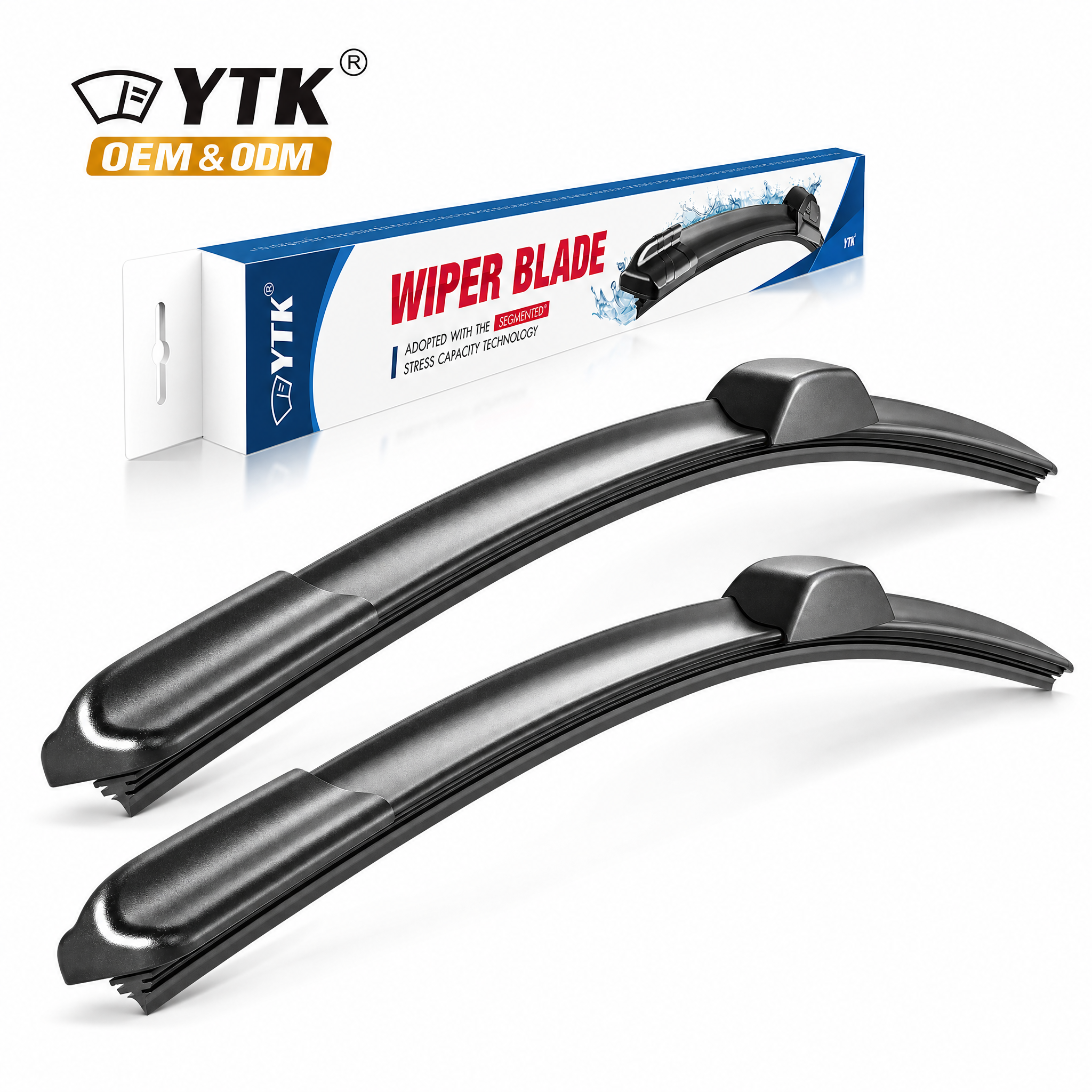
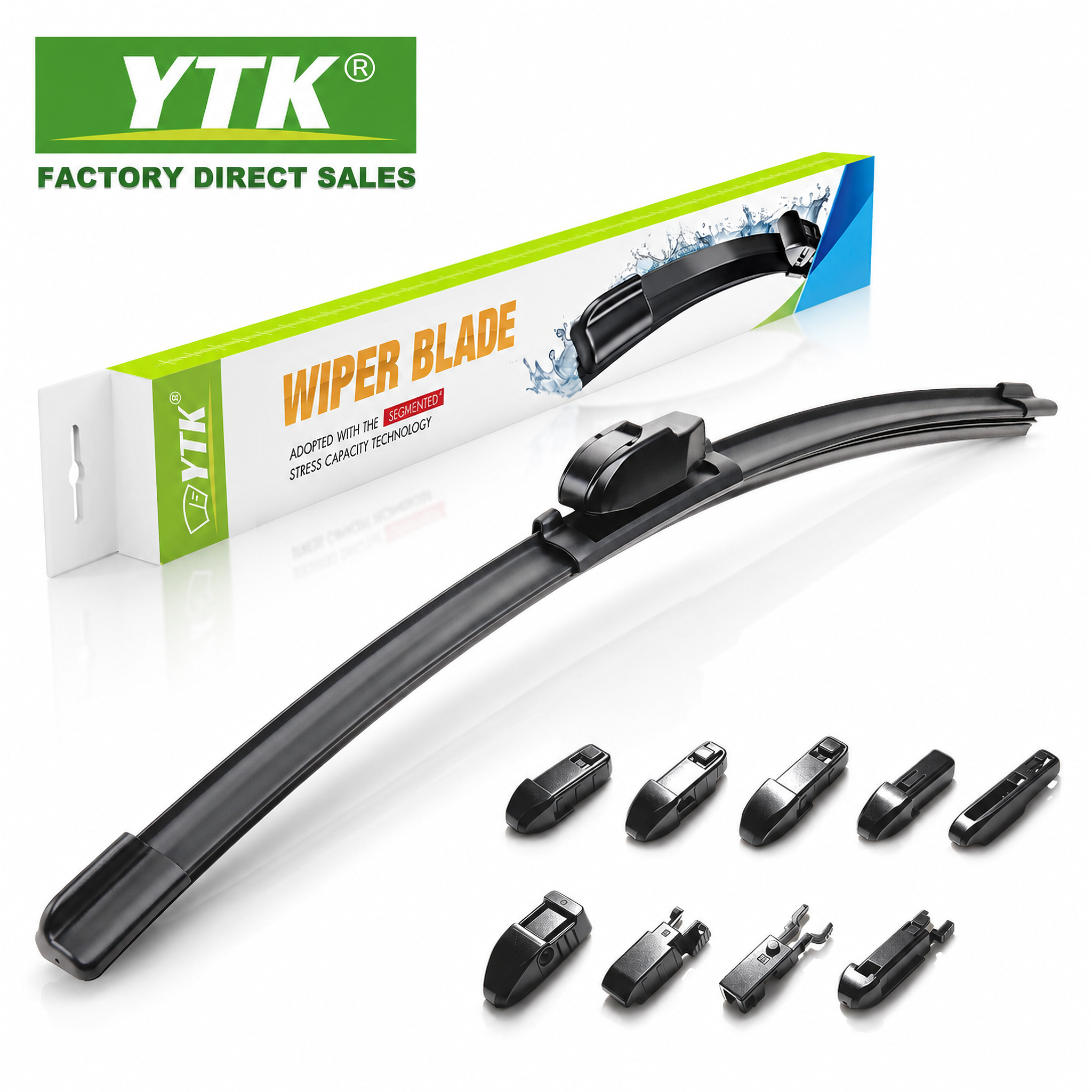
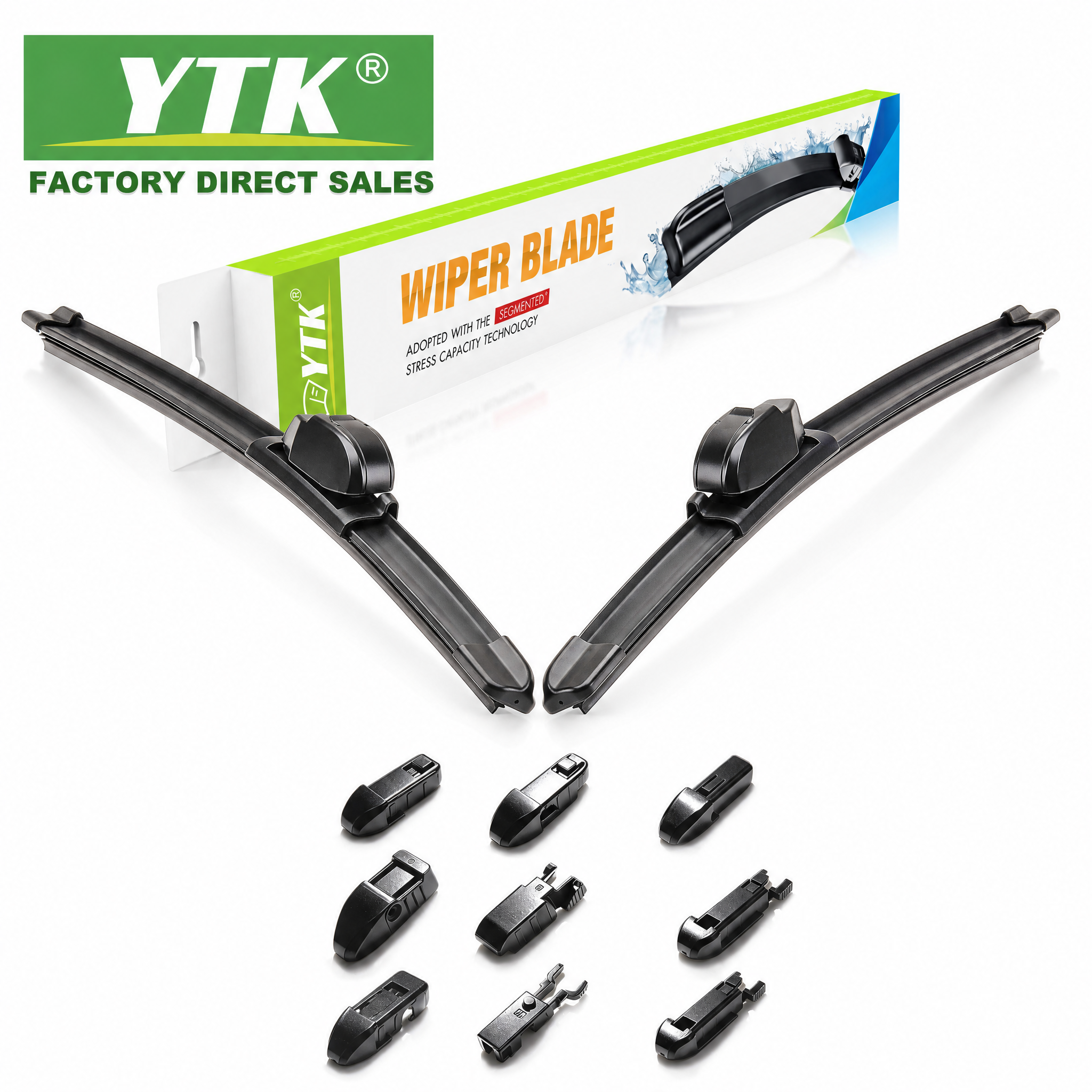
Precision-manufactured driveline center supports and all-weather exterior wiping systems engineered under rigorous IATF 16949 standards for global automotive distributors.
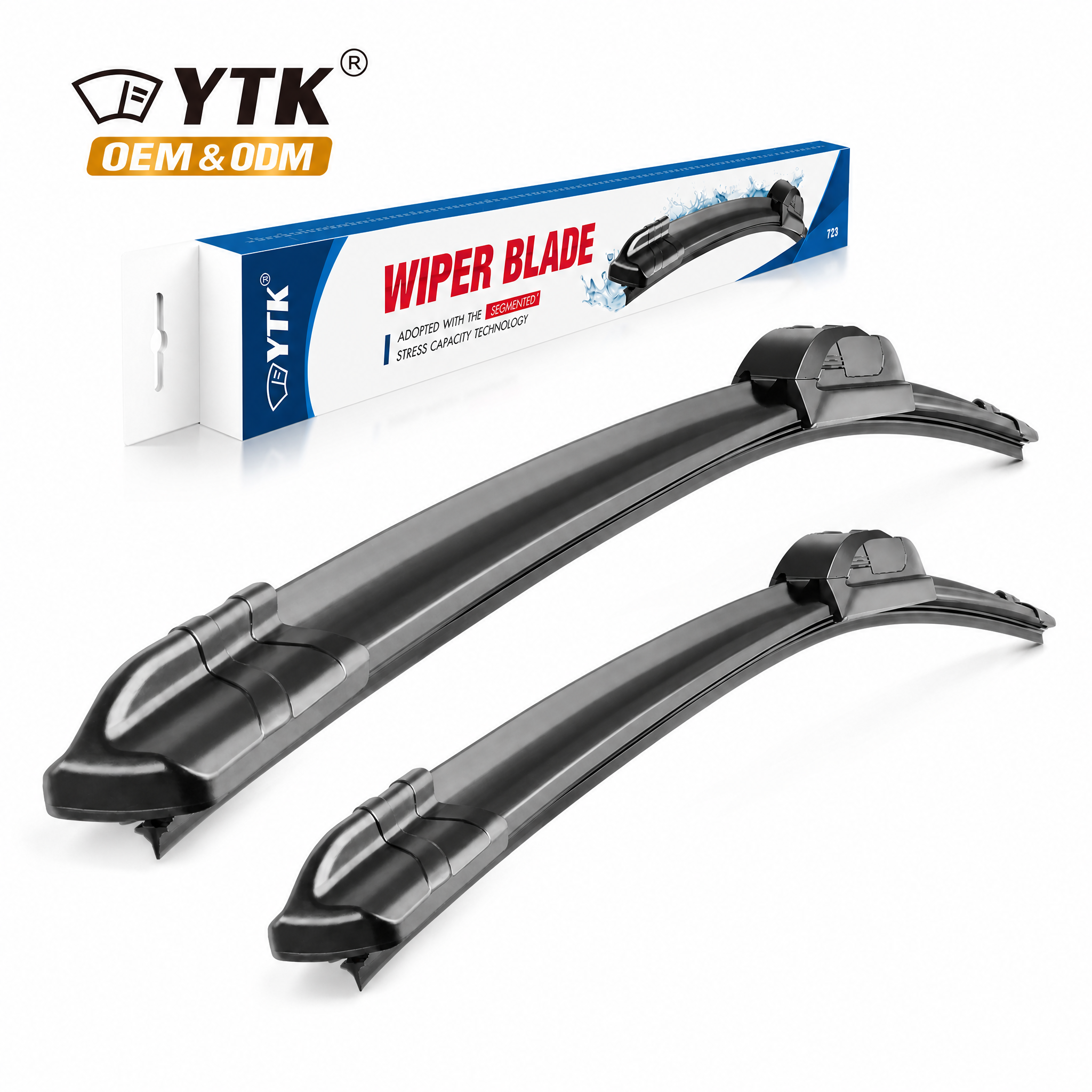
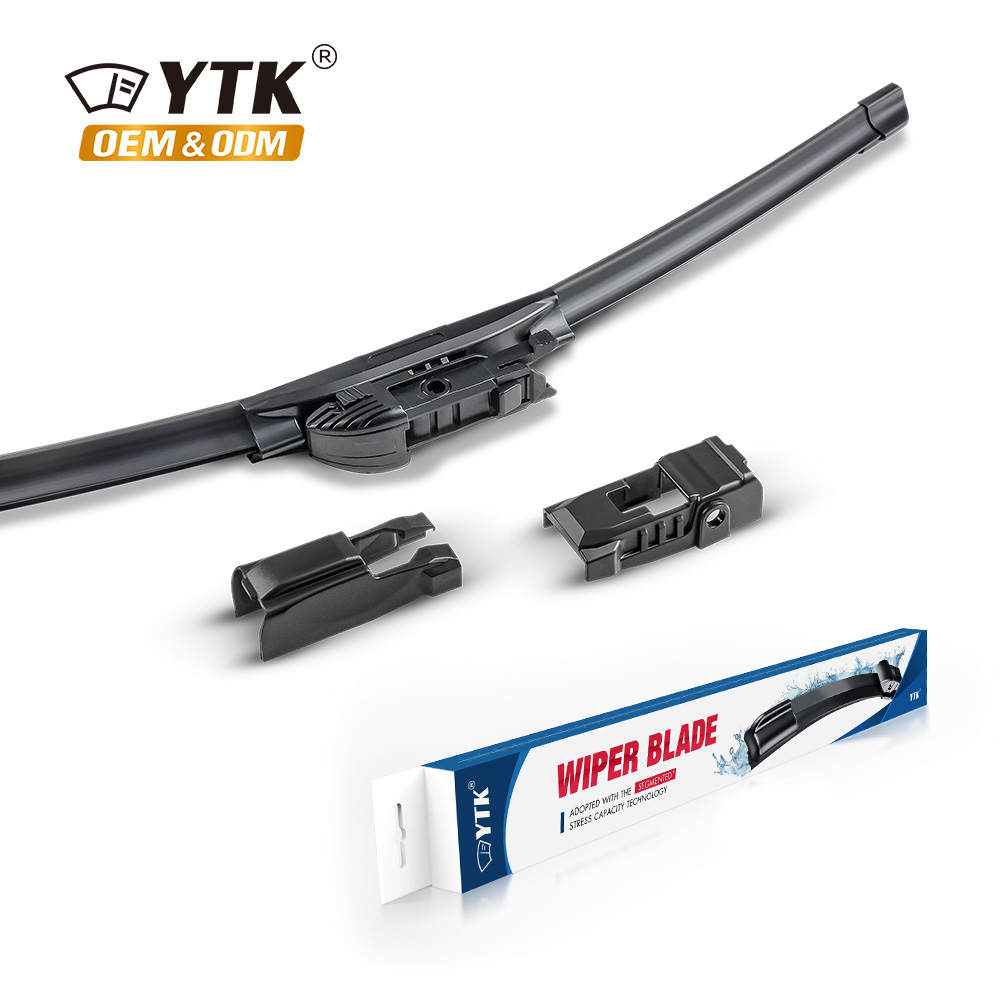
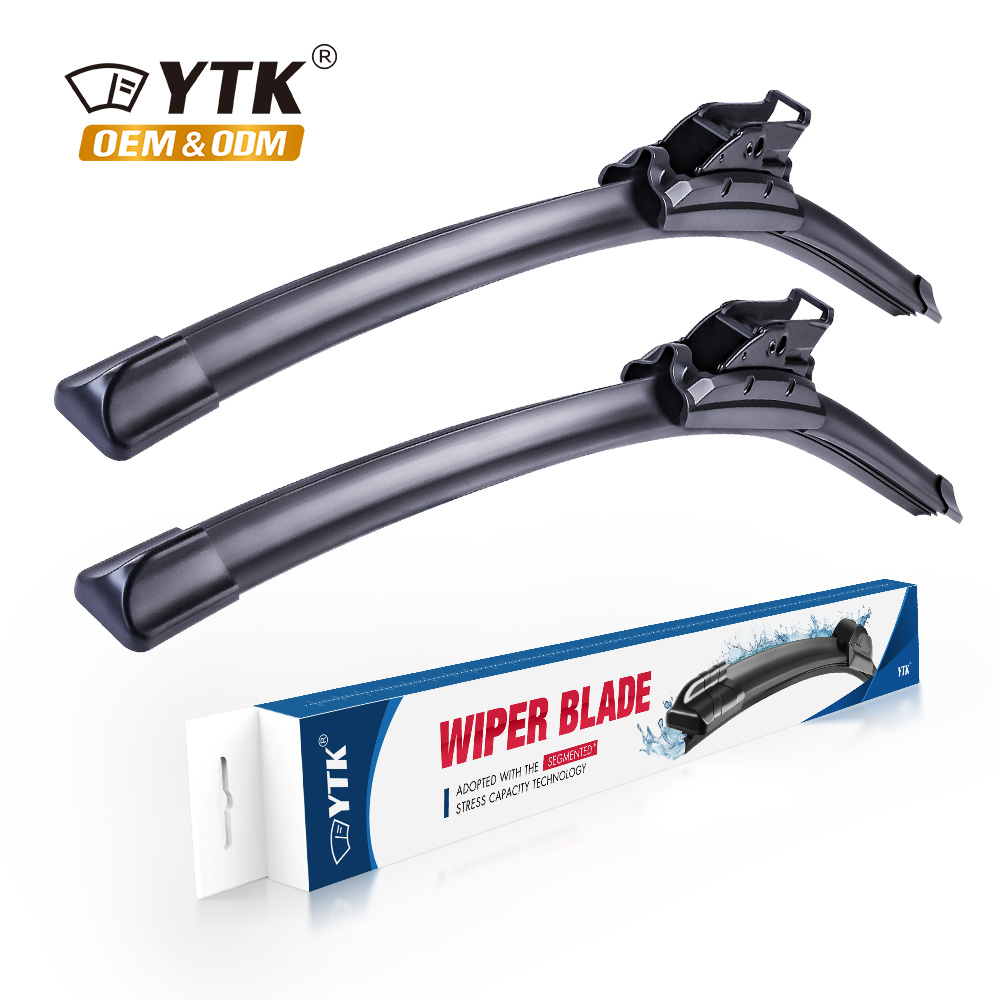
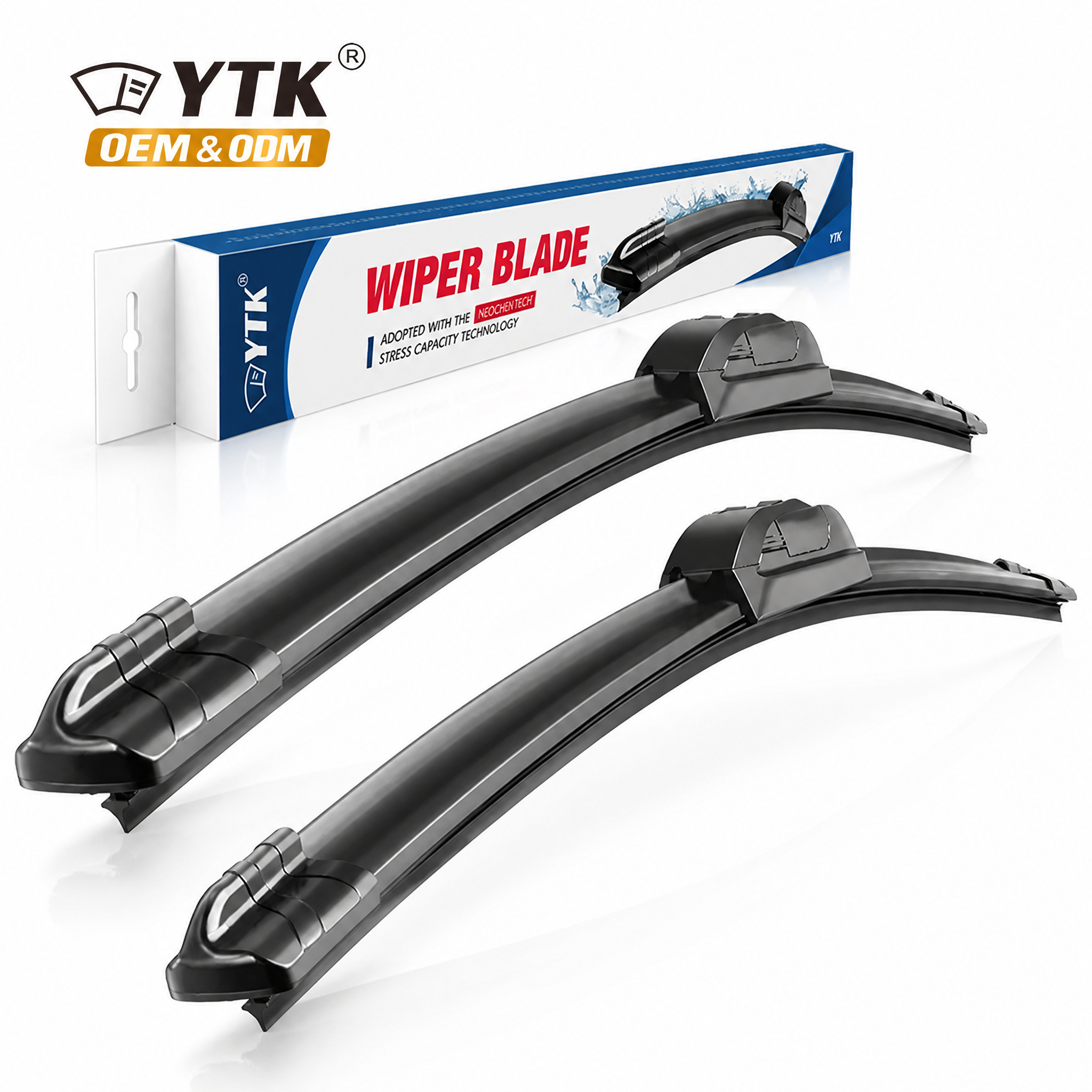
25+
Years Manufacturing (Est. 1997)
30,000m²
Modern Production Facility
10+
Dedicated Automated Lines
60+
Global Export Markets
Engineering Whitepaper
Driveline Dynamics: The Critical Role of Center Support Bearings
In longitudinal rear-wheel-drive (RWD), four-wheel-drive (4WD), and commercial multi-axle drivetrains, split-shaft propeller systems are indispensable for transmitting engine torque across elongated wheelbases. Operating at rotational speeds frequently exceeding 3,600 to 5,000 RPM, the mechanical connection between the transmission output shaft and the rear differential experiences intense secondary-couple bending moments and rotational harmonics. The automotive center support bearing (commonly designated as the carrier bearing) acts as the critical resilient pivot point, securing the intermediate driveshaft while attenuating high-frequency driveline vibration, mitigating cardan-joint operating angle errors, and isolating cabin acoustics from chassis-borne harshness (NVH).
Premature driveline degradation, low-speed shudder during wide-open throttle launch, and micro-cracking across elastomeric dampers represent acute challenges for Tier-1 automotive assemblers and replacement parts distributors. Sourcing from certified manufacturing plants requires deep scrutiny into metallurgy, bearing raceway surface super-finishing, rubber vulcanization chemistry, and dynamic radial stiffness metrics. As an authoritative OEM/ODM supplier founded in 1997, Xingtai JES Auto Parts Manufactuer Co., Ltd. combines 25+ years of precision stamping, rubber formulation, and dynamic balance balancing to deliver carrier bearing assemblies engineered to match and exceed genuine OE benchmark tolerances.
Verified Factory Profile
Direct Sourcing from Xingtai JES Auto Parts: Real Manufacturing Prowess
Unlike export traders or intermediary brokers, Xingtai JES Auto Parts Manufactuer Co., Ltd. operates direct manufacturing facilities situated within the Taojiatun Industrial Park, Xingtai, Hebei Province. Beginning operations in 1997 specializing in precision mechanical transmission components and center support bearings, the enterprise expanded into full-tier contract manufacturing in 2003 and established dedicated export infrastructure by 2009.
Our operations have completed formal, on-site verified supplier assessments conducted by TÜV Rheinland. Products are backed by CE certification and manufactured within strict alignment to IATF 16949 automotive quality management protocols, ensuring that every batch exhibits complete lot traceability from raw billet inspection to export containerization.
✓
TÜV Rheinland On-Site Assessed
✓
CE Marking & IATF Alignment
✓
Annual Output: US$50M – US$100M
✓
In-House Fatigue & Dyno Labs
✓
Private Label Mold Engineering
✓
FOB, CFR, CIF Export Terms
Technical Quality Parameters
Verified manufacturing benchmarks established across our 10+ production lines:
| Core Metallurgy | AISI 52100 / GCr15 High-Carbon Chrome |
| Raceway Hardness | 60 – 64 HRC (Induction Quenched) |
| Elastomer Base | Natural Rubber / Virgin EPDM / HNBR |
| Vulcanization Shear | > 12.0 MPa (Rubber-to-Steel) |
| Thermal Stability | -40°C to +130°C Continuous |
| Dynamic Radial Runout | ≤ 0.015 mm Total Indicator Reading |
| PPAP Availability | Level 1 through Level 3 Standard |
Engineering Specifications
Carrier Bearing Assembly Specification Matrix
Comparative design guidelines for engineering procurement teams selecting carrier bearing components for light commercial vehicles (LCVs), SUVs, and heavy transport platforms.
| Vehicle Application Class | Shaft Diameter Range | Elastomer Damper Compound | Dynamic Radial Load (kN) | Sealing Configuration | Typical OEM / Platform Cross |
|---|---|---|---|---|---|
| Compact SUV & Crossover AWD | 30 mm – 35 mm | High-Damping Natural Rubber (55 Shore A) | 14.8 – 18.2 kN | Dual-Lip NBR with Labyrinth Flinger | Toyota RAV4, Volvo XC90, Honda CR-V |
| Light Commercial & Pickup 4x4 | 40 mm – 45 mm | Ozone-Resistant EPDM (60 Shore A) | 22.5 – 31.0 kN | Triple-Lip Contact Seal with External Shield | Ford F-150 / Ranger, Toyota Hilux, Isuzu D-Max |
| Executive Passenger RWD / EV | 30 mm – 38 mm | HNBR Microcellular Elastomer (50 Shore A) | 16.0 – 21.5 kN | Low-Friction PTFE-Coated Fluoroelastomer | BMW 3/5 Series, Mercedes-Benz E-Class, Tesla Model Y |
| Medium-Duty Cargo Vans | 45 mm – 50 mm | Thermoset Polyurethane Composite | 34.0 – 46.0 kN | Heavy-Duty Double Steel Barrier + NBR Lip | Mercedes Sprinter, Ford Transit, Iveco Daily |
| Heavy Commercial Haulage | 55 mm – 65 mm | Reinforced Natural Rubber / Steel Interleaves | 58.0 – 82.0 kN | Full Labyrinth Mechanical Face Seal | Volvo FH, Scania R-Series, Freightliner Cascadia |
Industry Strategic Roadmap
Future Sourcing & Development Trends (2025–2035)
Emerging technological shifts impacting driveline carrier bearing architecture, manufacturing sustainability, and global automotive procurement strategies.
High-RPM Damping for Hybrid & EV Multi-Segment Shafts
With electric drive units (EDUs) generating instant peak torque and reaching rotational speeds well over 10,000 RPM before reduction, split-shaft prop systems require ultra-low hysteretic loss elastomers and microcellular damping rings to prevent high-frequency inverter hum and driveline resonance.
Predictive Sensor Integration (Smart Bearings)
Next-generation commercial fleet platforms are adopting center support assemblies embedded with micro-dielectric vibration sensors and thermocouples. Real-time telemetry detects raceway spalling and elastomer micro-cracking prior to catastrophic on-highway driveshaft separation.
Dual-Phase Vulcanization & Green Elastomers
Stricter environmental standards across Western and Northern Europe mandate the phasing out of hazardous vulcanization accelerators. Forward-looking factories utilize biological-origin silanes and eco-friendly bonding agents yielding greater than 14 MPa shear strength with zero volatile organic emissions.
Weight-Optimized Lightweight Structural Brackets
Replacing cast iron frames with deep-drawn high-strength low-alloy (HSLA) steel stampings or die-cast structural aluminum alloy reduces un-sprung bracket mass by up to 38%, assisting OEM vehicle manufacturers in meeting aggressive fleet fuel economy and carbon-reduction targets.
Full PPAP Digitalization & On-Demand Traceability
Importers are migrating away from paper-based certs. Leading Chinese exporters provide complete digital Production Part Approval Process (PPAP Level 3) packages, including material heat numbers, laser-engraved QR lot codes, and real-time Cpk capability data accessible via cloud portal.
Consolidated SKU Multi-Fit Adaptability
In response to skyrocketing warehouse logistics expenses, aftermarket buyers demand modular carrier bearing housings equipped with interchangeable bolt-hole sleeves and multi-fit isolators, reducing warehouse inventory investment across complex light-truck applications.
Buyer Knowledge Base
Procurement & Engineering Frequently Asked Questions
Critical insights on quality assurance, custom tooling, vulcanization testing, and international shipping protocols.
How does your factory prevent rubber-to-metal delamination in heavy torque applications?
+
Delamination is prevented through our automated three-step surface preparation process. The stamped steel bracket undergoes ultrasonic degreasing, shot-blasting to achieve a surface roughness of Ra 3.2–6.3 μm, followed by a robotic electrostatic application of dual-coat primer and adhesive (Chemlok bonding system). Vulcanization occurs under controlled hydraulic press pressure (18–22 MPa) at 165°C ± 2°C with automated curing timers. Every production batch undergoes destructive 90-degree peel testing (ASTM D429 Method B) to verify a continuous rubber-tearing bond rather than an adhesive-to-metal boundary failure.
What steel grade and heat treatment are standard for your internal deep groove ball bearings?
+
All center support assemblies utilize premium vacuum-degassed GCr15 (equivalent to AISI 52100 or 100Cr6) bearing steel. Raceways are through-hardened and tempered to 60–64 HRC and super-finished to an arithmetic mean roughness of Ra ≤ 0.05 μm. Internal ball tolerance adheres to ISO 3290 Grade 10 or better, with radial internal clearance customized between C2, C0, or C3 depending on operational operating temperature profiles and driveshaft expansion limits.
Can your engineering team reverse-engineer carrier bearings from field samples or CAD drawings?
+
Yes. Our in-house engineering team utilizes high-precision optical 3D coordinate measurement machines (CMM) and laser digitizers to capture complex stamped housing geometries and vulcanized rubber isolator profiles directly from physical customer samples. We formulate CAD/SolidWorks models, conduct dynamic FEA (Finite Element Analysis) stress simulations, formulate custom stamping dies, and supply functional prototype samples for vehicle road testing within 25 to 35 business days.
What quality validation reports are provided with initial sample runs and bulk container deliveries?
+
For initial PPAP validation, we provide Level 3 submission packages comprising: Dimensional Inspection Results (100% full blueprint layout), Material Certifications (chemical analysis and tensile tests for both steel and rubber), Rubber Hardness (Shore A) and Ozone Degradation Test Reports (ASTM D1149), Static & Dynamic Radial Stiffness Curves, Salt Spray Corrosion Resistance Data (up to 720 hours per ASTM B117), and Process Capability Studies (Cpk ≥ 1.67). Bulk shipments include lot-specific Certificates of Analysis (COA).
What is the minimum order quantity (MOQ) and production lead time for OEM private-label projects?
+
For existing running models in our catalogue, our standard production MOQ starts at 50 to 100 pieces per SKU, facilitating flexible consolidation of mixed containers for regional distributors. For completely customized OEM assemblies requiring new stamping dies and vulcanization molds, tooling investment typically has an MOQ of 500 to 1,000 units (or amortized tooling arrangements). Standard repeat container production lead times are 30 to 40 calendar days from formal order confirmation.
Which international trade and payment terms does your export division support?
+
We operate fully compliant international export structures supporting Incoterms 2020 including FOB (Tianjin / Qingdao / Shanghai), CFR, and CIF ports worldwide. We accommodate flexible settlement via T/T (Telegraphic Transfer), Irrevocable Documentary Letters of Credit (L/C at sight), and escrow solutions, priced transparently in USD, EUR, or CNY.
