Featured Production Lines & OEM Component Portfolio
Explore our verified high-volume manufacturing lines featuring customized elastomer formulations, extreme weather performance, and precision-engineered mechanical assemblies.
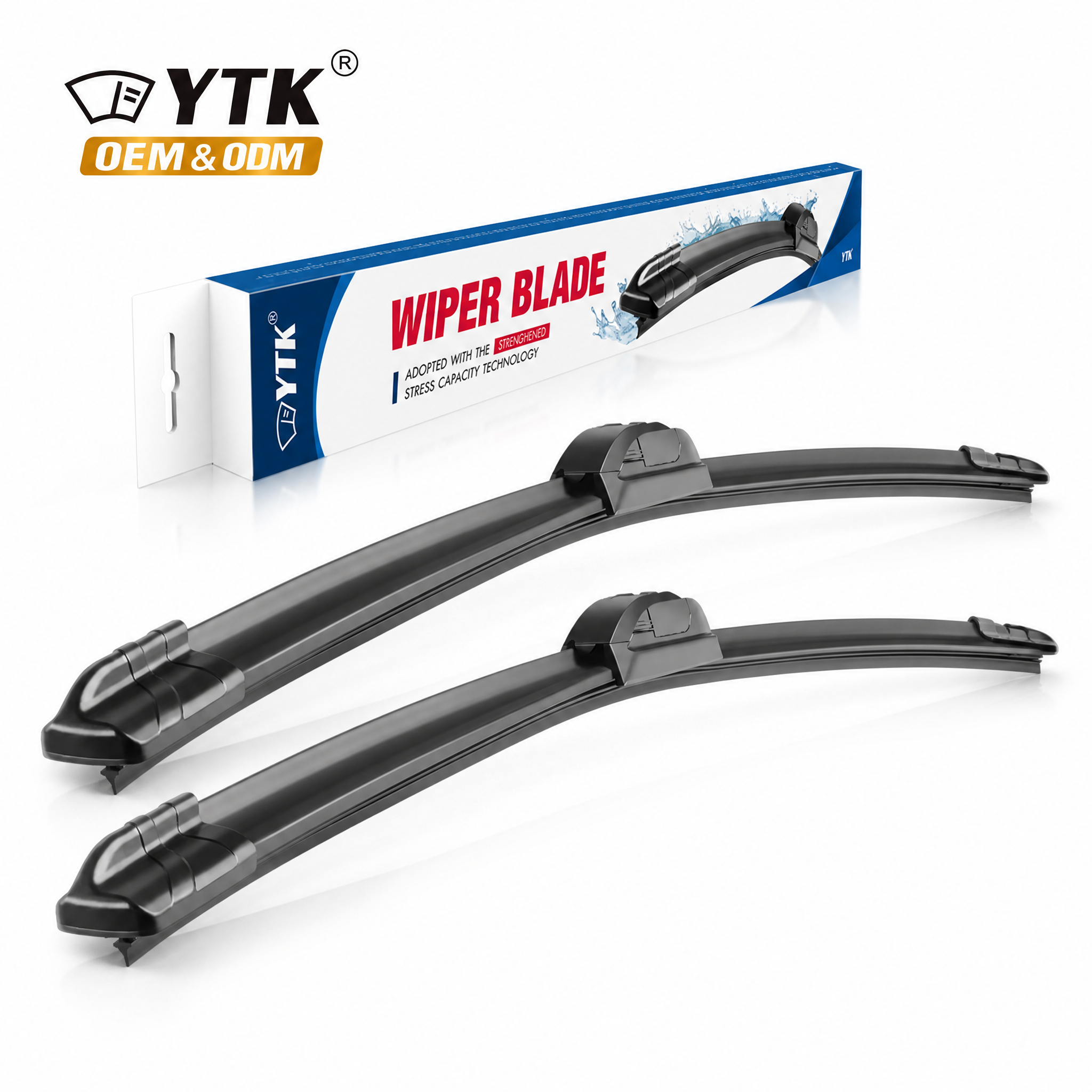
2026 YTK OEM Auto Accessories Universal Flat Car Windshield Wipers Natural Rubber
- Formulated NR/CR
- ISO 9001:2015
- 500k Cycles
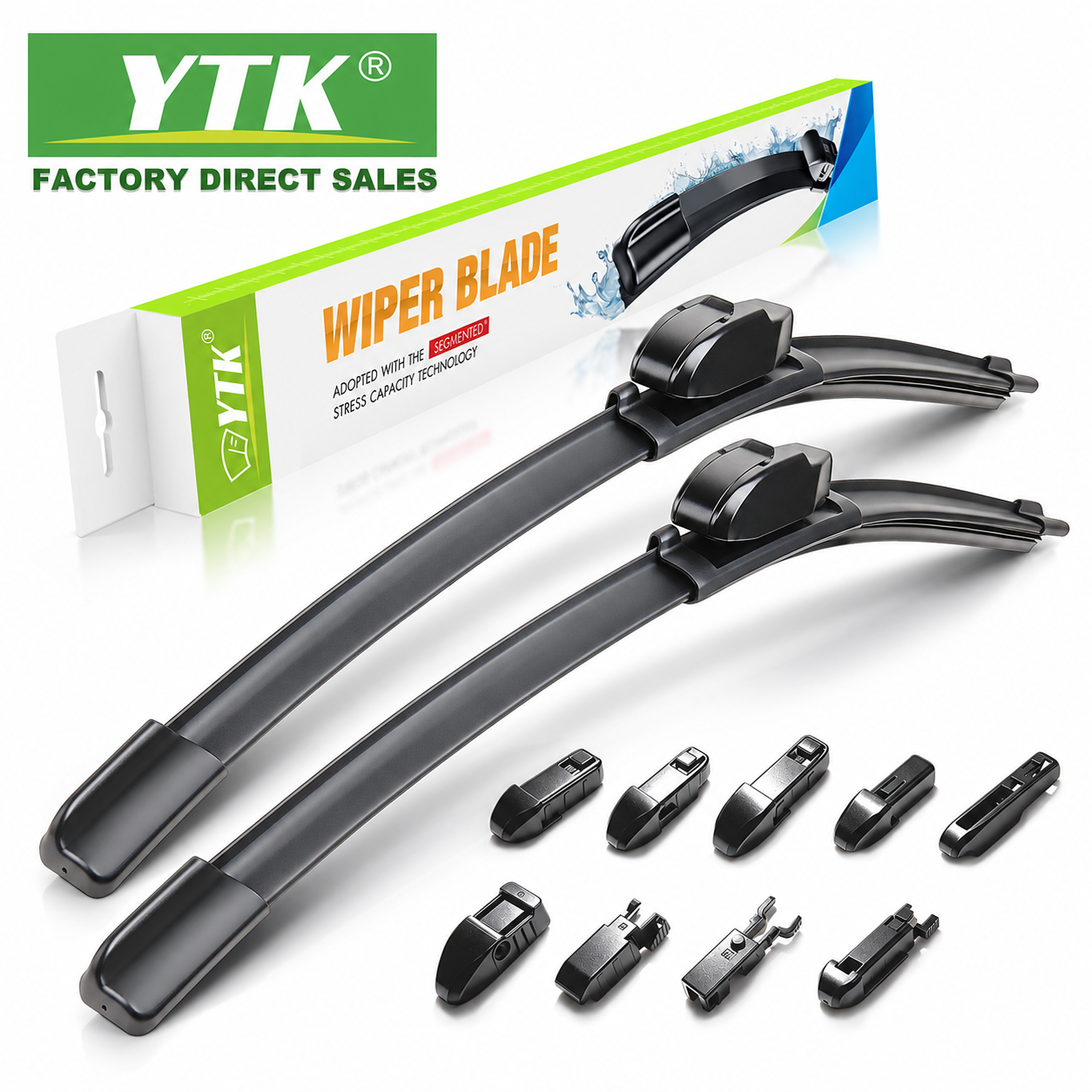
OEM Private Label Frameless Wiper Blade, Multi-Adapter 14-28 Inch
- Multi-Fit Armature
- TÜV Certified
- Graphite Coated
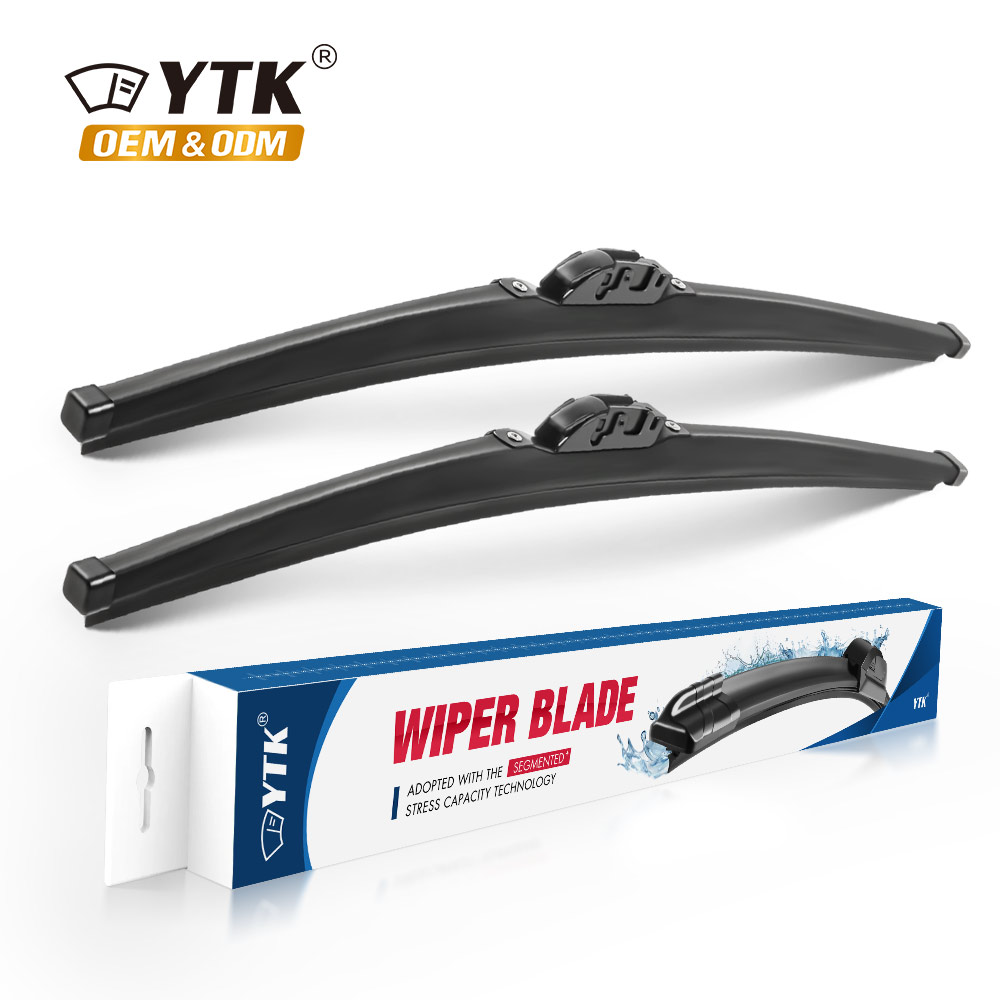
YTK OEM Private Label Car Snow Brush, Custom Brand Winter Removal Brush
- Impact Polymer
- Subzero -40°C
- Ergonomic Grip
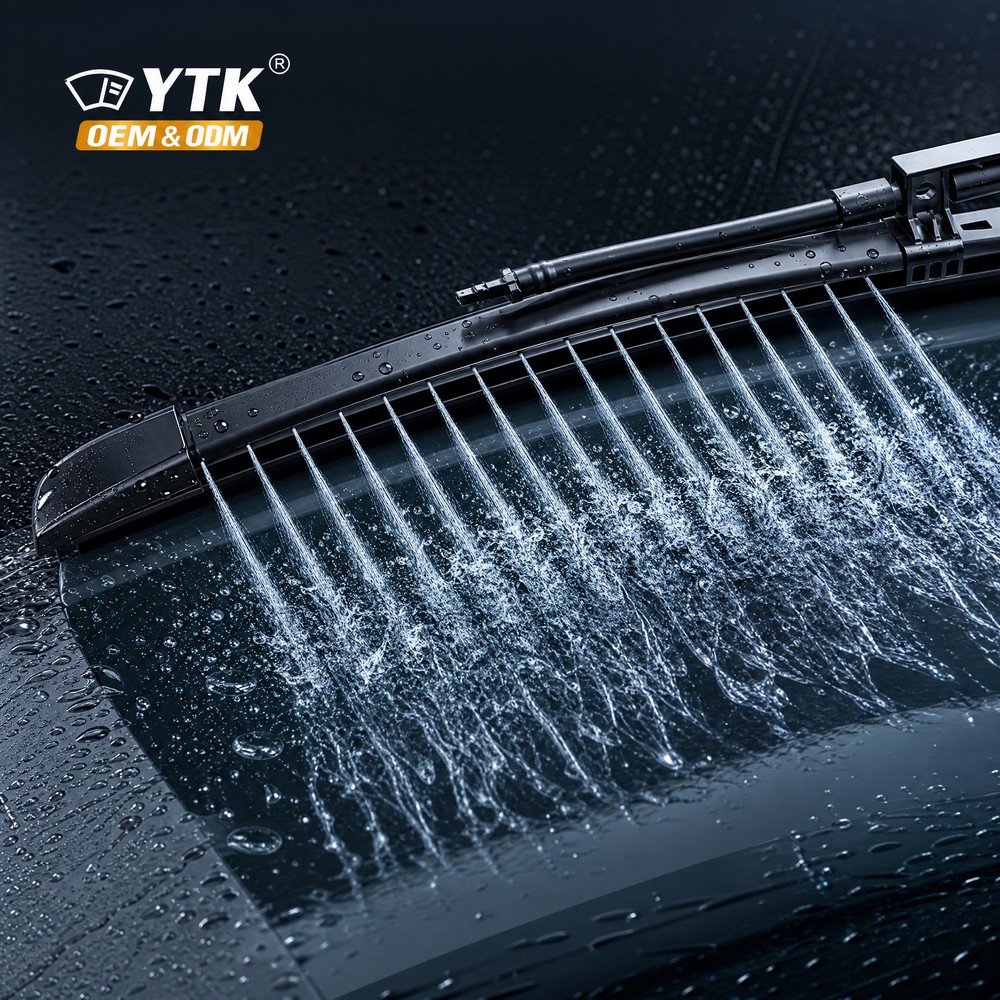
Bulk OEM Water Spray Wiper Blades with 19 Adapters, Multi-Function
- Integrated Jet
- 98% Car Fleet
- Direct OE Fit
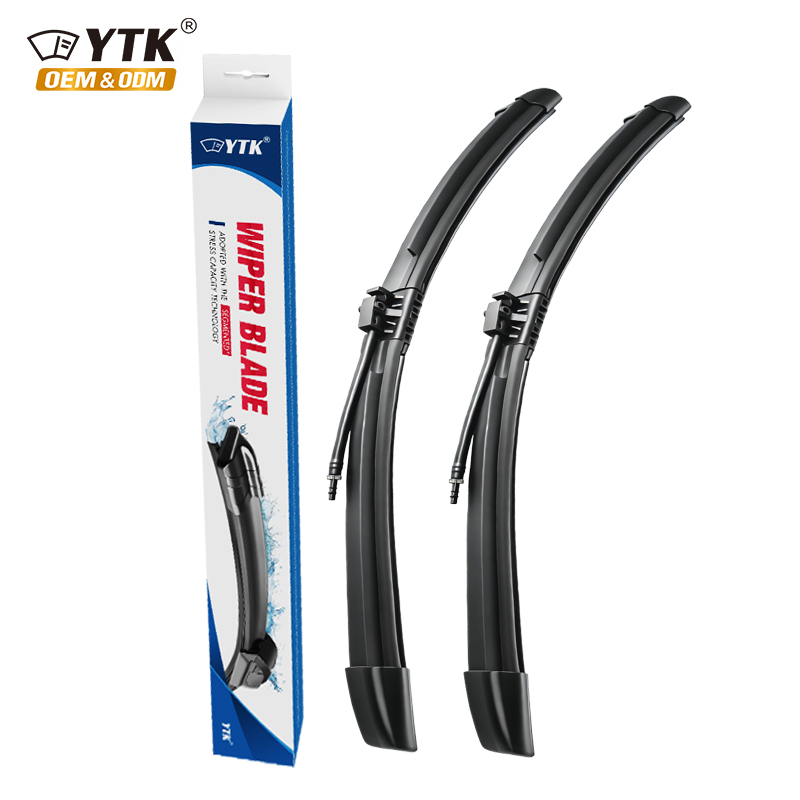
High Quality 2026 OEM Accessories Universal Car Spray Water Wiper Blade
- High-Velocity Aero
- Dual Strip Seal
- Low Friction
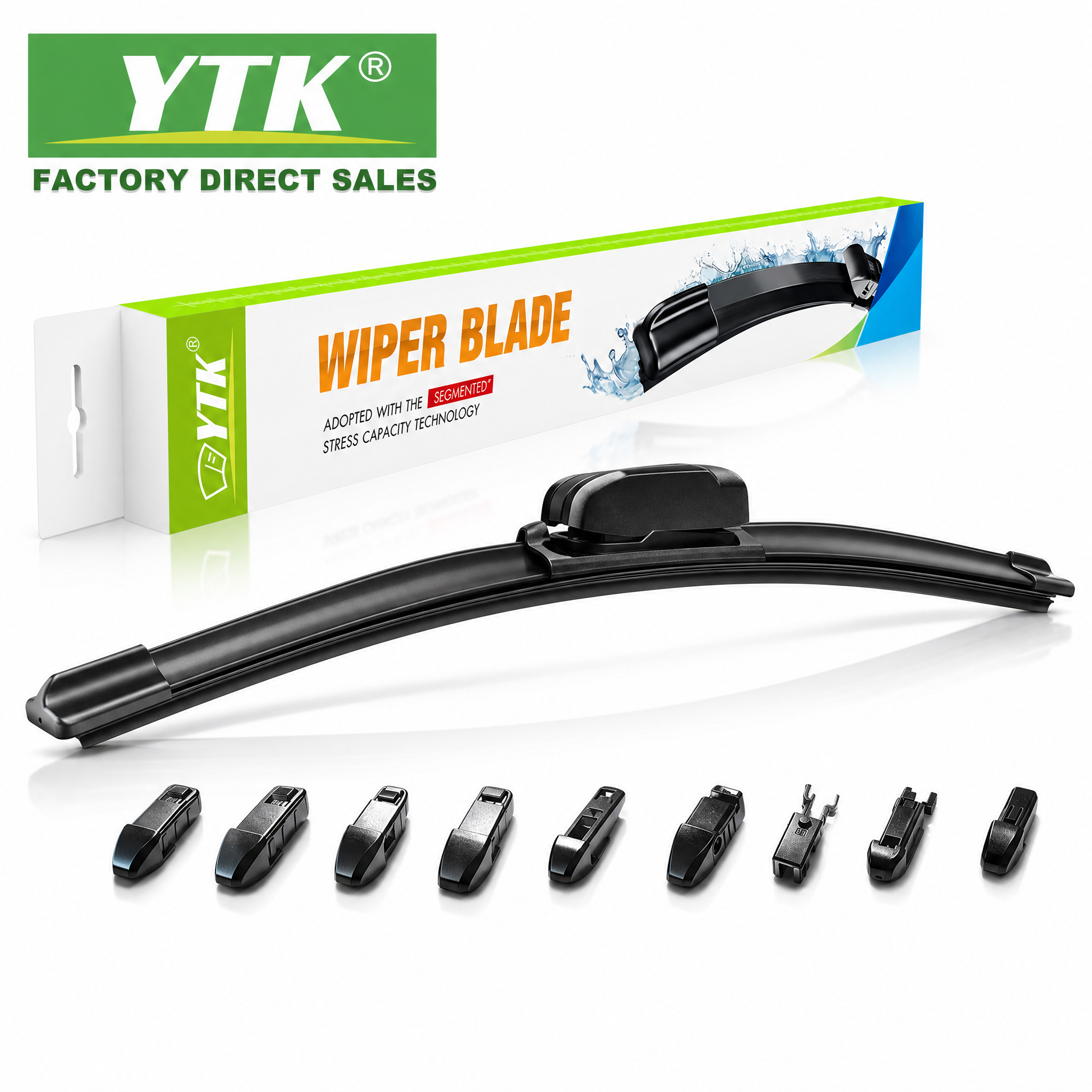
OEM Universal Frameless Blade Multi-Adapter Natural Rubber Wholesale
- Spring Steel Beam
- Even Pressure
- UV Stabilized
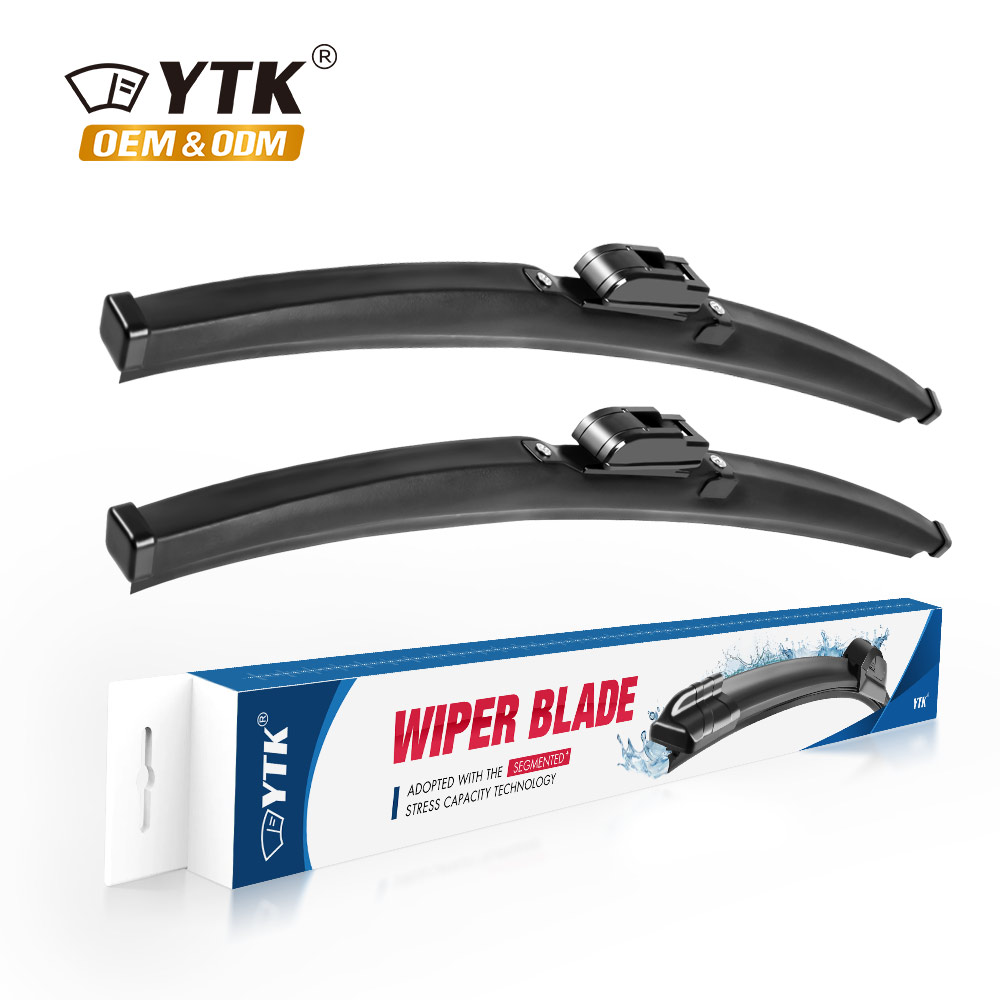
OEM Car Snow Brush Supplier, Bulk Winter Removal Brushes for Importers
- Dense Bristle Matrix
- Telescopic Lock
- Retail Packaging
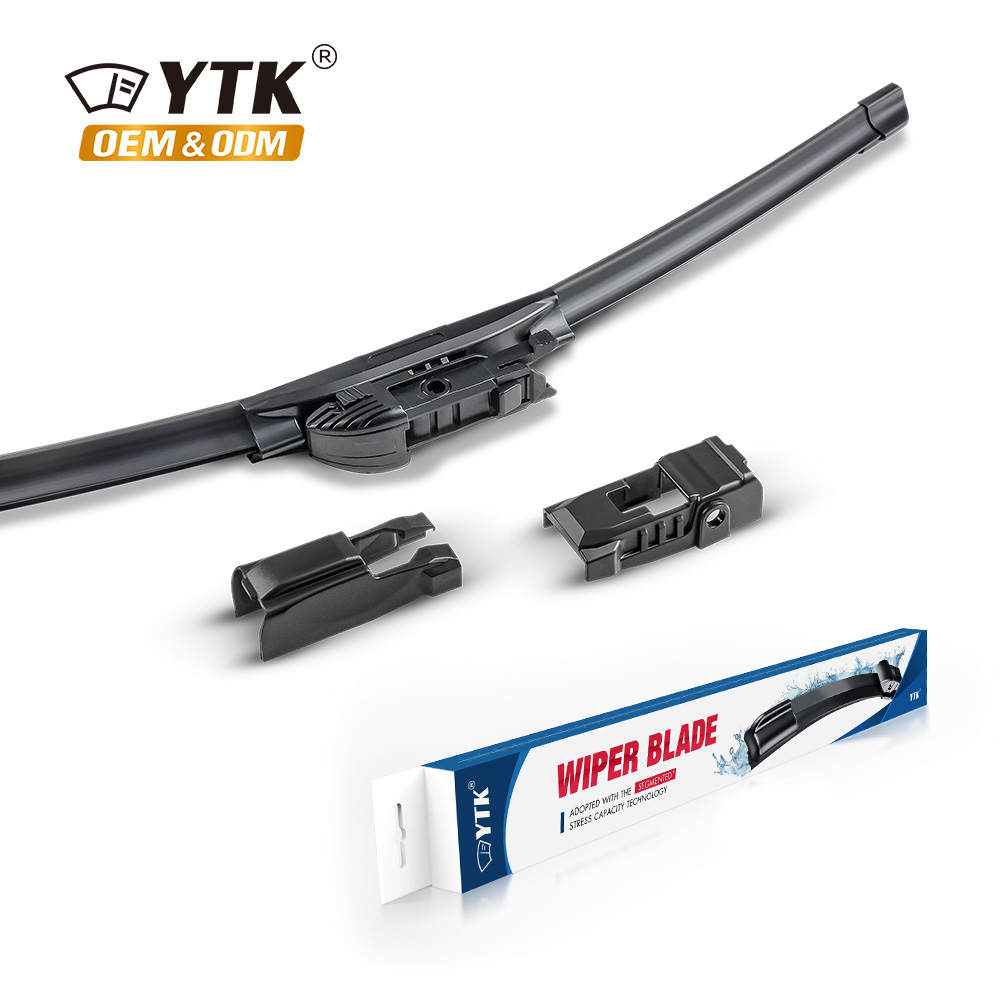
OEM Replacement Wiper Blade Supplier, Universal Natural Rubber Blade
- Premium Squeegee
- CE Certified
- High Durability
Engineering Whitepaper: Heavy-Duty Elastomer Formulation & Rubber-to-Metal Vulcanization
In modern commercial vehicle chassis design, the torque rod assembly—also recognized across heavy-duty truck platforms as the radius rod, track bar, or V-stay link—functions as the primary structural vector responsible for locating the drive and steer axles while absorbing massive longitudinal acceleration, severe braking torques, and lateral cornering loads. At the nexus of this mechanical system sits the torque rod rubber bush. Far more than a simple flexible isolator, a custom OEM torque rod bushing is an intricately calculated structural elastomeric element engineered to balance three conflicting physical demands: high dynamic radial stiffness for uncompromised axle alignment, low conical and torsional resistance to allow continuous articulated suspension travel without micro-fissuring, and exceptional viscoelastic damping properties to isolate road shock, suppress low-frequency NVH (Noise, Harshness, and Vibration), and protect adjacent driveline components.
At our Hebei manufacturing complex, established in 1997 and operating under continuous IATF 16949 quality management discipline, our elastomeric formulation begins with virgin polyisoprene (natural rubber) blended with targeted proportions of polychloroprene (neoprene) or hydrogenated nitrile butadiene rubber (HNBR) depending on environmental deployment thresholds. While ordinary aftermarket bushings rely on recycled crumb rubber or low-grade carbon black fillers that degrade rapidly under cyclical thermal dissipation, our proprietary compound achieves a Shore A hardness rating precisely balanced between 65 and 75 durometer, a tensile strength exceeding 22 MPa, and an ultimate elongation at break exceeding 480%. Carbon black distribution is verified via computerized rheometer curves to maintain optimum cure density throughout thick cross-sectional elastomeric walls.
Equally crucial to structural bush longevity is the chemical bonding mechanism established between the elastomeric body and the inner steel core and outer steel sleeves. Interfacial failure or bonding debonding remains the leading mode of torque rod failure in heavy-duty logistics and vocational vehicles. We counter this risk by employing seamless carbon steel tubes (grade 20# or 45# cold-drawn seamless tubing conforming to DIN 2391/EN 10305) treated with automated shot blasting to Sa 2.5 cleanliness, followed by immersion zinc phosphating to establish a corrosion-inhibiting, micro-porous mechanical anchor. Inner and outer metal surfaces are then coated with an automated two-coat Chemlok or Megum thermal bonding adhesive matrix under tight ambient temperature and humidity controls. During high-tonnage vacuum compression and transfer vulcanization, the polymer chains form covalent sulfur cross-links directly with the organo-functional silanes in the primer, ensuring a cohesive bond strength that exceeds the structural tear resistance of the parent rubber itself (>35 kN/m per ISO 34-1).
Future Procurement Trends in Heavy-Duty Suspension Sourcing
Strategic dynamics transforming the international purchasing landscape for commercial vehicle fleet operators, chassis rebuilders, and wholesale distributors through 2026–2030.
Electrification Load & Instant Torque Demands
The rapid deployment of heavy-duty electric trucks (BEVs) and hydrogen fuel cell logistics vehicles introduces immediate, full-amplitude instantaneous torque at 0 RPM. Unlike diesel powertrains with progressive torque delivery curves, commercial EVs exert severe initial shear shock onto the axle suspension links. Procurement directors are systematically shifting specifications toward multi-axis progressive-rate bushings with integrated conical limiter flanges to manage these elevated instantaneous torsional forces without internal elastomer rupture.
Total Cost of Ownership (TCO) vs. Initial Unit Price
Commercial fleet managers in North America and Western Europe have increasingly recognized that unscheduled roadside breakdown costs, tire shoulder scrubbing caused by axle misalignment, and labor hours required to press out seized suspension bushings far exceed minor component price deltas. Procurement metrics are migrating from piece-part FOB cost toward verified L-10 life cycle durability (targeting 500,000+ km of defect-free fleet operation) supported by automated oscillating test data and batch metallurgy certificates.
Tier-1 Supply Chain Localization & Redundancy
Global logistics disruptions and escalating geopolitical trade volatility have driven tier-1 suspension system assemblers away from opportunistic trading brokers toward verified primary manufacturers possessing in-house compound mixing, tooling CNC suites, and independent export credentials. Direct factory relationships enable agile inventory buffering, bespoke laser batch marking, customized retail kit packaging, and flexible production scheduling for container-load mixed procurement.
Engineering & Technological Trends in Torque Bushing Fabrication
Pioneering advancements in polymer physics, tooling precision, and non-destructive quality evaluation deployed across our modern production lines.
Nonlinear Finite Element Modeling (FEA)
Prior to tool steel fabrication, our engineering division subjects every bespoke torque rod bush geometry to hyperelastic Mooney-Rivlin and Ogden strain energy density modeling. By simulating real-world tri-axial dynamic stresses—encompassing simultaneous radial thrust, angular tilt (conical articulation up to ±15°), and torsional deflection—we identify internal strain concentrations within the elastomer core. This enables micro-contouring of internal rubber stress relief grooves, virtually eliminating edge localized tearing and extending operational fatigue endurance.
Hybrid Elastomer & Thermoplastic Polyurethane Hybrids
While pure natural rubber delivers superior elasticity and internal hysteresis resistance under ambient operational conditions, severe off-highway mining and arctic logistics demand extreme resistance to petrochemical wash, road de-icing salts, and ozone oxidation. Our material science laboratory has developed advanced hybrid micro-composite compounds blending specialty high-grade polyurethanes with sulfur-cured natural elastomer matrices. The result is an outer shielding profile impervious to hydraulic oil swelling and ozone cracking per ASTM D1149.
Automated Pre-Stress Post-Vulcanization Sizing
A major technological differentiator in high-tier torque rod bush fabrication is post-cure outer sleeve mechanical reduction (swaging or radial calibration). During cooling, elastomers experience natural volumetric shrinkage, creating residual internal tensile stresses. Our plant deploys automated multi-jaw hydraulic swaging presses that radially compress the outer metal sleeve by 2% to 4%. This pre-stresses the internal rubber into a permanent state of triaxial compression, dramatically boosting dynamic fatigue resistance and preventing micro-void propagation.
Enterprise Heritage & Factory Credentials: The Xingtai JES Advantage
Established in 1997 in the industrial heart of Hebei Province, China, Xingtai JES Auto Parts Manufactuer Co., Ltd. has grown over more than two decades from a specialized manufacturer of heavy mechanical center support bearings and driveline isolators into a premier global manufacturer of automotive elastomer components, advanced universal wiper systems, and custom suspension bushings. Operating from a modernized 30,000 square-meter physical manufacturing complex with over 10 automated and semi-automated production lines, our facility is verified on-site by TÜV Rheinland, certified with CE marking compliance, and operates under strict automotive quality management principles aligned with IATF 16949 standards.
Technical Specification & Quality Matrix
Comprehensive Quality Engineering Verification
Unlike commercial trading houses that outsource production to disparate workshops, Xingtai JES maintains 100% internal traceability. Every shipment of raw steel seamless tube is verified via optical emission spectrometry for chemical composition and tensile yield strength. Rubber compounding occurs in internal temperature-controlled Banbury mixers where each masterbatch is stamped with a unique cure record.
Our dynamic test laboratory subjects production samples to accelerated multi-axial oscillating fatigue benches running continuous radial loads up to 120 kN and conical tilt cycles at 2.0 Hz. We guarantee that every custom torque rod rubber bush leaving our loading docks matches OE fitment tolerances down to ±0.03 mm on machined outer shell diameters, eliminating loose interference fits or press-in housing galling during fleet installation.
Procurement & Technical Frequently Asked Questions (FAQ)
In-depth technical answers addressing polymer compounding, bonding integrity, dimensional tolerances, and international commercial shipping terms.
What specific elastomer formulations are utilized for heavy-duty commercial vehicle torque rod bushings?
How do you verify the integrity and fatigue life of the rubber-to-metal bonding interface?
What are your manufacturing capabilities regarding custom OEM dimensions and tooling development?
What dynamic and static fatigue testing protocols are executed prior to container dispatch?
What is the typical Minimum Order Quantity (MOQ) for custom private label torque rod bushings?
How does the radial swaging (post-cure calibration) process prevent premature cracking in service?
What delivery terms, lead times, and international settlement currencies do you support?
Request an Engineered OEM Quote or Custom Tooling Evaluation
Partner directly with Xingtai JES Auto Parts—a verified Chinese manufacturing facility possessing over 25 years of specialized elastomeric compounding, rubber-to-metal bonding mastery, and global distribution reliability.
