OEM Product Catalog & Custom Assemblies
Explore our TÜV Rheinland-verified automotive rubber-metal components, suspension bushings, and custom high-durability assemblies.
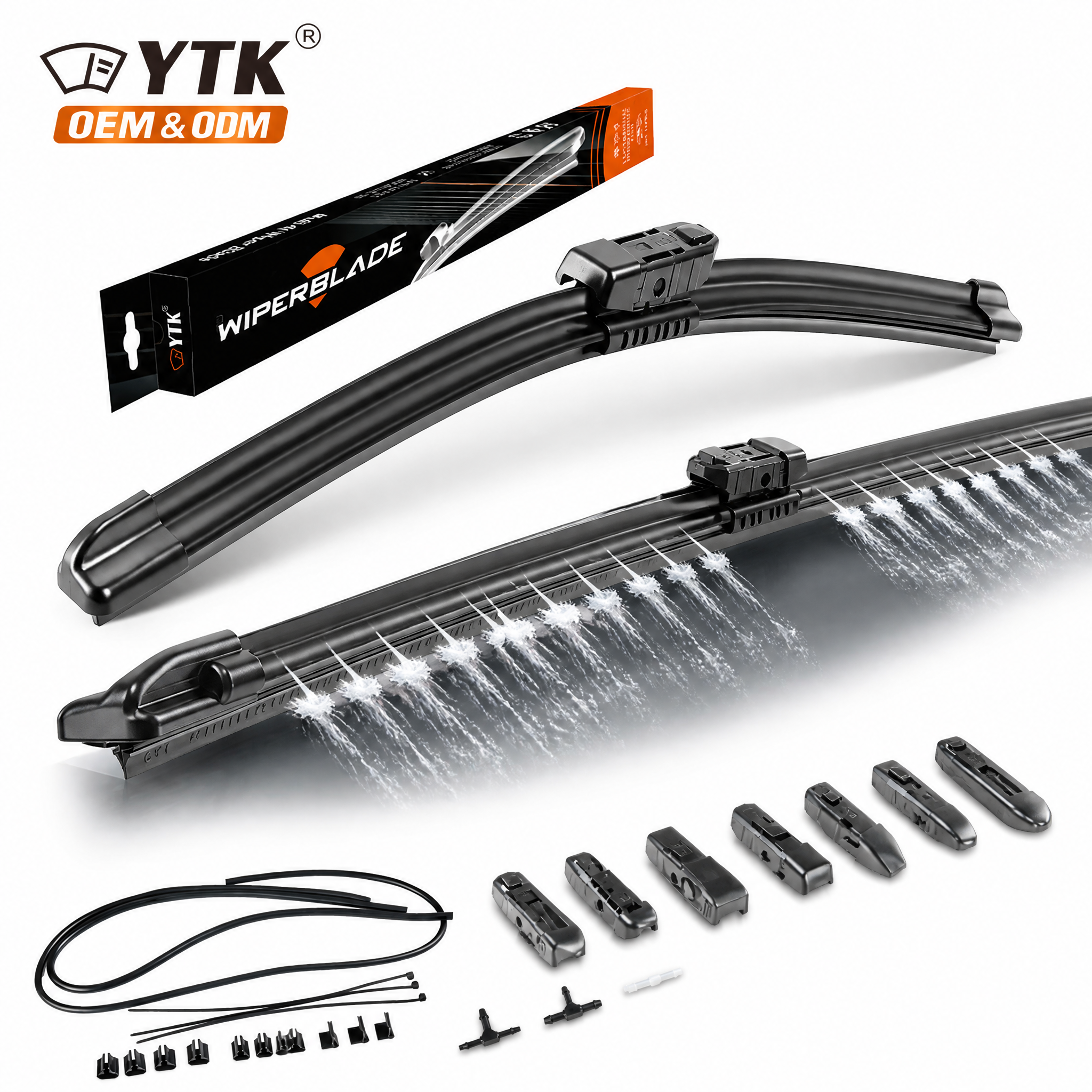
Car Water Spray Wiper Blade OEM Universal Multi Function with 19 Adapters for Multiple Vehicle Models
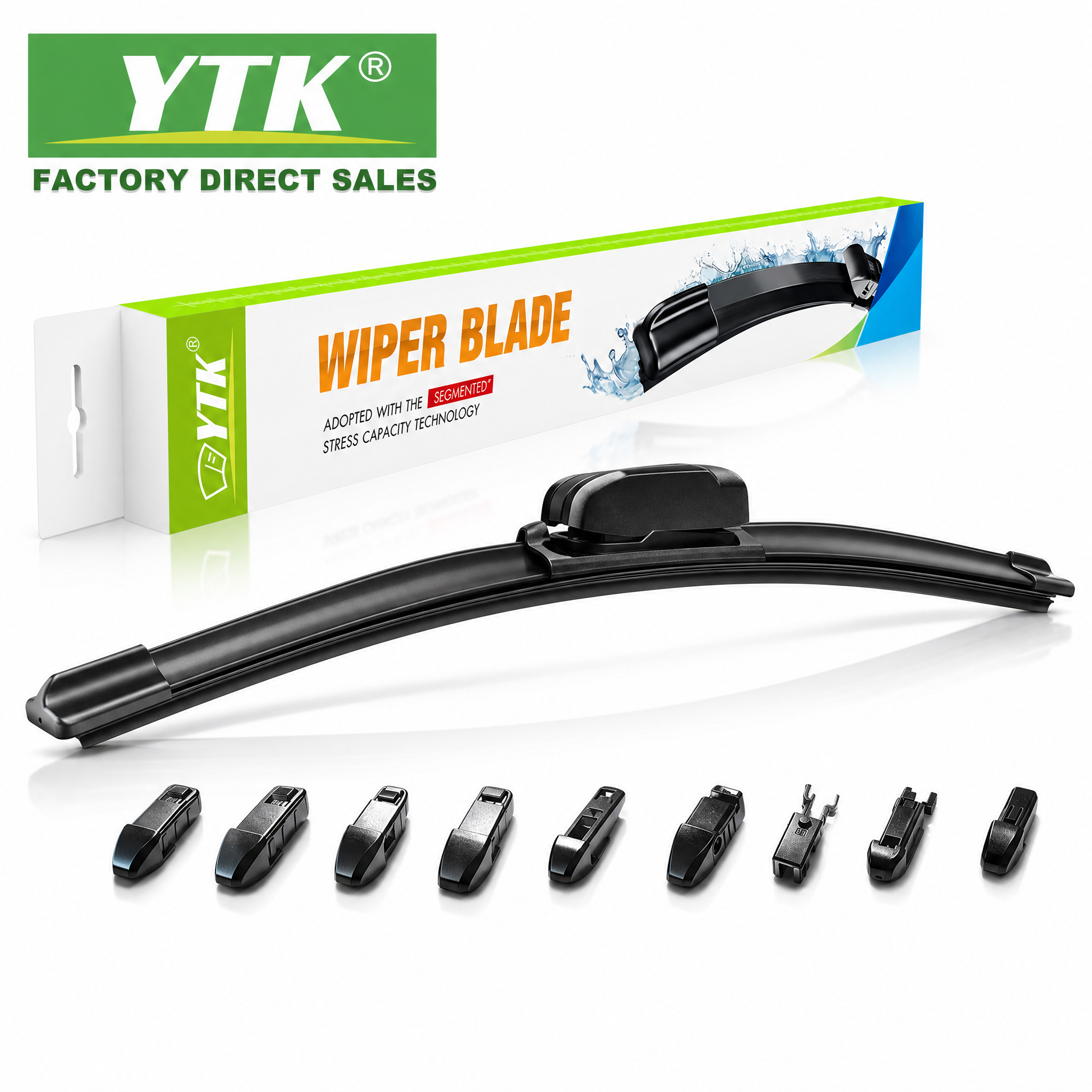
OEM Universal Frameless Wiper Blade with Multi-Adapter, Natural Rubber Car Windshield Wiper for Wholesale and Brand Projects
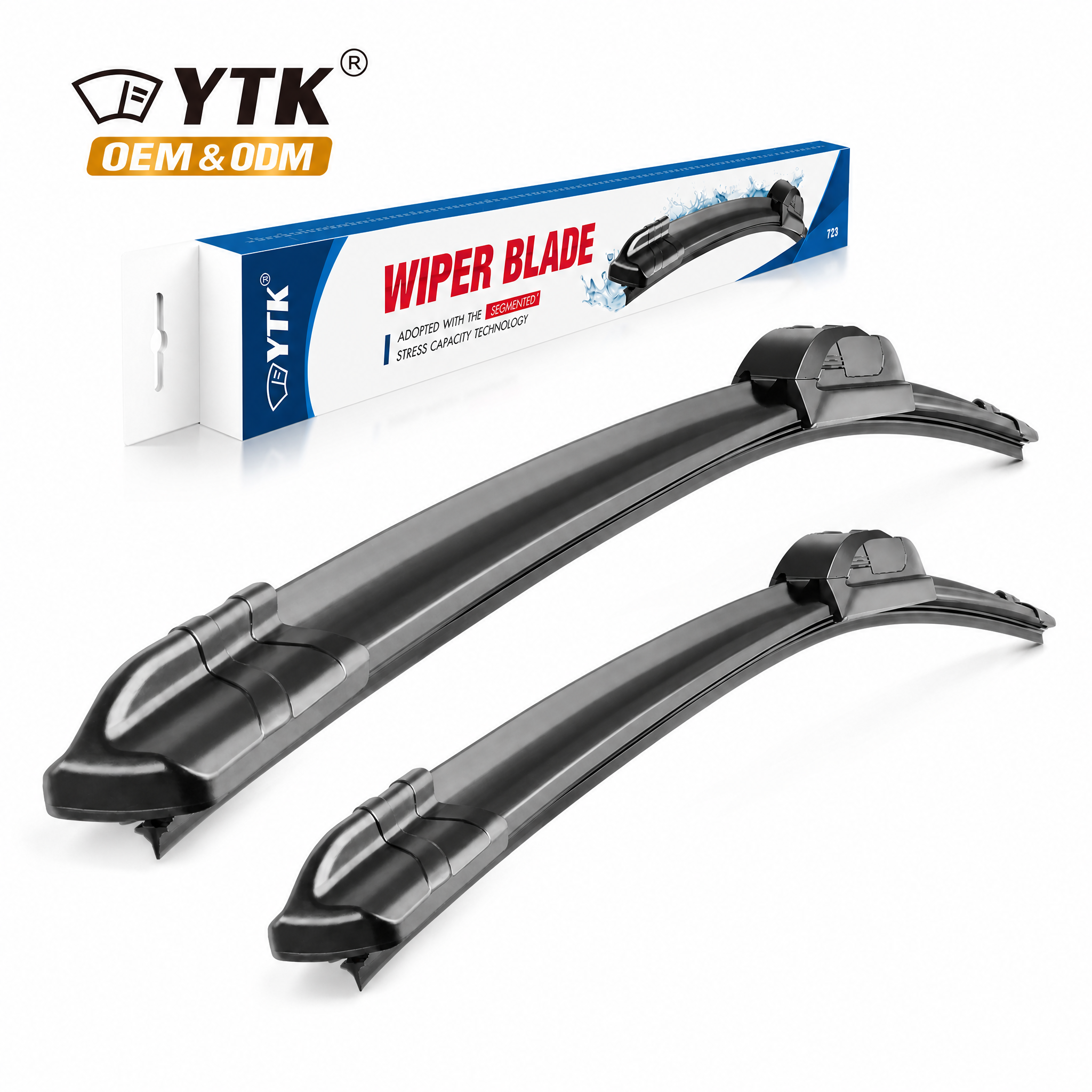
YTK OEM Private Label Flat Windshield Wiper Blade, Universal Natural Rubber Car Wipers for Aftermarket Brands
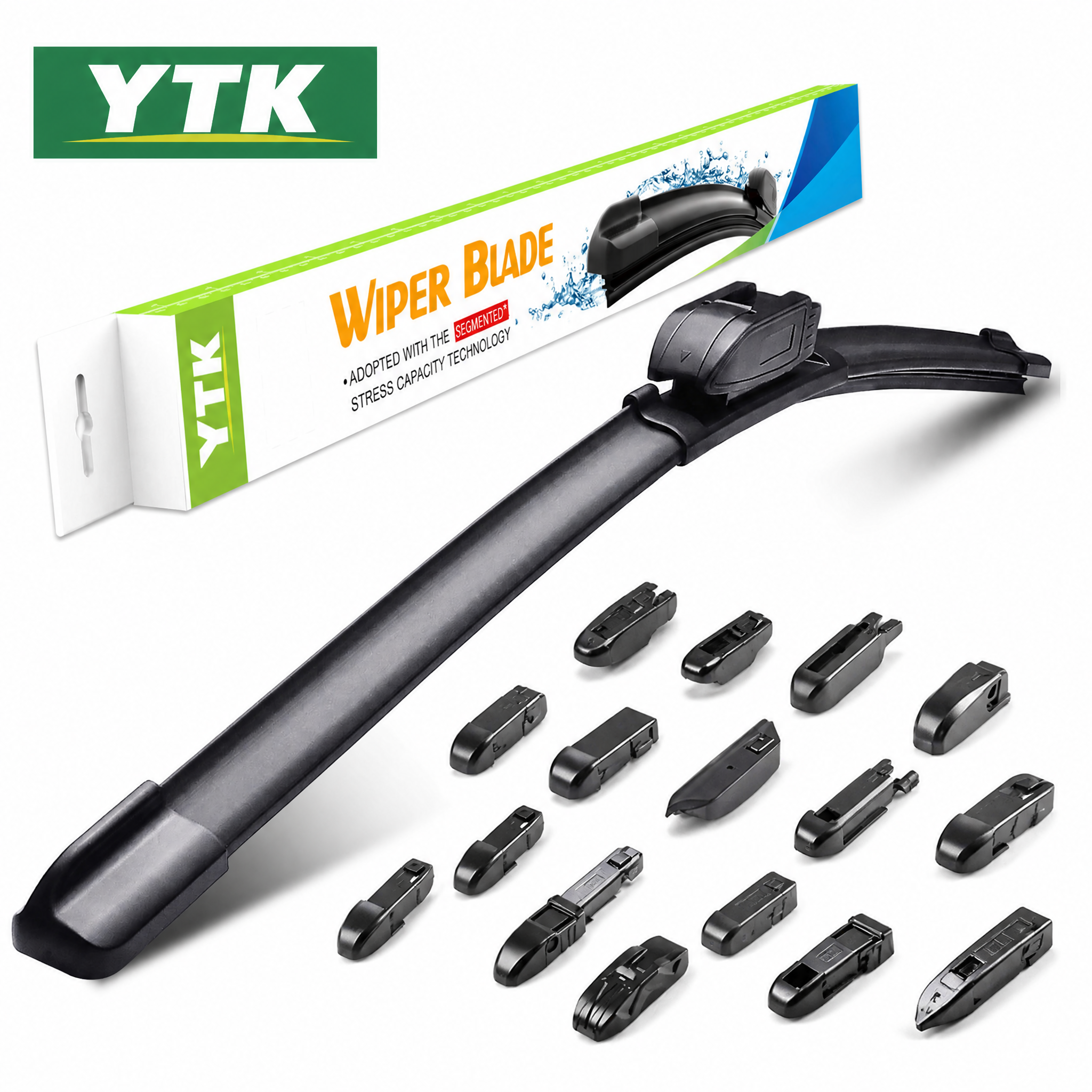
Private Label OEM Multi-Function Windshield Wiper Blade, Universal Frameless Car Wipers for Long-Term Supply Programs
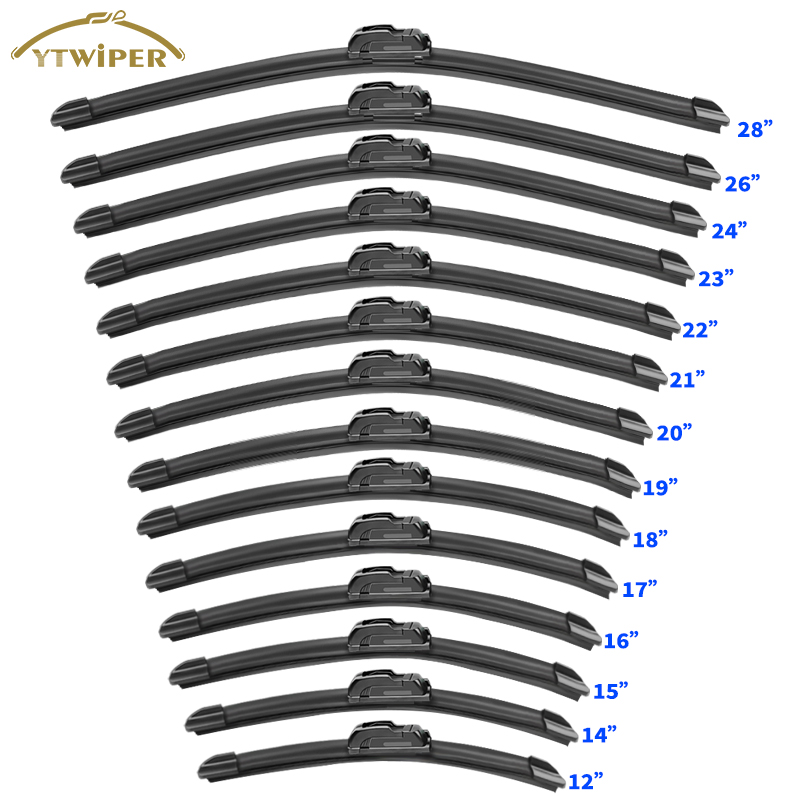
2026 YTK Universal Front Car Windshield Wipers Frameless 12-28 Inch Strip Natural Rubber Windscreen Blades for Fiat Vehicles
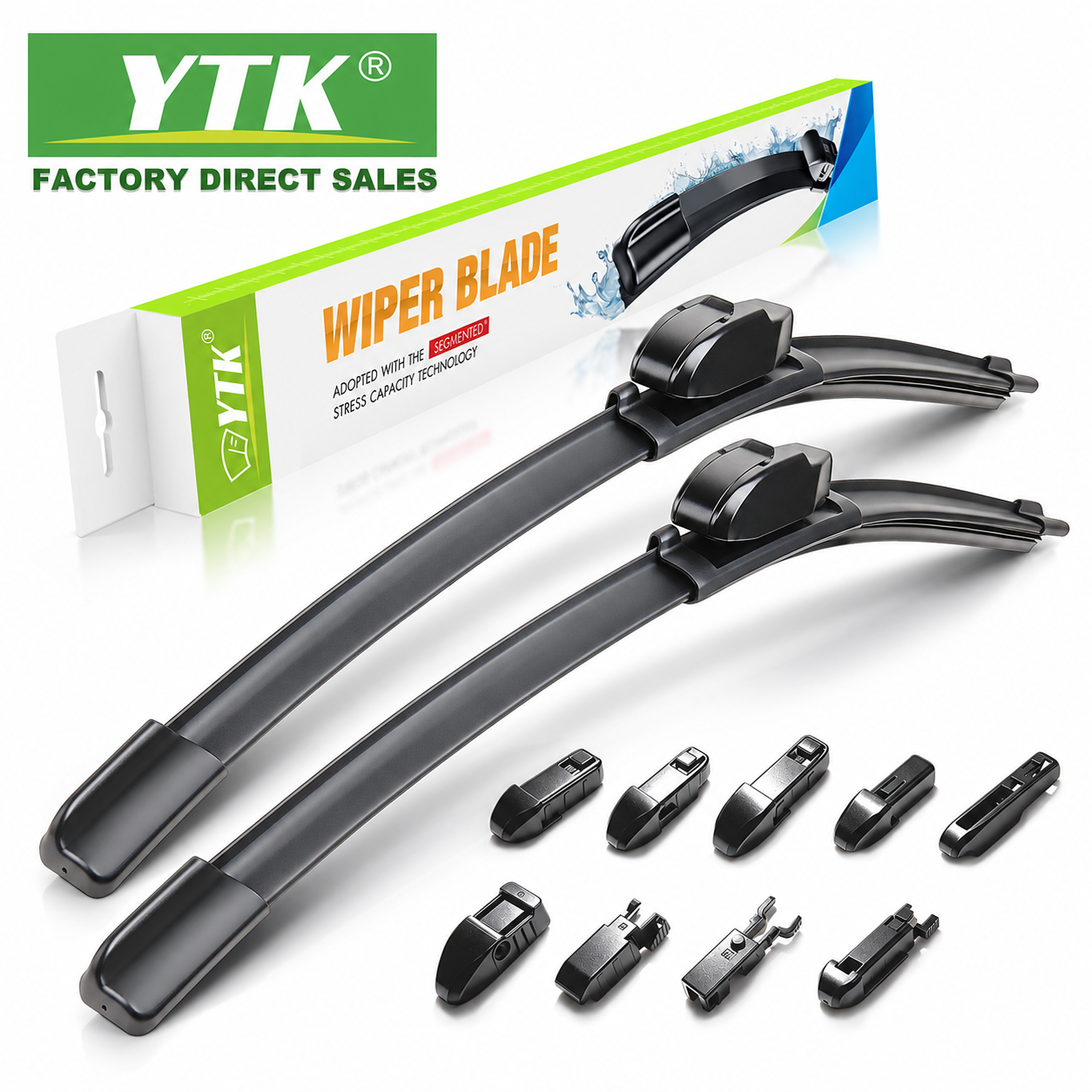
OEM Private Label Frameless Windshield Wiper Blade, Multi-Adapter Natural Rubber Car Wiper 14-28 Inch
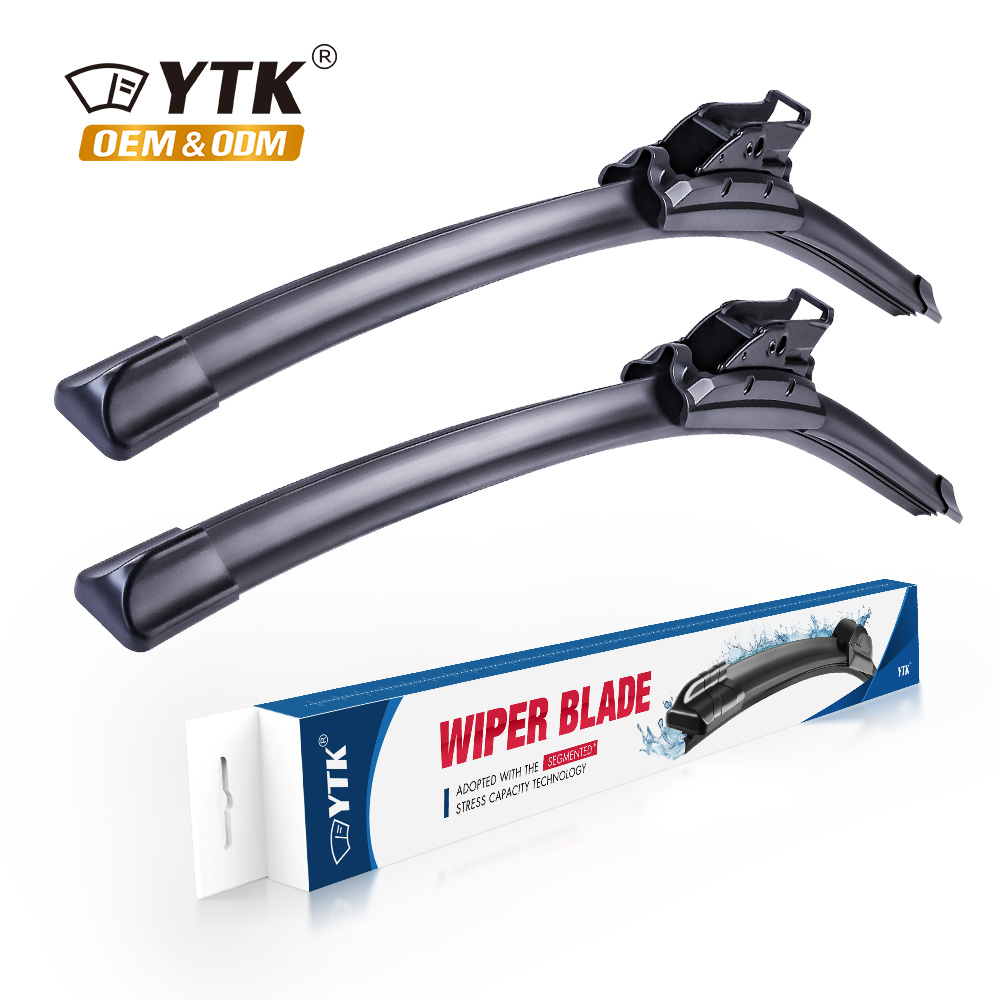
YTK OEM Private Label Multi-Function Frameless Windshield Wiper Blade with Multi-Adapter for Aftermarket Brands
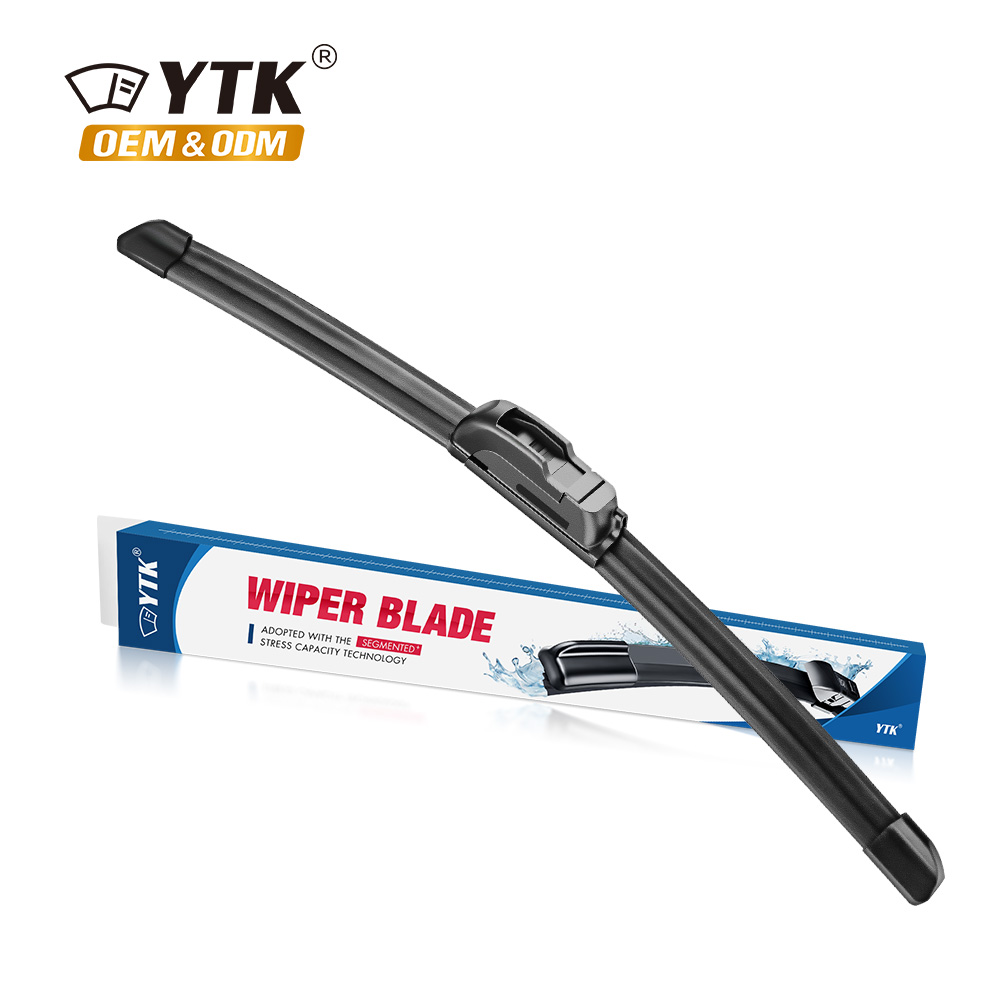
High Quality Windshield Wiper Adapter Car Wiper Blade Connector Replacement Auto Parts Accessory Factory Wholesale
Executive Engineering Whitepaper: Custom OEM Leaf Spring Bush Manufacturing
A Comprehensive Technical Assessment of Elastomeric Dynamics, Tribological Coatings, Polymer Vulcanization, and Chassis NVH Mitigation for Global B2B Procurement.
1. Kinematic Mechanics & Dynamic Load Profile of Suspension Bushings
Leaf spring bushes function as the critical flexible pivot interface between the vehicle frame bracket (shackle) and the leaf spring eyelet. Operating under dynamic, highly harsh road environments, the leaf spring bush is subjected to complex multi-axial mechanical stress profiles including radial compression during static vehicle loading, axial shear force during cornering, dynamic torsional distortion as the axle articulates, and conical bending moments caused by uneven terrain traversal.
Failure to correctly balance torsional stiffness with axial compliance results in premature rubber tearing, severe NVH (Noise, Vibration, and Harshness) transmission into the passenger cab, accelerating chassis frame fatigue, and causing catastrophic leaf spring eyelet degradation. Professional OEM leaf spring bush manufacturing demands rigorous mathematical modeling of high-strain rubber hysteresis, FEA (Finite Element Analysis) stress distribution, and custom elastomeric compound vulcanization calibrated specifically to regional GVWR (Gross Vehicle Weight Rating) standards.
2. Material Selection & Metallurgical Matrix Engineering
Achieving superior chassis longevity requires custom material formulation matching regional temperature variations, chemical exposures (road salts, grease, diesel splatter), and heavy dynamic loading. OEM procurement specs utilize four primary material formulations:
| Material Formulation | Hardness Range (Shore A) | Tensile Strength (MPa) | Dynamic Fatigue Cycles | Optimal Application Profile |
|---|---|---|---|---|
| High-Density Natural Rubber (NR) | 65 - 75 Shore A | ≥ 22 MPa | > 1,200,000 | Heavy-duty commercial trucks, OEM leaf spring shackles, high dynamic flex applications. |
| Thermoplastic Polyurethane (TPU) | 80 - 95 Shore A | ≥ 35 MPa | > 800,000 | Off-road 4x4 vehicles, extreme anti-abrasion demands, heavy side-load stability. |
| EPDM Synthetic Polymer | 60 - 70 Shore A | ≥ 16 MPa | > 900,000 | High environmental ozone, extreme temperature ranges (-40°C to +120°C), salt spray exposures. |
| Elastomeric Metal-Bonded Hybrids | 70 - 85 Shore A | ≥ 25 MPa | > 1,500,000 | Tier-1 OEM passenger light commercial vehicle (LCV) & heavy bus chassis applications. |
In metal-bonded leaf spring bushings, inner and outer steel sleeves are fabricated from seamless cold-drawn precision carbon steel (ST52 / Q235B or SAE 1020). The metallic surface undergoes automated shot-peening, ultrasonic degreasing, and application of two-coat thermosetting adhesive agents (such as Chemlok/Megum) before high-pressure injection molding. This guarantees a rubber-to-metal destruction-level bond strength exceeding 12.5 MPa, ensuring zero slippage under high dynamic torsional distortion.
3. Precision Vulcanization Molding & OEM Quality Control Standards
Our 30,000 m² production complex houses 10+ automated cold-runner rubber injection molding machines operating under micro-processor temperature control within ±0.5°C precision. Automated vulcanization prevents under-curing (which induces permanent deformation set) and over-curing (which causes surface micro-cracking and brittleness).
Quality assurance adheres strictly to automotive IATF 16949 standards, incorporating comprehensive dynamic testing protocols:
- Rheometric Compound Testing: Validating batch-to-batch polymer cross-linking density and curing velocity.
- Multi-Axial Fatigue Testing: Subjecting finished bushes to simultaneous radial displacement and high-frequency torsional oscillations to simulate 200,000 km of severe road operation.
- Corrosion Resistance Verification: Inner/Outer metal sleeves feature zinc-nickel electroplating or eco-friendly cathode electrophoretic coating (E-coating), surviving over 960 hours of ASTM B117 neutral salt spray testing.
Factory OEM Manufacturing Capabilities
Why Tier-1 Automotive Buyers, Global Wholesale Distributors, and Aftermarket Brands Trust Our Production Line.
Custom Tooling & Rapid Prototyping
In-house CNC mold-making laboratory enables rapid tooling development within 14-21 business days from initial CAD/Reverse Engineering samples.
Private Label & Packaging Customization
Full private label capabilities including laser logo marking on metal sleeves, customized color retail boxes, bulk warehouse crating, and barcode labeling.
TÜV Rheinland On-Site Verified
Comprehensive third-party verified manufacturing facilities, audited operational capacity, legal compliance, and transparent trade history.
Future Procurement Trends & Sourcing Intelligence (2025–2030)
Anticipating Structural Shifts in Chassis Component Sourcing, EV Weight Dynamics, and Sustainable Polymer Regulations.
1. Electrification & Heavy-Duty EV Chassis Dynamics
The global transition to Electric Commercial Vehicles (ECVs) and hybrid fleet platforms introduces significantly higher tare weights due to battery pack mass. Consequently, suspension components experience elevated continuous static compression loads and sharper instant torque surges during regenerative braking cycles. Sourcing managers must shift procurement specifications toward high-modulus polyurethane and hybrid elastomeric formulations capable of supporting higher payload densities without dynamic creep or permanent height settling.
2. Environmental Compliance: REACH, RoHS, & Low-PAH Rubber Chemistry
Environmental standards in Western Europe and North America strictly restrict Polycyclic Aromatic Hydrocarbons (PAHs), heavy metal vulcanization accelerators, and nitrosamine emissions during rubber synthesis. Global buyers must ensure their OEM suppliers comply fully with REACH and RoHS standards. Our factory incorporates eco-friendly non-aromatic extender oils and bio-based filler alternatives, yielding zero toxic off-gassing while satisfying rigorous EU chemical import compliance.
3. Smart Chassis Integration & Tribological Self-Lubricating Formulations
To reduce maintenance downtime and eliminate regular chassis grease service intervals, future suspension bush engineering favors self-lubricating polymer matrixes embedded with internal PTFE micro-particles or graphite lubricants. These maintenance-free bushings reduce friction coefficients down to ≤ 0.15, eliminating squeak noise and reducing friction wear over extended multi-year operational cycles.
Frequently Asked Questions (FAQ) for B2B Sourcing & Engineering
Detailed technical and commercial answers addressing common OEM buyer, fleet manager, and importer inquiries.
Partner with a Trusted OEM Suspension Bushing Manufacturer
Scale your supply chain efficiency with certified precision engineering, competitive factory-direct pricing, and dependable global export support.
Contact Us