Featured Precision Automotive Rubber & Wiper Assemblies
Manufactured with proprietary elastomer compounding, high-tensile spring steel, and automated vulcanization lines. Explore verified B2B high-turnover models ready for container shipment and private labeling.
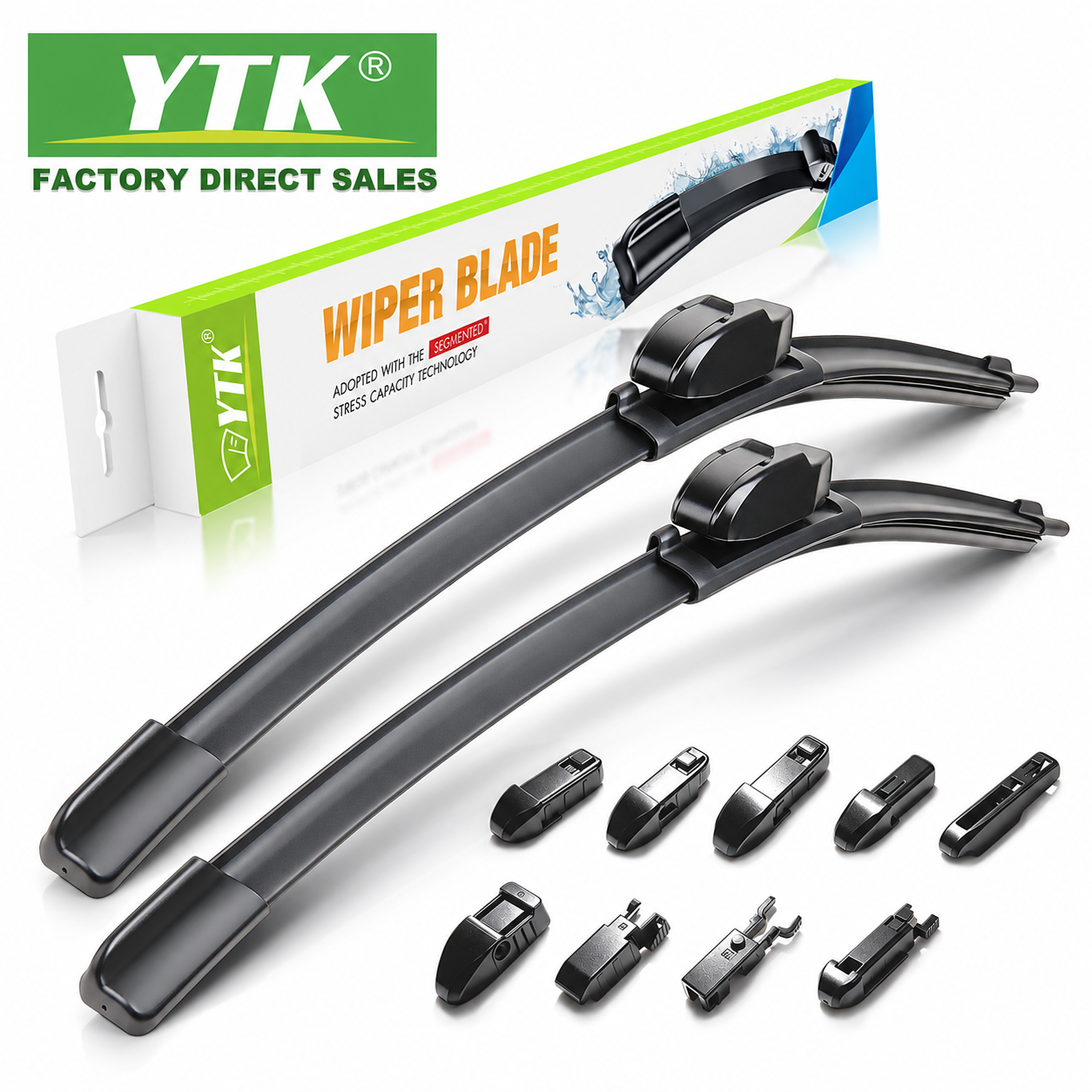
OEM Private Label Frameless Windshield Wiper Blade, Multi-Adapter Natural Rubber Car Wiper 14-28 Inch
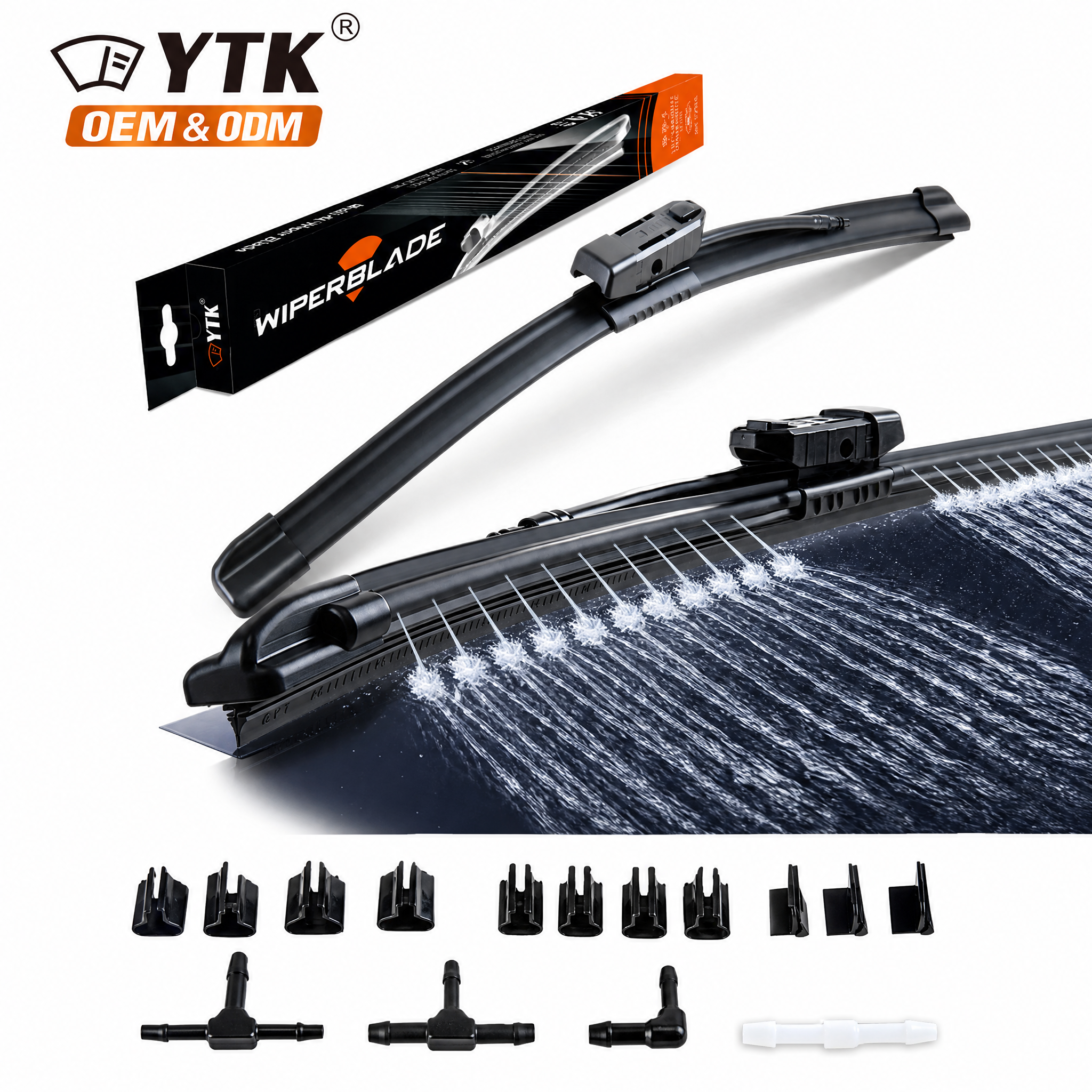
OEM Private Label Water Spray Wiper Blade with 19 Adapters, Universal Multi-Function Car Wiper for Aftermarket Brands
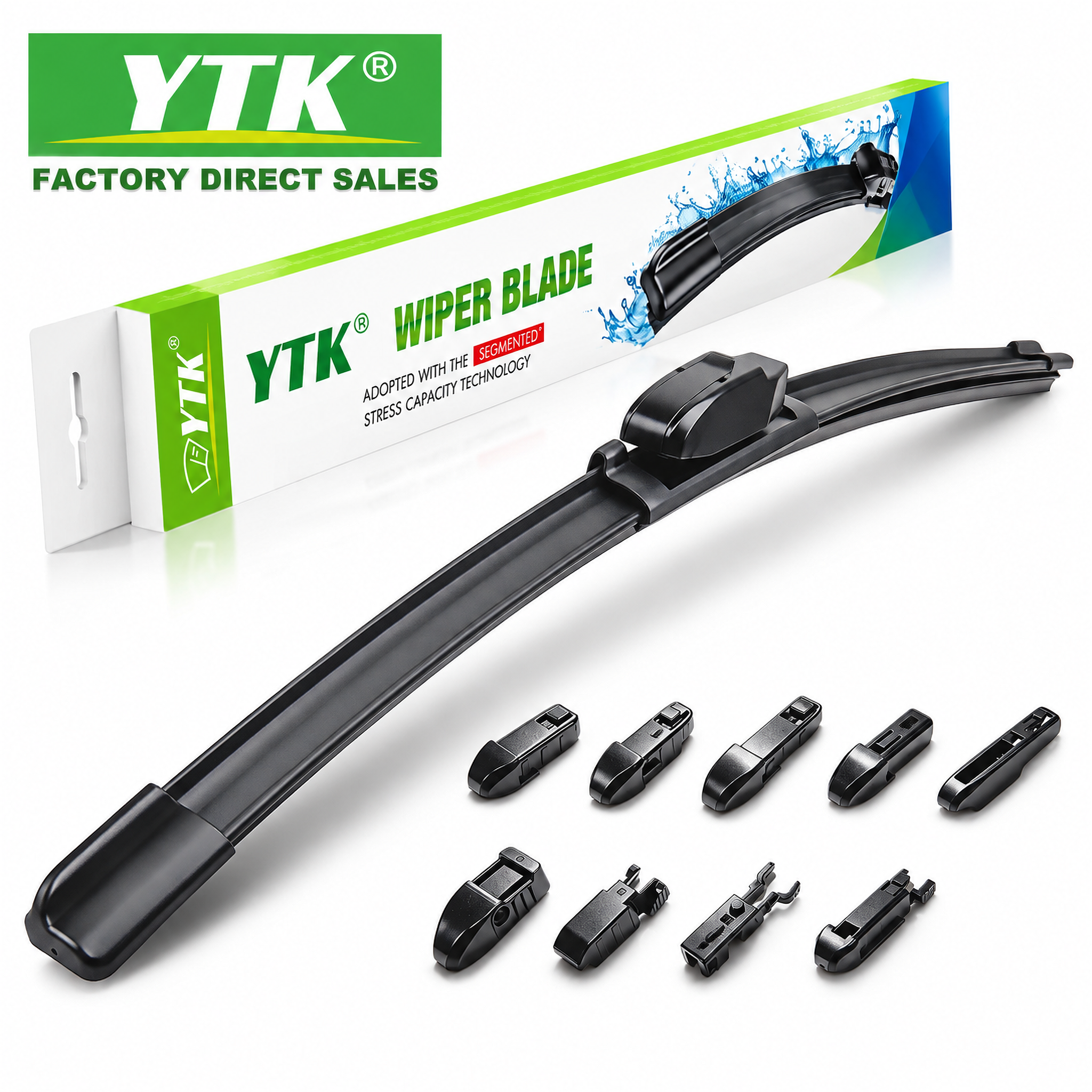
High Quality YTK OEM Boneless Natural Rubber Windshield Wipers for Cars Direct From Factory
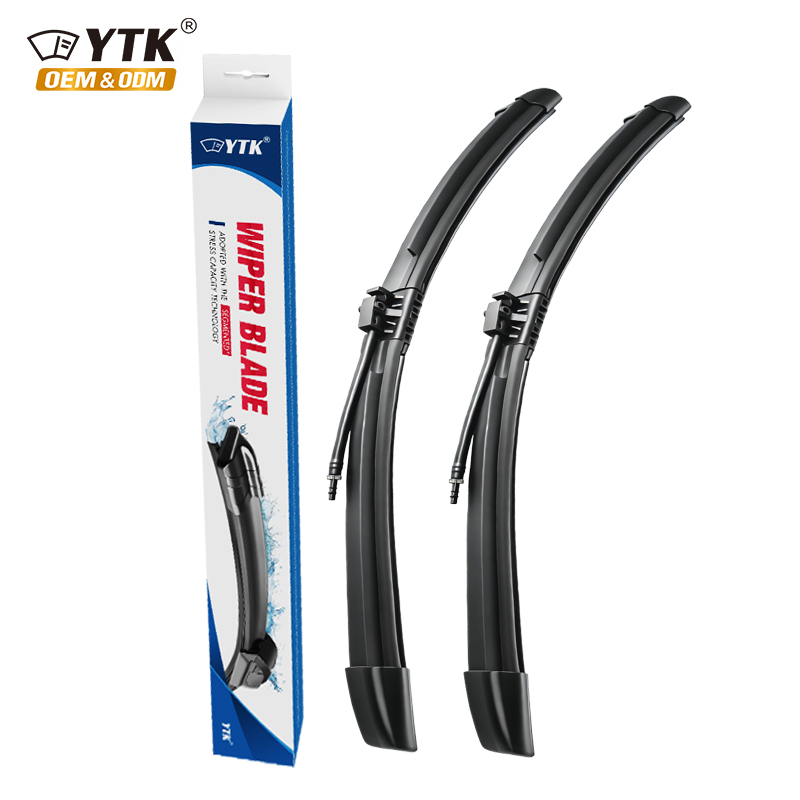
High Quality 2026 OEM Car Accessories Universal Car Spray Water Wiper Windscreen Wiper Blade for Car
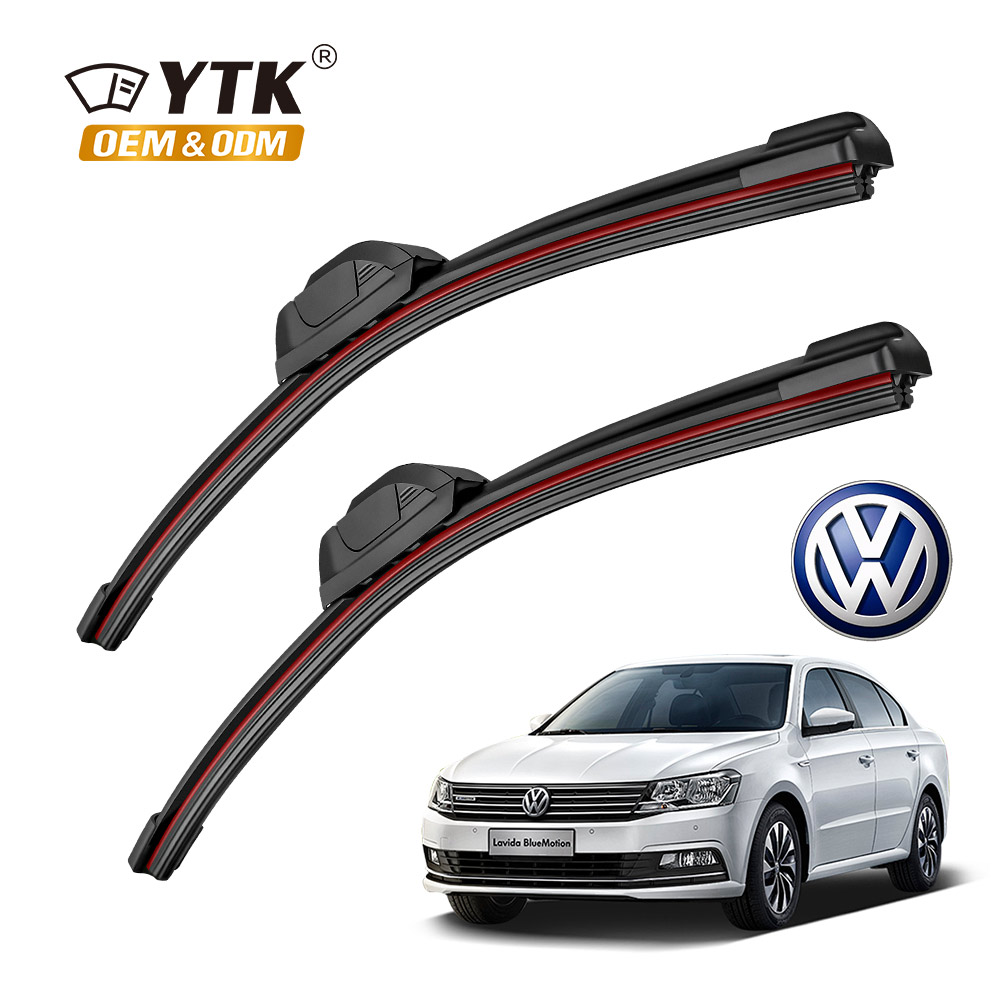
2026 YTK Car Wiper Blade Size Front Window Six Wiper Blade Rubber Refil Universal Six Rubber Windshield Wiper Replacement
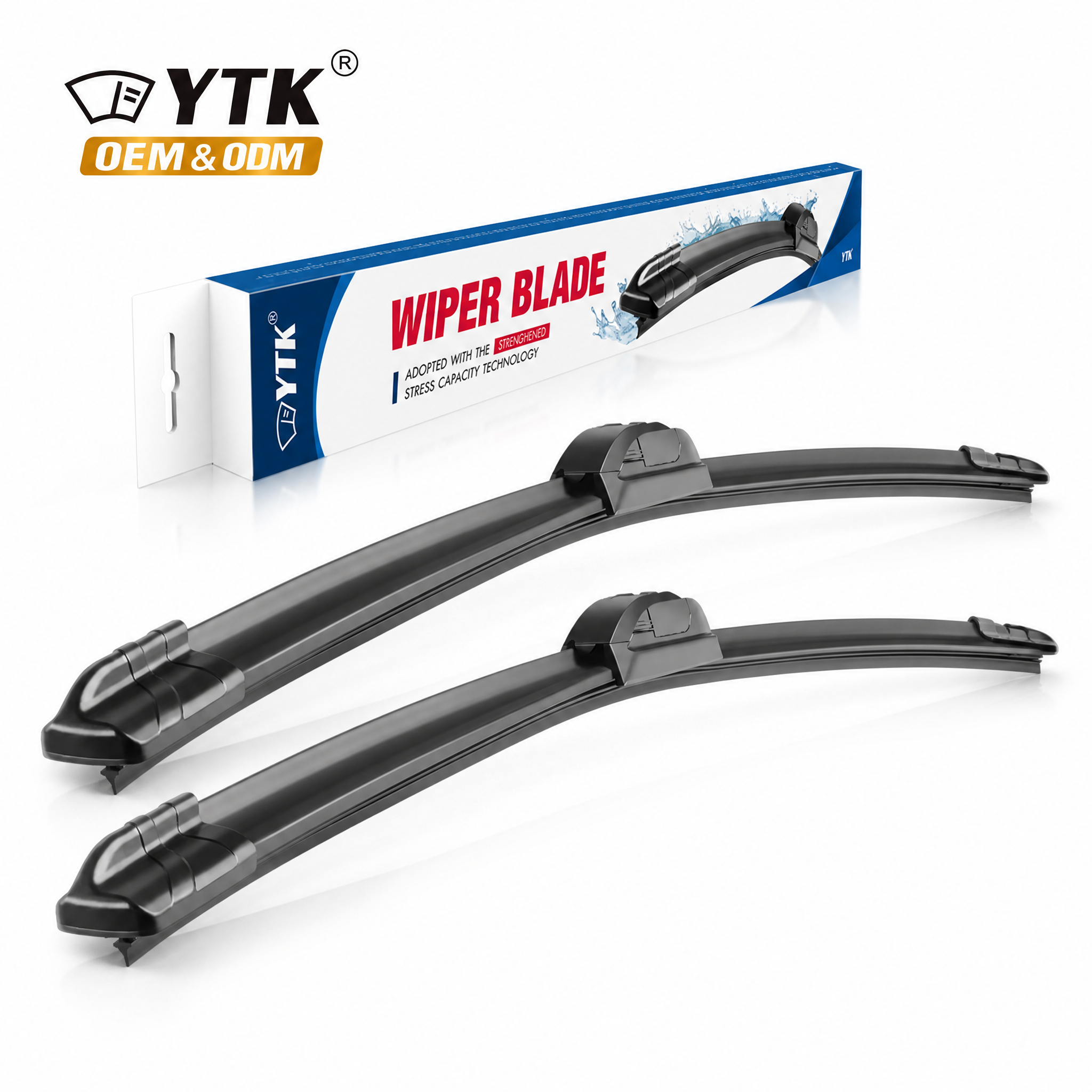
2026 YTK OEM Auto Accessories Universal Flat Car Windshield Wipers Natural Rubber
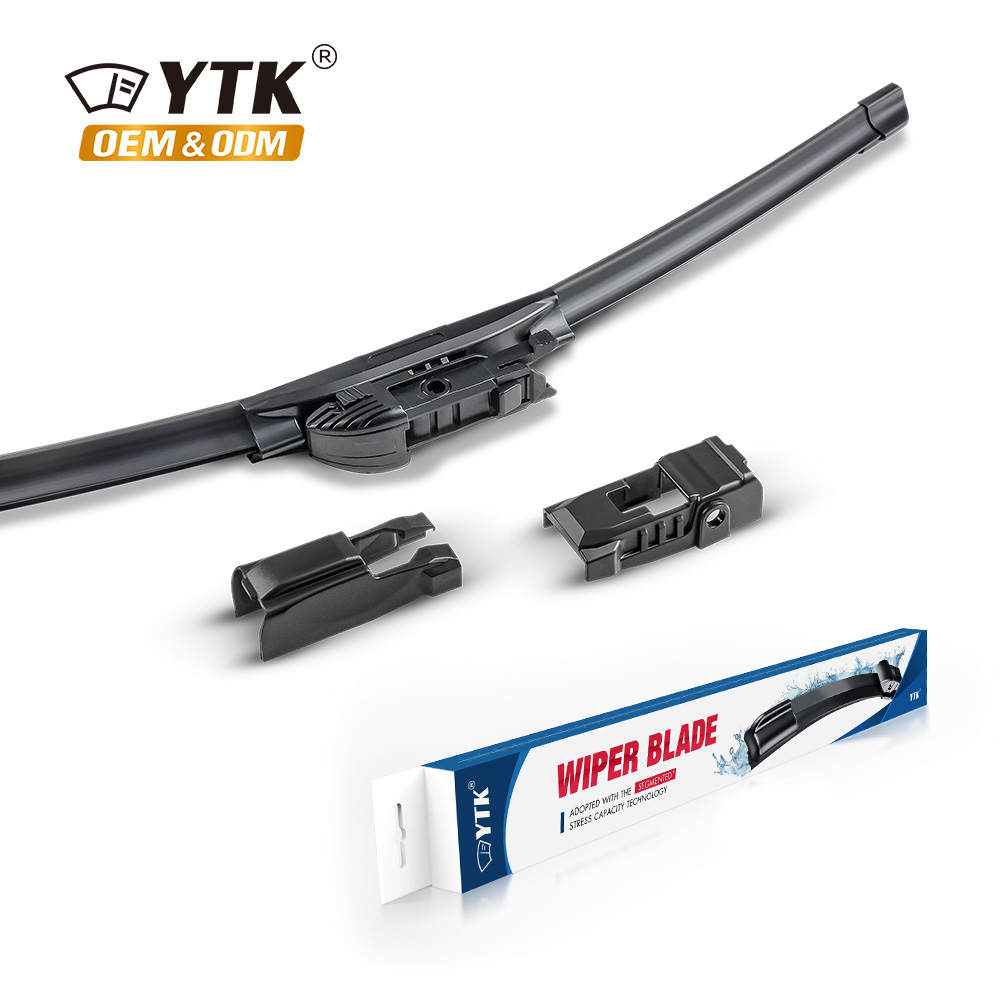
OEM Replacement Wiper Blade Supplier, Universal Natural Rubber Windshield Wiper with Multi-Adapter
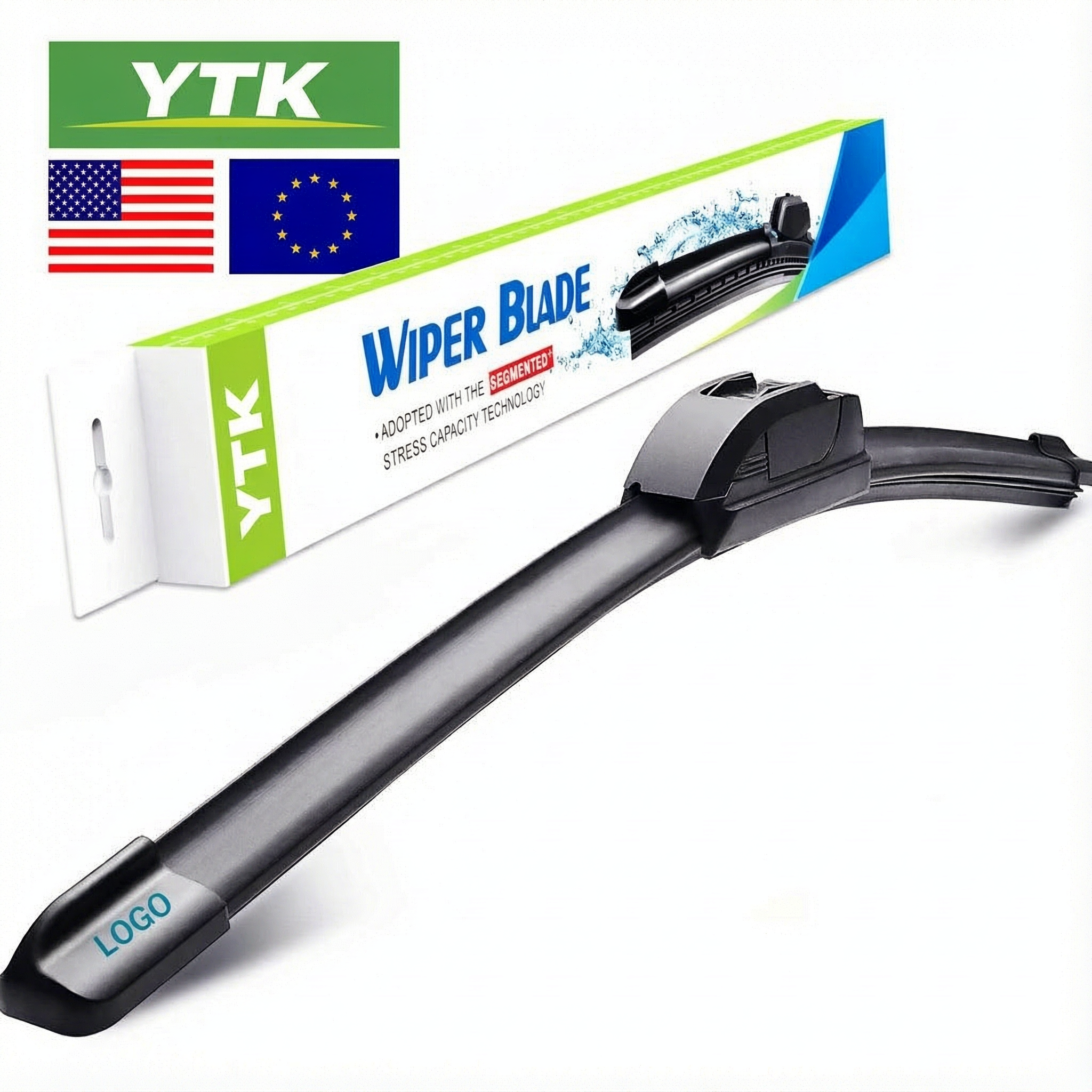
YTK Universal Soft Windshield Wiper Blades Natural Rubber Car Wipers with Free Packaging Design Service
Strategic Sourcing Guide: Wholesale Chassis Rubber Bushings & Automotive NVH Elastomers
Chassis rubber bushings represent the critical nexus between kinetic vehicle dynamics, passenger acoustic comfort, and mechanical chassis longevity. In contemporary suspension architectures—ranging from MacPherson struts and multi-link rear setups to heavy-duty double wishbones—the suspension bushing isolates road excitation while maintaining precise steering geometry under multi-axis dynamic loads.
Advanced Elastomer Compounding & Rheology
Precision formulation balancing Natural Rubber (NR), synthetic polybutadiene (BR), and specialized chloroprene (CR). Engineered Shore A hardness ranges (55 to 75 Durometer) deliver tuned radial stiffness, axial retention, and low hysteresis loss angle (tan δ < 0.08) for superior high-frequency micro-vibration absorption.
Rubber-to-Metal Chemical Chemlok Bonding
Automated zinc-phosphate micro-etching combined with robotic application of Lord Chemlok adhesive systems ensures cohesive rubber failure during destructive peel testing rather than adhesive-metal separation. Inner and outer seamless steel sleeves undergo cold-drawing and zinc-nickel plating for 720+ hour salt-spray corrosion resistance.
Tri-Axial Dynamic Testing & Fatigue Life
Every production batch undergoes servo-hydraulic MTS endurance testing over 1.5 million cycles under combined torsional (±15°), conical (±8°), and radial displacement regimes. Bushings are calibrated to avoid resonant frequency overlap with body-in-white structures (15–25 Hz suspension boom suppression).
Future Procurement Trends for Automotive Rubber Bushings
The automotive aftermarket and Tier-1 supply chains are experiencing structural shifts propelled by electrification, platform modularity, and total cost of ownership (TCO) optimization. Global procurement teams are adapting to key macroeconomic and engineering paradigms.
1. EV Weight & High Instantaneous Torque Impact
Electric vehicles impose 25%–35% higher curb weight due to high-voltage traction batteries, while instantaneous electric motor torque creates severe longitudinal shock loads on lower control arm bushings. Modern procurement demands heavy-duty bushings with non-linear progressive stiffness curves and increased volume elastomer profiles that prevent early wall blowout.
2. Consolidation into Modular Sub-Assemblies
Importers are shifting procurement from loose, press-fit rubber sleeves to pre-assembled aluminum control arms, transverse link brackets, and complete center support bearing units. Purchasing integrated assemblies slashes aftermarket mechanic installation time, eliminates hydraulic pressing errors, and yields higher revenue margins per container volume.
3. Decarbonized Rubber & REACH Compliance
Stringent environmental policies across Western Europe (EU REACH Annex XVII, RoHS, and German Supply Chain Due Diligence Act) necessitate polycyclic aromatic hydrocarbon (PAH)-compliant aromatic extender oils. Wholesale buyers now mandate raw material traceability down to certified natural rubber plantations and recycled carbon black formulations.
Technological Development Trends in Suspension Rubber Components
How China's leading automotive rubber manufacturing hubs are transforming mechanical rubber components into high-precision, tunable dynamic dampeners.
Hydraulic Bushings (Hydro-Bushings)
Integration of internal fluid chambers and tuned orifices containing glycol fluid to provide amplitude-selective damping—yielding plush ride quality over low-amplitude irregularities while stiffening dynamically during braking.
Dual-Durometer Co-Vulcanization
Multi-cavity injection molding allowing differential Shore A compounds inside the same bushing geometry. Provides compliant longitudinal ride comfort while maintaining extreme lateral rigidity for razor-sharp handling.
Lightweight Hybrid Composites
Replacing outer steel sleeves with high-tensile fiberglass-reinforced polyamides (PA66-GF50). Eliminates galvanic corrosion against aluminum subframes while shedding up to 40% of unsprung component mass.
Nano-Graphite Thermal Dissipation
Infusing nano-graphene platelets into synthetic rubber compounds to dissipate internal friction-generated heat under prolonged gravel washboard driving, preventing elastomer crystallization and hardening.
Elastomer Compound & Chassis Bushing Performance Matrix
Compare fundamental physical properties and operating boundaries across leading suspension bushing material categories.
| Component / Material Type | Tensile Strength (MPa) | Shore Hardness (A) | Working Temp (°C) | Dynamic / Static Ratio | Primary Suspension Application |
|---|---|---|---|---|---|
| High-Grade Natural Rubber (NR) | ≥ 22.5 MPa | 60 ± 5 | -45°C to +85°C | 1.25 – 1.40 (Ideal) | Control arm pivots, subframe mounts, strut rod joints |
| Hydrogenated Nitrile / EPDM Blend | ≥ 18.0 MPa | 65 ± 5 | -40°C to +135°C | 1.45 – 1.65 | Exhaust mounts, stabilizer bar d-bushings, engine bay links |
| Hydraulic Fluid Bushing (Hydro-Bushing) | ≥ 20.0 MPa (Bladder) | 58 ± 4 | -35°C to +90°C | Tunable Orifice Flow | Front lower control arm hydro-mounts (Audi, BMW, Tesla) |
| High-Durometer Polyurethane (PU) | ≥ 35.0 MPa | 75 ± 5 | -30°C to +100°C | 2.10 – 2.50 (Stiff) | Motorsport links, heavy haul commercial fleet conversions |
| Center Support Rubber-Bearing Unit | ≥ 19.5 MPa | 55 ± 5 | -40°C to +110°C | 1.30 – 1.45 | Longitudinal propeller drive shaft vibration damping |
Why Global Importers Partner with Xingtai JES Auto Parts
Headquartered in Hebei Province's premier automotive cluster with our Nangong production facilities, Xingtai JES Auto Parts Manufacturer Co., Ltd. has delivered uninterrupted OEM contract manufacturing since 1997.
Legacy of Rubber Craft
More than two decades of dedicated metallurgy, polymer vulcanization, and automotive component innovation, originating from heavy-duty center support bearings to complete rubber suspension programs.
High-Throughput Lines
Operating across 30,000 square meters of specialized workshop space. Continuous compounding mills, Desma rubber injection molding presses, and automated packaging conveyors ensure swift container turnarounds.
Audited Authority
On-site assessed and certified by TÜV Rheinland. Full transparency across legal verification, factory floor audits, production capacity ratings, and CE conformity across product families.
OEM / ODM Support
Comprehensive private label programs including custom mold design, bespoke steel stamping, laser marking, barcoding, high-impact retail blister boxes, and complete container shipping support.
Our 6-Stage OEM/ODM Rubber-to-Metal Engineering Pipeline
A disciplined, IATF 16949-aligned APQP development cycle transforming your OEM drawings or physical benchmark samples into mass-produced, container-ready automotive parts.
Specification & Mold CAD Modeling
Review of dimensional tolerances (±0.05mm), operating envelope, and radial/axial stiffness targets. Tooling engineers model CAD/CAM core molds in-house using heat-treated P20 steel.
Custom Elastomer Compounding
Natural rubber masterbatch blending with carbon black, anti-ozonants, and vulcanizing accelerators. Rheological verification guarantees cure rate, modulus, and tear resistance.
Metal Stamping & Surface Activation
Inner and outer sleeves machined from ST52 cold-drawn seamless tubing. Multi-stage degreasing, micro-etch phosphate conversion coating, and automated Lord Chemlok primer dipping.
High-Pressure Injection Vulcanization
Computer-controlled vacuum compression or injection vulcanization at 165°C under 200 bar hydraulic clamp pressure, eliminating air voids and maximizing chemical bonding strength.
Precision Sizing & Pre-Compression
Post-vulcanization outer sleeve mechanical swaging (caliber reduction) introduces controlled compressive residual stresses in the rubber mass, drastically extending fatigue life.
Dynamic Validation & Global Shipping
Destructive radial pull-out test, durometer verification, dynamic stiffness checks, and batch laser etching. Palletized container stowage for seamless ocean transport.
Frequently Asked Questions by Global B2B Buyers
Detailed answers to critical technical, operational, and commercial questions asked by professional importers, aftermarket distributors, and procurement directors.
What minimum order quantities (MOQs) apply to OEM custom chassis bushings vs. in-stock automotive rubber parts?
How do you prevent rubber-to-metal bond separation in harsh winter climates with heavy road salt?
Natural Rubber (NR) vs. Polyurethane (PU): How should an aftermarket distributor structure their product line?
What in-house quality control testing equipment validates your rubber suspension bushings?
What trade terms, settlement methods, and shipping ports do you utilize for international exports?
Accelerate Your Automotive Rubber & Chassis Sourcing
Partner directly with an audited Chinese manufacturer equipped with 25+ years of elastomeric vulcanization expertise, 30,000 m² of automated facilities, and full OEM/ODM branding capabilities. Connect with our engineering and export team for volume quotations, custom tool drawing reviews, and rapid prototype sampling.
