Featured OEM & Aftermarket Product Lineup
Explore our precision-manufactured automotive wear parts and driveline assemblies, field-proven across 60+ countries and certified for high-volume supply chains.
Propeller Shaft Center Support Bearings: The Linchpin of Powertrain NVH Optimization
In modern multi-piece driveline architectures, the propeller shaft bearing—commonly designated in automotive engineering as the center support bearing (CSB) or carrier bearing—occupies a critically sensitive mechanical position. Operating at rotational velocities exceeding 5,000 RPM under full throttle load, multi-segment driveshafts are inherently susceptible to second-order rotational harmonics, radial runout forces, and torsional shock loads. Xingtai JES Auto Parts Manufactuer Co., Ltd., based in the automotive heartland of Hebei, China, has pioneered driveline harmonic dampening and bearing manufacturing since 1997.
A driveshaft assembly bridges the transmission output flange to the rear differential carrier. In long-wheelbase platforms—such as light commercial trucks (LCTs), rear-wheel drive (RWD) sedans, multi-link sport utility vehicles (SUVs), and modern all-wheel drive (AWD) battery electric crossovers—a single continuous shaft exceeds the critical whirling speed ceiling. Splitting the driveshaft into two or three modular sections mitigates rotational bowing; however, it mandates a resilient intermediate pivot. This is precisely where the propeller shaft bearing functions: providing rigid axial alignment while absorbing microscopic universal joint articulation angles and damping high-frequency powertrain resonance.
As tier-1 buyers, overseas wholesale distributors, and fleet rebuilders evaluate Chinese manufacturing sources, discerning genuine vertically integrated factories from commercial middlemen is paramount. With 10+ automated assembly lines, in-house rubber vulcanization presses, and computer-controlled stamping tools across our 30,000 m² facility, JES Auto Parts delivers full traceability from raw GCr15 bearing steel billet inspection to dynamic balancing and automated grease dispensing.
Anatomy of an Automotive Grade Propeller Shaft Bearing
A failure in the propeller shaft bearing manifests immediately to vehicle occupants as cabin droning, steering floorboard shudder during acceleration, and accelerated wear on transmission tailshaft bushings and pinion seals. To ensure OEM-grade reliability, JES engineers focus on a synergistic triad of core sub-assemblies:
1. High-Chromium GCr15 Bearing Core
Manufactured using vacuum-degassed GCr15 (SAE 52100) high-carbon chromium bearing steel, heat-treated to 60-64 HRC. Super-finished raceways guarantee surface roughness Ra ≤ 0.08 μm, minimizing internal friction, eliminating micro-spalling, and achieving continuous dynamic load ratings exceeding 28.5 kN.
2. Tuned Elastomeric Damping Ring
Specially compounded EPDM/NR polymer matrix engineered with customized durometer ratings (50 to 65 Shore A). Formulated with active anti-ozonants and low-hysteresis carbon blacks to retain rebound elasticity across 1.5 million fatigue oscillation cycles without permanent compression set.
3. Stamped Steel Reinforcement Shell
Deep-drawn high-tensile cold-rolled steel bracket (SPCC/Q235) electro-coated with a 25-micron cathodic epoxy or zinc-nickel deposit. Provides over 1,000 hours of neutral salt spray resistance (ASTM B117), impervious to highway de-icing salts, gravel impingement, and petrochemical immersion.
Furthermore, bearing longevity in dusty off-road or waterlogged conditions depends strictly on sealing integrity. JES incorporates labyrinth multi-lip fluoroelastomer (FKM) or nitrile rubber (NBR) contact seals with integrated steel deflector flingers. Pre-charged with premium Mobil or Kyodo Yushi synthetic polyurea greases engineered for low-torque drag and thermal endurance (-40°C to +160°C), our assemblies maintain hydro-dynamic boundary lubrication for up to 150,000 miles of operation.
Technical Specification & Engineering Benchmark Matrix
When sourcing driveline components from Chinese suppliers, empirical specifications define performance distinctions. Below is a direct comparison between JES Enterprise OEM-Grade standards, commodity market alternatives, and typical international OEM benchmarks.
| Performance Parameters | JES High-Precision Standard | Generic Commodity Supplier | OEM Vehicle Standard |
|---|---|---|---|
| Bearing Ring Material | GCr15 High-Carbon Chrome (Vacuum Degassed) | Recycled Low-Carbon 45# Carbon Steel | GCr15 / 100Cr6 / SUJ2 Bearing Steel |
| Surface Hardness (HRC) | 61 – 64 HRC (Induction Hardened) | 52 – 56 HRC (Inconsistent Depth) | 60 – 63 HRC |
| Rubber Compound Base | Virgin High-Grade EPDM / NR Polymer Blend | Reclaimed Scrap Rubber + Heavy Fillers | Tailored Virgin EPDM or Chloroprene |
| Rubber Vulcanization Peel Strength | > 12.5 N/mm (ASTM D429 Method B) | < 5.0 N/mm (Frequent Delamination) | > 11.0 N/mm |
| Grease Lubricant Filling | Mobil Polyurea Synthetic (-40°C to +160°C) | Basic Calcium General Grease (-10°C to +80°C) | OEM Certified Synthetic Polyurea/Lithium |
| Bracket Corrosion Endurance | 1,000+ Hours Neutral Salt Spray (ISO 9227) | 120–240 Hours Basic Wet Spray Paint | 720–1,000 Hours Salt Spray Standard |
| Dynamic Radial Runout Tolerance | ≤ 0.015 mm (Micron-level Precision) | ≥ 0.060 mm (Induces Vibration Shudder) | ≤ 0.020 mm |
Propeller Shaft Bearing Industry Trends: 2025 to 2030 Procurement Outlook
The global automotive aftermarket and OEM supply chain are experiencing profound disruptions. Strategic procurement officers must anticipate several key structural shifts over the next five to ten years to maintain competitive advantage, prevent inventory obsolescence, and safeguard customer satisfaction.
1. Electric Vehicle (EV) Powertrain Harmonics
Unlike internal combustion engines whose mechanical acoustics mask driveline noise, multi-motor EV drivelines operate in near-silence. EV center bearings must operate at significantly lower decibel levels (< 38 dB) and damp higher-frequency electromagnetic torque ripple generated by instant torque delivery.
2. Lightweight Composite & Aluminum Brackets
To reduce unsprung driveline weight and combat vehicle mass from heavy lithium battery packs, traditional stamped ductile iron brackets are transitioning toward structural die-cast A380 aluminum alloys and carbon-reinforced thermoplastic composite brackets.
3. Eco-Friendly Vulcanization Chemistry
Environmental regulations across the EU (REACH) and North America (EPA) are penalizing heavy nitrosamines and chlorinated silane bonding agents. Forward-thinking Chinese factories are leading transition protocols toward zero-VOC water-based rubber bonding primers and lead-free E-coating.
4. SKU Rationalization & Modular Assemblies
Fleet distributors are prioritizing multi-application modular center bearing housings with swappable adapter brackets. This reduces cross-dock inventory holding costs by up to 35% across diverse Japanese, European, and American vehicle makes.
5. Smart In-Line Testing & Digital Traceability
Tier-1 procurement contracts increasingly stipulate 100% automated visual inspection (AVI) for rubber molding flash and laser-etched 2D data-matrix codes capturing bearing internal clearance (C3 vs C4) and batch grease volume.
6. Resilient Dual-Sourcing Strategies
Global wholesalers are pivoting away from unreliable trade brokers toward asset-heavy, verified manufacturing facilities in China capable of managing end-to-end tooling, stamping, rubber vulcanization, and maritime logistics consolidation.
Why Global Distributors Partner with Xingtai JES Auto Parts
Founded in 1997 in the industrial cluster of Xingtai, Hebei, Xingtai JES Auto Parts Manufactuer Co., Ltd. has grown from an agile driveline components workshop into an internationally recognized automotive tier manufacturing entity. Supplying precision auto parts to distributors, retail catalog groups, and private labels in over 60 countries across Europe, North America, Oceania, and Latin America, JES delivers a proven combination of competitive economics and stringent engineering fidelity.
TÜV Rheinland Verified Factory
Our plant and corporate governance have undergone extensive on-site supplier assessments conducted by TÜV Rheinland. Full transparency into our business licenses, production capacity, clean floor space, and credit standing guarantees low sourcing risk.
Full OEM & Private-Label Customization
From custom laser branding on bearing outer shells and stamped client logos on mounting brackets to customized retail box packaging with barcoding and fitment QR codes, our design and tooling teams streamline your go-to-market cadence.
Dual Expertise: Driveline & Aerodynamic Systems
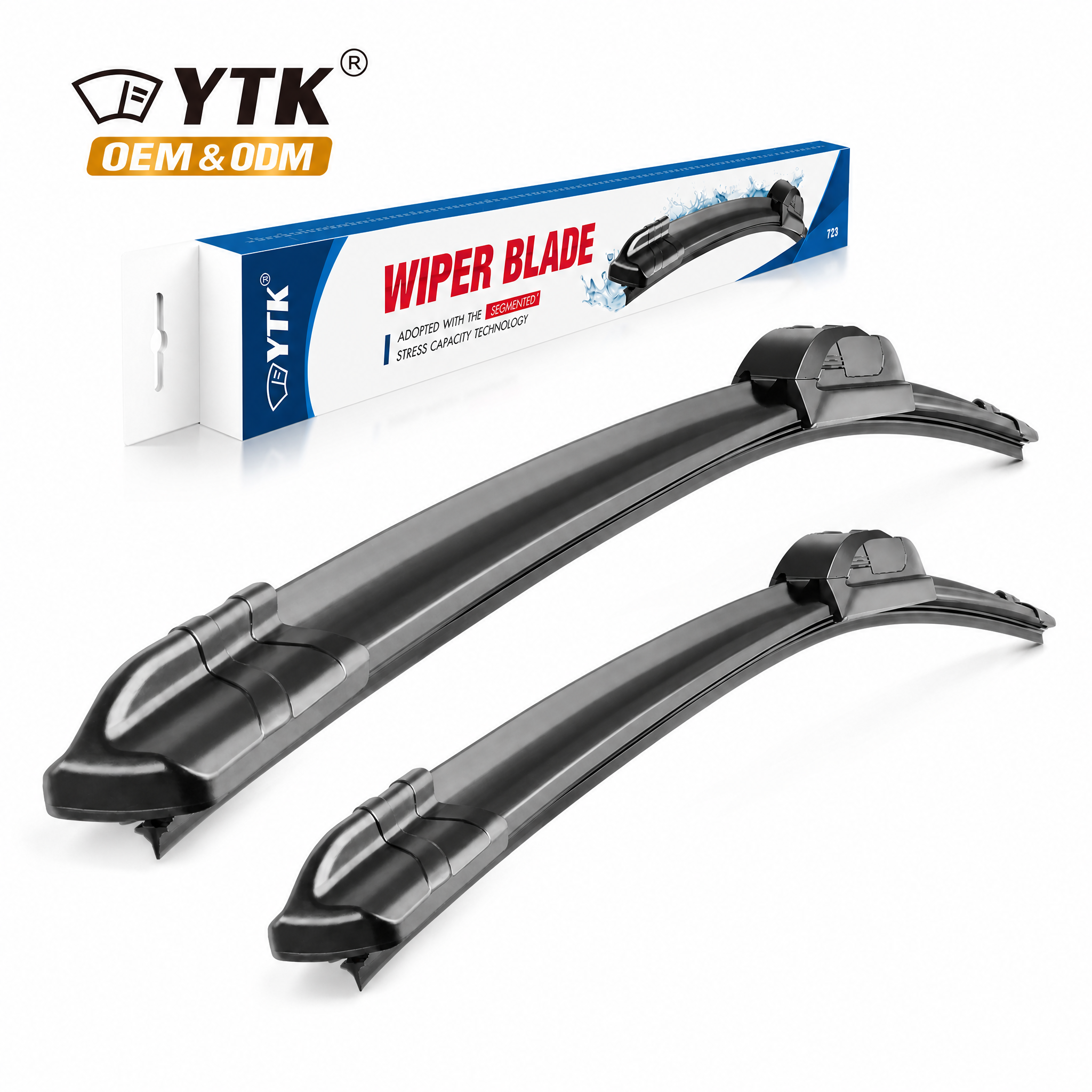
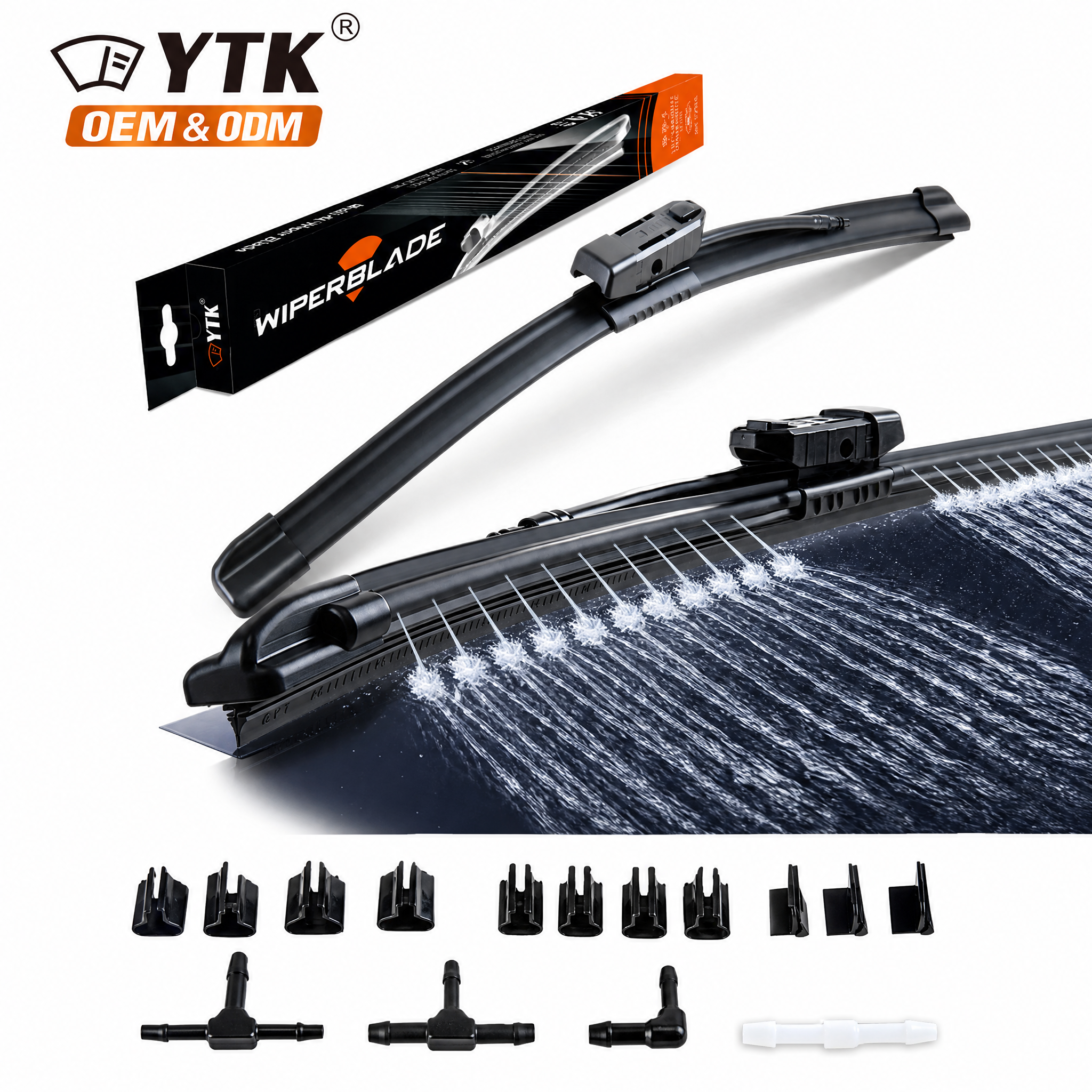
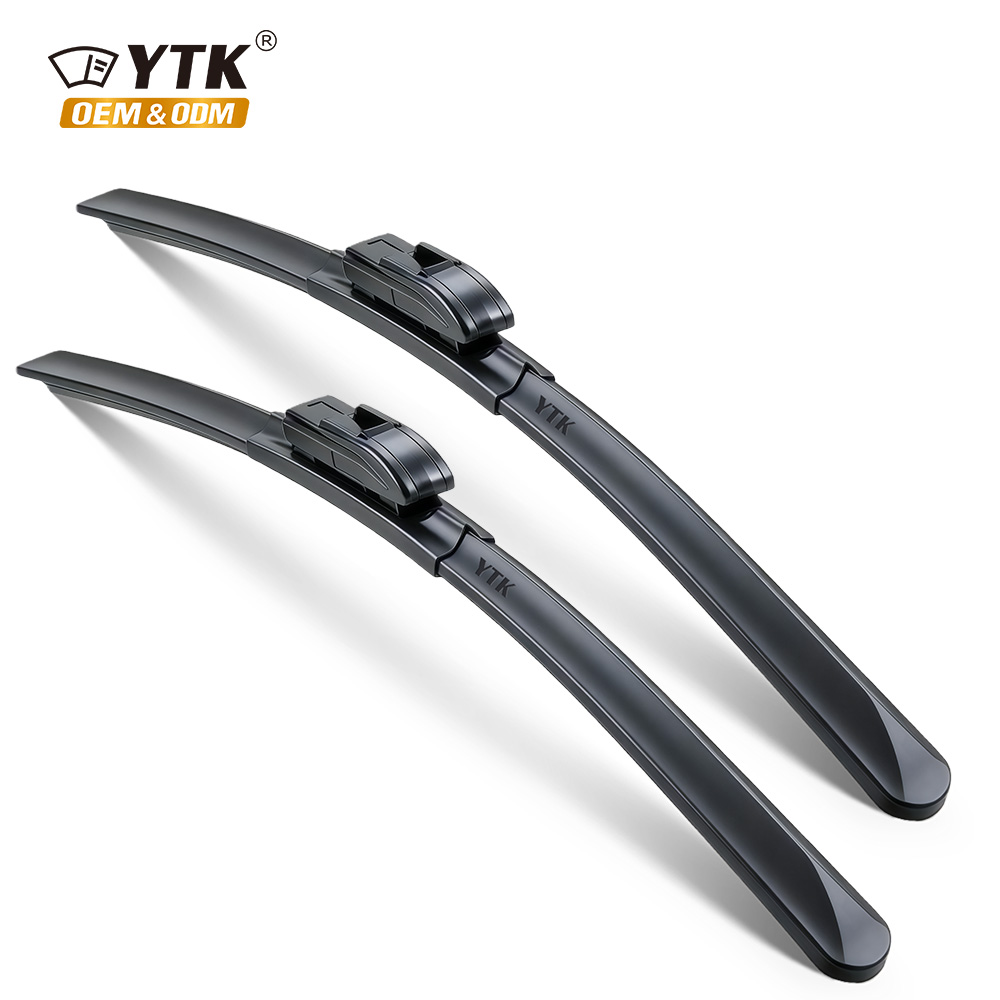
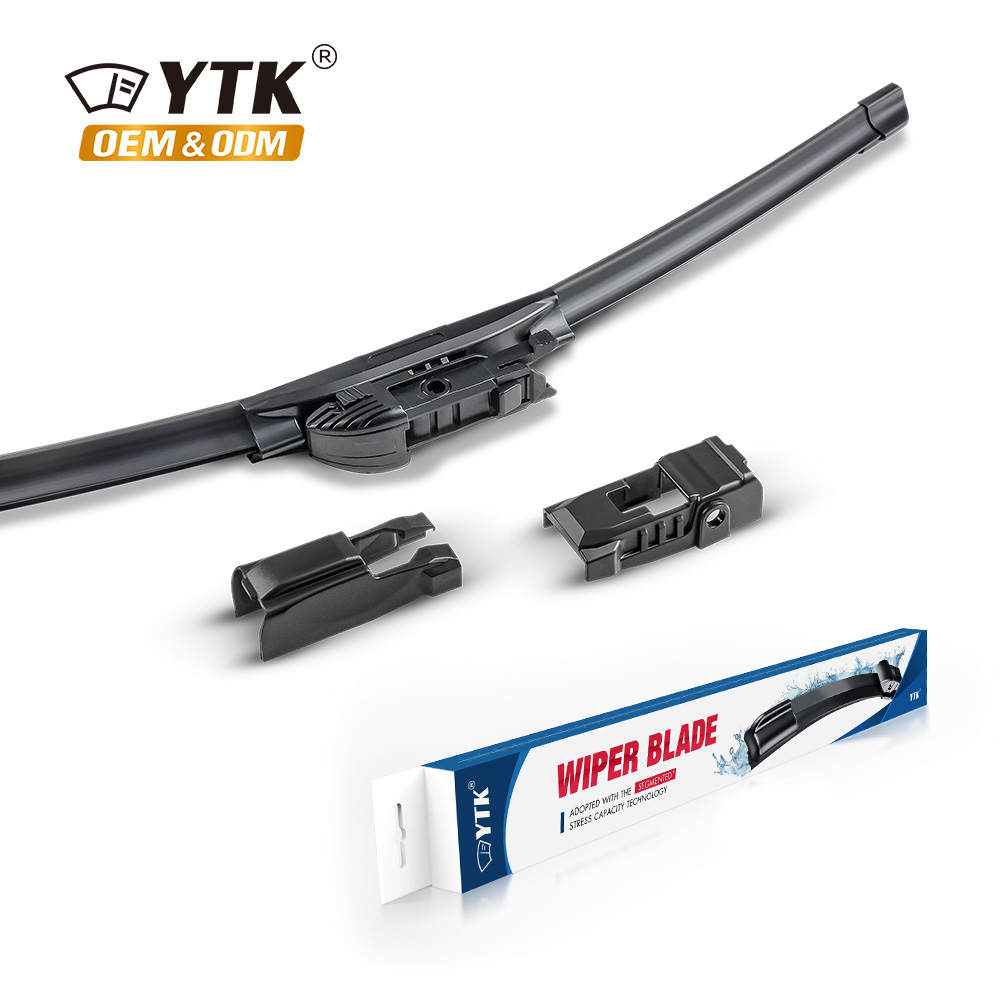
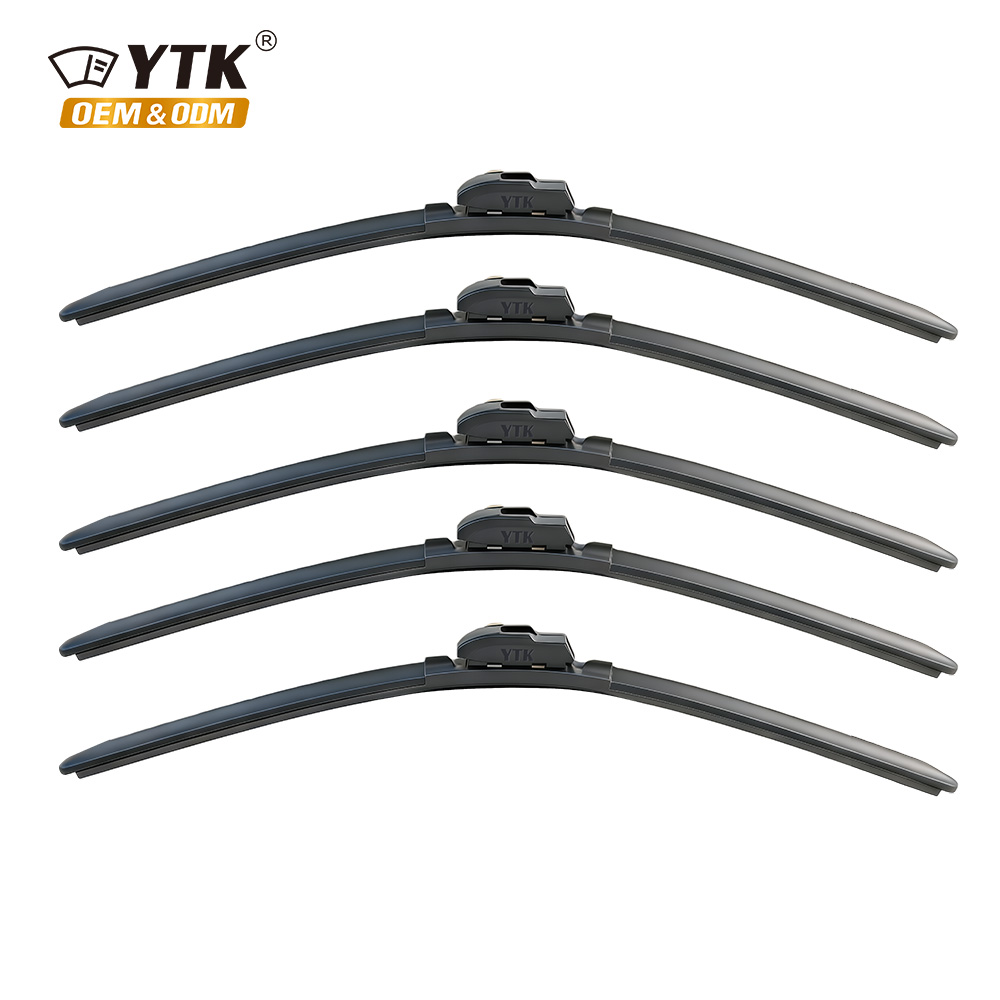
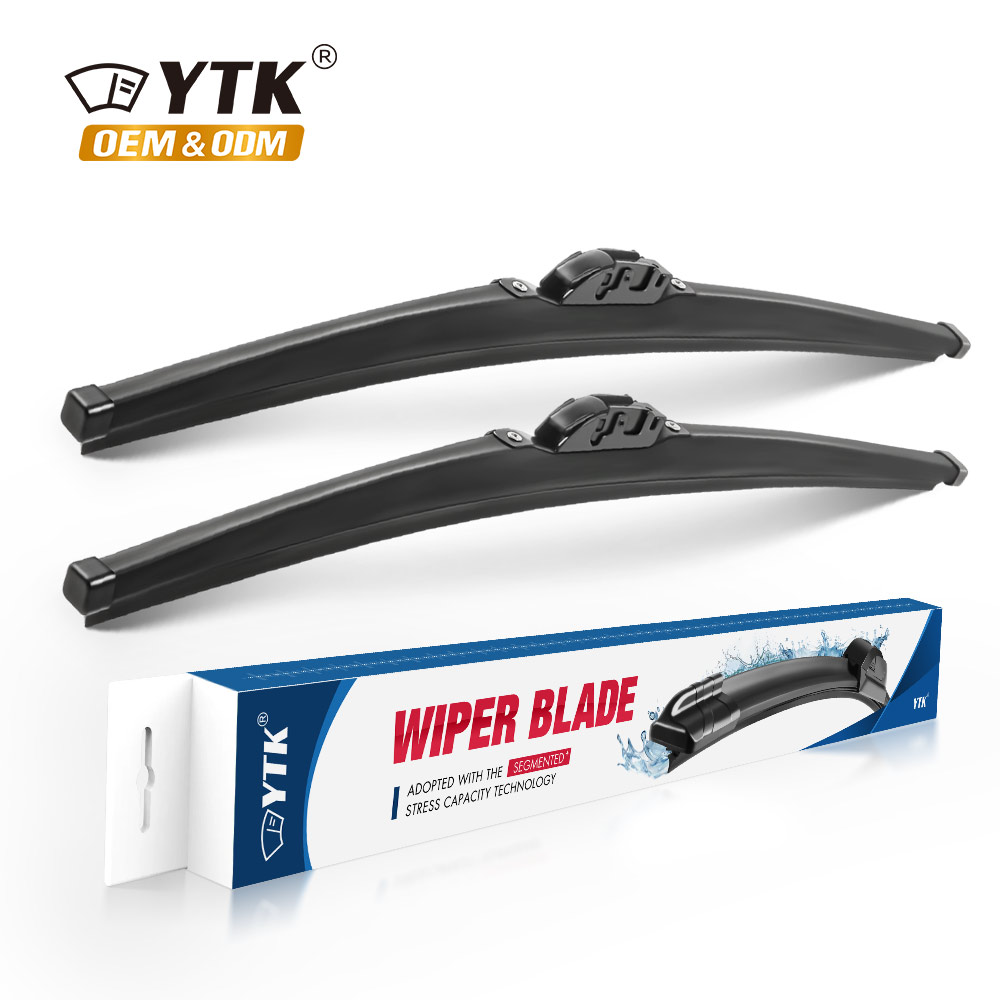
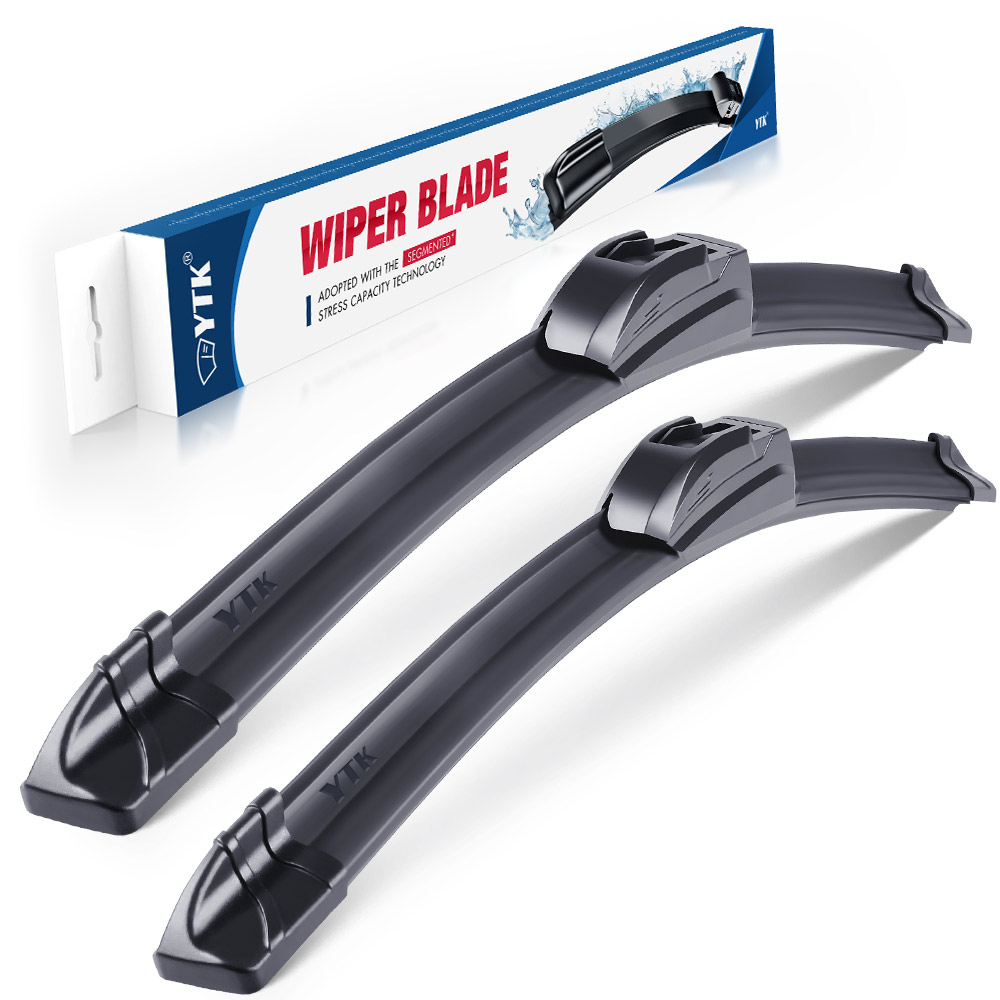
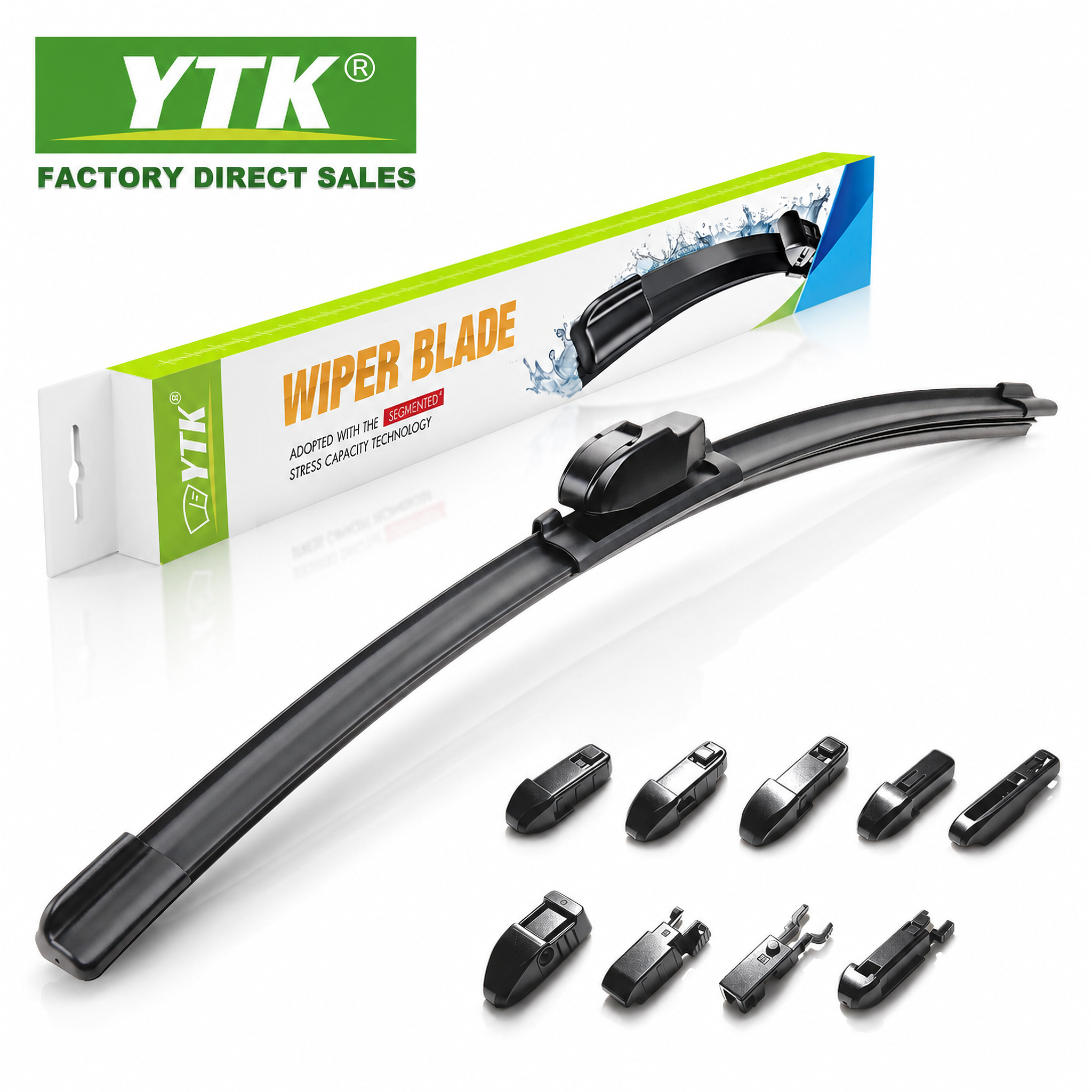
Beyond our legacy center support bearing manufacturing, JES operates advanced wiper blade manufacturing lines shipping over 12 million units annually. This dual core allows automotive importers to consolidate container shipments across multiple product categories.
Flexible Trade & Payment Architecture
We accommodate international trade structures including FOB Tianjin/Qingdao, CFR, and CIF delivery terms. Flexible settlement instruments (T/T, L/C at sight) support smooth liquidity cycles for container-volume buyers.
B2B Buyer Sourcing FAQ: Critical Answers for Procurement Engineers
Navigating technical specifications, mold development costs, minimum order quantities, and quality assurance criteria requires absolute clarity. Here are detailed responses to the most critical inquiries received from overseas wholesale buyers.
