Featured Industrial Components & Precision Automotive Range
Explore our top-tier export programs manufactured under certified automotive quality protocols. Engineered for direct OEM fitment, superior elastomer durability, and all-weather resilience.
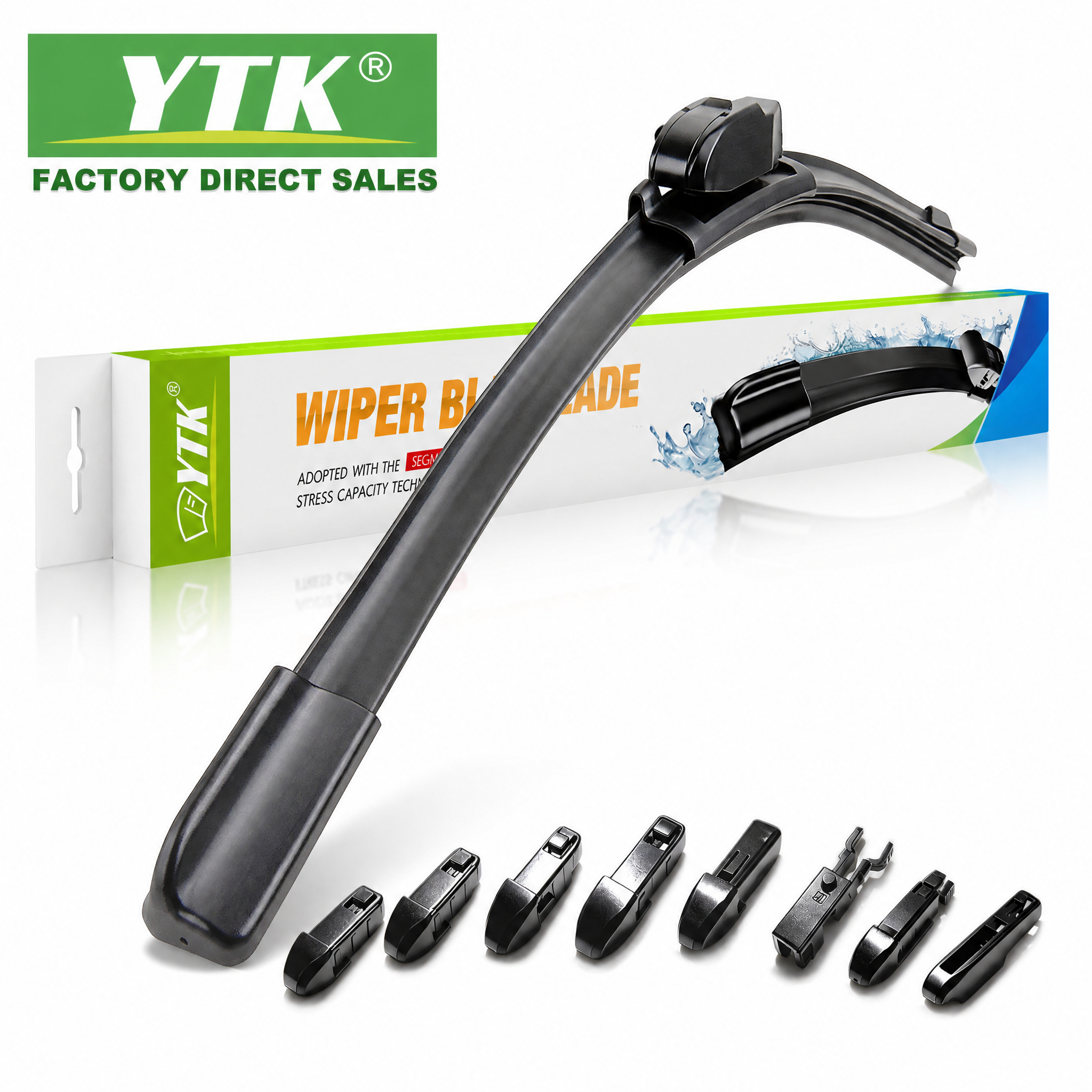
YTK Universal Frameless Windshield Wiper Blade Manufacturer, Natural Rubber Wiper with Multiple Adapters
- Elastomer: Compounded Natural Rubber
- Adaptability: Multi-Adapter Beam Structure
- Certification: CE / Factory QC Cleared
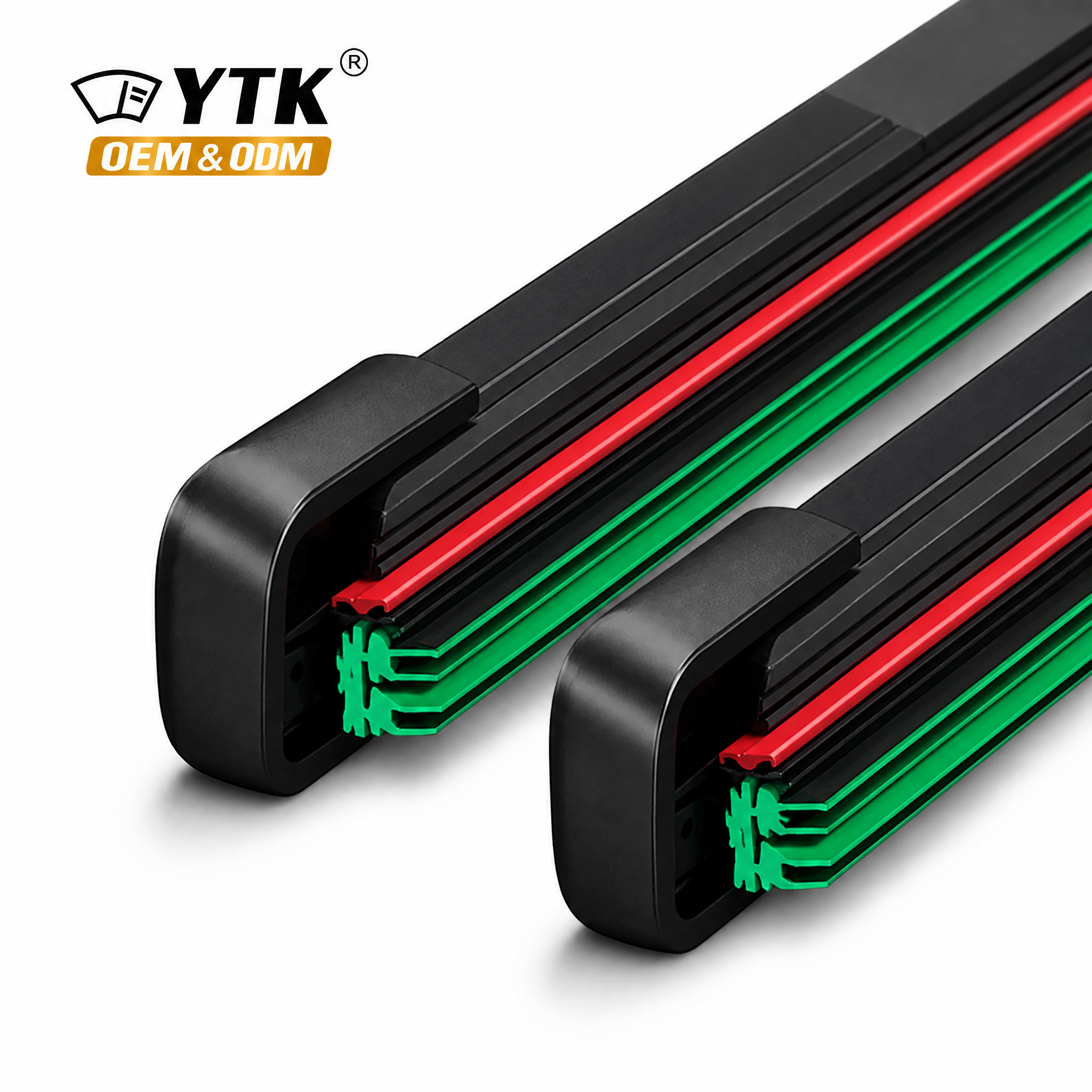
YTK Car Wiper Blade Size Front Window Six Wiper Blade Rubber Refil Universal Six Rubber Windshield Wiper Replacement
- Profile: Precision Extruded Refills
- Wear Index: Graphite Coating Infused
- Fitment: Universal Fit 14"–28"
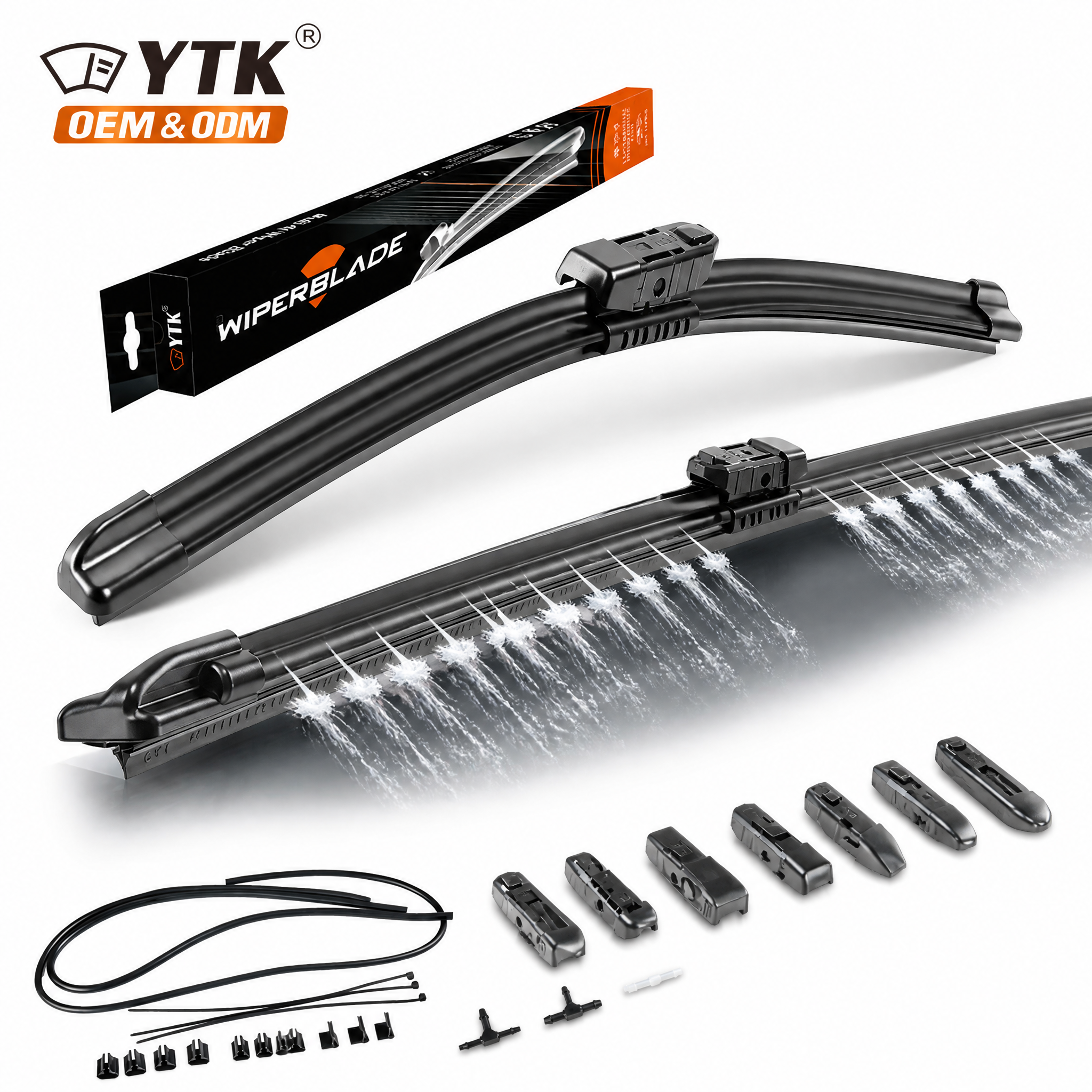
Car Water Spray Wiper Blade OEM Universal Multi Function with 19 Adapters for Multiple Vehicle Models
- Spray System: Integrated Hydraulic Channel
- Coverage: 19 Pre-Fitted Adapters
- Application: Luxury & Commercial Vehicles
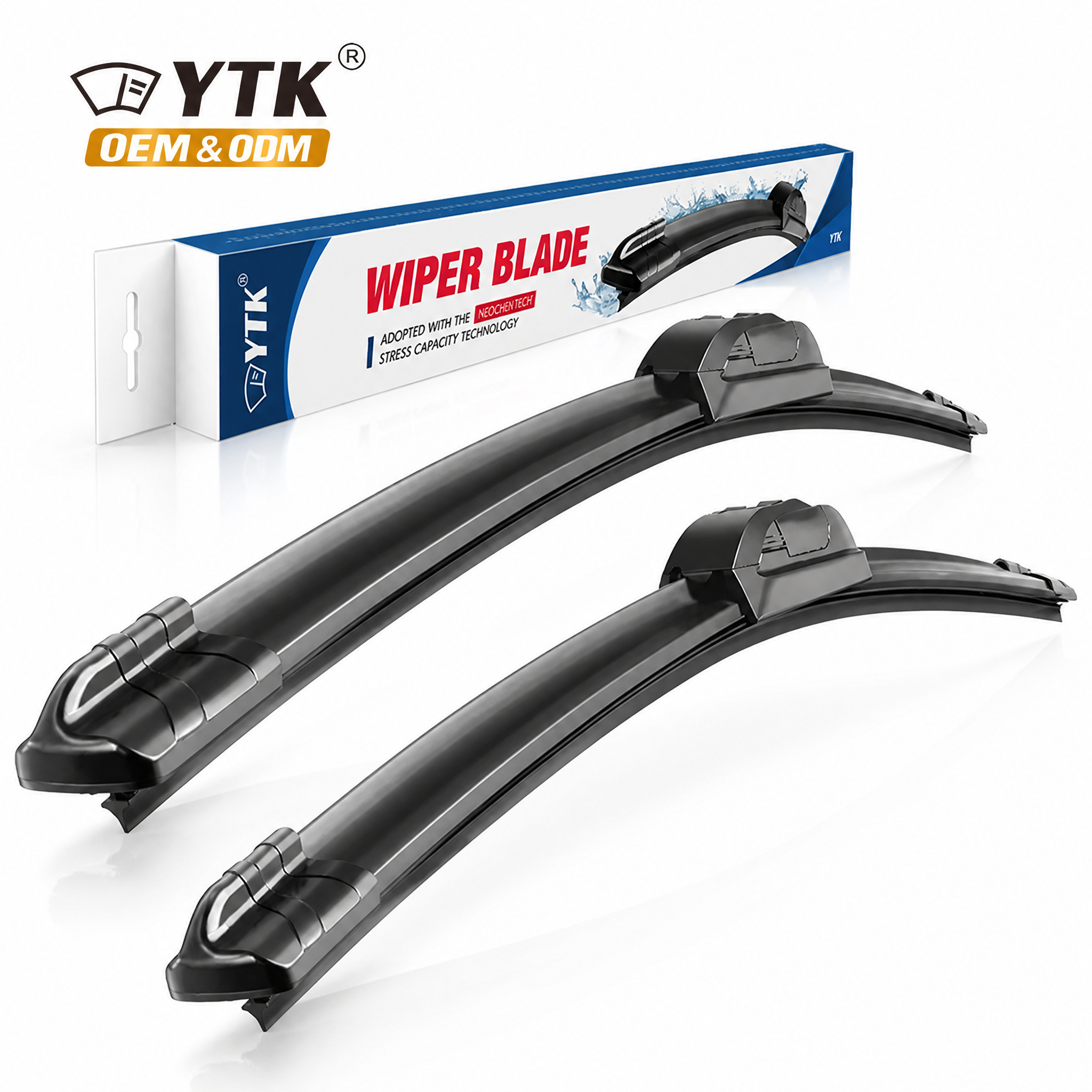
2026 YTK OEM Universal Flat Windshield Wiper Blade Made of Natural Rubber for Cars
- Curvature: Dual Memory Spring Steel
- Compound: UV/Ozone-Shield Rubber
- Aerodynamics: Integrated Aero-Spoiler
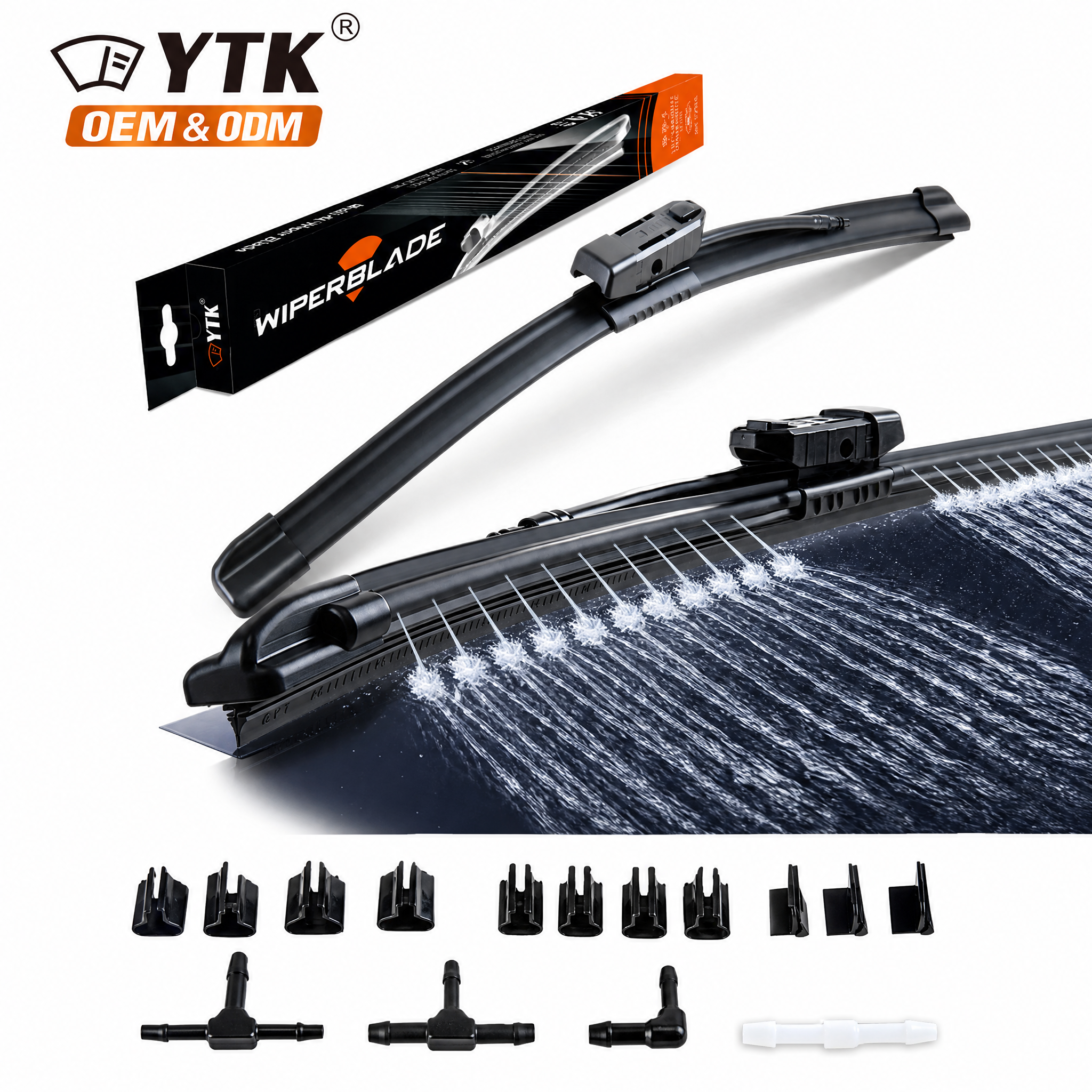
OEM Private Label Water Spray Wiper Blade with 19 Adapters, Universal Multi-Function Car Wiper for Aftermarket Brands
- Customization: Laser Brand & Retail Packaging
- Compatibility: OE Heated/Spray Jet Arm
- MOQ: Low Batch Private Label Support
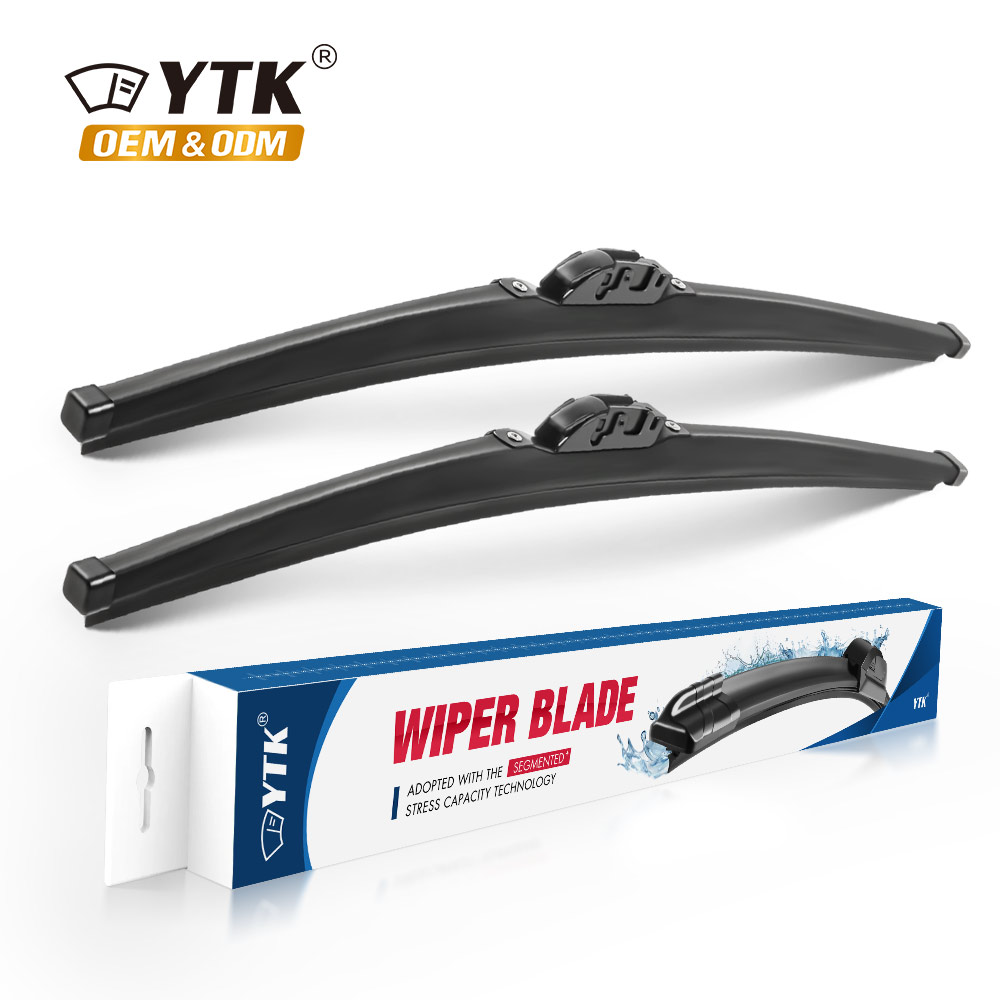
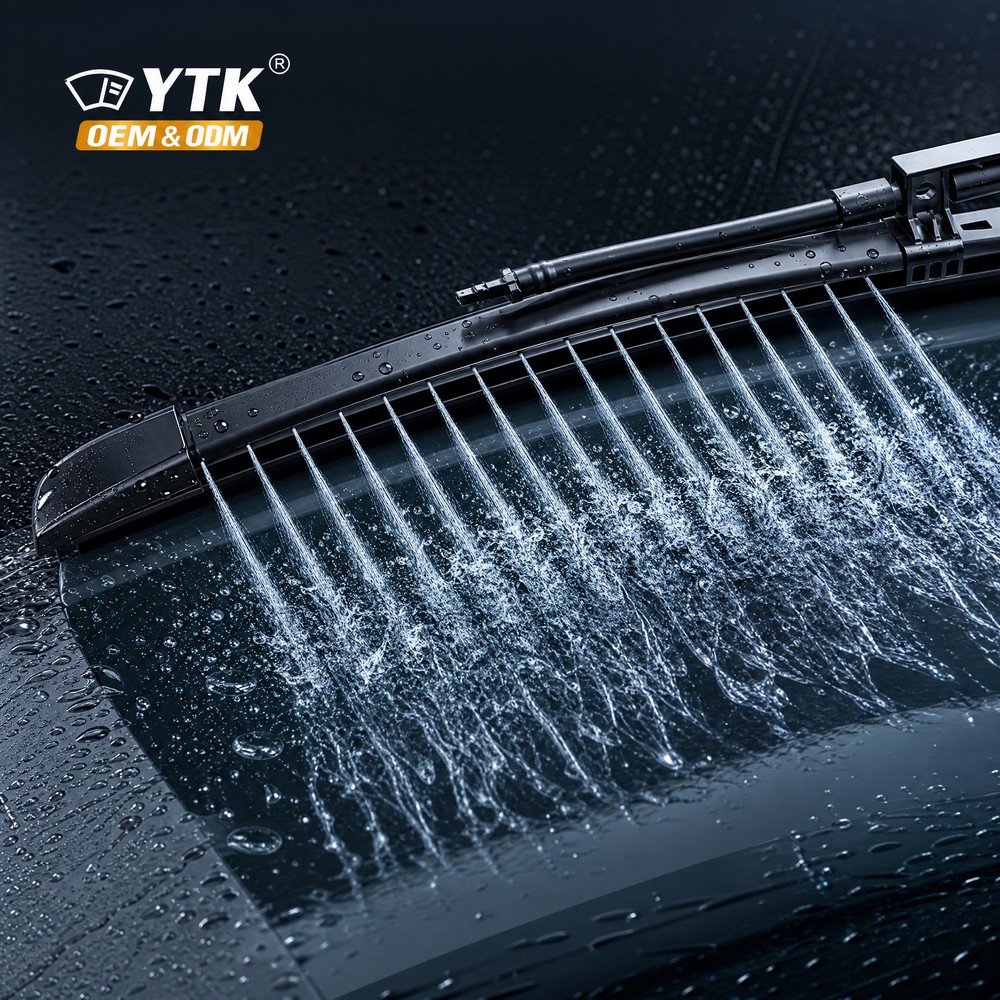
Bulk OEM Water Spray Wiper Blades with 19 Adapters, Universal Multi-Function Car Wipers for Multiple Vehicle Models
- Packaging: Industrial Pallet / Bulk Crate
- Tolerances: Automated Extrusion Precision
- Logistics: FOB / CFR / CIF Container Loads
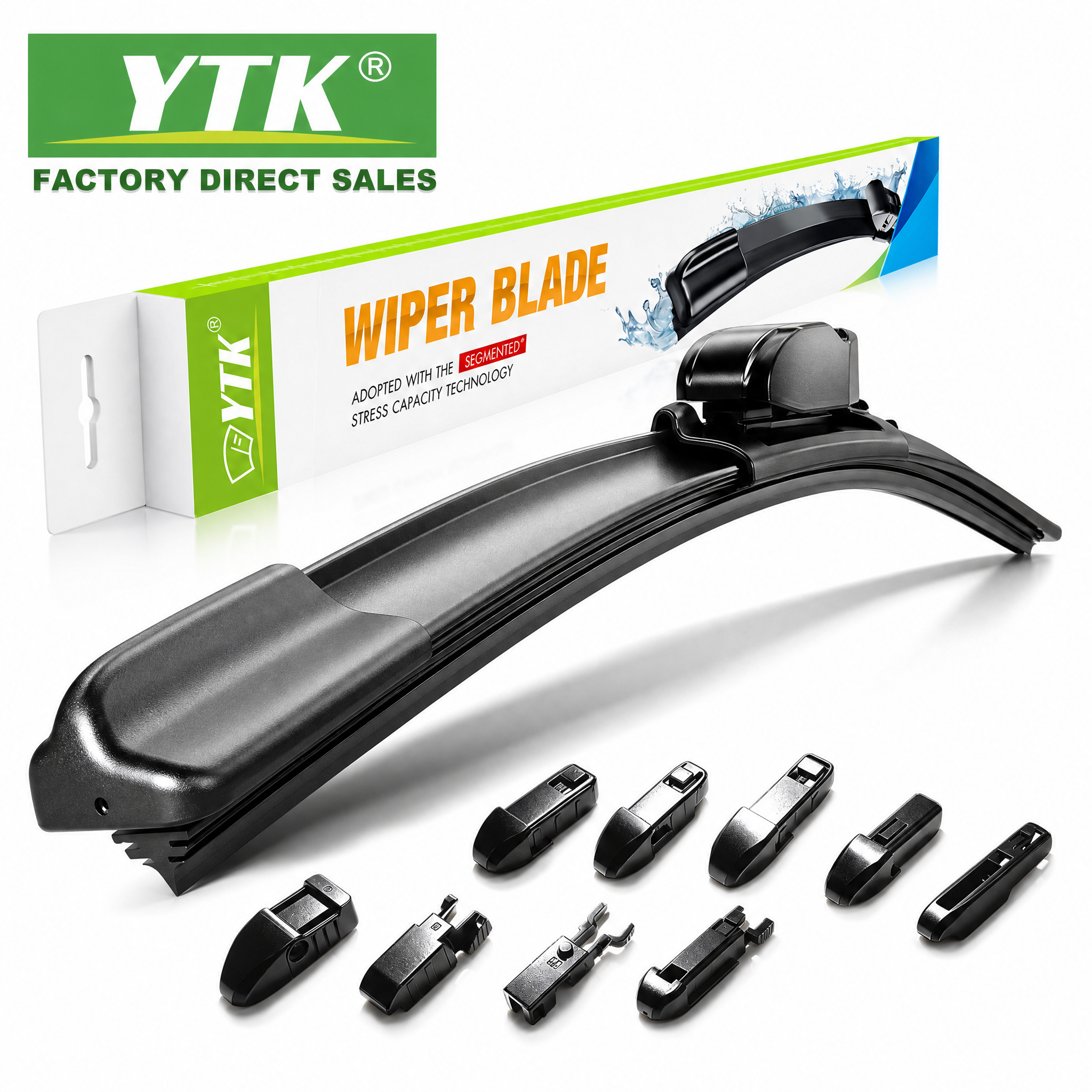
YTK OEM Private Label Frameless Windshield Wiper Blade with Multi-Adapter, Natural Rubber 14-28 Inch
- Size Matrix: Comprehensive 14" to 28"
- Fleet Coverage: 95%+ Global Passenger Parc
- Longevity: High-Cycle Anti-Friction Lip
Technical Authority: Sourcing from China's Premier Intermediate Shaft Support Factories
In automotive driveline engineering, the intermediate shaft support—often designated across OEM and aftermarket parts registries as the center support bearing assembly, propeller shaft center bearing, or driveshaft carrier bearing—operates as the mission-critical kinetic pivot. Positioned along multi-piece driveshafts in rear-wheel-drive (RWD), four-wheel-drive (4WD), and commercial vehicles, its operational imperative is twofold: it must structurally support the intermediate driveshaft segment while absorbing severe torsional oscillations, harmonic vibration, and angular misalignments generated under high dynamic loads.
Global automotive procurement directors and Tier-1 driveline system engineers face increasing challenges when vetting intermediate shaft support factories in China. What appears externally as a simple pressed-steel bracket and deep groove ball bearing is in reality an intricate tribological and elastomeric assembly. Sourcing failure in this component leads to catastrophic failure modes: driveline clunk, high-speed harmonic cabin rumble, premature bearing seizure, and accelerated universal joint wear. As a specialized manufacturer rooted in Hebei's premier automotive manufacturing corridor since 1997, Xingtai JES Auto Parts Manufactuer Co., Ltd. combines deep metallurgical stamping, advanced rubber vulcanization compounding, and dynamic bearing assembly to deliver zero-defect solutions to global importers across 60+ countries.
An intermediate shaft support must withstand high cyclical radial shock loads exceeding 15 kN while maintaining radial runout within ≤0.05 mm. The molded elastomeric cushion must maintain consistent durometer damping across extreme operational thermal envelopes (-40°C to +125°C) without developing micro-cracking or bond separation from the outer steel bracket.
Anatomy of a Tier-1 Intermediate Shaft Support Assembly
To achieve long-term acoustic isolation and structural longevity, leading Chinese manufacturing facilities execute precision control across four primary sub-assemblies:
1. Precision Deep Groove Radial Ball Bearing: High-performance intermediate shaft supports utilize high-carbon chromium bearing steel (GCr15 / SAE 52100) through-hardened to HRC 60–64. The internal ball complement, raceway super-finishing, and raceway conformity determine high-speed durability. Advanced units incorporate double-lip polyacrylic or fluoroelastomer (FKM) contact seals to prevent ingress of road brine, sand, and pressurized wash-water, coupled with high-temperature polyurea-thickened synthetic greases rated for 100,000+ km service intervals.
2. The Elastomeric Cushion (Rubber Vibration Damper): The rubber web isolating the bearing from the outer structural carrier bracket is the soul of NVH (Noise, Vibration, and Harshness) suppression. JES Auto Parts leverages specialized ethylene propylene diene monomer (EPDM) or natural rubber (NR) compounded with anti-ozonants and high-dispersion carbon blacks. Achieving a calibrated Shore A hardness (typically 55 to 65 Shore A depending on powertrain torque profiles) guarantees the cushion can dampen first- and second-order driveshaft harmonics without bottoming out under sudden acceleration or deceleration torques.
3. Structural Mounting Bracket & Carrier Housing: Formed using automated hydraulic transfer stamping from high-tensile cold-rolled steel (SPCC/SPHC) or ductile iron casting (QT450-10). These brackets undergo cathodic electrodeposition coating (e-coat) exceeding 500 hours of ASTM B117 neutral salt spray resistance, ensuring immune defense against underbody stone impingement, gravel pitting, and coastal corrosion.
4. Co-Molded Metal-to-Rubber Vulcanized Bonding: Bonding failures between the elastomer cushion and the inner/outer metal sleeves remain the leading cause of premature aftermarket returns. Leading factories employ multi-stage ultrasonic chemical degreasing, zinc phosphate conversion coating, and automated robotic application of Chemlok bonding adhesives, followed by closed-mold vulcanization under controlled pressure and temperature cure cycles to guarantee tear resistance exceeding the tensile strength of the rubber itself.
Engineering Benchmark: JES Factory vs. Generic Component Exporters
The following empirical benchmark matrix illustrates the difference between institutional OEM-grade manufacturing processes and low-tier commodity intermediate shaft support production:
| Technical Parameter | Standard JES Factory Specification | Generic Aftermarket Exporters | Procurement Impact |
|---|---|---|---|
| Bearing Steel Grade | GCr15 / SAE 52100 Through-Hardened (HRC 60–64) | Reclaimed Carbon Steel (Q235 or unhardened) | Eliminates catastrophic bearing raceway spalling and galling under load. |
| Elastomer Cushion Formulation | Virgin EPDM / Synthetic High-Dampening Blend | Recycled Vulcanized Crumb Rubber Fillers | Prevents premature dry-rot, embrittlement, and dynamic sag. |
| Dynamic Radial Runout | ≤ 0.035 mm strictly calibrated | ≥ 0.120 mm (uninspected) | Mitigates high-speed driveshaft wobble, cockpit vibration, and noise. |
| Anti-Corrosion Surface Finish | Automated Cathodic E-Coat (>500 hrs Salt Spray) | Air-Dried Basic Paint (<48 hrs Salt Spray) | Withstands severe winter road de-icing salts and coastal environmental exposure. |
| Grease Fill & Thermal Range | Synthetic Polyurea Greased (-40°C to +150°C) | Standard Lithium Mineral Grease (-10°C to +80°C) | Guarantees lubrication retention and prevents bearing thermal seizure. |
| Bonding Peel Strength | 100% Rubber Tear Failure (>12 N/mm) | Partial Adhesive Separation (<5 N/mm) | Eliminates driveshaft separation under extreme axle articulation torque. |
Future Procurement Trends for Intermediate Shaft Supports (2025–2030)
The global intermediate shaft support and center bearing market is undergoing a structural paradigm shift driven by evolving vehicle architectures, electrification of light commercial fleets, and geopolitical supply chain restructuring. International buyers must adjust their procurement playbooks to align with the following market dynamics:
EV & Hybrid Driveline Torque Dynamics
Battery electric commercial vans (eLCVs) and hybrid pickups produce instantaneous maximum torque at zero RPM. This instant torsional jolt causes traditional center cushions to deform excessively. Future procurement programs demand ultra-high durometer dynamic elastomers capable of withstanding instant torque spikes without mechanical degradation.
Consolidation of Multi-Model SKU References
Wholesalers and distribution networks are moving away from hyper-fragmented inventories. Buyers actively seek manufacturers capable of engineering modular bracket geometries and stepped rubber sleeves that service multiple vehicle generations (e.g., universal fitment spans across Ford Transit, Mercedes Sprinter, Toyota Hilux, and Isuzu D-Max).
Direct-from-Source Factory Integration
Due to margin compression in domestic retail channels, Western importers are systematically eliminating third-party trading intermediaries. Direct contracting with audited Chinese manufacturing hubs offers full audit transparency, custom private labeling, flexible FOB/CIF logistics, and container-consolidation across complementary chassis components.
Technological Development Trends in Driveline Center Support Bearing Design
Modern passenger vehicles and high-mileage logistics fleets operate under stringent acoustic noise regulations. The cabin of a modern vehicle is quieter than ever before, which exposes background driveline resonance that was previously masked by internal combustion engine roar. Intermediate shaft support factories must adapt to several engineering breakthroughs:
Dual-Rate Hydraulic/Elastomeric Damping Chambers: Emerging high-end center supports are introducing micro-cavity air and fluid dampeners within the vulcanized rubber cushion. This architecture provides high compliance (soft stiffness) at low driveshaft rotational frequencies to absorb idle shudder, transitioning to high stiffness at elevated highway shaft speeds (3,000–6,000 driveshaft RPM) to control driveshaft whipping.
Lightweight High-Strength Composite Brackets: In pursuit of automotive mass reduction, traditional thick ductile iron castings are being displaced by high-pressure die-cast aluminum alloys (A380) or continuous glass-fiber reinforced polyphthalamide (PPA) polymer carriers. These reduce overall unsprung bracket weight by up to 45% while resisting structural fatigue and galvanic corrosion.
Next-Generation Low-Friction Labyrinth Seals: Friction loss across driveline bearings directly impacts vehicle emissions and fuel consumption. Modern intermediate shaft support bearings are transitioning toward multi-stage non-contact labyrinth seals with fluorinated grease barriers. These designs achieve near-zero rotational torque resistance while presenting an impenetrable tortuous path against micro-grit and saline water intrusion.
Why Xingtai JES Auto Parts Stands Out Among China Factories
Headquartered in Taojiatun Industrial Park, Xingtai, Hebei, our vertically integrated plant bridges automotive driveline center support bearings and precision wiper programs under rigorous IATF 16949 principles.
TÜV Rheinland Assessed
Our facility, equipment, trade history, and management workflows have successfully cleared rigorous on-site supplier verification by TÜV Rheinland, providing complete risk mitigation for corporate procurement boards.
Full In-House Tooling & Testing
From internal rubber mixing, banbury compounding, automated progressive bracket stamping to high-speed dynamic bearing test benches, we control all critical tolerances to eliminate sub-supplier delivery bottlenecks.
Turnkey OEM & Private Label
We provide end-to-end custom branding: laser etched OE part numbers, serialized batch traceability, tailored retail boxes, blister packaging, and direct palletization under FOB, CFR, or CIF delivery incoterms.
Frequently Asked Questions for Sourcing Intermediate Shaft Supports
Detailed technical answers to common queries from automotive procurement managers, warehouse distributors, and aftermarket brand directors.
What are the critical failure modes of low-cost intermediate shaft support bearings?
How does JES Auto Parts guarantee zero dynamic runout and acoustic isolation?
What is your Minimum Order Quantity (MOQ) and sample lead time for custom OEM projects?
Can we consolidate intermediate shaft supports with your wiper blade programs in one container?
Which international payment terms, shipping conditions, and warranty policies do you support?
Request Factory-Direct Pricing & Technical Catalogues
Connect directly with our engineering and export team in Hebei, China. Receive comprehensive technical specifications, OEM cross-reference sheets, and tailored container pricing within 24 business hours.
