Featured OEM Systems & High-Demand Assemblies
Direct factory supply from our Hebei manufacturing center. Proven high-volume production for passenger, light commercial, and heavy-duty global vehicle platforms.
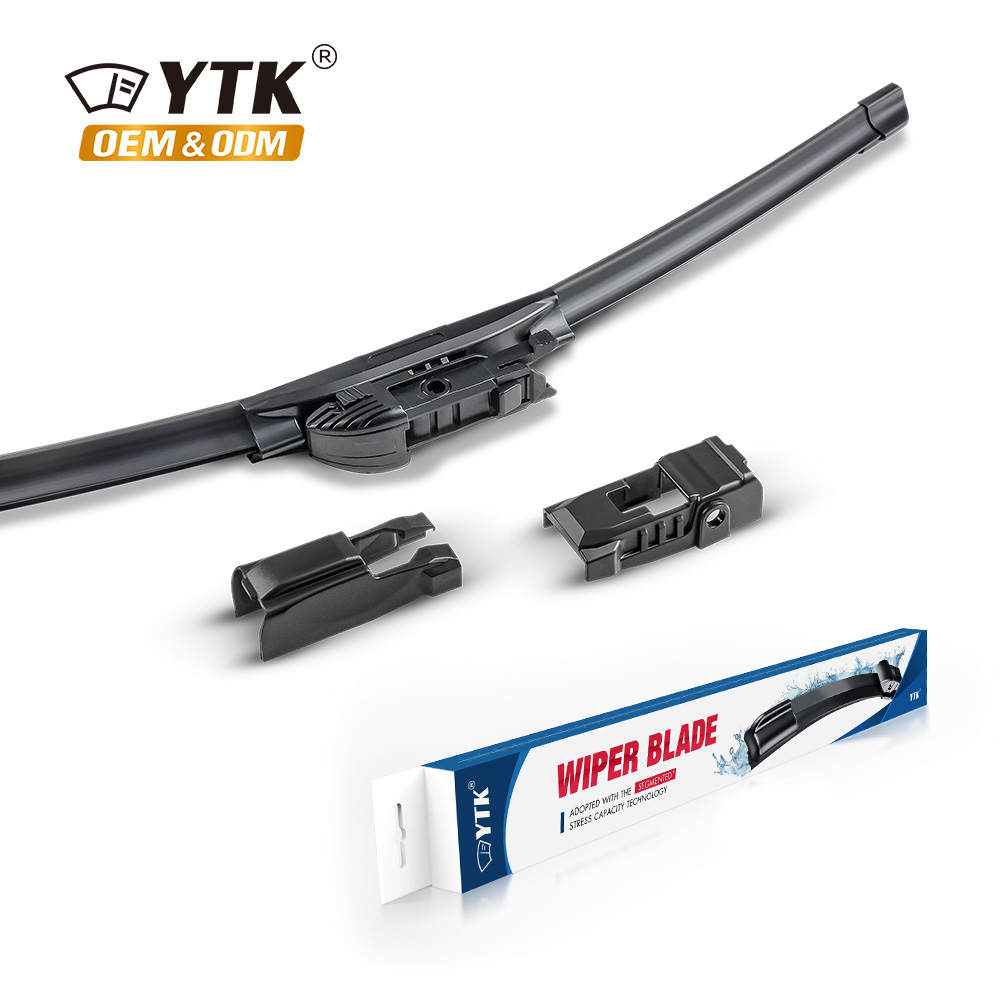
- CE Certified Precision molded polymer
- Multi-adapter locking fitment (95% vehicle parc)
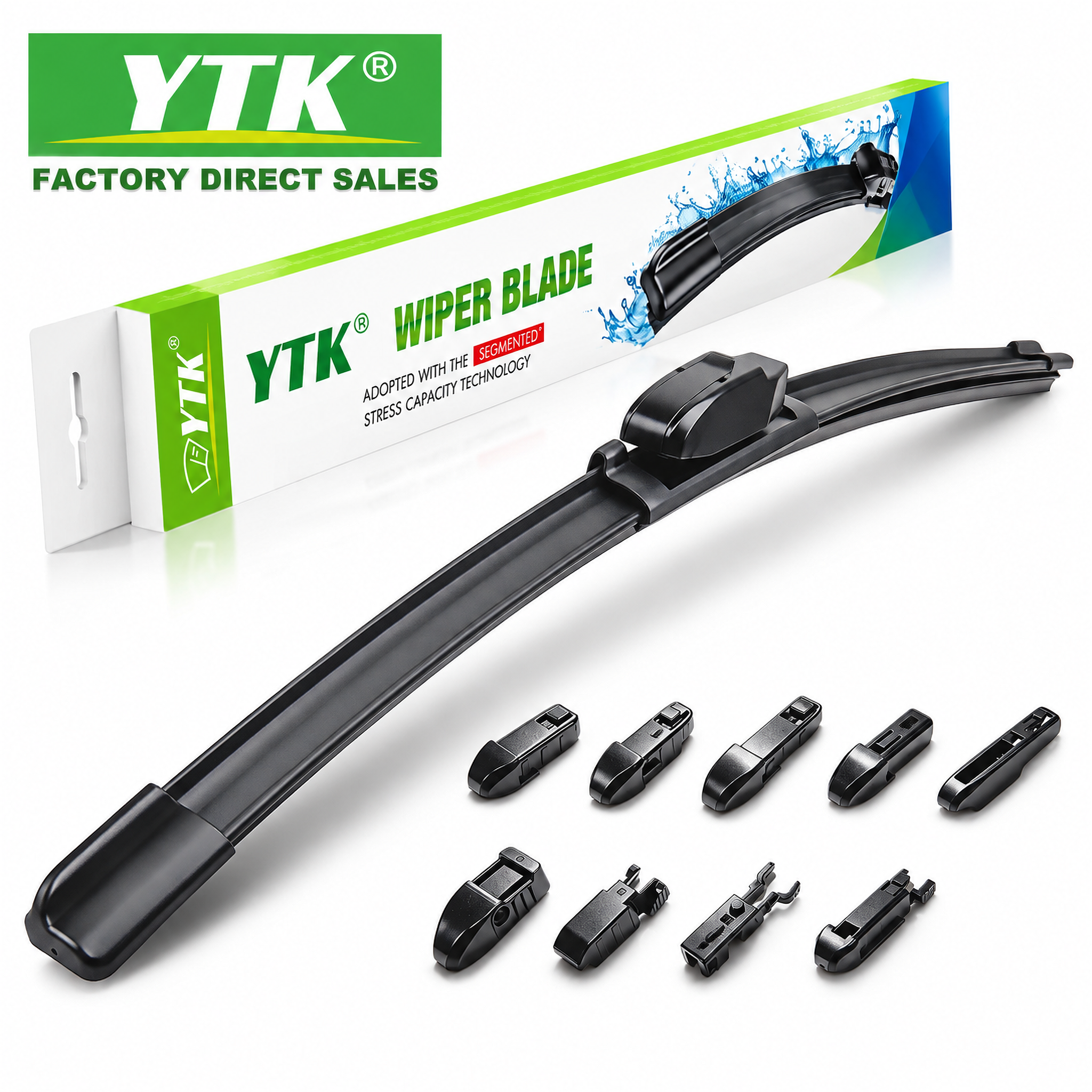
- CE Certified Spring-steel beam tension
- Zero chattering aerodynamic spoiler design
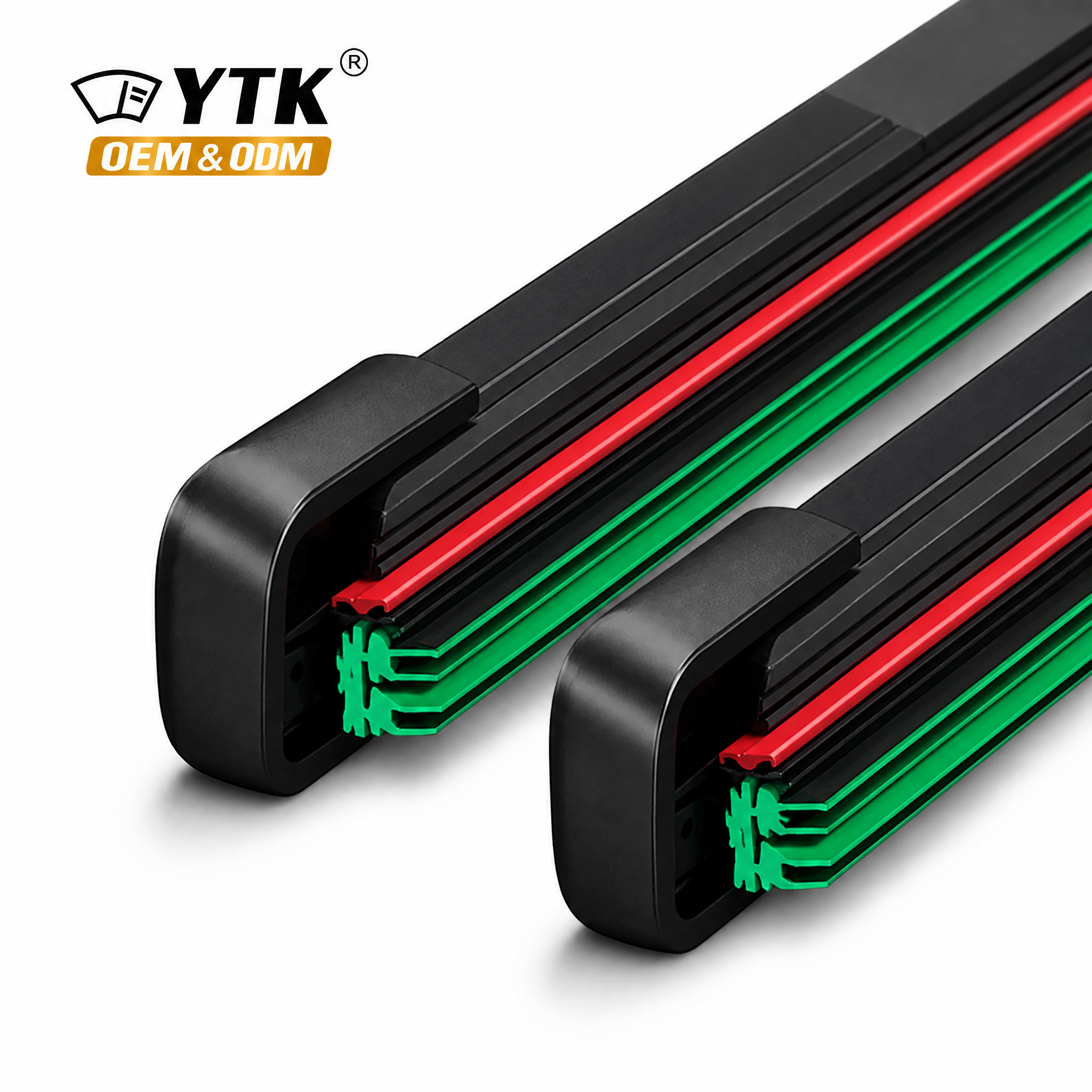
- CE Certified Graphite-infused extrusion
- 500,000+ cycle fatigue endurance tested
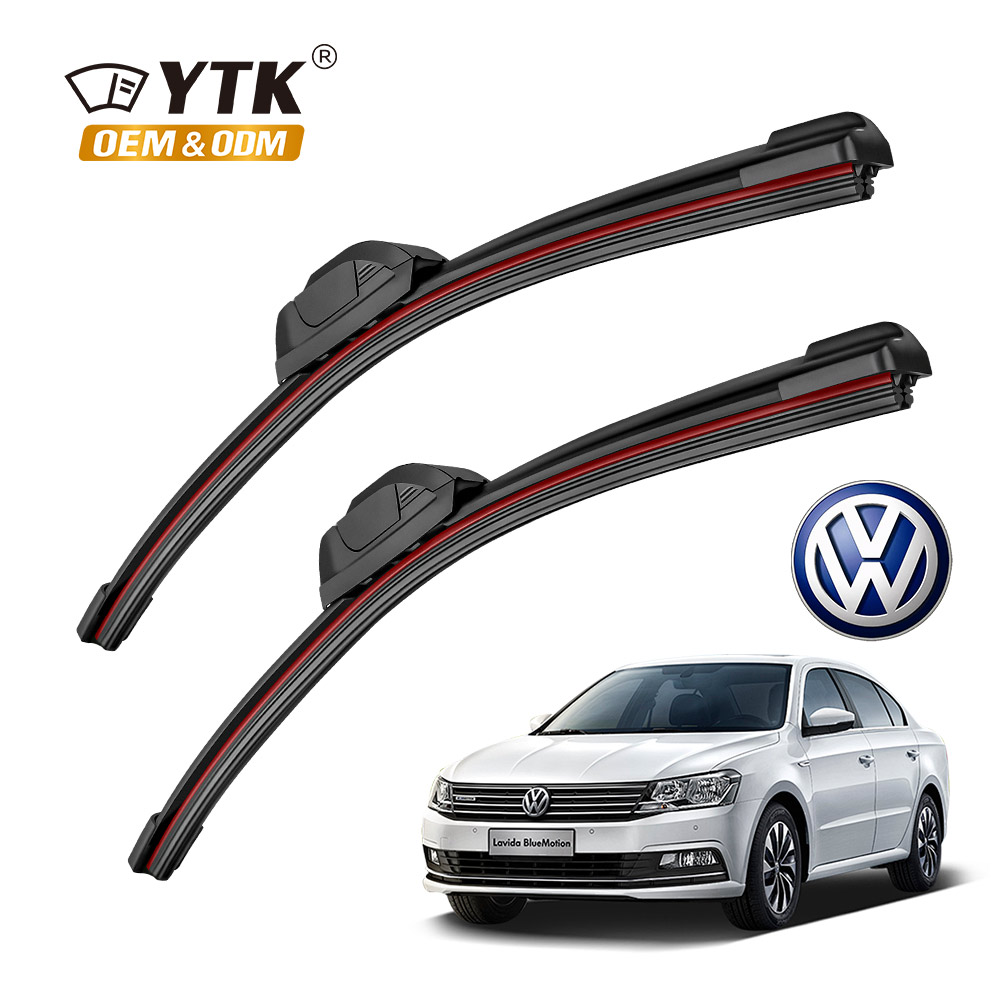
- CE Certified All-weather low-temperature resilience
- Engineered for high-speed highway stability
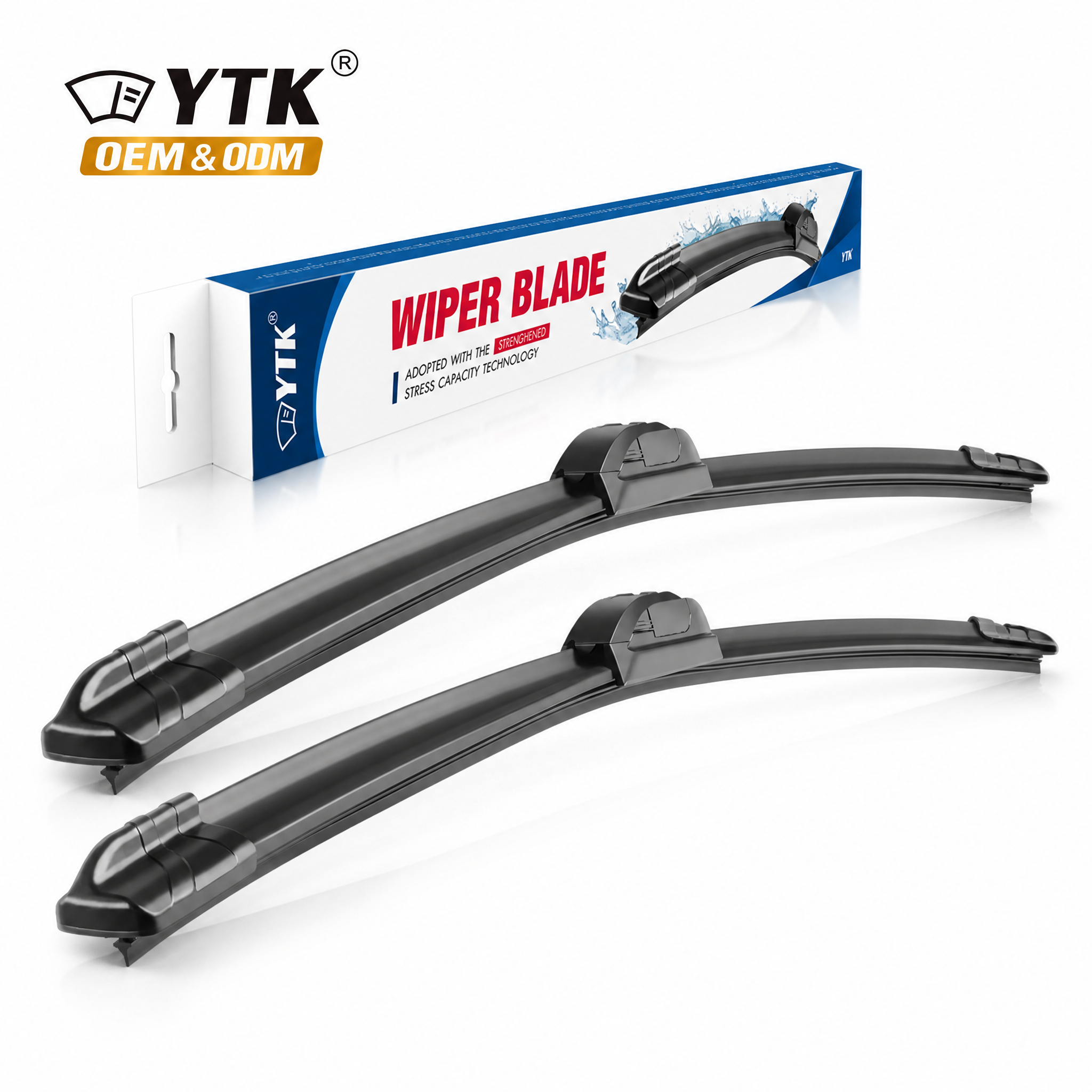
- CE Certified Even load distribution profile
- UV-resistant thermoplastic housing
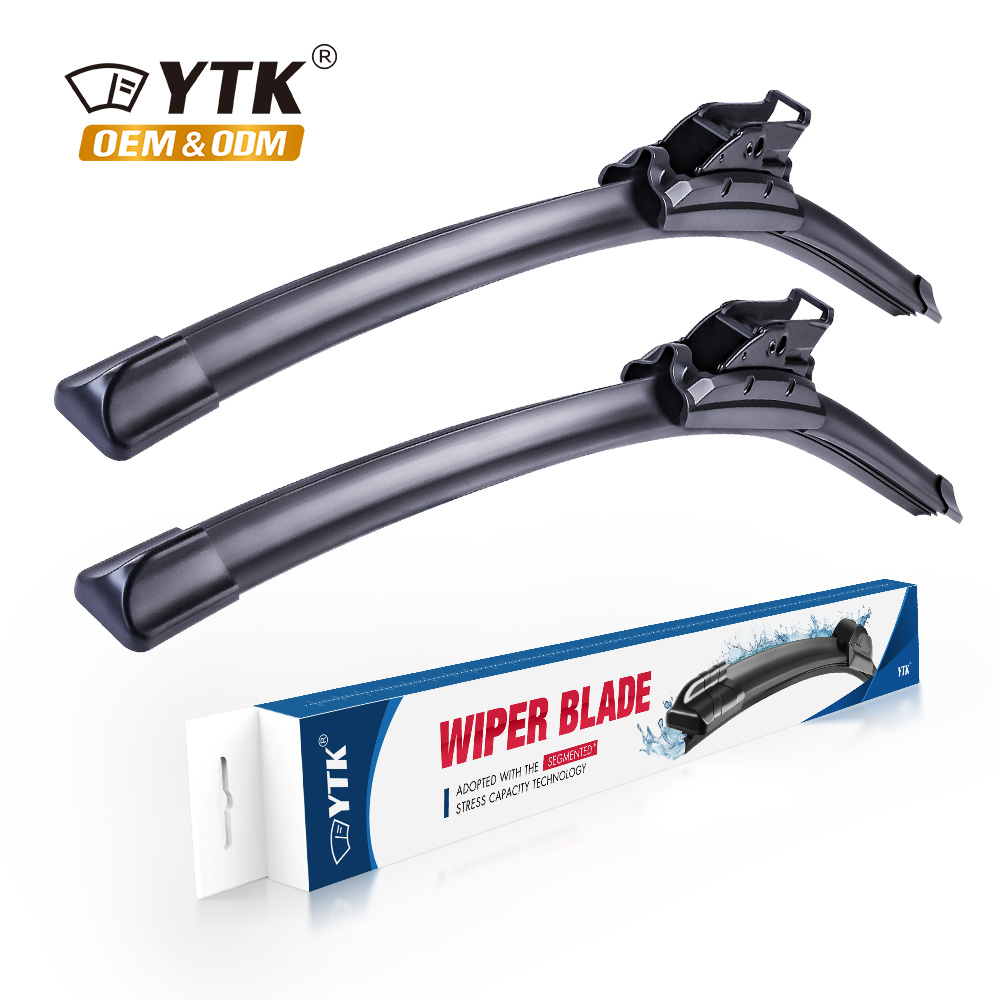
- CE Certified Custom retail packaging ready
- Zinc alloy base adapter with anti-corrosion layer
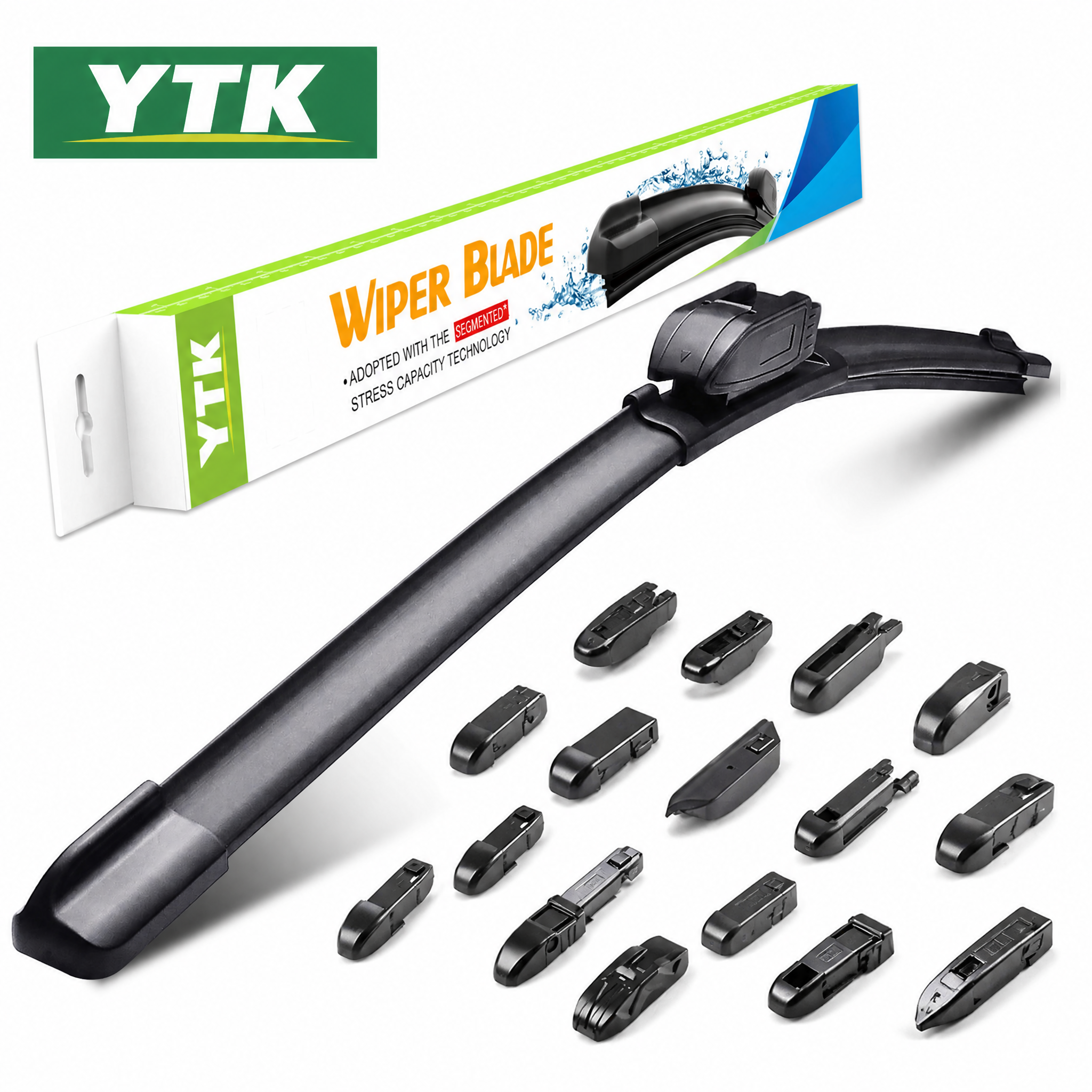
- CE Certified Optimized contact pressure curve
- Tested across -40°C to +80°C operating conditions
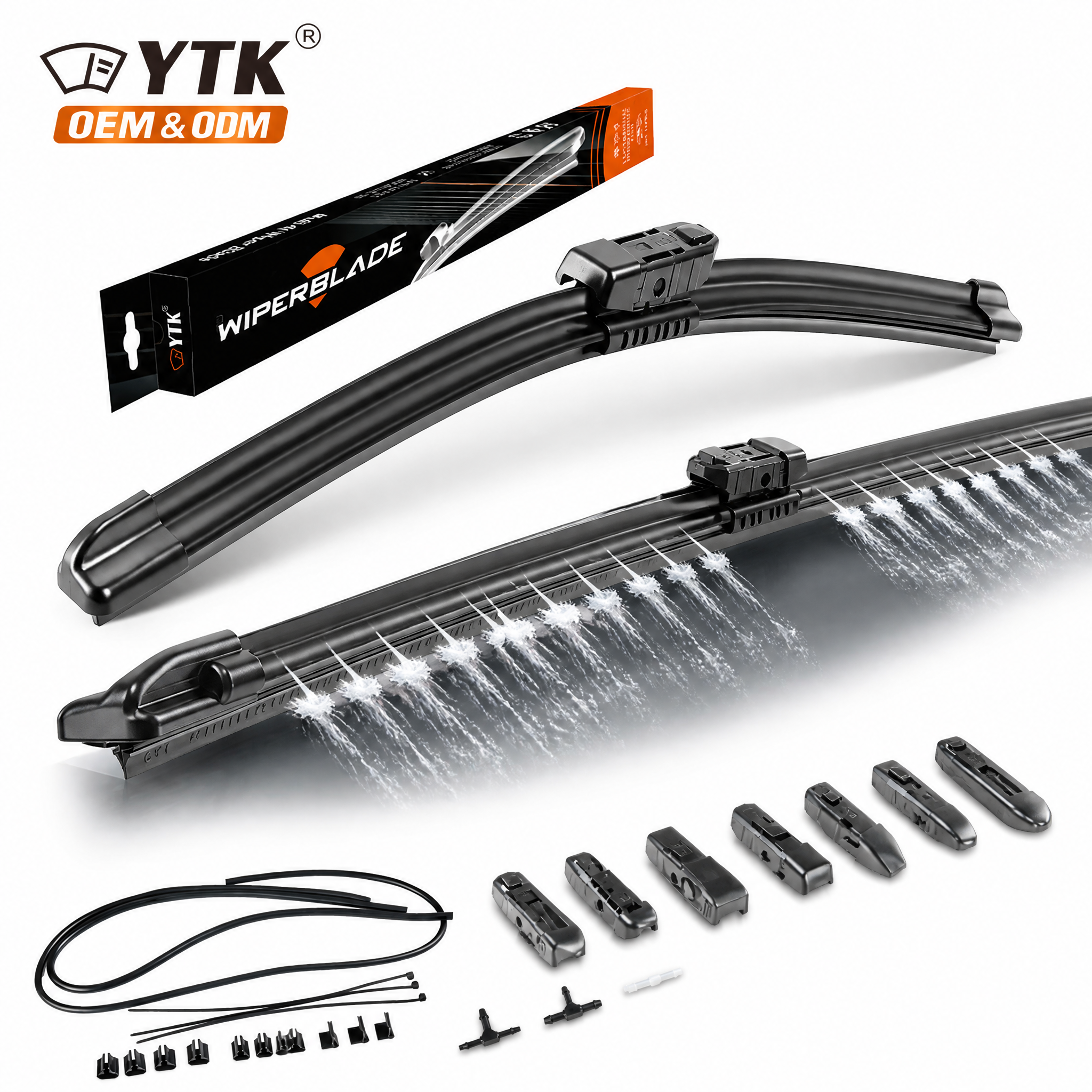
- CE Certified Direct-injection fluid channel design
- Complete coverage for European premium platforms
Driveline Dynamics & Center Support Bearing Engineering
In modern automotive engineering, longitudinal split-propeller shafts rely definitively on high-performance automotive center support bearings (driveshaft intermediate bearings) to eliminate torsional resonance, control critical rotational harmonics, and absorb operational angular misalignments across varying road profiles.
As a verified Chinese manufacturer established in 1997, Xingtai JES Auto Parts Manufactuer Co., Ltd. has spent nearly three decades advancing both precision driveline assemblies and elastomeric co-molding technologies. Operating out of our modern 30,000 m² production base in Taojiatun Industrial Park, Xingtai, Hebei, our engineering operations combine deep metallurgical metallurgy with proprietary elastomer formulations to resolve the foremost challenge in driveline systems: Noise, Vibration, and Harshness (NVH) mitigation under extreme cyclic torque loads.
An automotive center bearing is subjected to dynamic multi-axis stresses. As the transmission delivers high-amplitude rotational torque through universal or constant velocity (CV) joints to the rear differential, driveline angles continuously fluctuate with rear suspension articulation. Without an engineered intermediate support system, long driveshafts exceed their first-order natural bending frequency (whirling speed), precipitating violent cabin vibrations and catastrophic bearing seizure.
Our CE certified center bearing manufacturing process utilizes deep-groove ball bearing inserts manufactured from high-cleanliness GCr15 (SAE 52100) bearing steel, heat-treated through martensitique through-hardening to achieve a surface hardness of 60–64 HRC. Each inner and outer raceway is superfinished to a surface roughness of Ra ≤ 0.08 μm, radically minimizing micro-chatter, frictional torque loss, and contact fatigue spalling.
Surrounding the rigid bearing core is a bespoke elastomeric cushion molded from automotive-grade Natural Rubber (NR) / Polybutadiene (BR) blends or hydrogenated nitrile butadiene rubber (HNBR). The viscoelastic dampening matrix provides optimal dynamic radial stiffness (typically tuned between 1,200 N/mm and 3,500 N/mm depending on chassis wheelbase and driveline torque capacity). This precisely calculated hysteresis dampens second-order driveline vibrations (2× shaft rotational speed generated by universal joint angularity) while preventing high-frequency drivetrain harmonics from bridging into the vehicle floor pan.
Center support bearings are positioned directly beneath vehicle chassis underbodies, directly exposed to high-pressure road splash, saline de-icing solutions, ambient thermal cycles (-40°C to +120°C), gravel bombardment, and ambient road grit. Bearing failure in the field is almost universally initiated by seal failure followed by particulate ingress or grease wash-out.
JES driveline assemblies utilize an advanced labyrinth-reinforced multi-lip sealing structure combined with pressed galvanized steel slinger plates (dust shields). The inner elastomeric seal lips feature a low-friction fluorocarbon or polyacrylate profile pre-lubricated with anti-friction coatings to prevent dry wear during break-in. Bearings are packed with high-temperature, polyurea-thickened synthetic ester greases (NLGI Grade 2) formulated with solid extreme-pressure (EP) additives. These specialized lubricants retain oil separation stability even under sustained high RPMs, ensuring an operational design life exceeding 250,000 kilometers.
Procurement teams and mechanical engineers can reference our baseline automotive center support bearing manufacturing criteria outlined below:
| Component Characteristic | OEM Standard Specification | JES High-Performance Benchmark | Test Standard / Protocol |
|---|---|---|---|
| Bearing Ring Material | GCr15 (High Carbon Chromium Steel) | Vacuum Degassed GCr15 / SAE 52100 | ASTM A295 / ISO 683-17 |
| Hardness (Inner / Outer Rings) | 58 – 62 HRC | 61 – 64 HRC (Martensitic Quench) | ISO 6508-1 / Rockwell C |
| Surface Finish (Raceway Roughness) | Ra ≤ 0.16 μm | Ra ≤ 0.08 μm (Superfinish Honing) | ISO 4287 Profilometry |
| Elastomer Cushion Formulation | Commercial EPDM / SBR | High-Resilience Natural Rubber / HNBR | ASTM D2000 / ISO 4649 |
| Rubber-to-Metal Bond Strength | ≥ 6.0 MPa | ≥ 10.5 MPa (Zero Interface Shear) | ASTM D429 Method B (90° Peel) |
| Operating Temperature Threshold | -30°C to +90°C | -45°C to +135°C Continuous | Automotive Underbody Thermal Shock |
| Radial Runout (Assembled Unit) | ≤ 0.035 mm | ≤ 0.015 mm Max Radial Deviation | Dial Indicator Dynamic Bench Test |
| Lubricant Specification | Standard Lithium Base Greases | Synthetic Polyurea EP (Low Bleed Rate) | DIN 51825 / NLGI Grade 2 |
Xingtai JES Auto Parts engineers multi-tier intermediate shaft supports tailored to discrete powertrain configurations:
- Rear-Wheel Drive (RWD) & All-Wheel Drive (AWD) Passenger Platforms: Precision compact center bearing modules engineered for low parasitic drag, high rotational speed (up to 8,000 RPM prop-shaft velocity), and quiet electric-hybrid drivetrain engagement. Designed for brands including BMW, Mercedes-Benz, Audi, Lexus, Volvo, and Ford.
- Light Commercial Vehicles (LCV) & Pickup Trucks: Heavy-gauge stamped steel mounting brackets with reinforced rubber diaphragms designed to withstand abrupt torsional wind-up during rapid towing acceleration. Extensively deployed for Ford Transit, Mercedes Sprinter, Toyota Hilux, Isuzu D-Max, and Chevrolet Silverado.
- Heavy-Duty Freight Haulers & Municipal Busses: Robust cast-iron or heavy-forged mounting flanges accommodating shaft diameters from 45 mm to 70+ mm, integrated with heavy-duty self-aligning bearing inserts capable of sustaining continuous dynamic radial shock loads over rough terrain. Compatible with Scania, Volvo Truck, MAN, DAF, and Freightliner drivelines.
Future Procurement Trends in Automotive Driveline Bearings (2025–2030)
The global automotive parts procurement landscape is navigating a historic paradigm shift characterized by powertrain electrification, supply chain de-risking, and stringent sustainability imperatives.
With the rapid market penetration of Battery Electric Commercial Vehicles (e-LCVs) and hybrid AWD trucks, intermediate driveshaft components must withstand instant maximum torque delivery from zero RPM. Unlike traditional internal combustion engines (ICE) that ramp torque gradually across an engine curve, electric traction motors subject center support bearings to steep torsional shock pulses. Procurement managers are prioritizing manufacturers that offer high-damping HNBR compounds and reinforced raceway cross-sections capable of mitigating micro-slip and brinelling.
Global wholesale distributors, tier-1 system integrators, and independent aftermarket buying groups are systematically disintermediating trading houses. Commercial buyers are focusing capital on verified source manufacturers who maintain direct on-site control over raw steel sourcing, cold stamping, rubber vulcanization, and robotic assembly. Bypassing intermediaries guarantees full metallurgical traceability, predictable container shipment schedules, and 18–25% procurement margin recovery.
Automotive OEMs are striving to reduce chassis unsprung weight to extend EV range and meet stringent Euro 7 and EPA emissions targets. Development is actively transitioning from heavy cast-iron brackets to high-strength stamped micro-alloyed steel, forged aerospace aluminum, and long-glass-fiber reinforced polyphthalamide (PPA) composite housings. These advanced brackets yield a 30–42% weight savings while delivering equivalent structural stiffness and superior resonant vibration absorption.
European and North American buyers are increasingly enforcing supply chain environmental due diligence (such as the EU Corporate Sustainability Due Diligence Directive). Sourcing directors are prioritizing manufacturing partners that utilize bio-based synthetic polymers, recycled metal content, and non-aromatic low-VOC vulcanization accelerators that eliminate nitrosamines and toxic heavy-metal effluence.
Why Global Importers Partner with Xingtai JES Auto Parts
Headquartered in Taojiatun Industrial Park, Xingtai, Hebei Province, Xingtai JES Auto Parts Manufactuer Co., Ltd. represents 28 years of uninterrupted automotive component manufacturing excellence.
Starting in 1997 with precision automotive center support bearings, our enterprise expanded systematically into dedicated windshield wiper blade systems, rubber sealing extrusions, and chassis damping assemblies. Today, our 30,000 m² high-capacity facility runs 10+ modern production lines, generating an annual industrial output value between US$50 Million and US$100 Million, with products shipped to more than 60 countries across Western Europe, Northern Europe, North America, Southeast Asia, South America, and Australia.
We provide transparent trade records, credit indexes, and third-party inspection access for container-load overseas procurement programs. Whether developing private-label chassis programs or sourcing OEM replacement lines, JES Auto Parts guarantees dimensional fidelity, metallurgical purity, and reliable delivery terms (FOB, CFR, CIF).
Automotive Center Bearing & Component FAQ
Essential technical and commercial answers for purchasing managers, automotive parts distributors, and OEM brand buyers.
What technical parameters define a premium CE certified automotive center support bearing?
What is the minimum order quantity (MOQ) for custom OEM / private-label manufacturing?
How does Xingtai JES Auto Parts ensure rubber-to-metal bonding durability under high torque loads?
Can your engineering team produce center support bearings from customer 2D/3D drawings or OE samples?
What quality certifications and third-party factory assessment reports are available?
What commercial trade terms, payment methods, and delivery lead times do you offer?
Partner with a Proven CE Certified Manufacturer
Whether you require high-precision driveshaft center support bearings, advanced elastomeric NVH components, or high-volume OEM/ODM windshield wiper systems, Xingtai JES Auto Parts delivers engineering consistency, factory-direct pricing, and dependable export support.
