0%

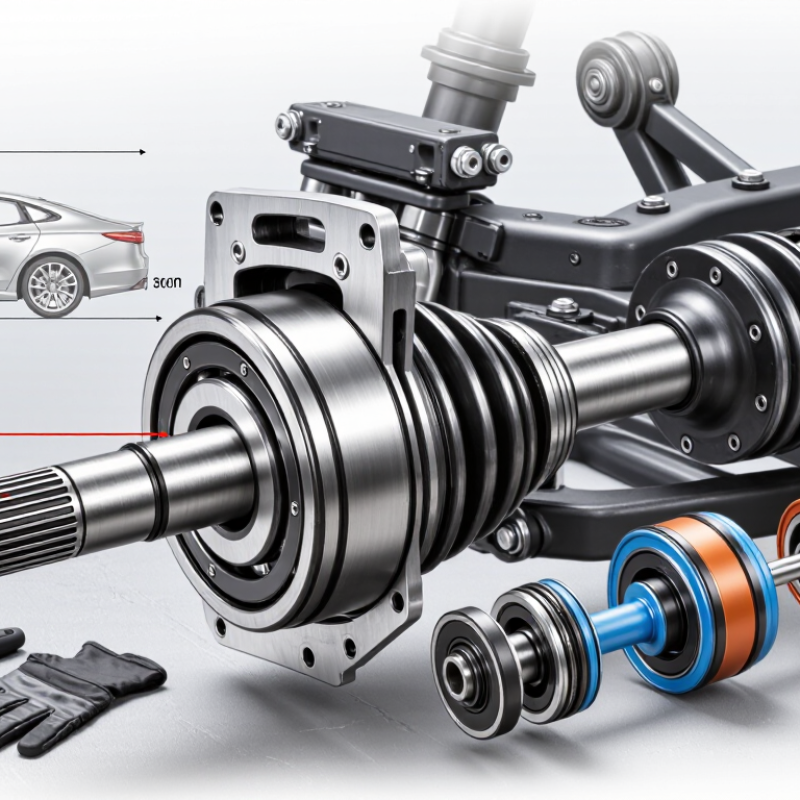
A drive shaft may look simple from beneath a vehicle, but it carries torque while working through vibration, changing loads, and uneven road conditions. The Drive Shaft Bearing helps support the shaft and maintain smooth rotation. When it wears, a driver may notice a low hum, vibration under acceleration, or a clunk during gear changes. Small part. Big consequence. These signs can have several causes, so they should prompt inspection rather than an immediate guess.

Choosing a replacement by size alone is an incomplete approach. Load capacity, operating speed, alignment, lubrication, sealing, and exposure to heat or dirt all affect bearing performance. A bearing that fits the housing may still be unsuitable for the vehicle’s actual conditions. Even a small alignment error can add stress, while a damaged seal may let grit reach the rolling surfaces. That detail is easy to overlook.

A sound choice starts with the vehicle manufacturer’s specifications and a careful assessment of the existing assembly. Check the bearing type, dimensions, mounting arrangement, and any signs of wear on nearby components. Installation matters too: forcing a bearing into place can damage it before the vehicle moves. There is no universal bearing for every shaft. The practical goal is dependable fit and operation, not simply the lowest price or fastest replacement. This guide explains the factors that help make that choice, while recognizing that real-world wear does not always follow a neat checklist.
Why Choose the Right Drive Shaft Bearing?

Drive-Shaft Bearing Functions, Types, and Support-Span Loads

Why Choose the Right Drive Shaft Bearing?

A drive-shaft bearing supports a rotating shaft between its ends, helping control movement and vibration. In a two-piece driveline, the center support bearing carries part of the shaft’s weight and keeps its sections aligned. Its rubber cushion can absorb some vibration, but a torn or hardened cushion may allow the shaft to shift. Small changes matter.

Bearing designs vary. Sealed ball bearings are common in center-support assemblies; other applications may use different bearing arrangements. Selection depends on shaft speed, load, mounting space, and operating conditions. Support span matters, too. A longer unsupported span can increase shaft deflection and vibration, while poorly positioned supports may add bending loads. Real installations are less tidy than diagrams, so vehicle specifications and measured dimensions matter.

Tips: Check the bearing assembly, rubber isolator, and mounting points together. Note unusual play or vibration, but don’t diagnose by sound alone. Confirm the replacement matches the required dimensions and load conditions; an apparently close fit can still create alignment problems.

Assess Torque, Radial Load, Speed, and Misalignment Before Selection

Why Choose the Right Drive Shaft Bearing?

A drive shaft bearing must suit the forces and operating conditions of the whole assembly. Start with torque, but do not treat it as the bearing load itself. Torque, shaft geometry, support spacing, and applied forces together influence the reactions at each bearing. Check the manufacturer’s load data against realistic operating conditions, not just a peak value from a machine specification.

Radial load deserves close attention. Belt tension, shaft weight, and drivetrain forces can push the shaft sideways, changing bearing life and temperature. Speed matters too: a bearing that carries the load at low rpm may overheat when rotation increases. Look at the rated speed, lubrication method, and expected duty cycle. Heat leaves clues. A warm housing can signal poor lubrication, excess load, or misalignment, though temperature alone does not identify the cause.

Misalignment can come from installation, frame movement, or shaft deflection under load. Check the mounting faces and shaft runout, and consider whether the bearing can accommodate the expected angular movement. Small errors matter. There is no tidy shortcut: calculations may miss a changing load or a flexible support. Compare the design assumptions with measurements taken during operation, and revisit the selection if vibration, noise, or wear appears sooner than expected.

Apply ISO 281: L10 = (C/P)^p Million Revolutions at 90% Reliability

Why Choose the Right Drive Shaft Bearing?

ISO 281 gives engineers a practical way to estimate bearing fatigue life. Its basic rating life is L10 = (C/P)^p million revolutions. C is the bearing’s basic dynamic load rating, while P is the equivalent dynamic load. For ball bearings, p is 3; for roller bearings, it is 10/3. Keep the units consistent.

The L10 value corresponds to 90% reliability under the standard rating assumptions. In a group of identical bearings, about 90% are expected to reach or exceed this calculated life. It does not promise that one bearing will last a specific number of hours. Small details matter. A drive shaft exposed to vibration, shock loads, or misalignment may not match the assumptions behind the calculation.

For a real selection, estimate the loads across the operating cycle, not just at steady speed. Check the shaft alignment, lubrication method, temperature, and risk of contamination. Then convert revolutions into operating hours using the actual rotational speed. For example, a bearing turning at 1,500 revolutions per minute accumulates 90,000 revolutions per hour. I would treat L10 as a useful comparison tool, not a guarantee; service conditions can be messier than the calculation.

Match Bearing Fit, Seals, Lubrication, and Temperature to Service

Why Choose the Right Drive Shaft Bearing?
Match Bearing Fit, Seals, Lubrication, and Temperature to Service

A drive shaft bearing must suit both the shaft and its housing. Check the measured dimensions, including wear or surface damage, rather than relying only on nominal sizes. An overly tight fit can raise operating temperature; a loose fit may allow movement, fretting, and vibration. Small differences matter.

Seals should match the dirt, water, and speed the bearing will encounter. A contact seal can help block grit, but may add friction. Choose lubricant for the bearing load and expected temperature range, and follow its relubrication guidance. Too little lubricant can speed wear; too much can also create heat. Measure temperature near the bearing during real operation, not just in a cool workshop. Our first estimate can be wrong.

Tips: Before installation, inspect the shaft and housing, confirm fit, and check seal orientation. Record operating temperature after the assembly reaches steady service. If heat or noise rises, stop and reassess the fit, lubrication amount, and contamination path.

Verify Installation Alignment and Vibration Against OEM Specifications

Why Choose the Right Drive Shaft Bearing?

Verify Installation Alignment and Vibration Against OEM Specifications

A suitable drive shaft bearing supports the shaft while helping limit unwanted movement and vibration. Correct installation matters just as much as bearing selection. Even a small bracket offset can change shaft alignment and create a persistent hum or floor vibration.

Use the vehicle’s OEM service specifications as your reference, not a generic tolerance. Check the support bracket position, shaft runout, joint angles, and fastener torque with appropriate measuring tools. Record the readings before and after adjustments. Small errors matter. A bearing that looks centered may still sit outside the specified position.

After installation, inspect for binding and uneven contact, then assess vibration under the test conditions specified by the manufacturer. Note the speed and operating conditions when any vibration appears; a symptom that changes with speed can help guide diagnosis. Don’t assume the bearing is at fault if readings remain high. Tire, joint, or mounting issues may also contribute. That’s easy to overlook. Recheck the setup rather than forcing a borderline measurement to fit expectations.

FAQS

Does shaft torque equal the load on a drive shaft bearing?

No. Torque, shaft geometry, support spacing, and external forces combine to create bearing reactions. Check the assembly, not torque alone.

Which forces can increase radial load?

Belt tension, shaft weight, and drivetrain forces can push the shaft sideways. Even a small shift may affect heat and bearing life.

How does speed affect bearing selection?

A bearing suitable at low speed may overheat at higher rpm. Check rated speed, lubrication method, and duty cycle. Heat leaves clues.

What does the ISO 281 L10 calculation estimate?

It estimates fatigue life using L10 = (C/P)^p million revolutions. Here, C is the dynamic load rating, and P is equivalent dynamic load.

Does an L10 life estimate guarantee a specific service life?

No. L10 represents a 90% reliability estimate under standard assumptions, not a promise for one bearing. Vibration, shock, or misalignment can change the result.

How should calculated bearing life be compared with operating hours?

Use the actual rotational speed. At 1,500 rpm, a bearing accumulates 90,000 revolutions per hour. Real operating cycles may vary.

What should be checked before installing a bearing?

Measure the shaft and housing, and inspect for wear or surface damage. A tight fit can increase heat; a loose fit may cause movement and vibration.

How should seals and lubrication match service conditions?

Choose seals for expected dirt, water, and speed. Select lubricant for the load and temperature range; too much can create heat. Our first estimate can be wrong.

What should be monitored after installation?

Check temperature near the bearing after steady operation, and watch for rising noise or vibration. If either appears, reassess alignment, fit, lubrication, and contamination.

Conclusion

Choosing the right Drive Shaft Bearing is essential for stable power transmission, controlled vibration, and long service life. The bearing supports the shaft while accommodating loads created by torque, radial forces, shaft speed, and the distance between supports. Depending on the application, ball, roller, or needle bearings may be suitable, but each type has different load and speed capabilities. Before selection, assess operating conditions and any expected misalignment rather than relying on shaft size alone.

Bearing life can be estimated using the ISO 281 basic rating life formula: L10 = (C/P)^p million revolutions, where C is the basic dynamic load rating, P is the equivalent dynamic load, and p depends on bearing type. L10 represents a 90% reliability rating under defined conditions. The final choice should also account for fit, sealing, lubrication, and operating temperature. Careful installation, alignment checks, and vibration measurements against equipment specifications help confirm that the bearing performs as intended.

Evelyn

Evelyn

Evelyn is a professional marketing specialist who combines a strong understanding of the company’s products with a clear, customer-focused approach to communication. She regularly contributes expert articles to the company website, helping readers understand product features, compare practical......